Dark Fantasy
Blood as a Symbol of Life and Death
On an unusually warm October morning, Sarah Federer arrives at Saint Louis University to pick me up. Federer is in town on business—her little brother’s homecoming high school football game and, less importantly, shooting the inaugural issue of 21 Artistry, which I told her about only a few days ago. As always, she is beaming with excitement.
“Your hair! You didn’t tell me you got a buzz cut. It looks so good,” she says.
“My dad wanted me to look like Travis Kelce, and I thought it was a good idea. I will try anything once,” I reply.
I hop in the passenger seat, and we begin driving.
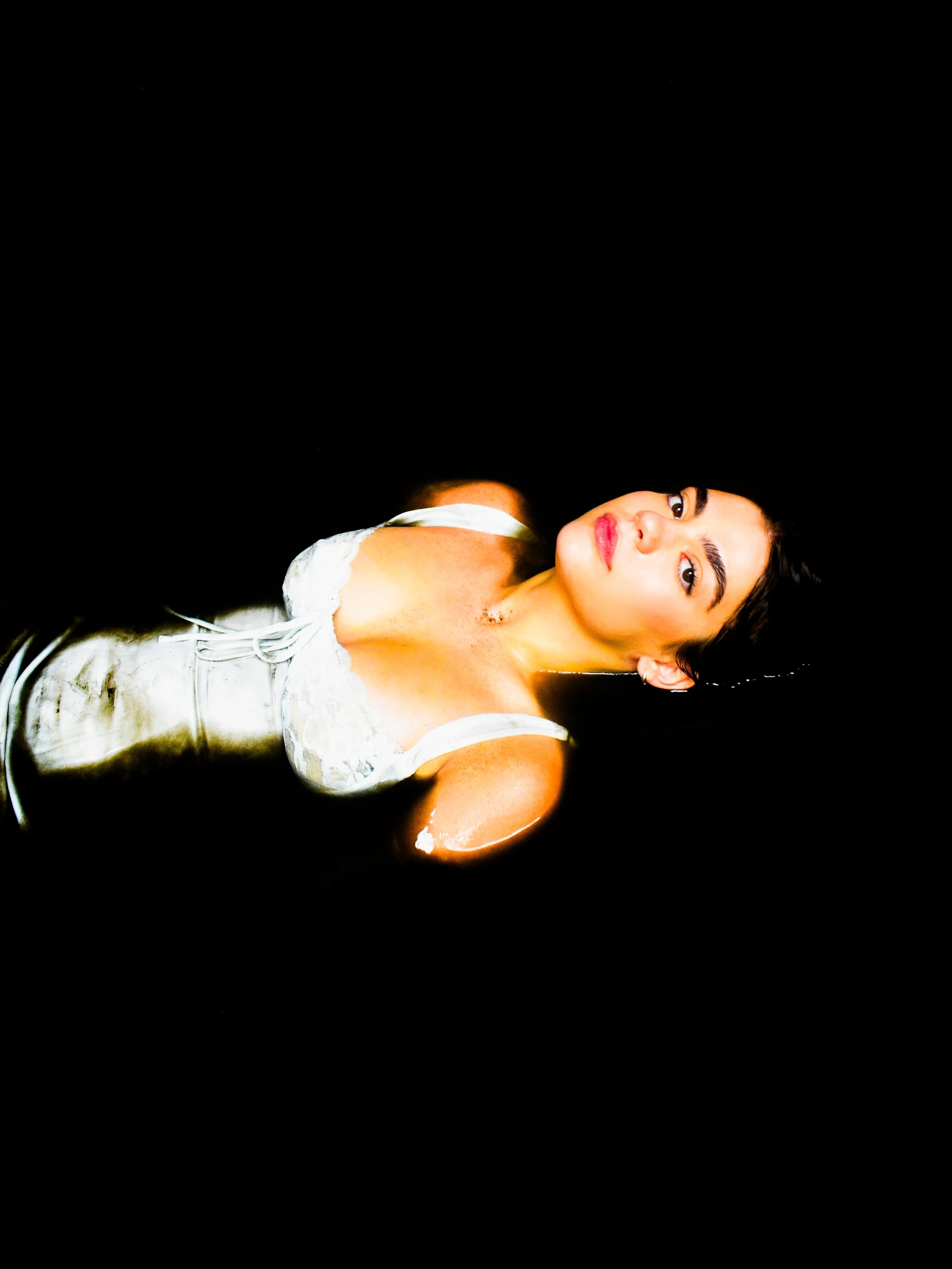
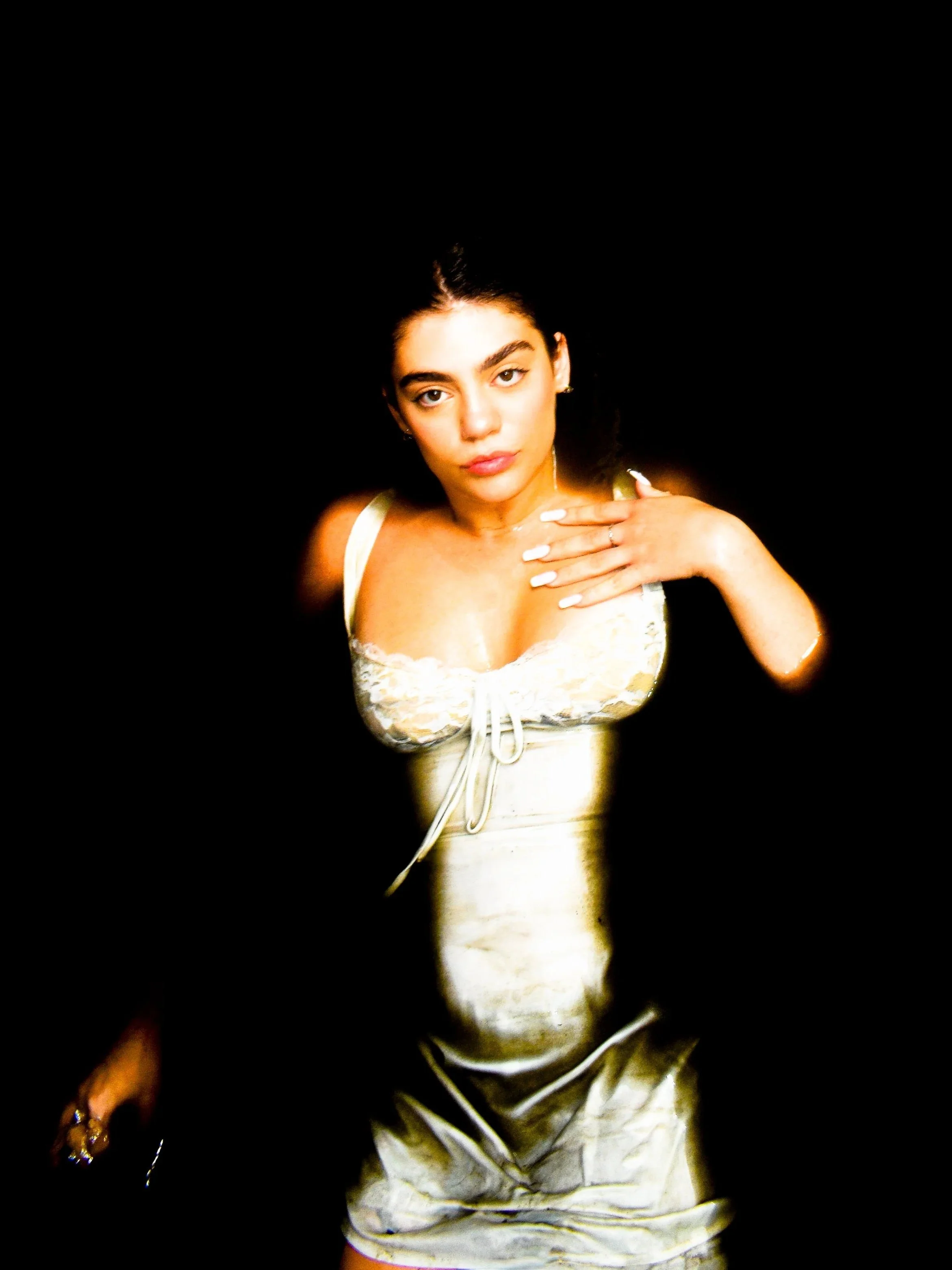
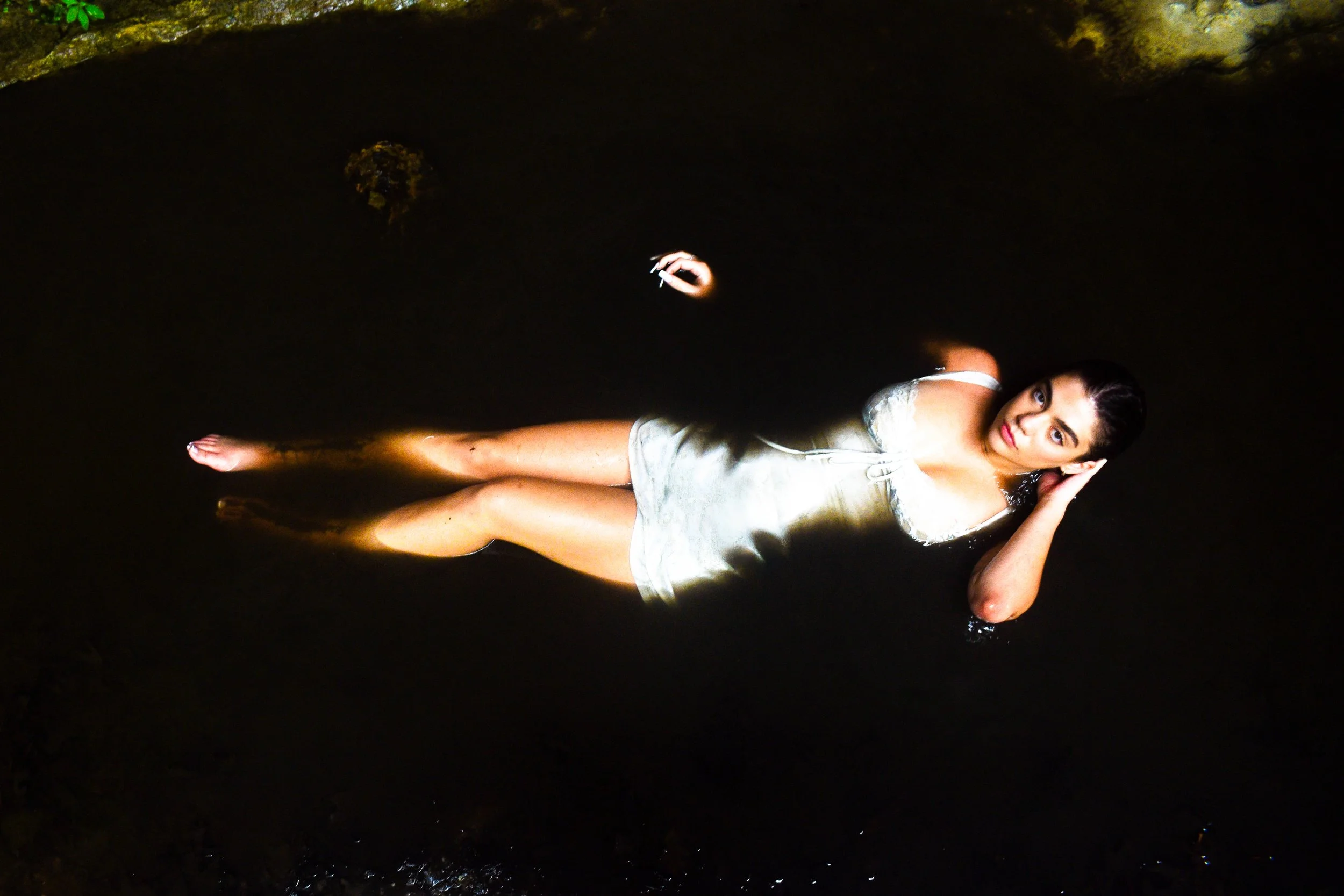
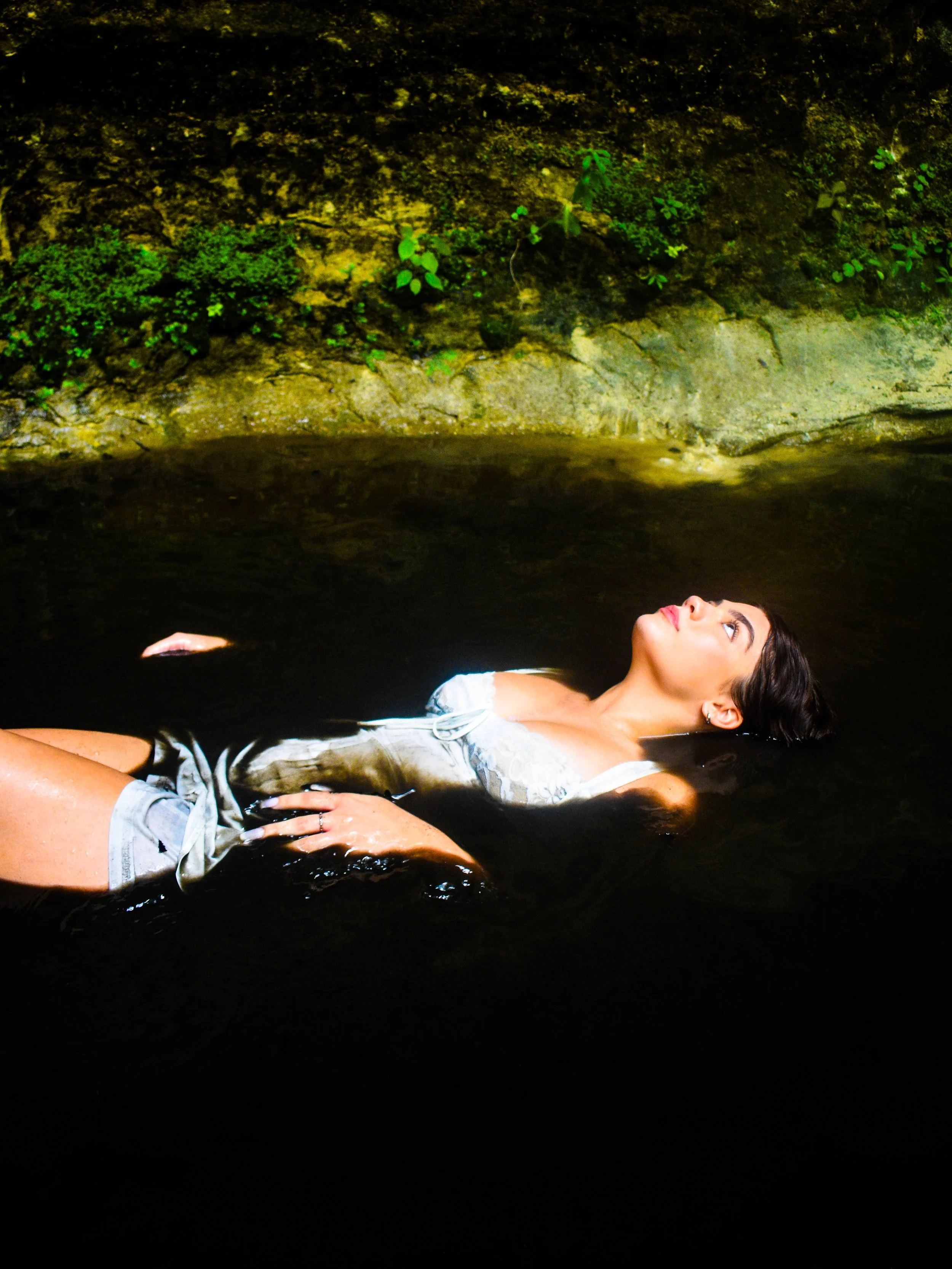
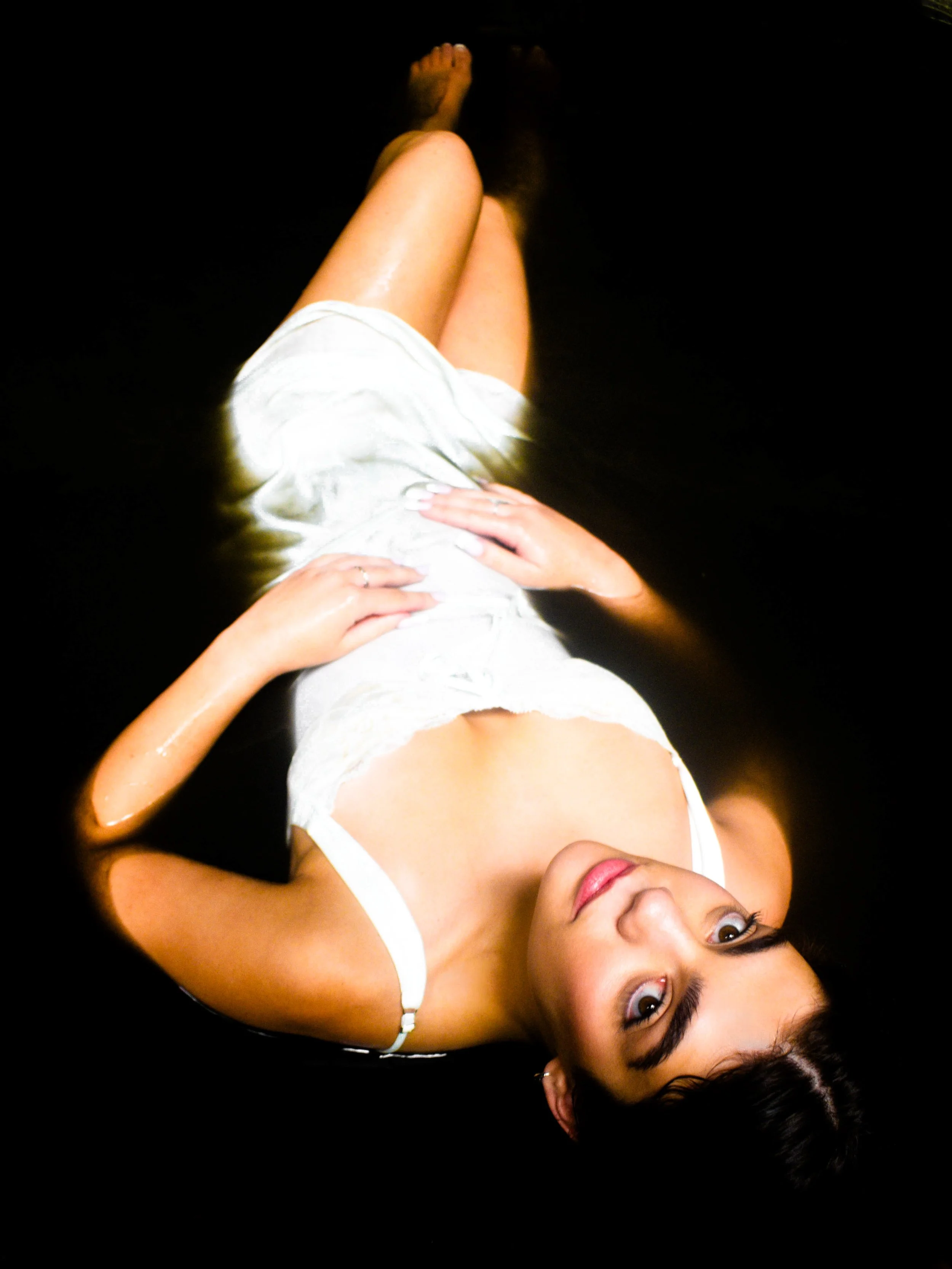
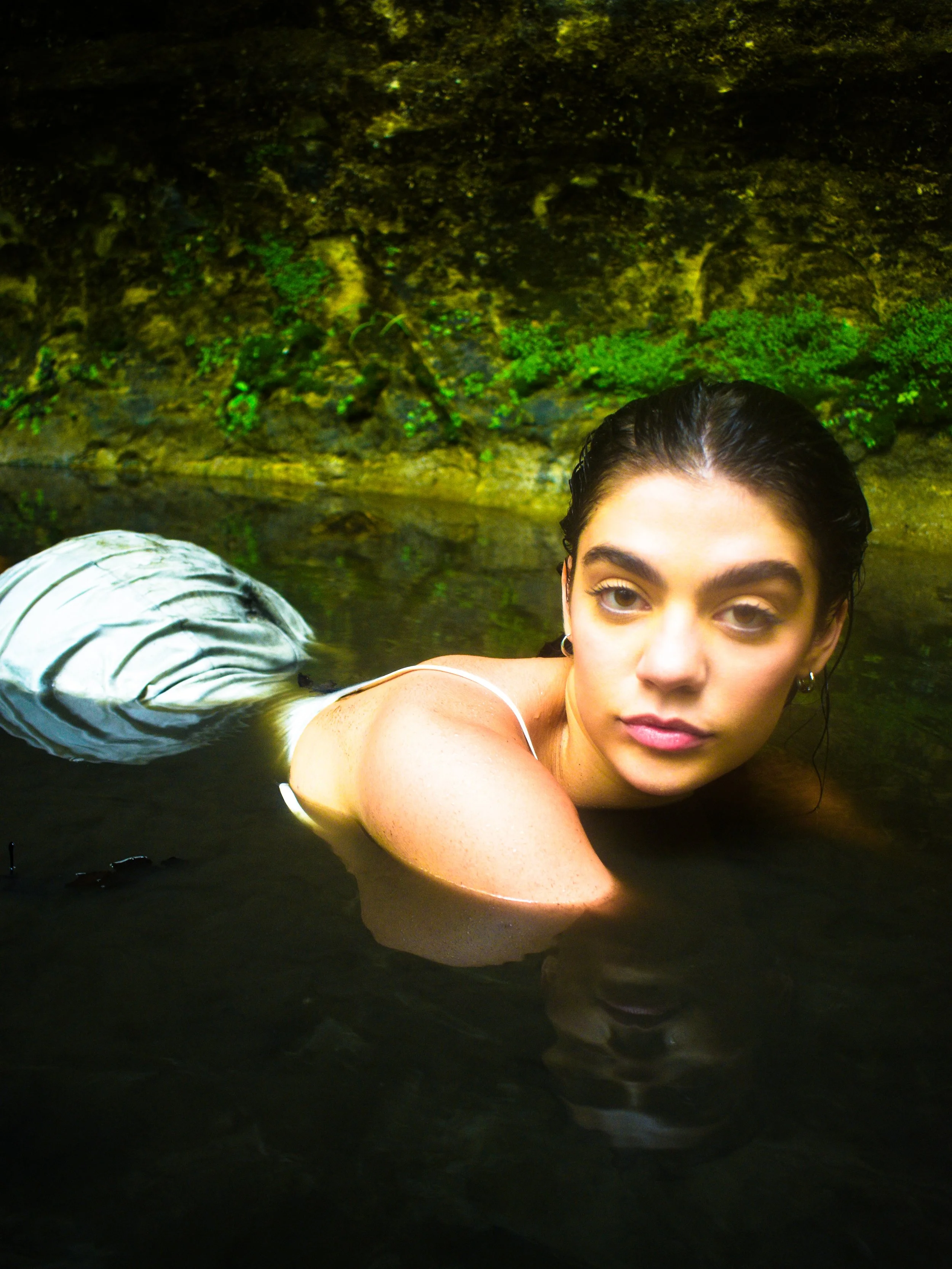
The last time Federer and I were together in our hometown was her “Baptism”—no, not her actual Baptism. This shoot was part of a tradition wherein models I work with undergo a water shoot, donning a white dress, effectively “baptizing” them into my artistic family. Because the conditions are often difficult to navigate, it is also a test of willpower and inclination, one that Federer passed with ease as she somehow made a pond in the Ozark forest look angelic.
Our “Baptism” became one of my most beloved shoots and was the start of our working relationship and friendship. “That was my first professional shoot in almost four years,” Federer recalls. “I have always loved being in front of the camera, and I was eager to get back in the game and challenge myself.”
Federer is living the life she once dreamed of. Growing up in the suburbs of St. Louis, she always had grand visions for her future. As a little girl, she fantasized about one day being an entrepreneur, lawyer, actor, model, and author all at the same time. “Ambitious,” many adults in her life called her, a critique often voiced with undertones of doubt and cynicism. While you can’t exactly say they were wrong, she spent her whole life proving it.
At 19, Federer is already living out her wildest childhood dreams: attending a prestigious university, studying finance and international business on the pre-law track, running her startup 4ortunatelife, taking on film roles during her breaks from school, and modeling in projects for her crazy photographer friend from home (me). Her latest achievement: being 21 Artistry’s first cover star.
It’s a lot to juggle for one person, but Federer has never been one to compromise. “I don’t believe you must sacrifice one dream to achieve another,” she says. “All of my dreams I’ve been called to for a reason. They’re all mine to chase simultaneously. Leaving St. Louis after high school felt like starting over. I had to let go of comfort and familiarity. But a year and a half later, I am thriving. Now I love discomfort. The unfamiliar is where I prosper now.”
All of my dreams I’ve been called to for a reason. They’re all mine to chase simultaneously.
I first met Federer in August 2021 at an underground concert and art festival I hosted at a skatepark in St. Louis—21 Artistry’s “Art Fest.” Screaming from the mosh pit, wedged between hundreds of kids, she immediately grabbed my attention. If you have ever met her, you would know why. Federer is a rare phenomenon. It almost seems unfair that there is so much beauty, brains, talent, and charm all in one person. When you peel back her layers, however, there is kindness, warmth, humor, and deep earnestness. From the first time I met her, I knew she had star power. Back then, 21 Artistry was an artistic collective hosting events for young people in St. Louis just like this one. More than two years later, working with Federer on the first issue of 21 Artistry magazine was a full-circle moment. We’ve come a long way.
In the past two years, both of us have graduated high school and begun college. With that shift came a new kind of freedom: the space to take our creative ambitions seriously. After years of working in photography and styling and a lifetime of writing and visual art, transforming 21 Artistry into a fully self-run editorial magazine felt inevitable for me. Having Federer by my side made the moment feel complete. In that time, we’ve both transformed personally and creatively, and our friendship has only deepened because of it.
As she stepped into that freedom, Federer was drawn to the platform modeling, acting, and social media offered as an outlet for her artistry. “I find creativity through reflection, vulnerability, and moments where I can turn pain into purpose,” she says. “Whether I’m writing or working on something visual, I’m most inspired when I feel emotionally connected to what I’m creating. That’s when it feels the most real. Sometimes, I look around and realize how few people truly understand the pressure I carry and the dreams I chase. But when I find like-minded people like you, Philip, it becomes powerful. The ideas are never-ending. I feel most alive when I’m creating, when I’m risking something.”
Federer’s creativity and work ethic have defined her from a young age. She started her first business at 13. After experimenting with startups as a teenager, she launched her latest venture, a clothing brand called 4ortunateLife, in 2021. “My company is my pride and joy,” she says. “I run it single-handedly. I’m my own accountant, marketer, investor, project manager, designer, director, web developer, copywriter, and social media manager. I even process and ship all the orders.”
Another passion of Federer’s is corporate law, a natural extension of her entrepreneurial spirit. She is currently pursuing a finance major with a minor in international business at the University of Kansas, with plans to attend law school after graduation. “I was initially drawn to law because the profession entails logical, analytical, and creative problem-solving—something I’m already used to in my business,” she says. “Being the only employee has taught me the importance of every role in a business and has instilled in me a passion for corporate law. Working hard and seeing results, whether in my own business or in my future clients’, is my form of happiness.”
For Federer, law is more than an intellectual pursuit; it’s personal. “I’ve always had a strong sense of justice and advocacy, but what really inspired me toward law was a combination of personal experiences and my exposure to the legal system through school and life,” she says. “Studying business law in Italy during a summer in college opened my eyes to how powerful law can be in shaping society, protecting people, and holding systems accountable. I want to be someone who stands in the gap for others, especially those who feel powerless.”

That same sense of purpose is now pulling Federer into the world of film, fulfilling a lifelong dream. “I was a part of a film this year called Soul on Fire,” she says. Rooted in St. Louis, it was partly shot at Saint Louis University. The film follows John O’Leary, a local figure known for his resilience after surviving a devastating house fire. “I can’t speak much about it since it’s not out yet, but shooting this film was an incredible experience,” Federer says. “Not only is the story beautiful, but I got to work with Joel Courtney and John Corbett. I learned so much from talking with them on set and seeing how they work.”
Federer’s storytelling instincts have further manifested in writing. She has spent the past few years crafting her debut book, Becoming Her, a 30-day devotional for Christian young women. Federer began writing this book in high school as a grounding force amid her busy schedule. It’s almost ready to be shared. “For me, the writing process hasn’t been about forcing myself to sit down and write every day,” she says. “I only write when I truly feel led by God. Sometimes, weeks go by without me touching the book. Other times, I’ll feel this clear pull, and the words just pour out. That’s part of why this project has taken time. It’s not just a book; it’s a reflection of my walk with Him. It shows my growth, what I’m wrestling with right now, and the lessons He’s teaching me in this season.”
In Becoming Her, Federer’s personal reflections invite readers to reflect on their own lives, helping them navigate shame, insecurity, gossip, and judgment with grace. “I hope this book reaches people right where they are,” she says. “Especially women who feel like they’re struggling, doubting, or trying to figure out who they’re called to be. If my words can make someone feel less alone and remind them that God works even through the messy parts of life, then I’ll feel like the book has done its job.”

No matter where Federer goes, she remains grounded in her family back home in St. Louis. “My family is my number one support system,” she says. “They encourage me to push myself no matter what. Although it’s becoming rare these days, being home grounds me and gives me the perspective I need to keep moving forward.”
That feeling is what inspired me to center her homecoming in the inaugural issue of 21 Artistry. No other city would have made sense. The DNA of 21 Artistry is in St. Louis.
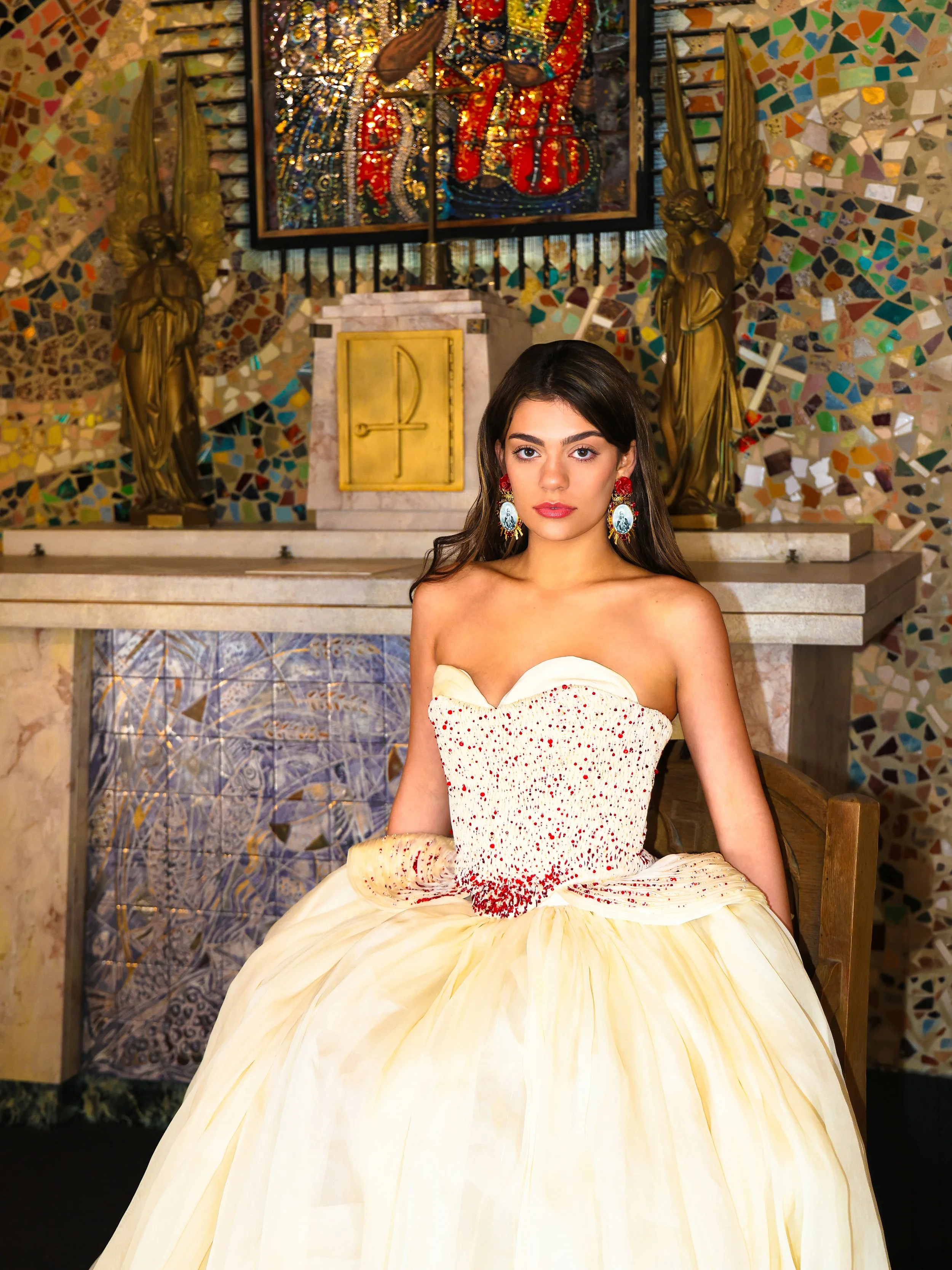
Named after King Louis IX of France, a canonized saint, St. Louis is one of the most historically Catholic cities in the country. French settlers established the city in the 18th century, and that influence still defines it. Catholicism is a structural force in St. Louis—a dense network of parishes, schools, and institutions that have shaped entire communities and generations. Reinterpreting and expanding our city’s Catholic visual universe became a natural direction. It’s a tradition we both grew up in, and one that has remained central to Federer’s life.
Throughout the shoot day, we move through a range of settings, all pulling from the same Catholic foundation.
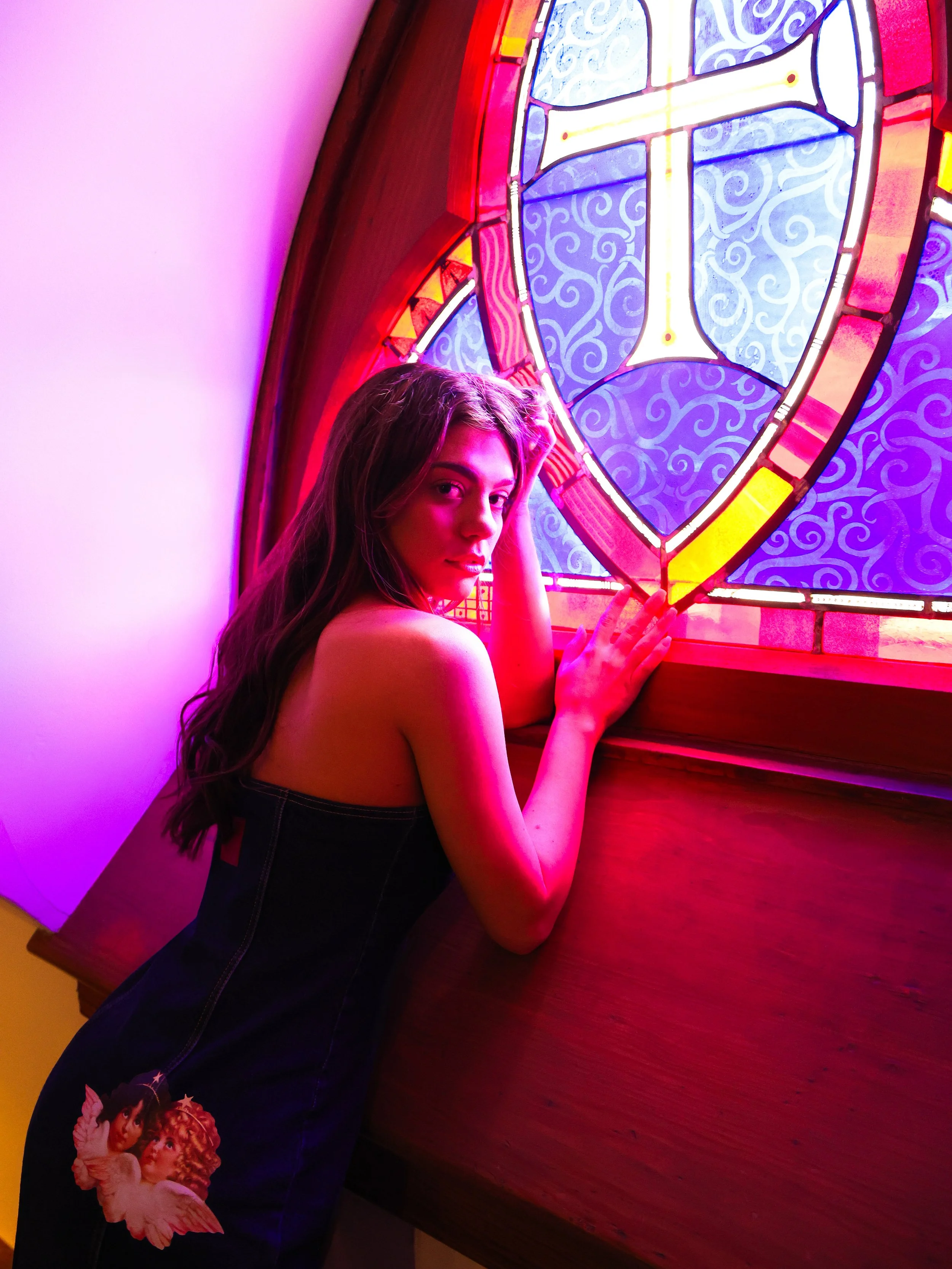
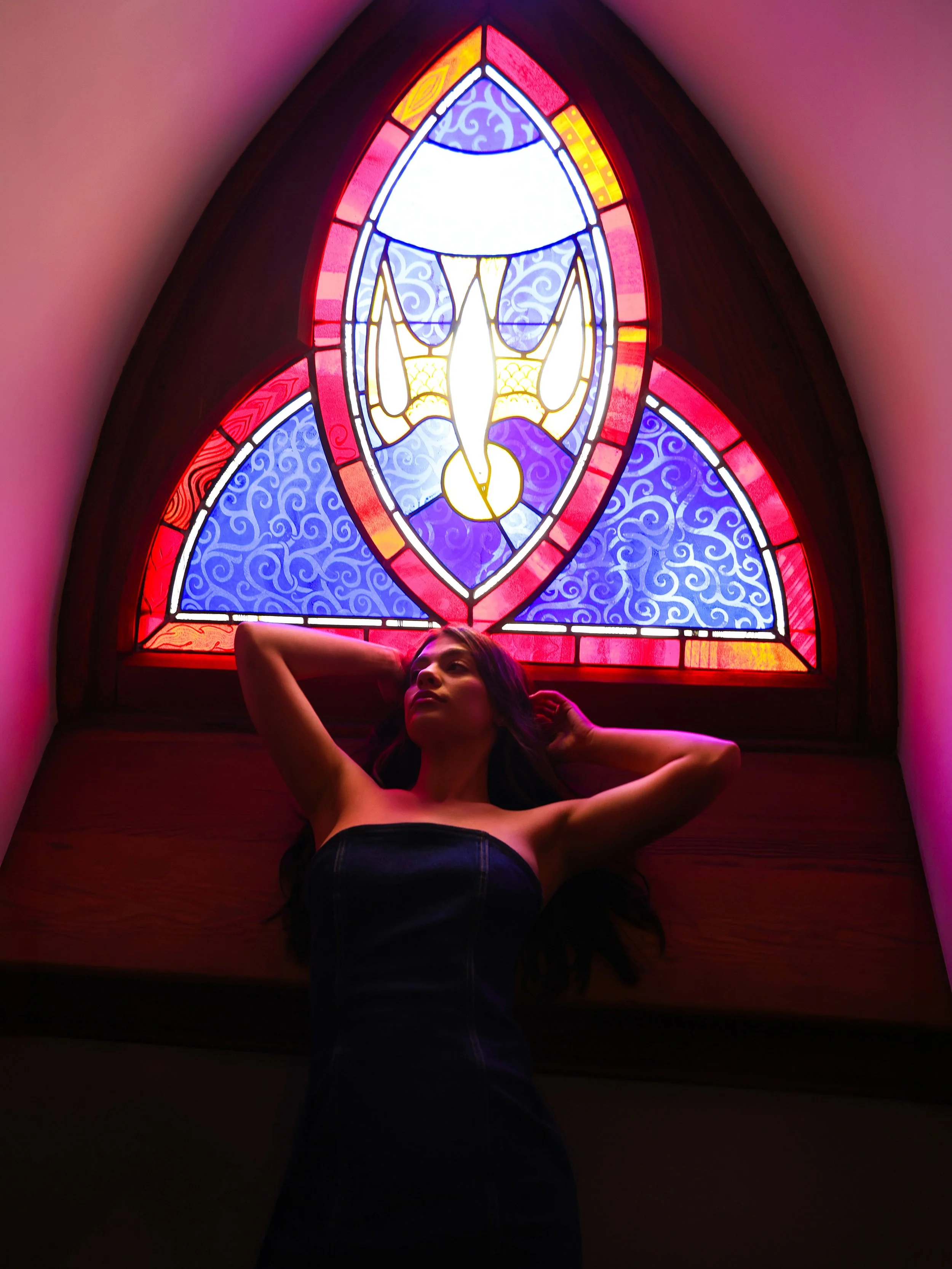
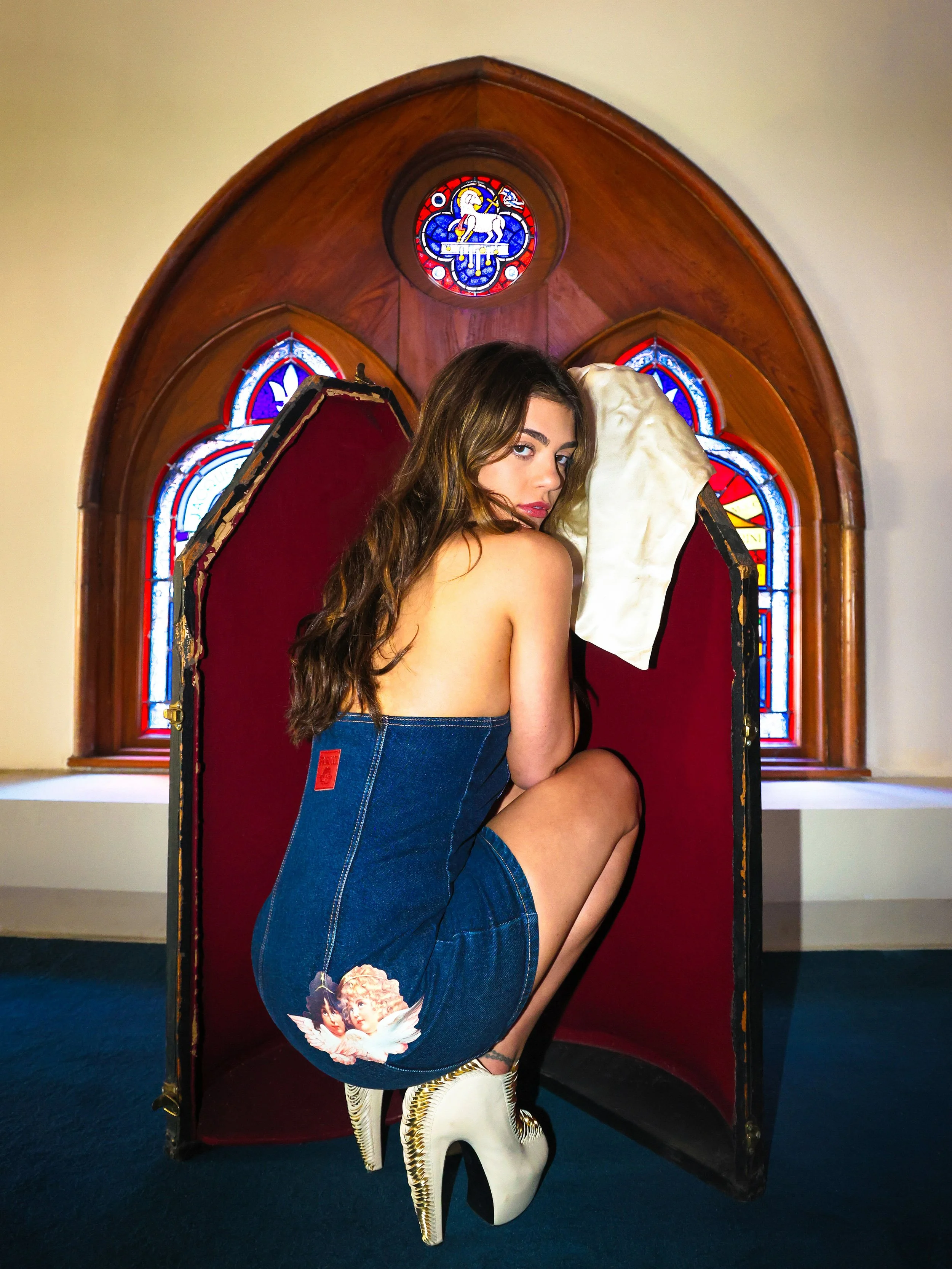
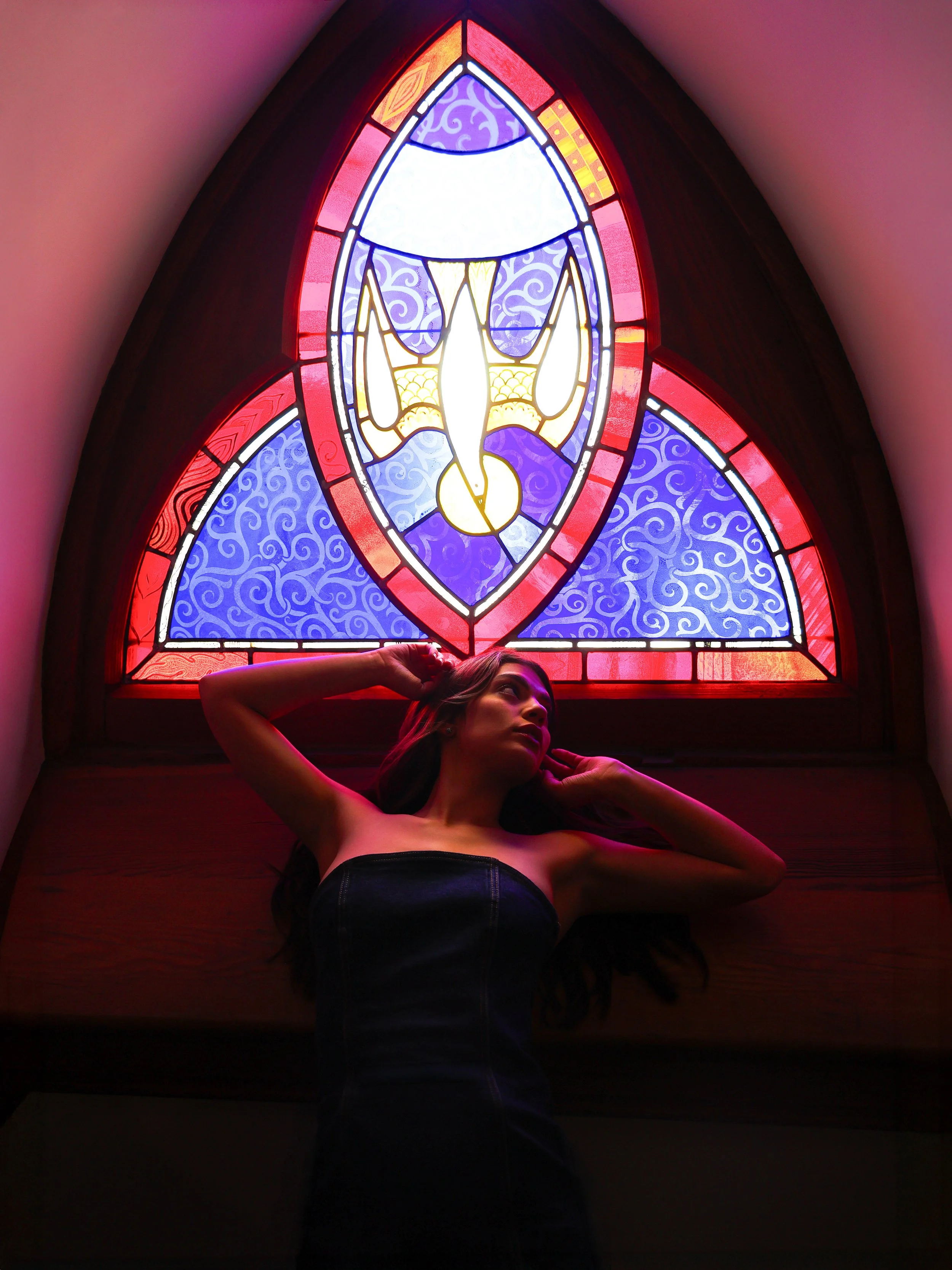
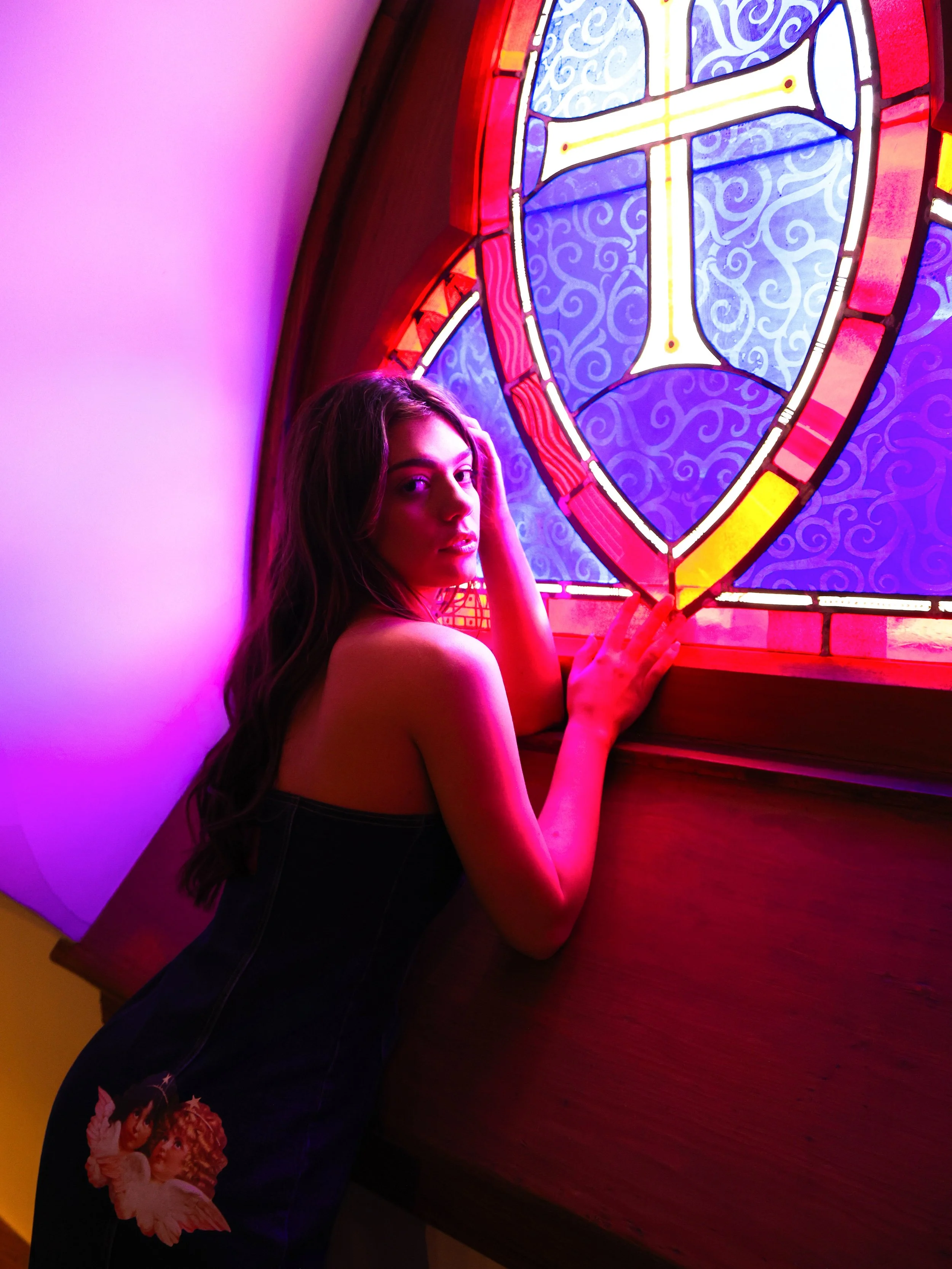
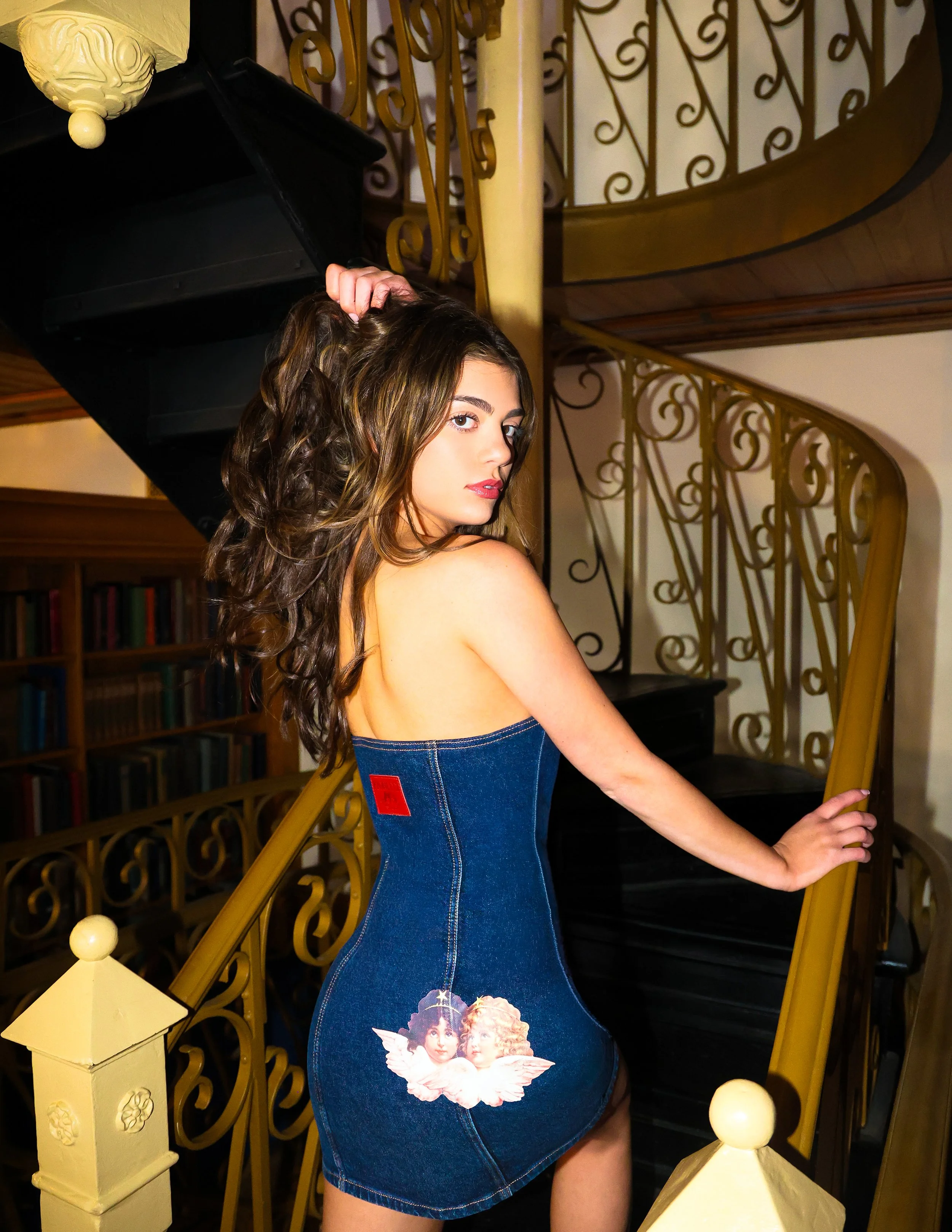
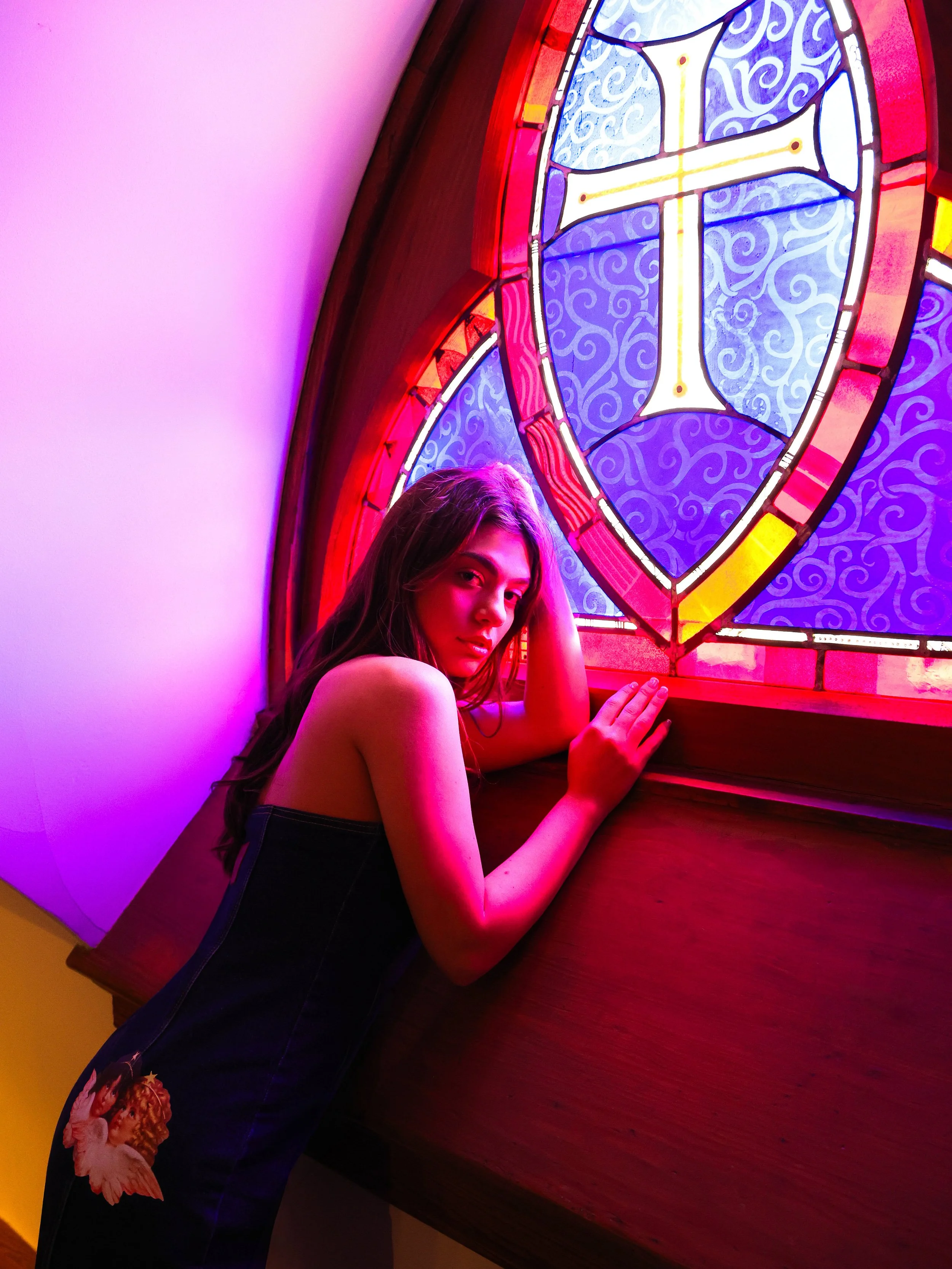
Pere Marquette Gallery at Saint Louis University feels personal. The last time Federer had been on campus was to shoot Soul on Fire.
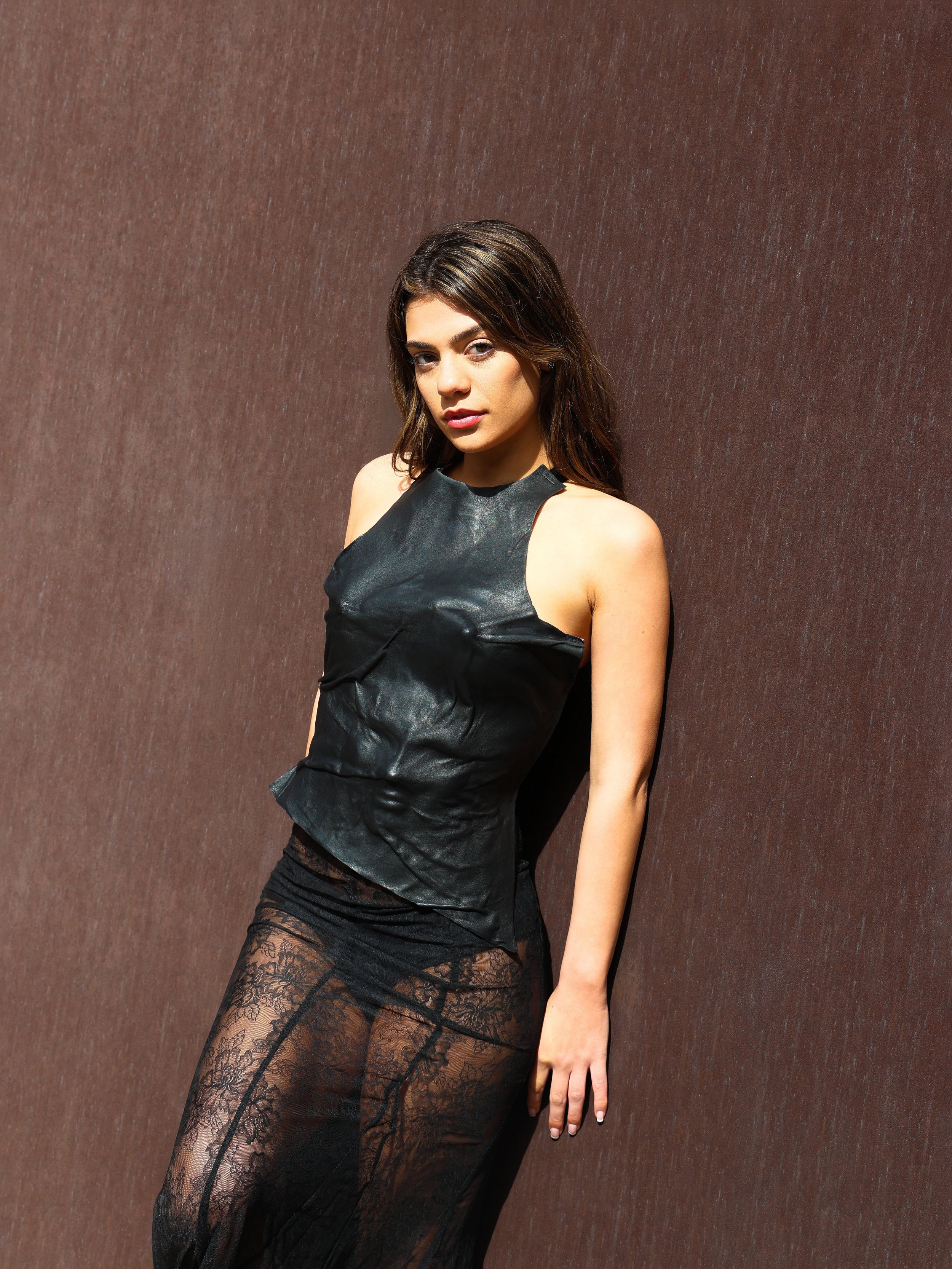
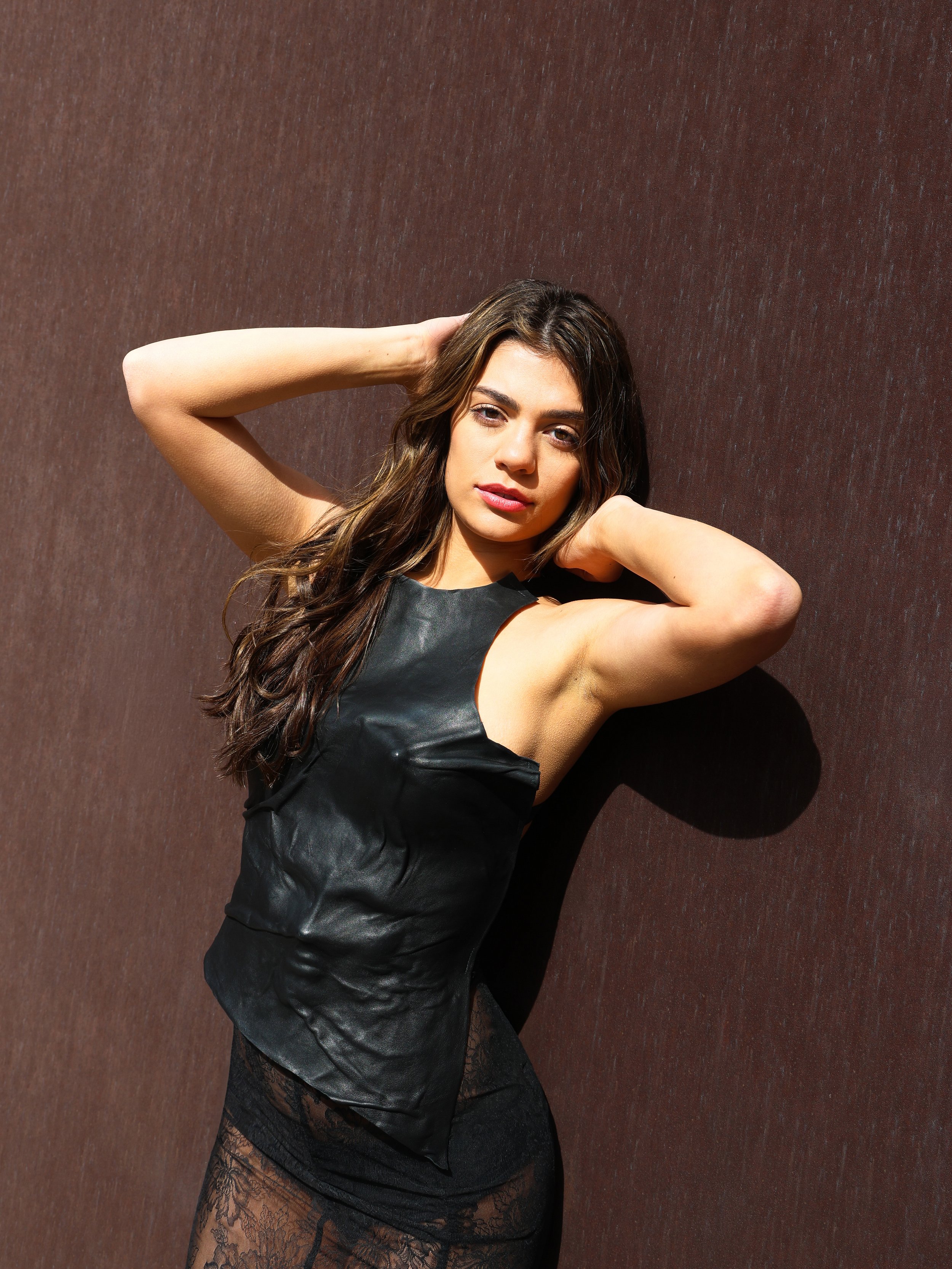
At Pulitzer Arts Foundation, Federer embodies devotion, wearing a couture look that calls upon images of Veronica wiping the face of Jesus.
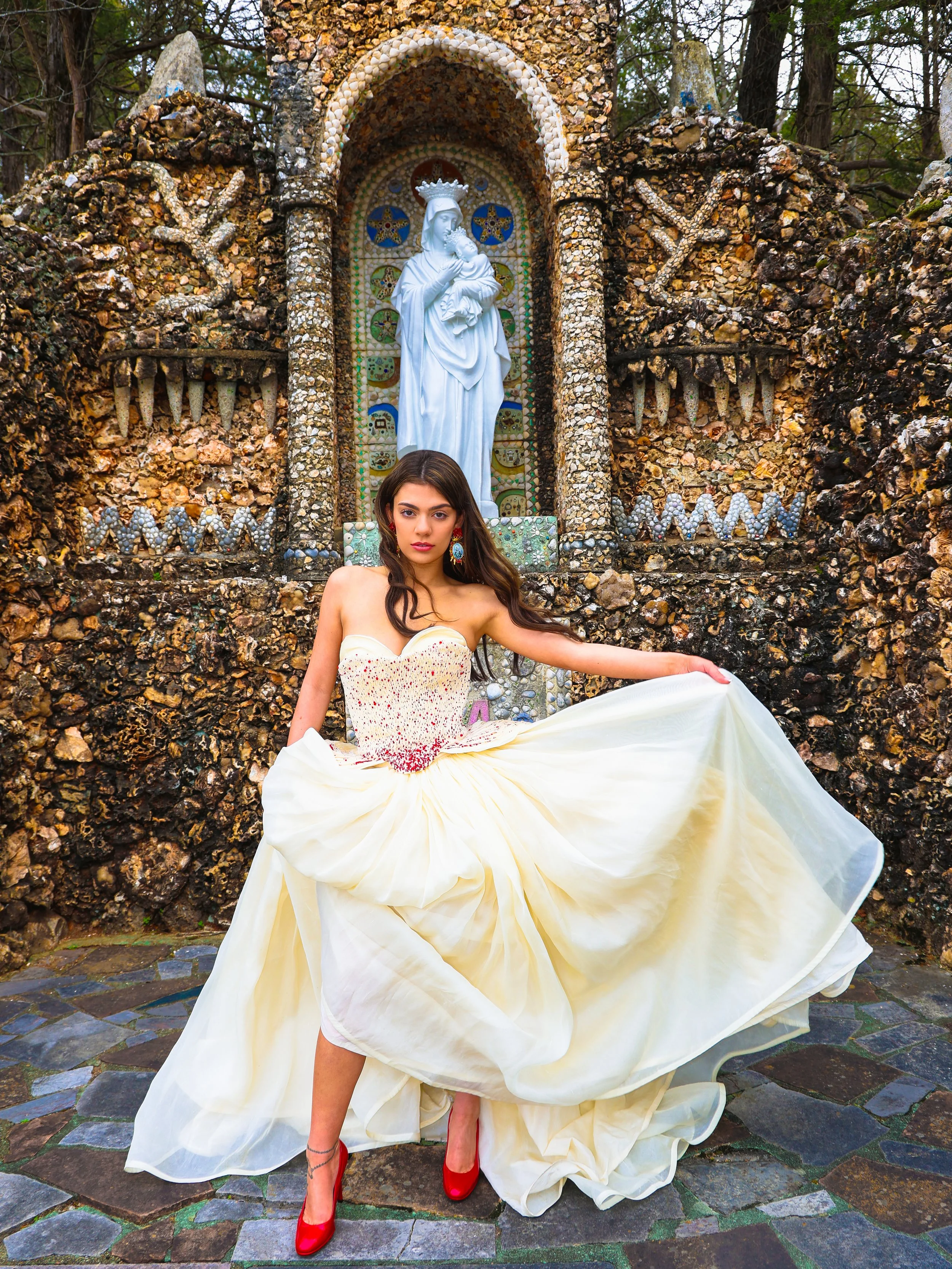
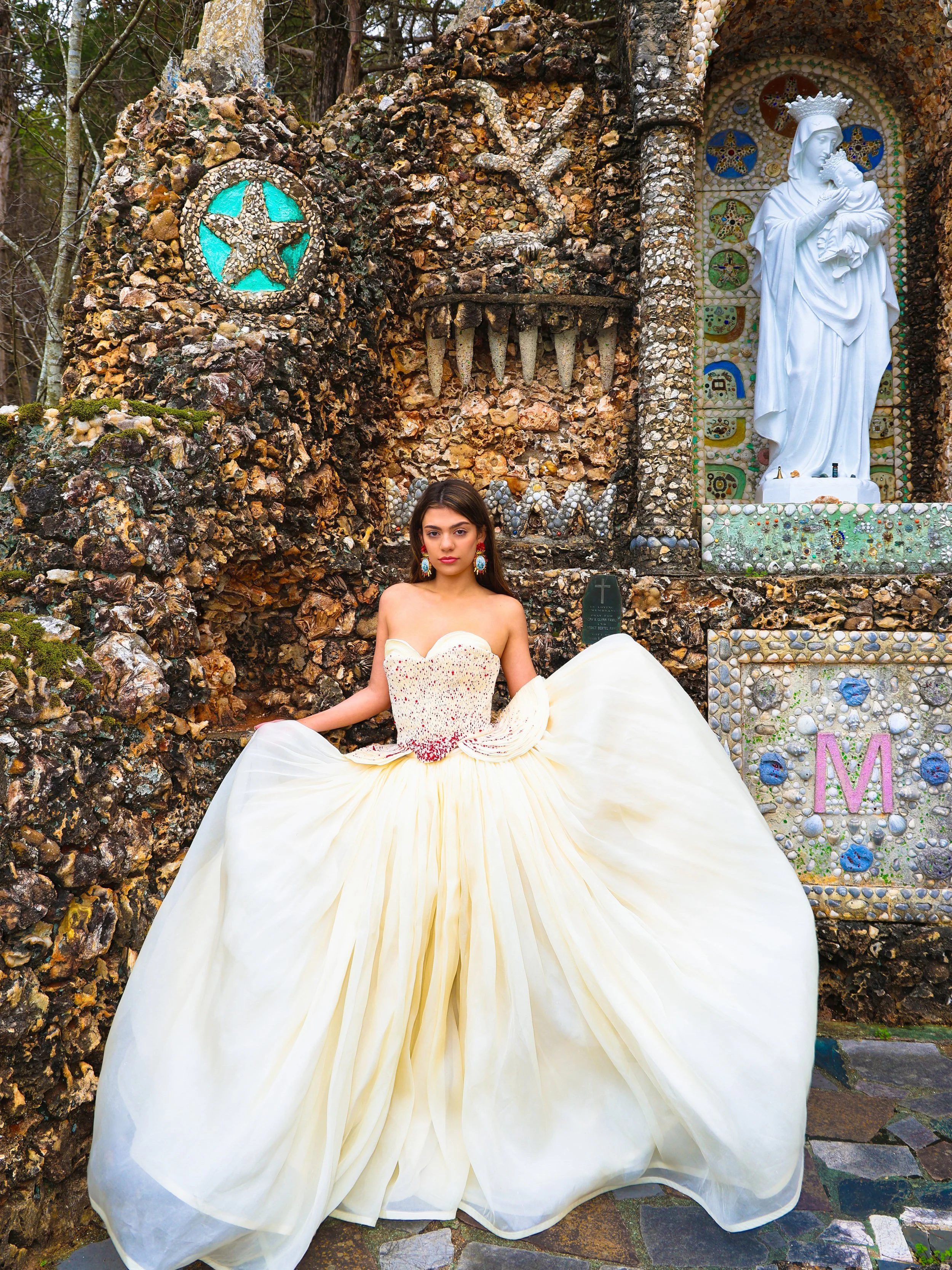
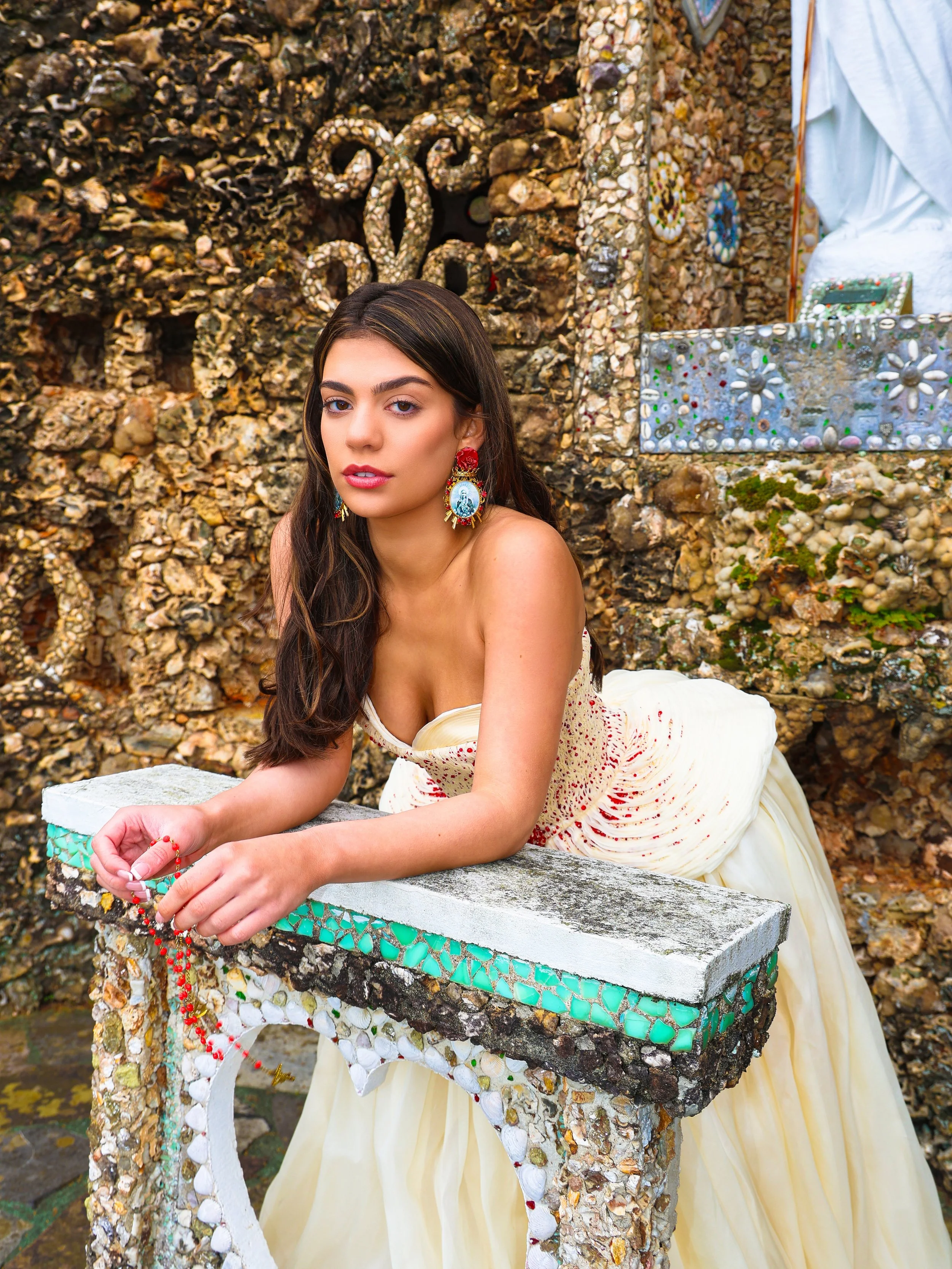
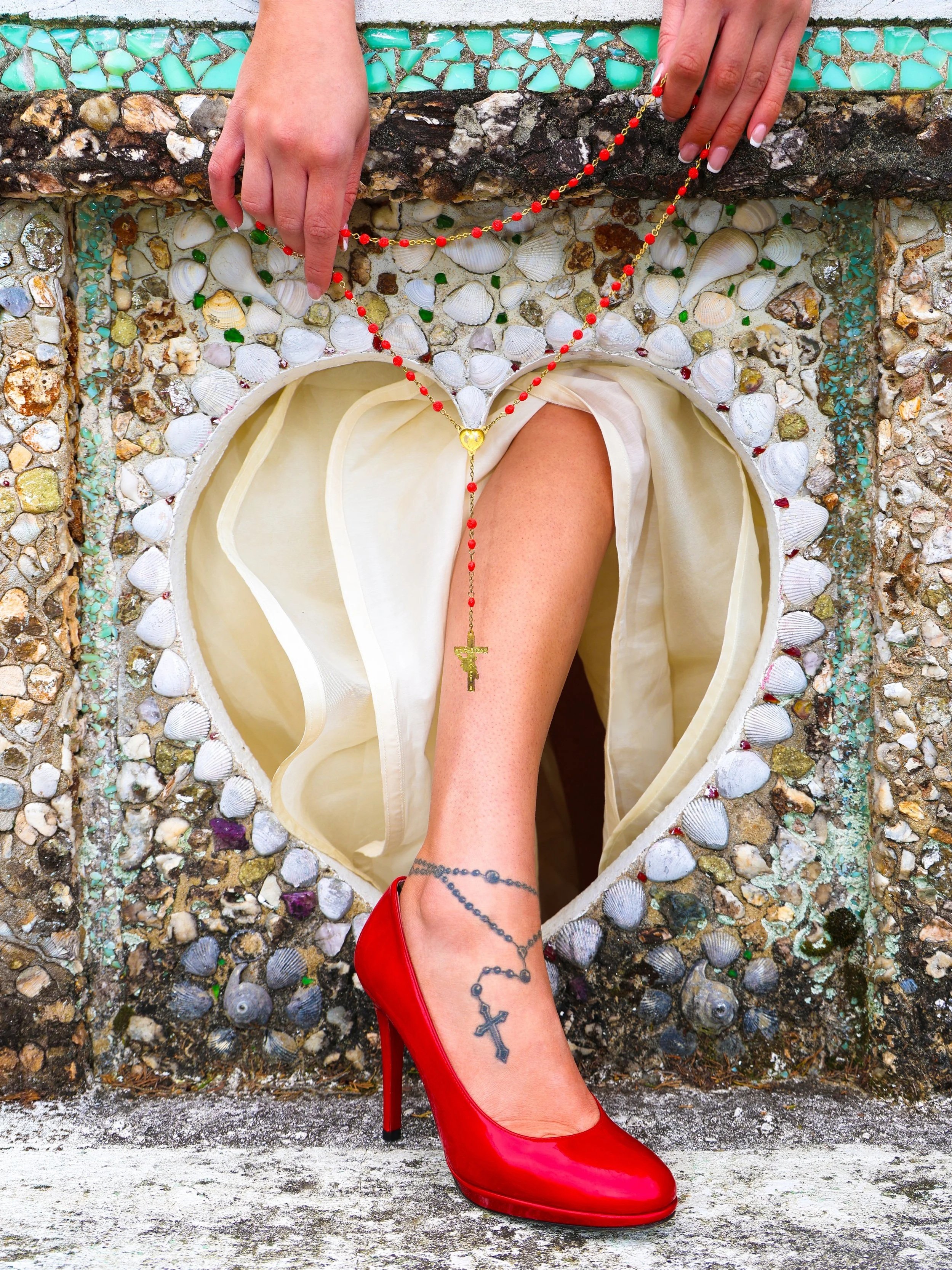
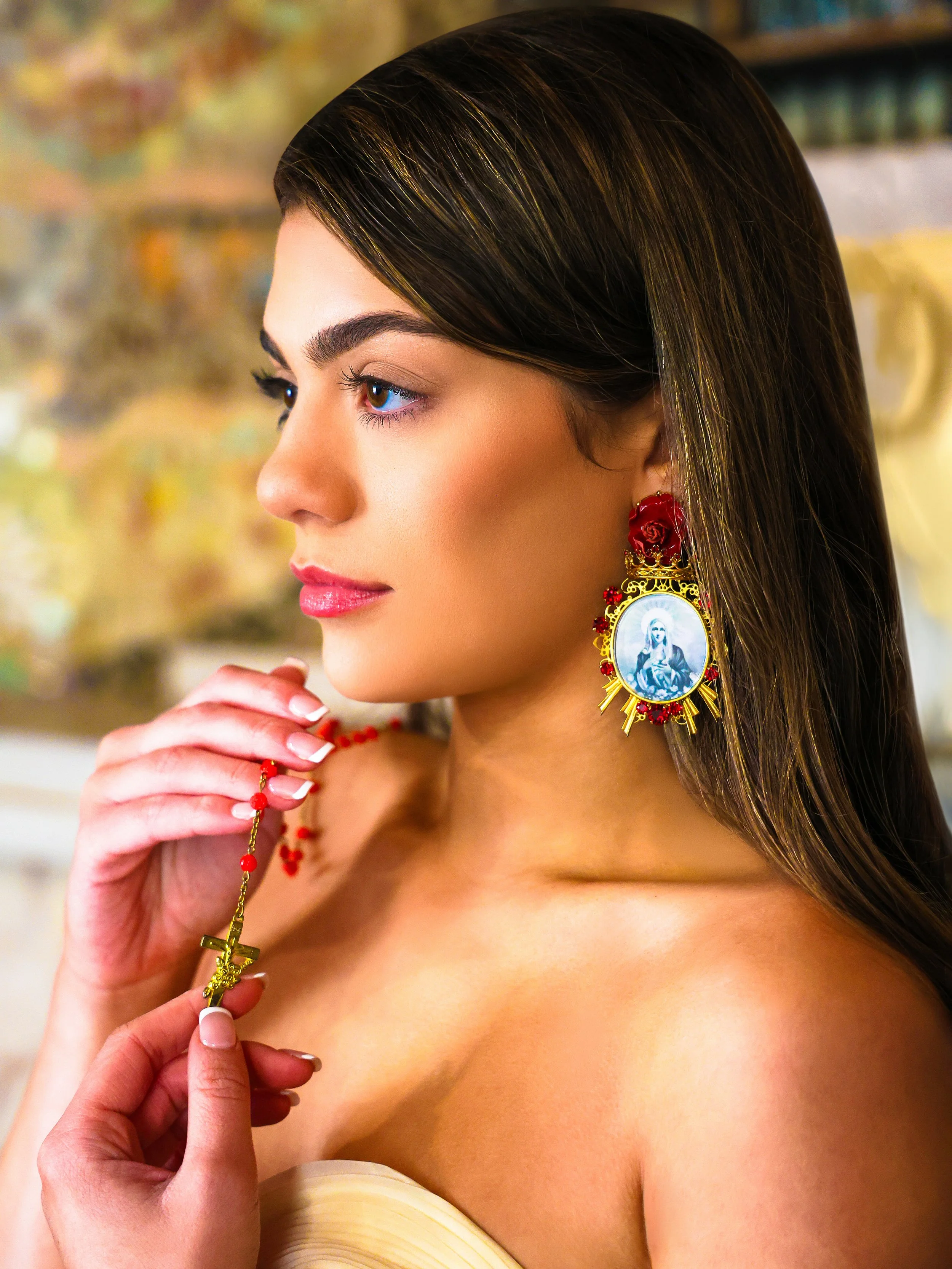
The imagery becomes more ritualistic at the Black Madonna Shrine and Grottos. Federer wears a voluminous white ball gown, handmade by local fashion student, Maxine Roeder. Its red beading resembles droplets of blood, echoed in the rosary Federer carries.
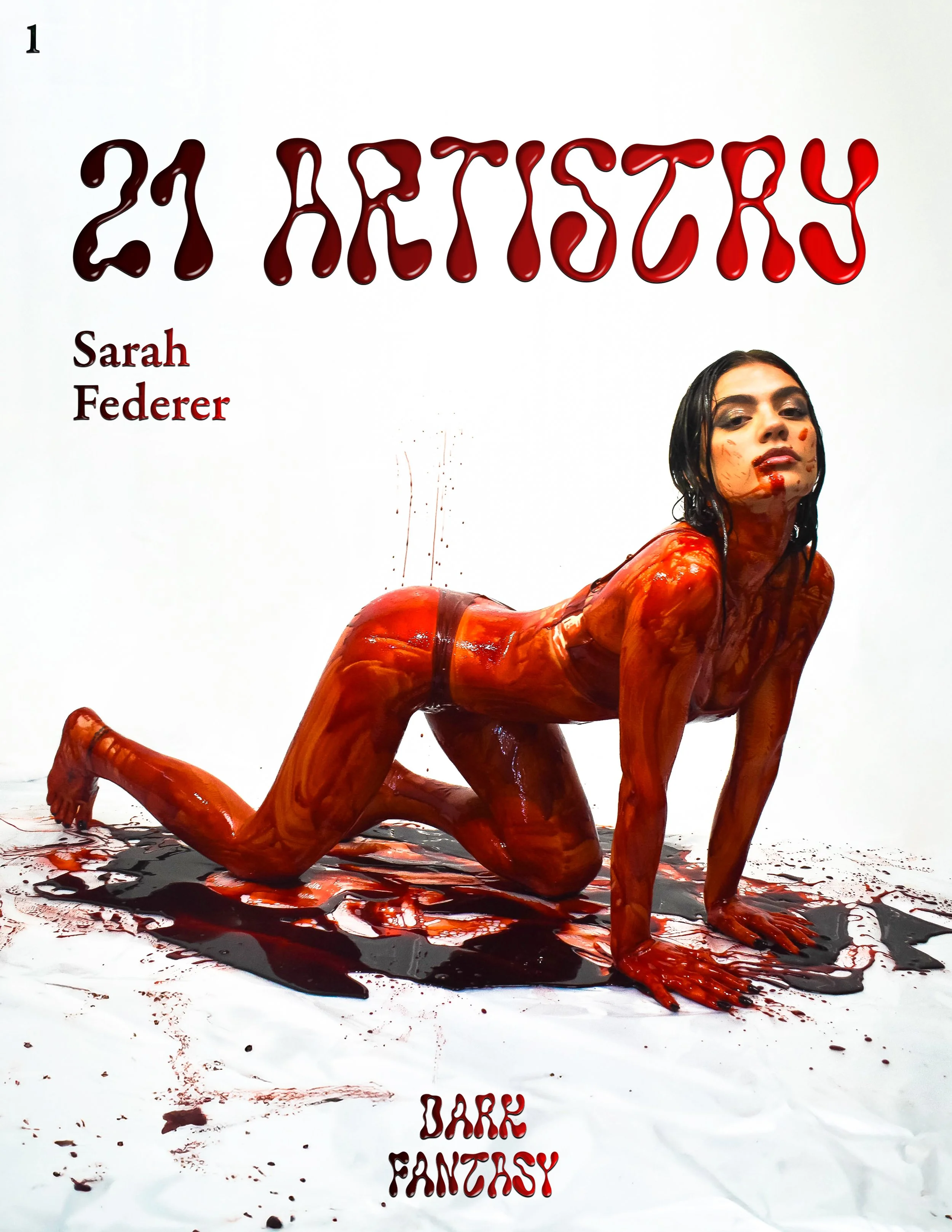
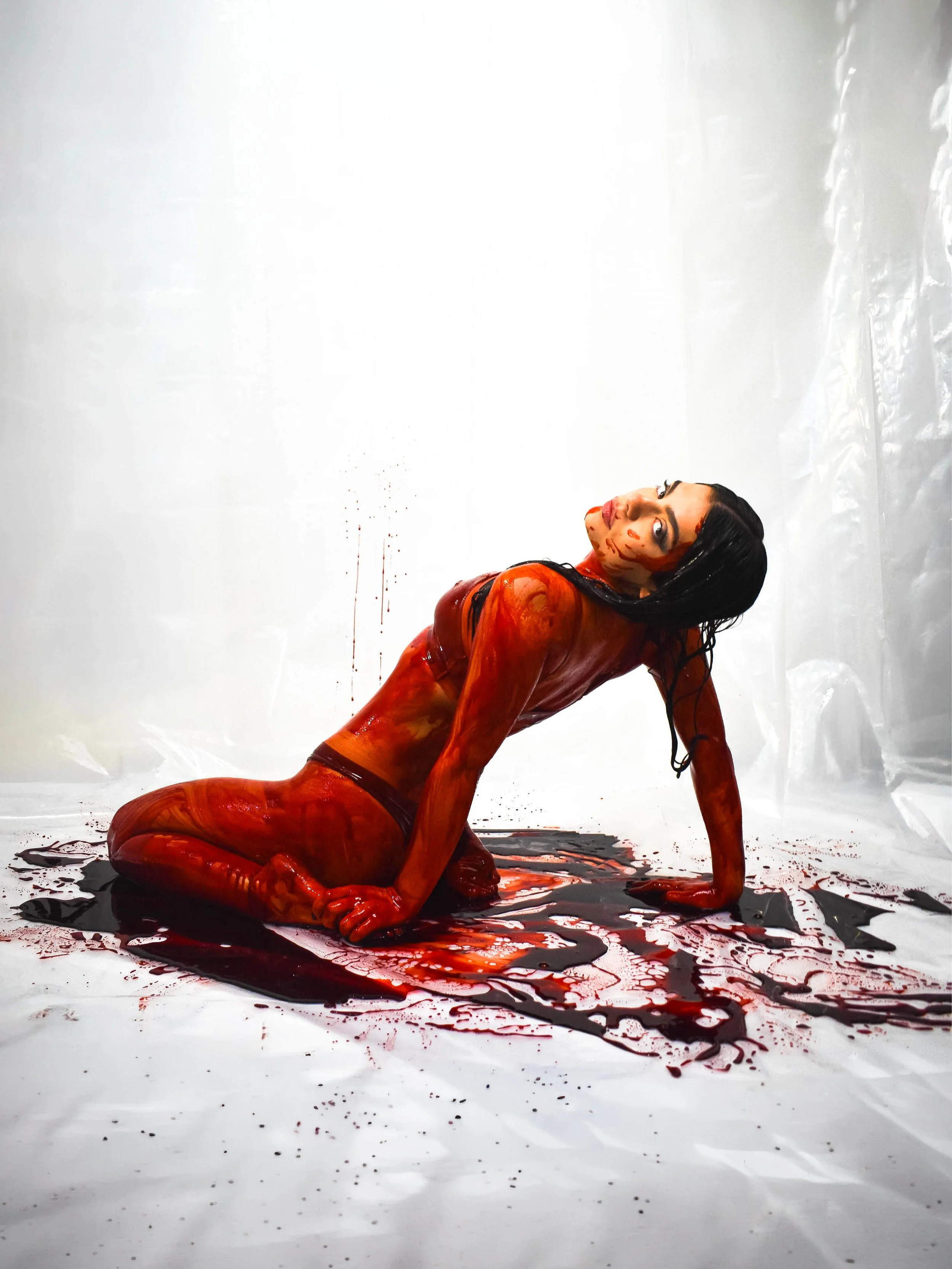
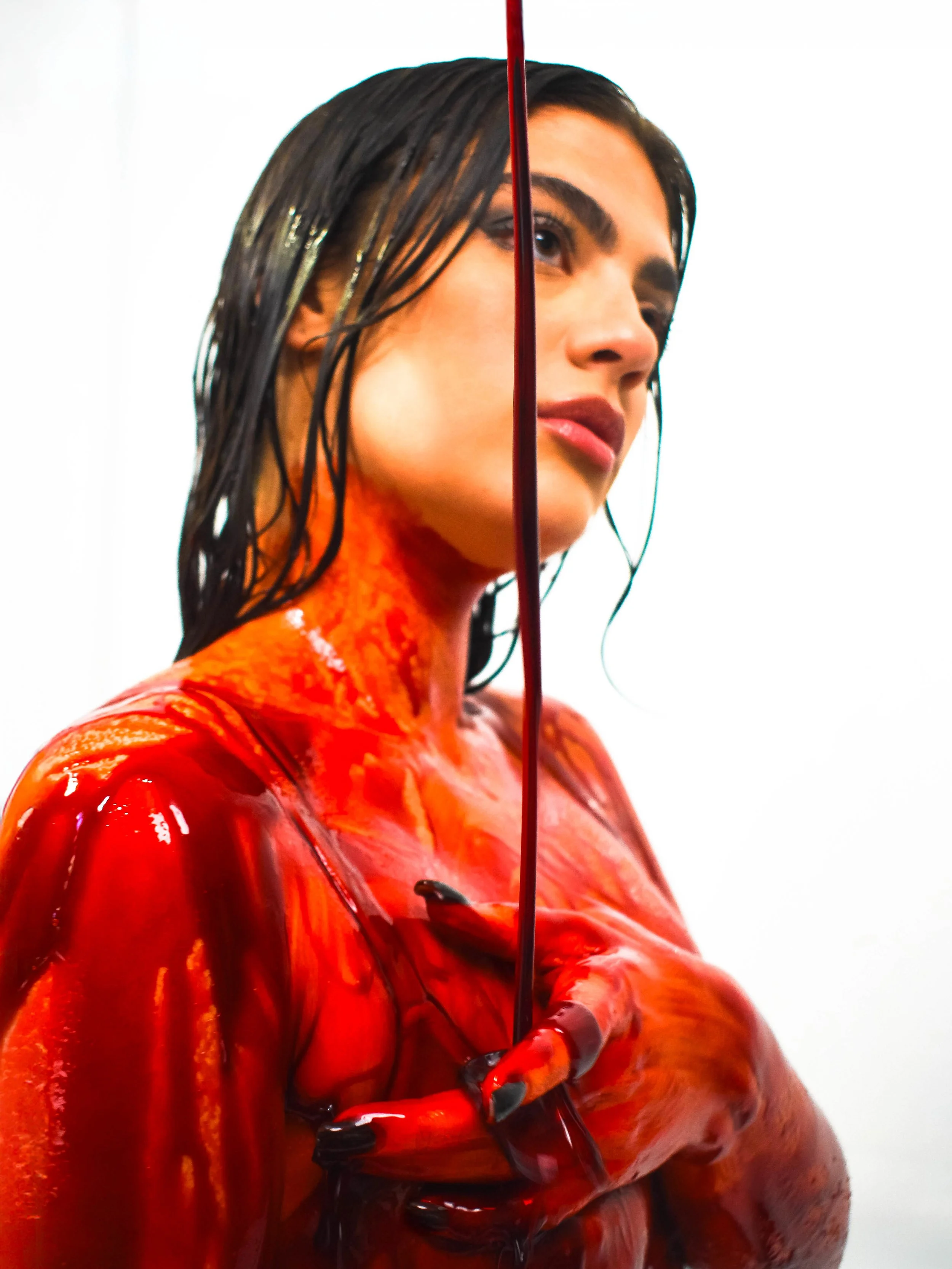
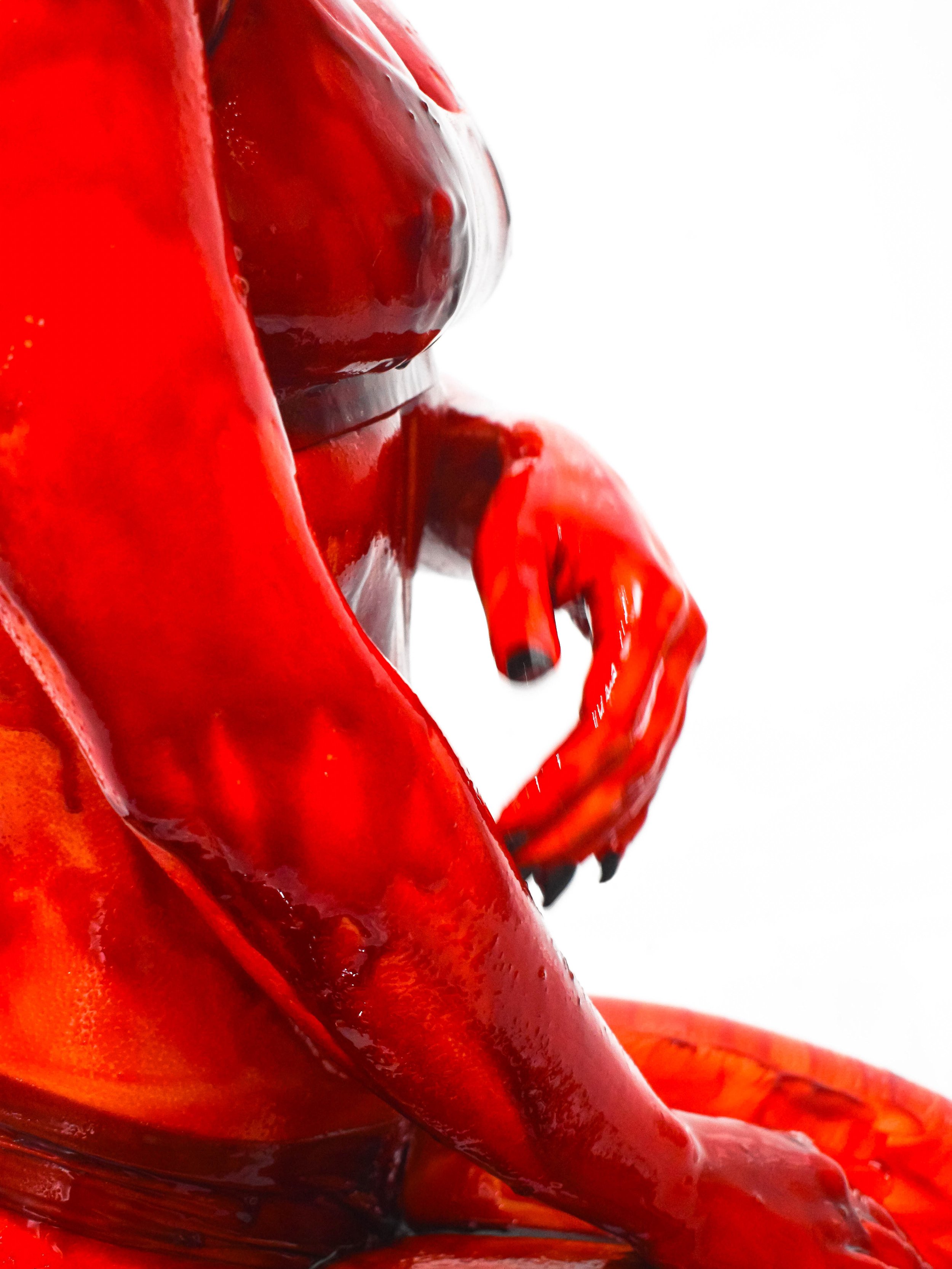
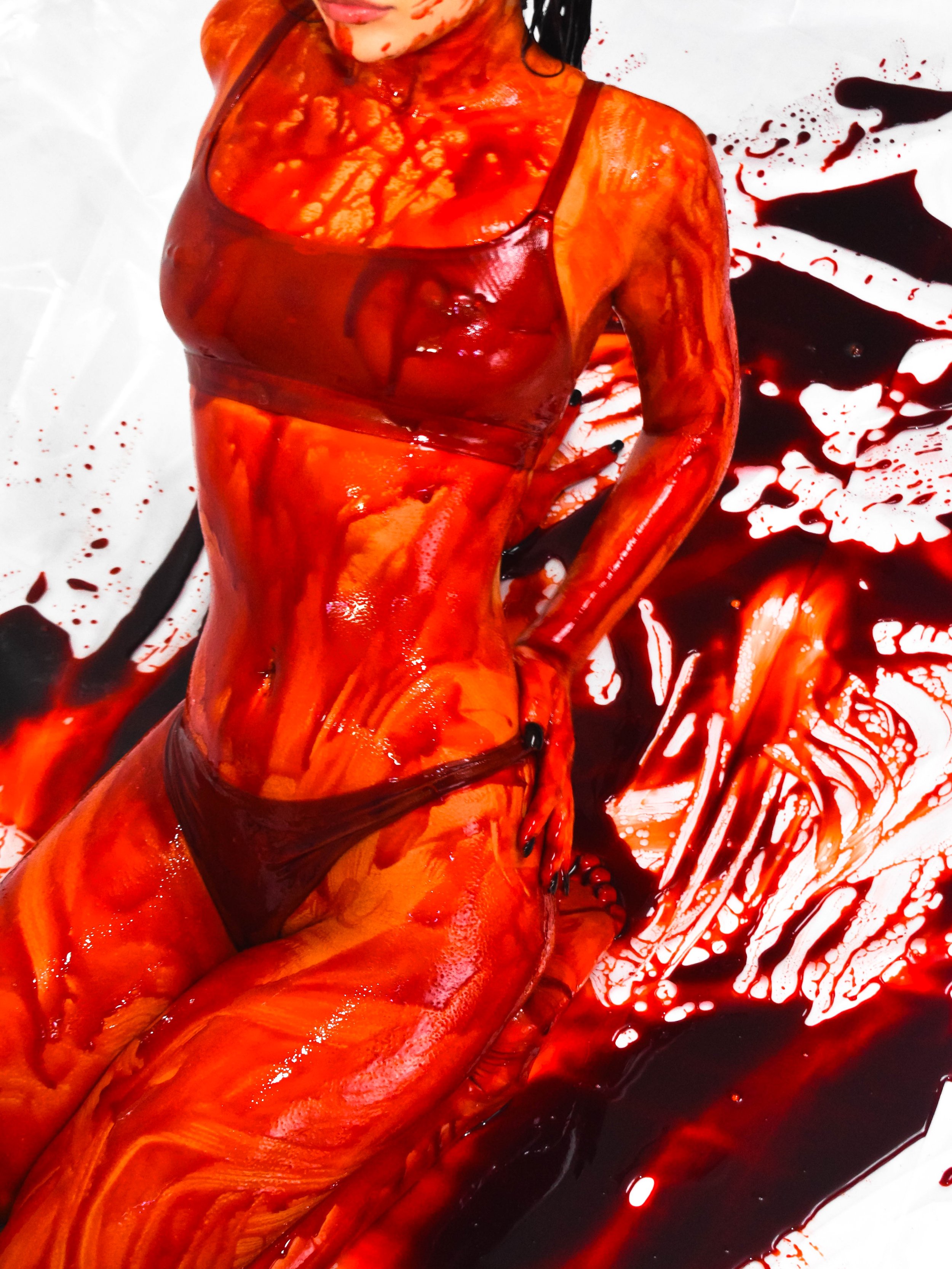
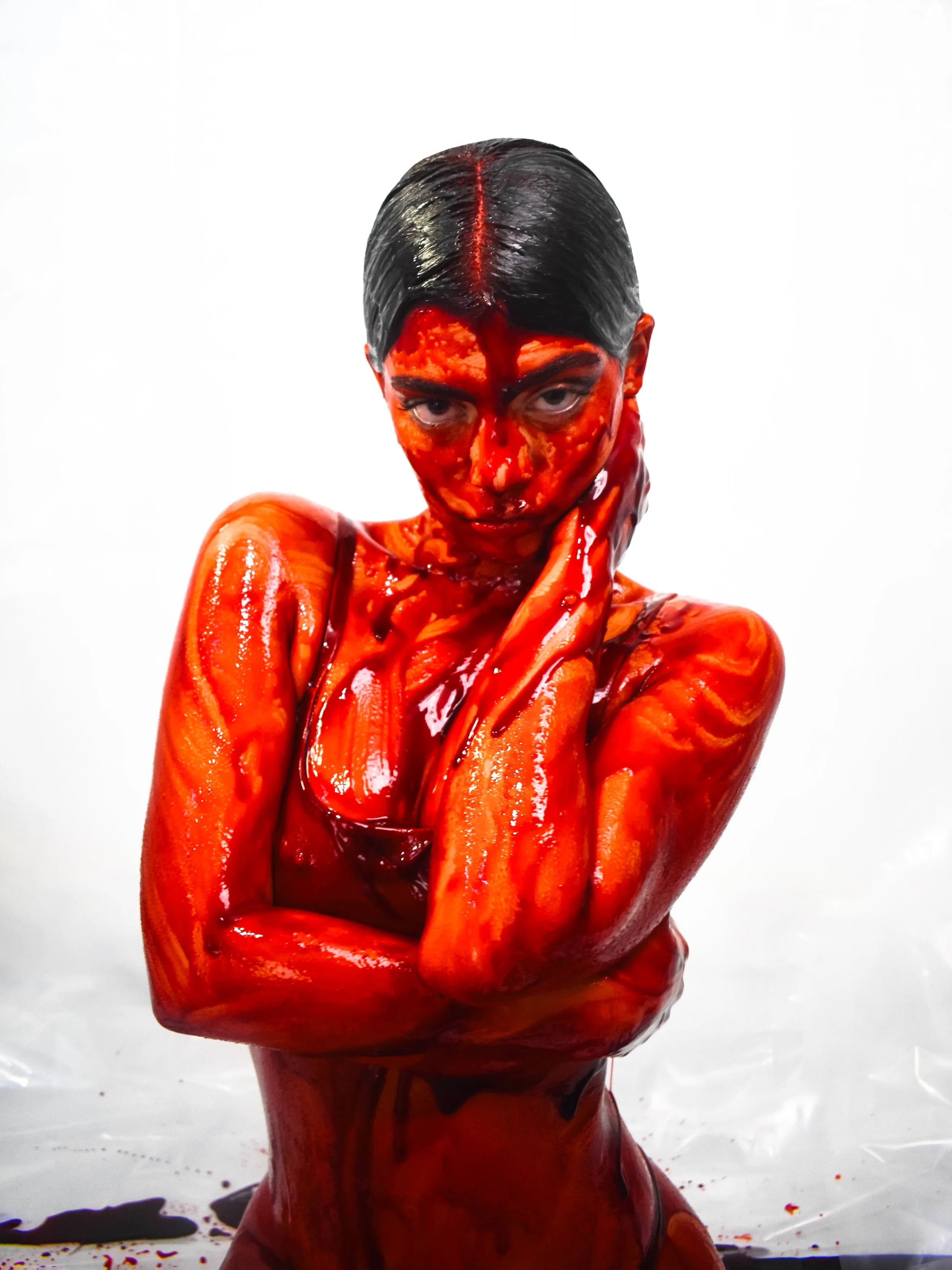
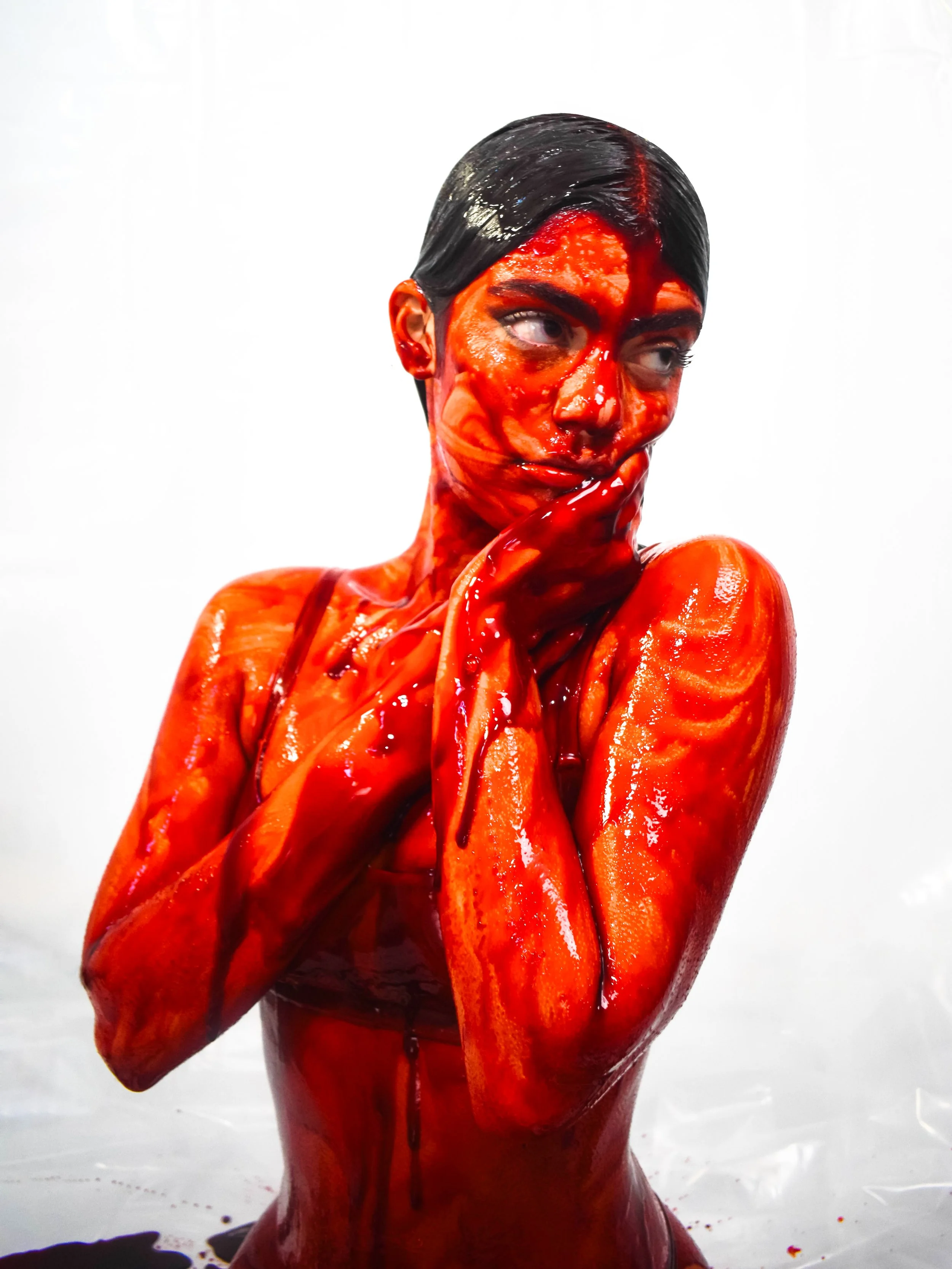
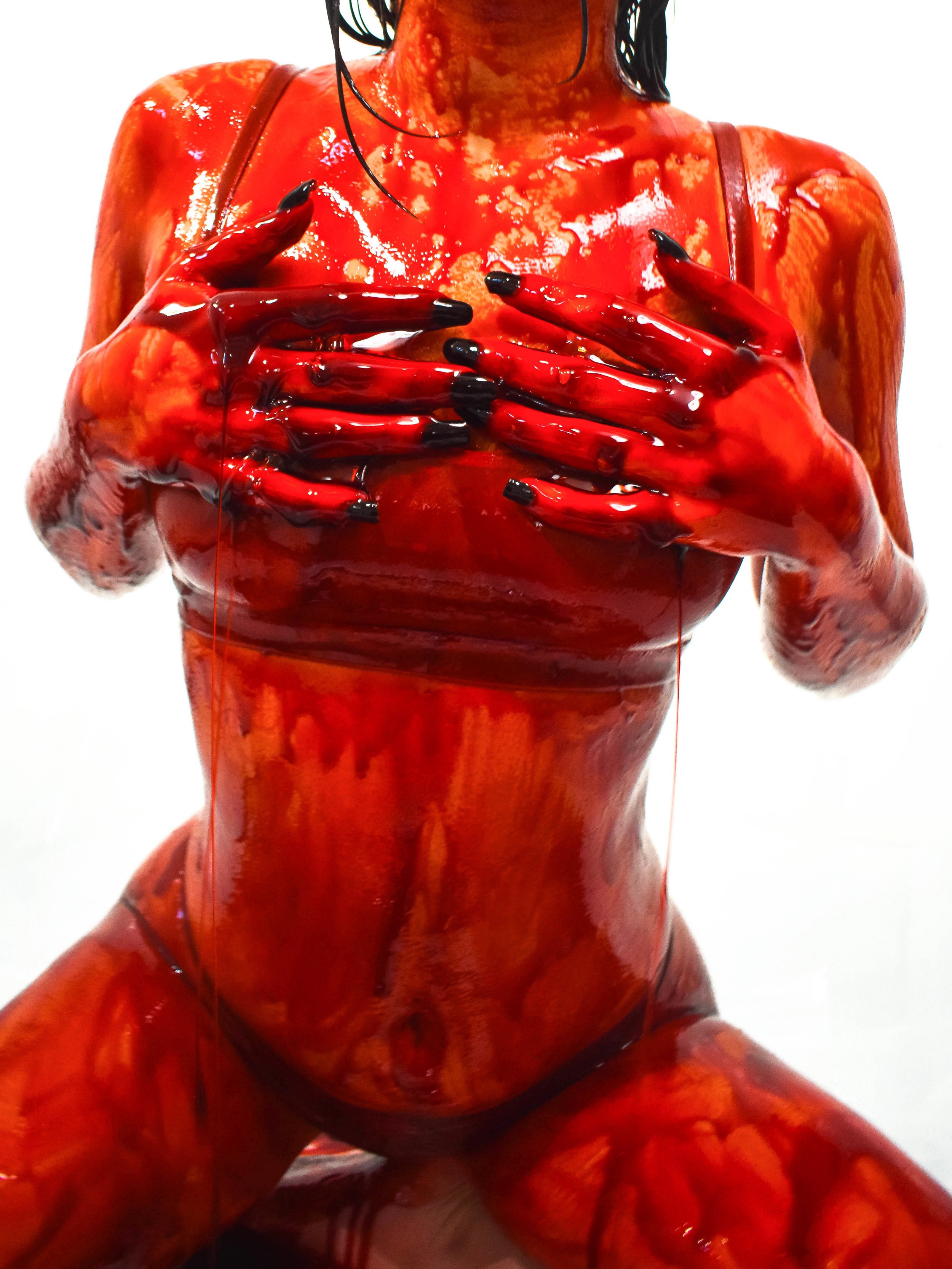
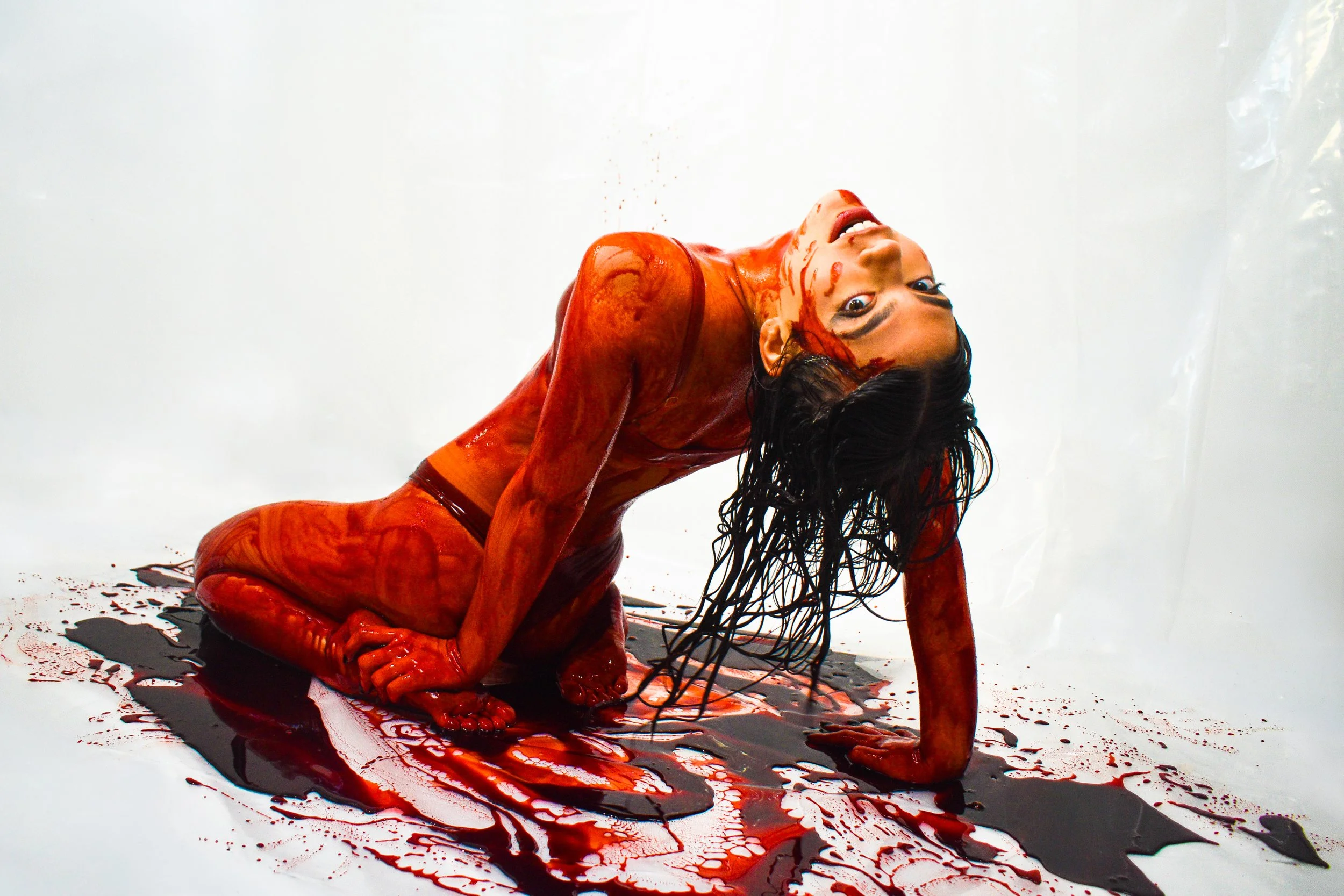
The cover look for this issue is shot in my home studio. Two gallons of special effects blood and fifty feet of plastic sheeting are in play. At Federer’s request, Hall and Oates’ “Maneater” blares on loop. “When the blood first touched my skin, it felt really cold,” Federer says. “But I embraced it and started posing with minimal direction from you. Something that I love about the way you work is you allow your models the freedom to move as they please. You see modeling as an art form and the model as a living canvas. That approach allows for something more real.”
One of the poses that comes to mind is the one that ultimately became the cover: Federer, crawling in a pool of blood on all fours, her gaze fixed downward at the camera. She and the blood are one. She inhabits it. When the image appears in my viewfinder, I pause the shoot to show her. We know immediately; this is it. “If I had to use one word to describe the cover, it would have to be ‘iconic,’” Federer says. I have to agree.
In Catholicism, blood represents salvation through Jesus’s death on the cross. In the Torah, blood is synonymous with life itself. The idea of a “blood baptism” had lived in my mind long before I met Federer. I was just waiting for the right person to bring it to life. This shoot became a rebirth—not just for Federer, but for 21 Artistry. “When you told me the concept of being drenched in blood, I felt exhilarated,” Federer says. “It didn’t scare me. It awakened something. The blood represents the pain, the fight, and the sacrifices I’ve made to become this version of myself that I am so proud of. I was killing off the version of myself that begged for permission, the girl who tried to shrink herself to fit into expectations.”
After reviewing the images, Federer disappears upstairs to wash the blood away à la Amy Dunne in Gone Girl, a reference that lived on the mood board from the start. Fittingly, parts of the film were shot in the St. Louis area in a suburban home not unlike the one we’re in.
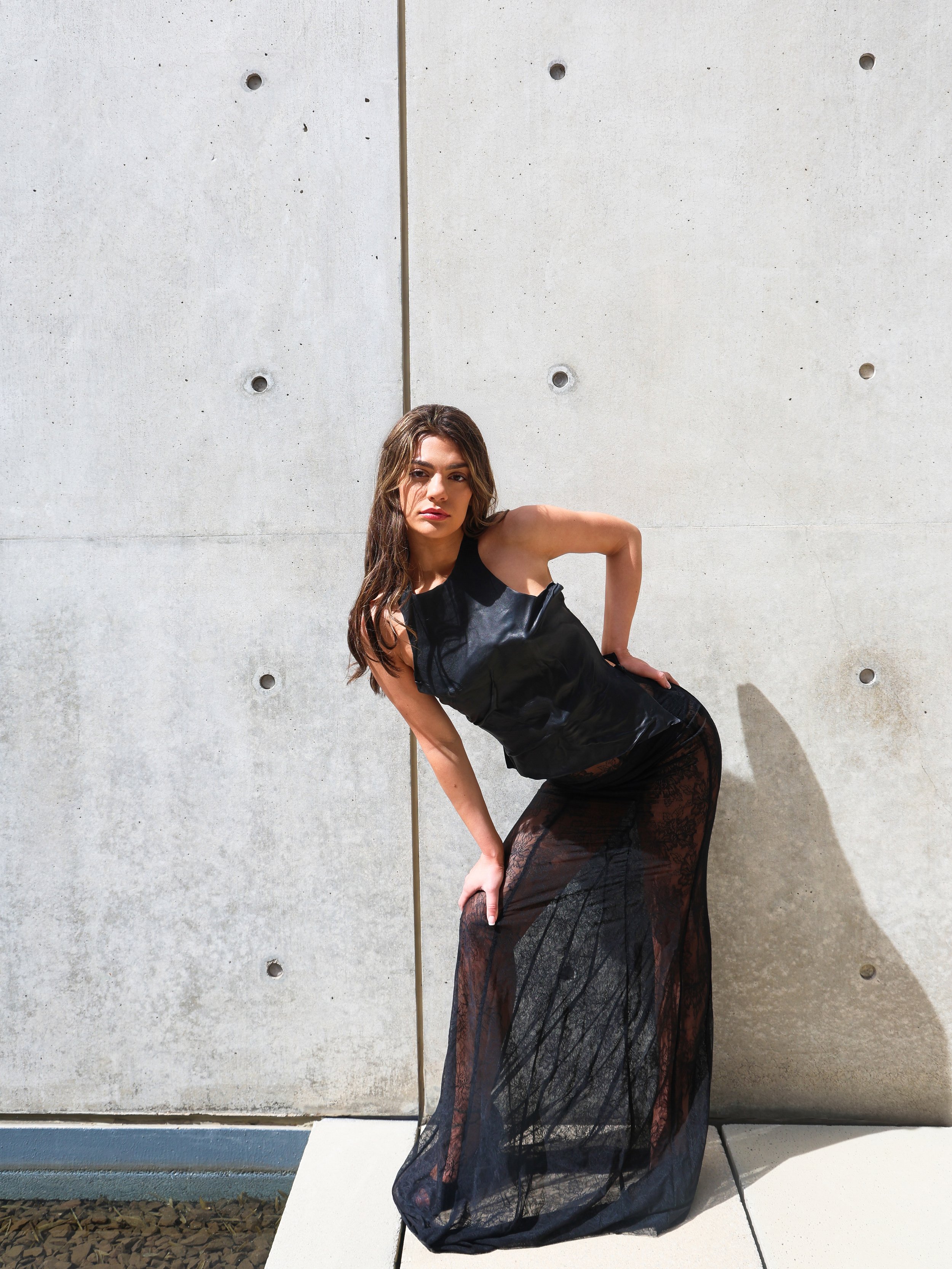
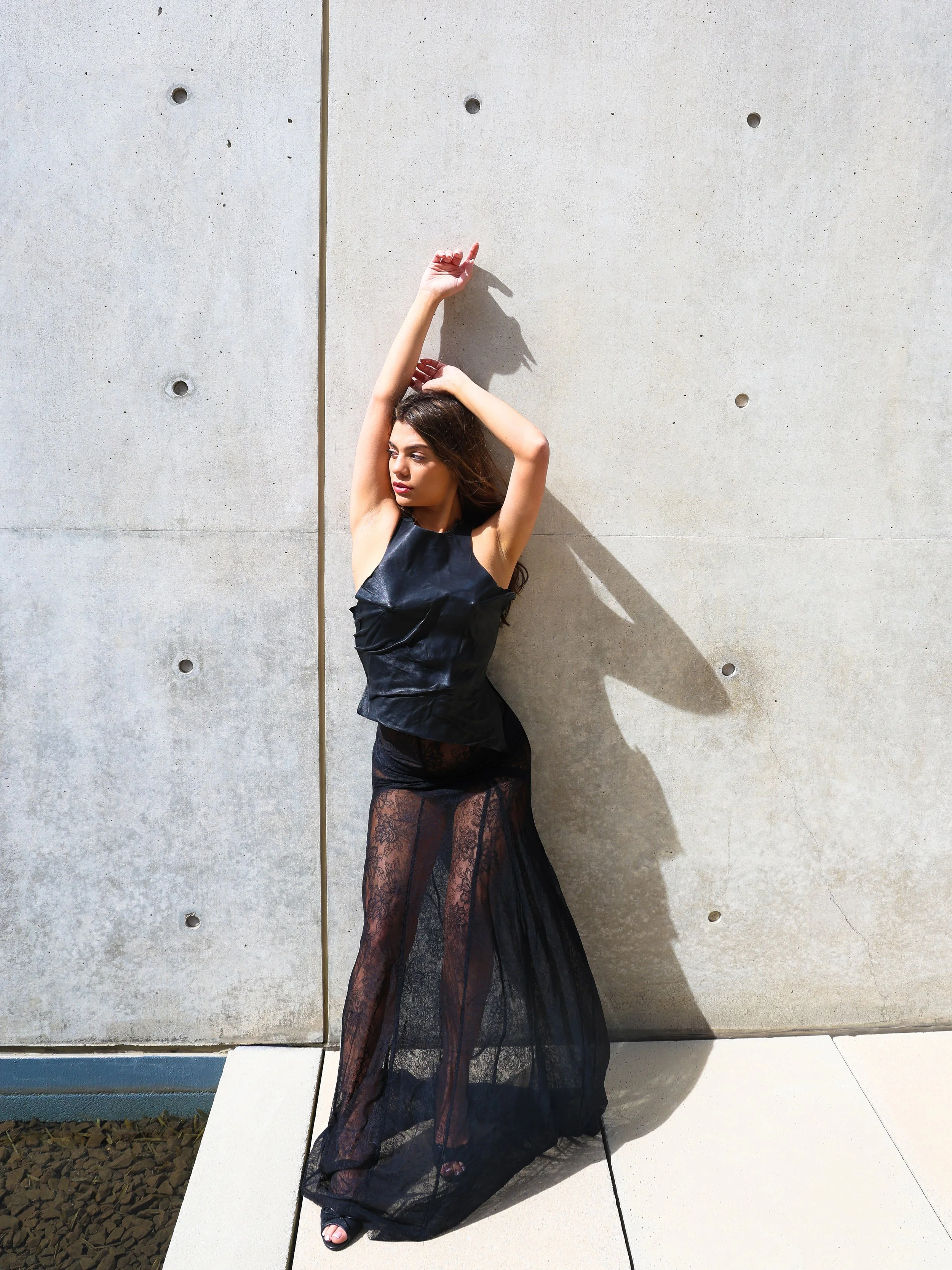
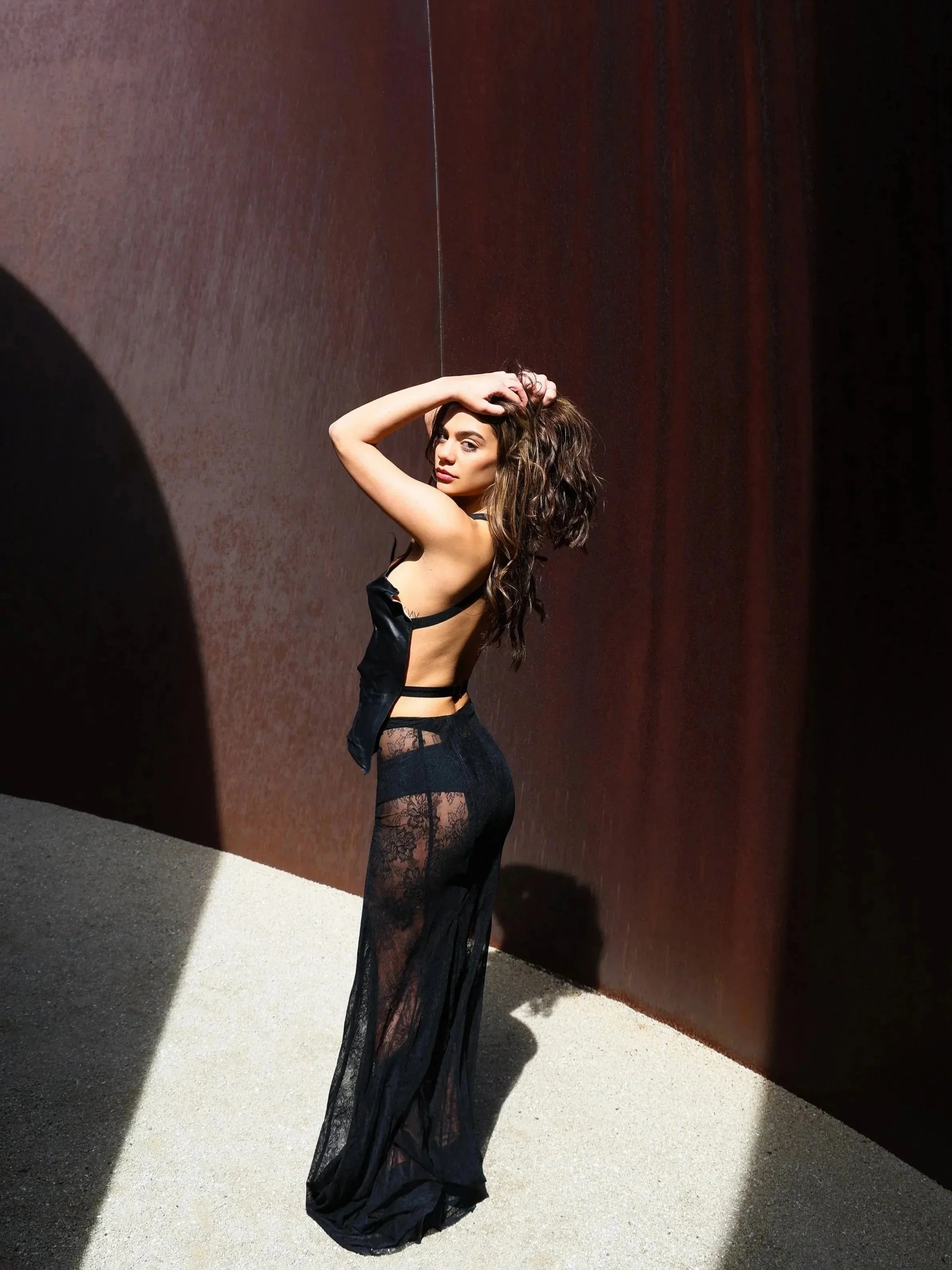
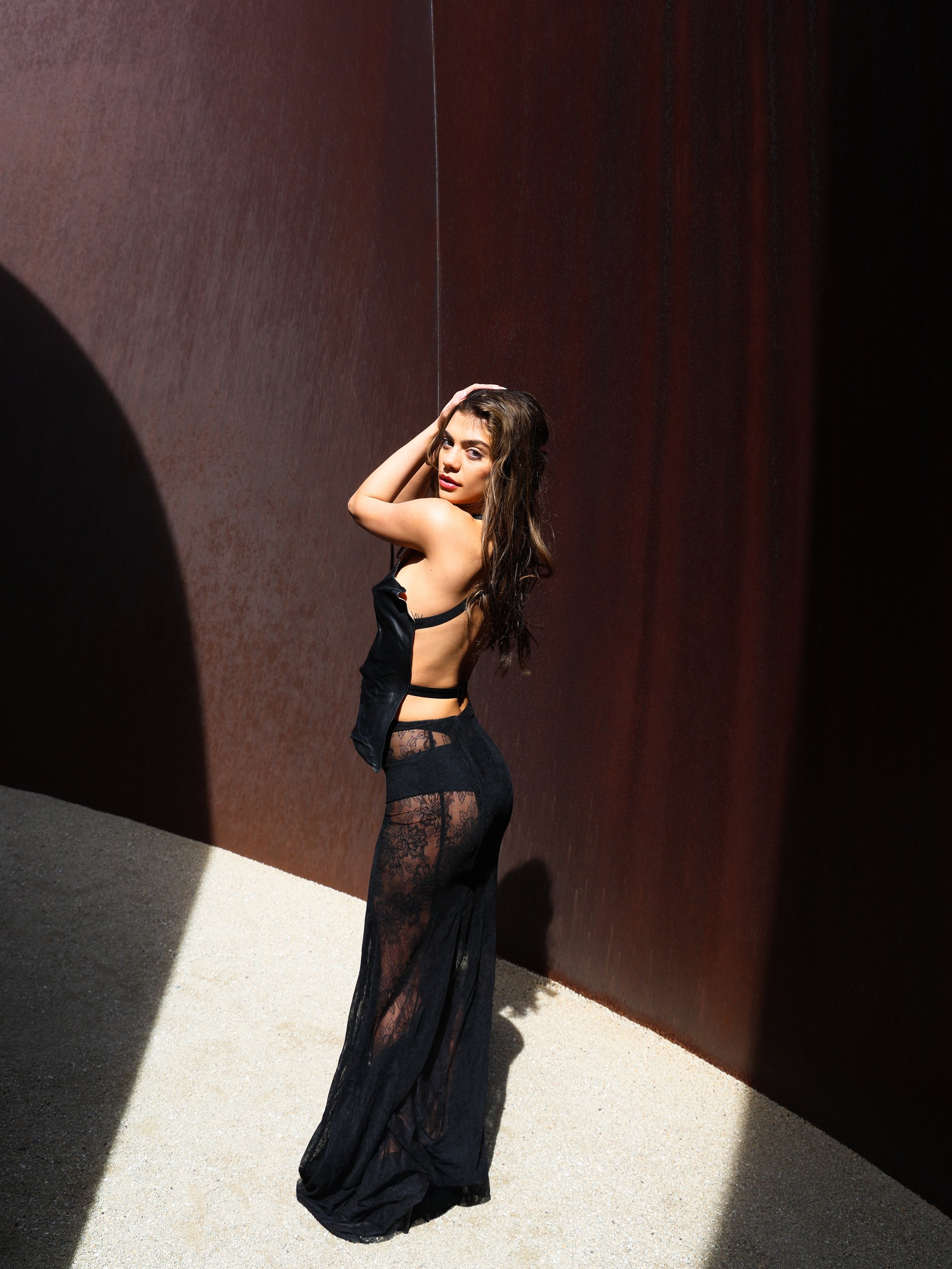
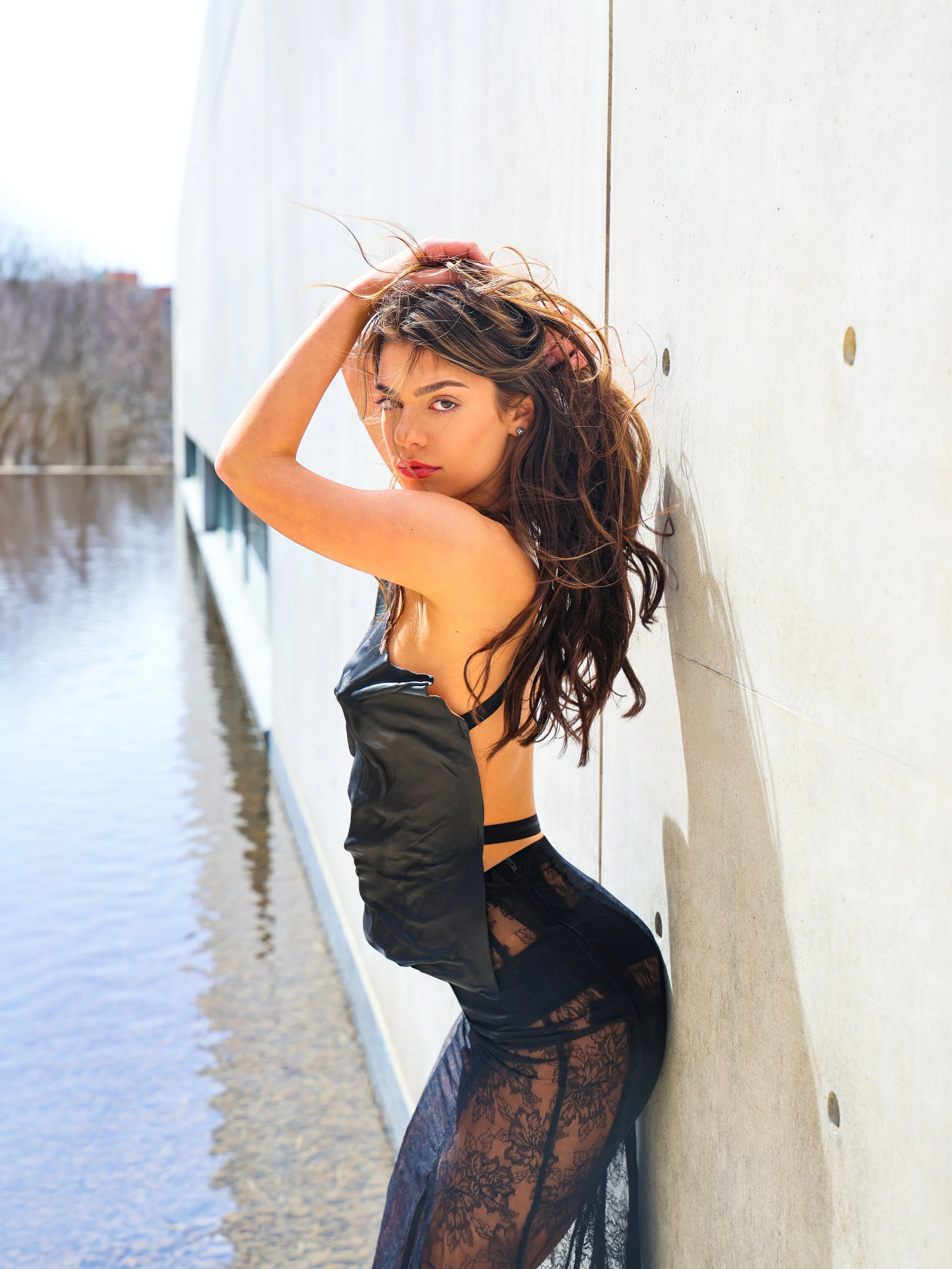
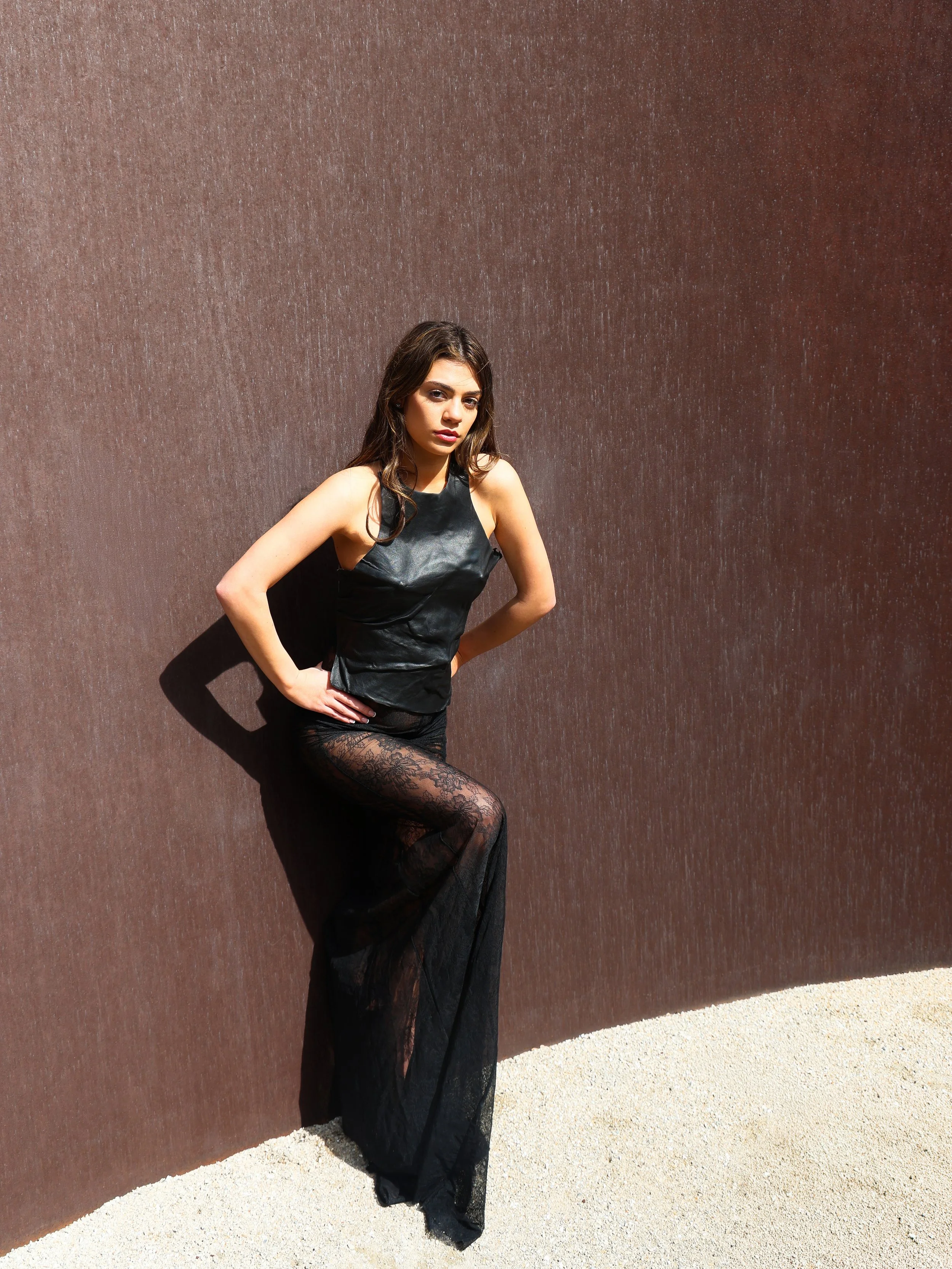
If I could bleed out anything, I’d bleed out shame. The feeling that I’m never enough. That weight doesn’t come with me anymore.
Federer changes into a Juicy Couture lime green track suit from the early 2000s I had given her. Afterwards, we drive to the nearest St. Louis Bread Co. to grab dinner before they close. Sitting across from me, she reflects on the day. “I felt both powerful and exposed. There’s something terrifying about showing that much of yourself, but also something unshakably strong. I remember thinking, ‘This is who I am. This is everything I’ve survived.’”
“If I could bleed out anything, I’d bleed out shame. The feeling that I’m never enough. That weight doesn’t come with me anymore.”
After we conclude and Federer begins her four-hour drive back to the University of Kansas, I am reminded just how multifaceted her life is. The pressure she puts on herself is constant. Whether it’s school, entrepreneurship, acting, modeling, or writing, she has an innate desire to be masterful at everything she does. I relate, because I feel that same pressure myself sometimes. “I often push myself so hard that I forget to rest,” she says. “I chase perfection knowing it could destroy me, but I keep chasing anyway. There are times I wonder if I’ve become too composed… too controlled to let myself break. Sometimes I feel like I’m acting out the ‘strong woman’ role so well, I forget I’m allowed to not be okay.”
This experience gives Federer and me a blood bond. I see her fully, and she sees me fully. That kind of understanding is rare. “Being seen means being understood without having to explain myself,” she says.
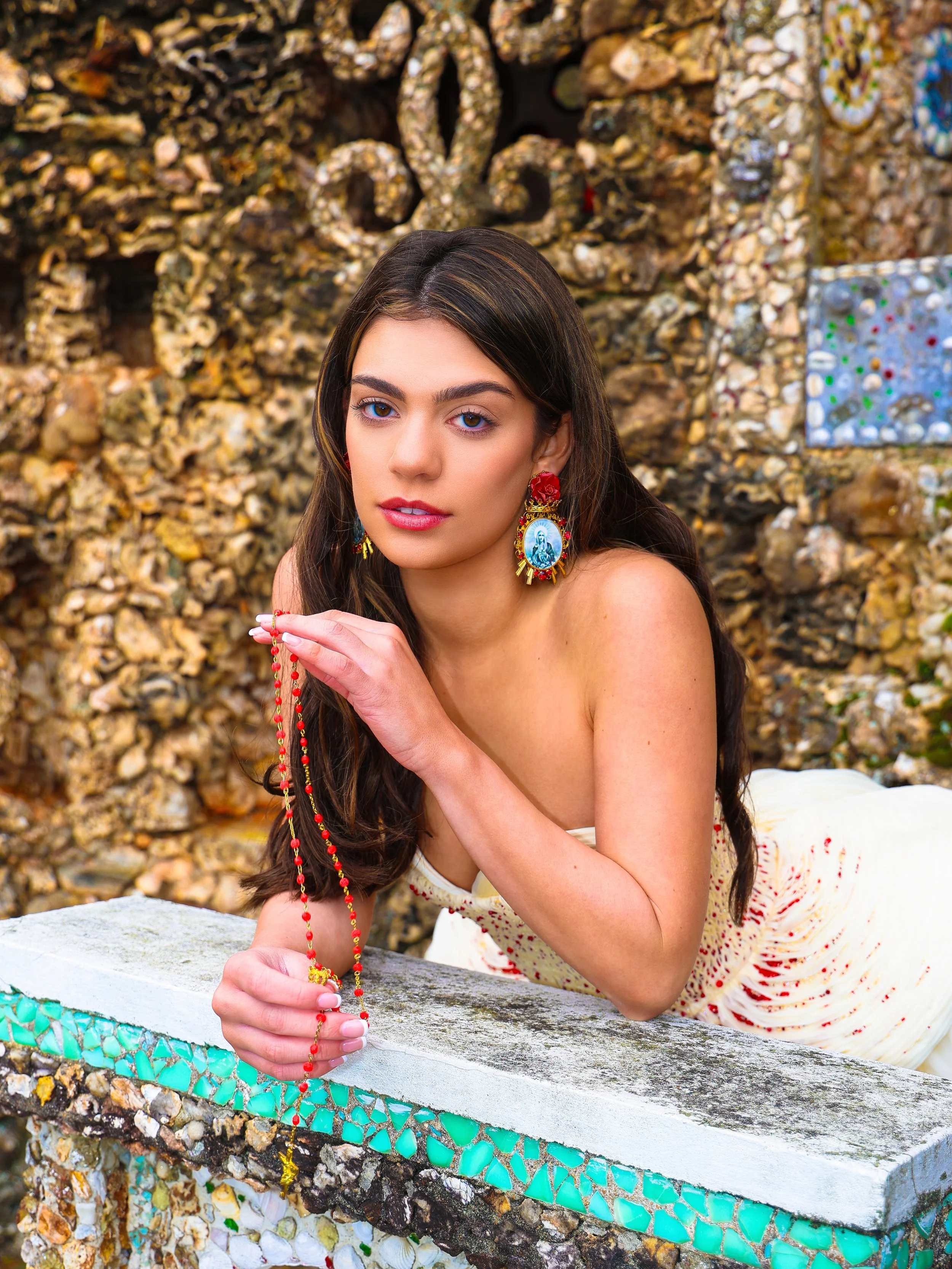
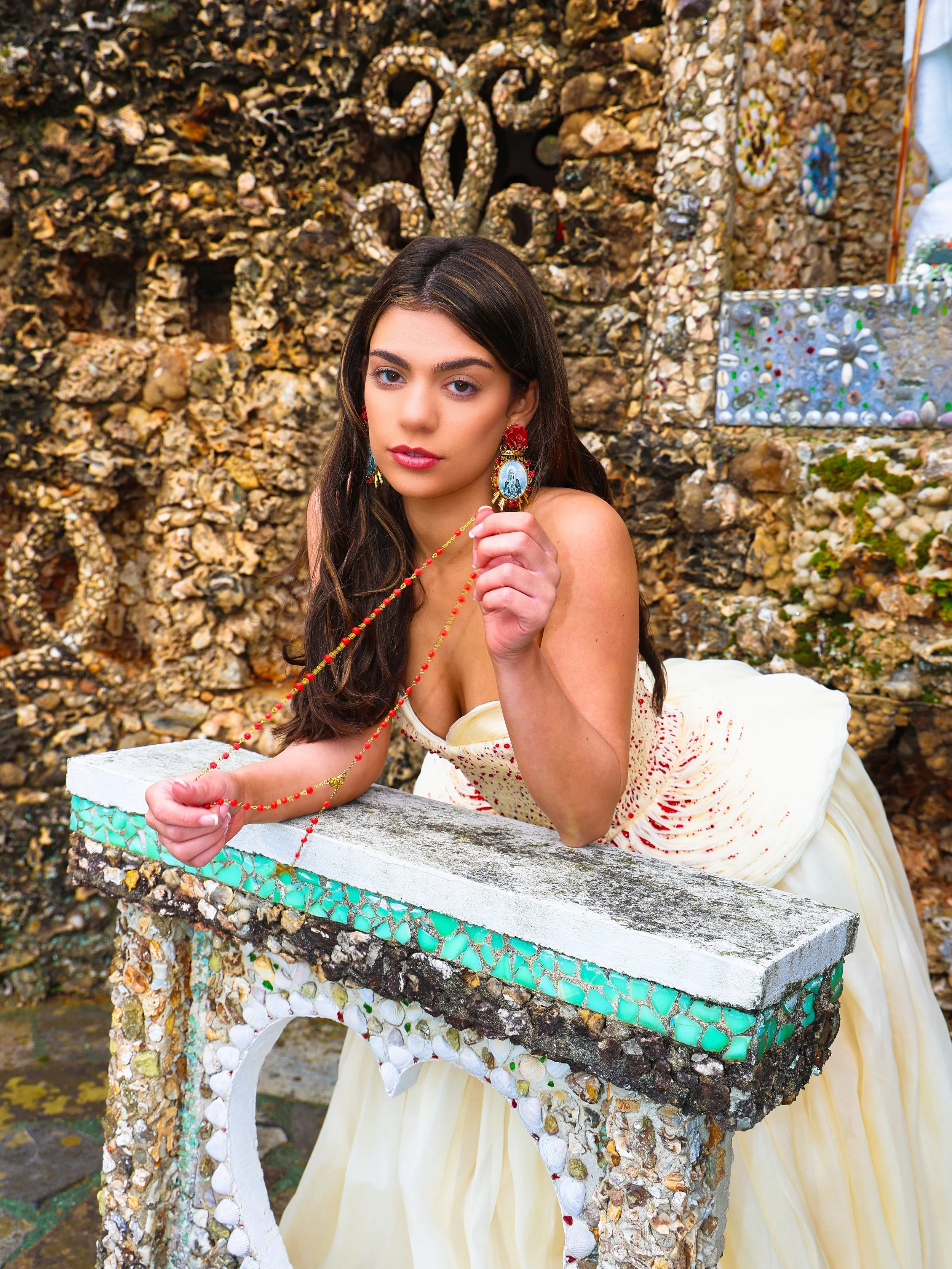
Underneath the blood, I’m just me: a soul that’s been bruised yet burns brighter because of it.
“The image people see—businesswoman, model, confident, smart—is curated. It’s a fantasy. There’s a softness, a vulnerability, that most don’t get to witness. I’m protective of my heart, because when I love, I love deeply, and not everyone deserves to hold that kind of power. Underneath the blood, I’m just me: a soul that’s been bruised yet burns brighter because of it.”
Deeply rooted in culture, history, and religion, blood is at the core of our existence. While blood sustains life, it is also the mark of death. That level of intensity is mirrored on Federer’s journey as a young woman chasing so many dreams simultaneously. Blood is duality; so is her journey.
Dark fantasy lives in that contradiction: the beauty under cracking marble, the elegance in decay. It is the act of transforming pain into something powerful. For Federer, dark fantasy isn’t a choice. It is her life, her calling, and her becoming. “My dark fantasy is proving the people I love right. The people who saw my strength before I did. The friends and family who believe in me. It’s living up to the high expectations they’ve set for me.”
“To me, the blood symbolizes rebirth. I’m shedding my old self and growing into the woman I was destined to be.” •
Editorial
Photography: Philip Hiblovic
Creative Direction: Philip Hiblovic & Sarah Federer
Styling: Philip Hiblovic & Sarah Federer
Hair: Philip Hiblovic & Sarah Federer
Makeup: Philip Hiblovic & Sarah Federer
Set Design: Philip Hiblovic & Sarah Federer
Production
Editor-in-Chief: Philip Hiblovic
Executive Producer: Philip Hiblovic
Story: Philip Hiblovic
Interview: Philip Hiblovic
Layout: Philip Hiblovic
Publisher: Philip Hiblovic
Fashion
1 │ Phlash Studio
SKIMS bralette & panty
2 │ Don Robinson State Park
House of CB dress
3 │ Saint Louis University
Fiorucci dress; Iris Van Herpen x United Nude boots
4 │ Pulitzer Arts Foundation
Tyne Hall dress; Jimmy Choo pumps
5 │ Black Madonna Shrine
Maxine Roeder dress; Stuart Weitzman pumps; Dolce & Gabbana earrings