Eternal Return
The Meaning of the Passage of Time
“Mačka, you have such big eyes—so beautiful to see the world. How did I get so lucky?”
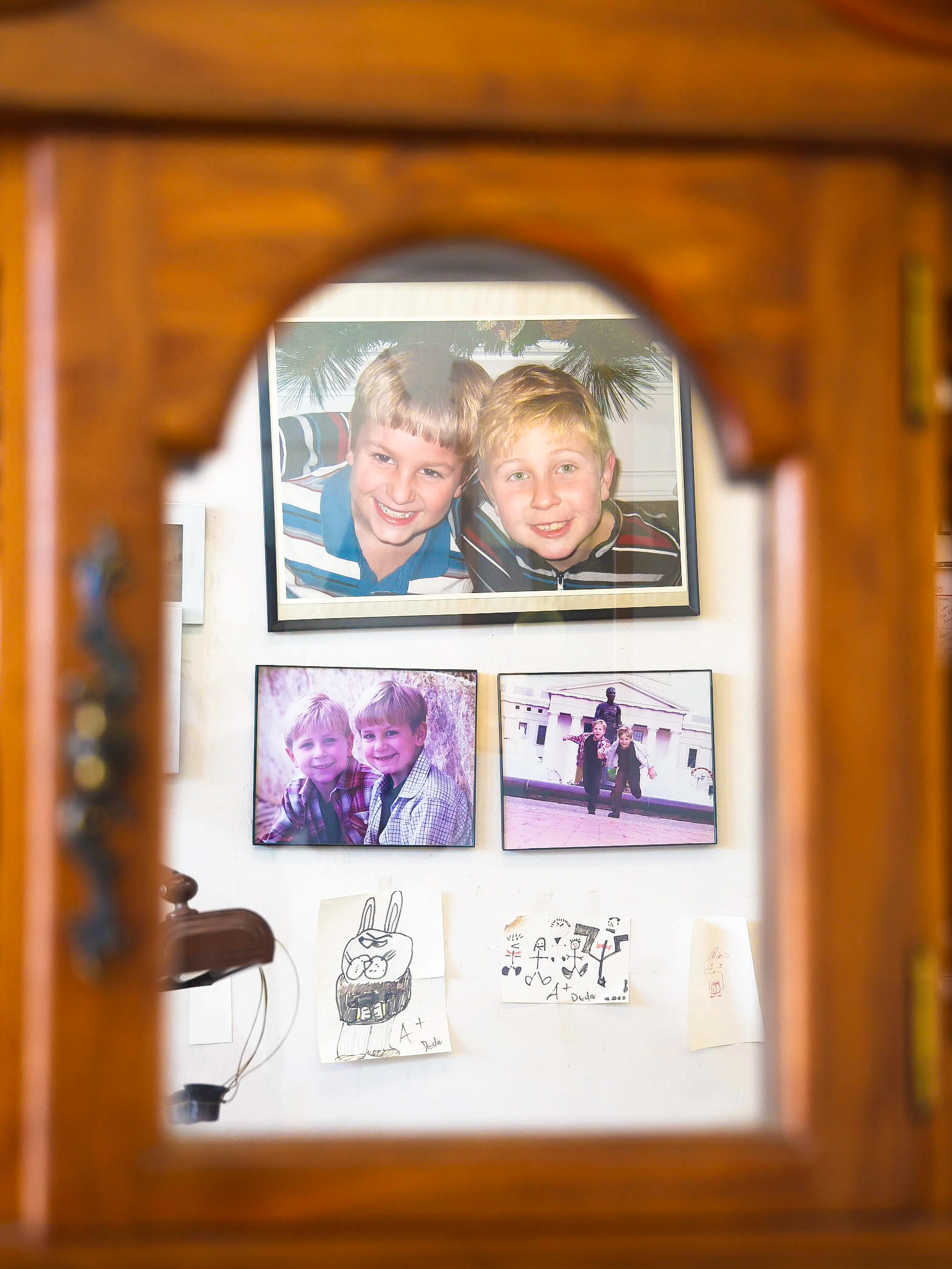
“Baba, look what I drew. It’s you, Deda, Tata, Mom, Michael. The whole family.”
“You’re so gifted. I know I’m never going to have to worry about you. When you grow up, you’re going to change the world.”
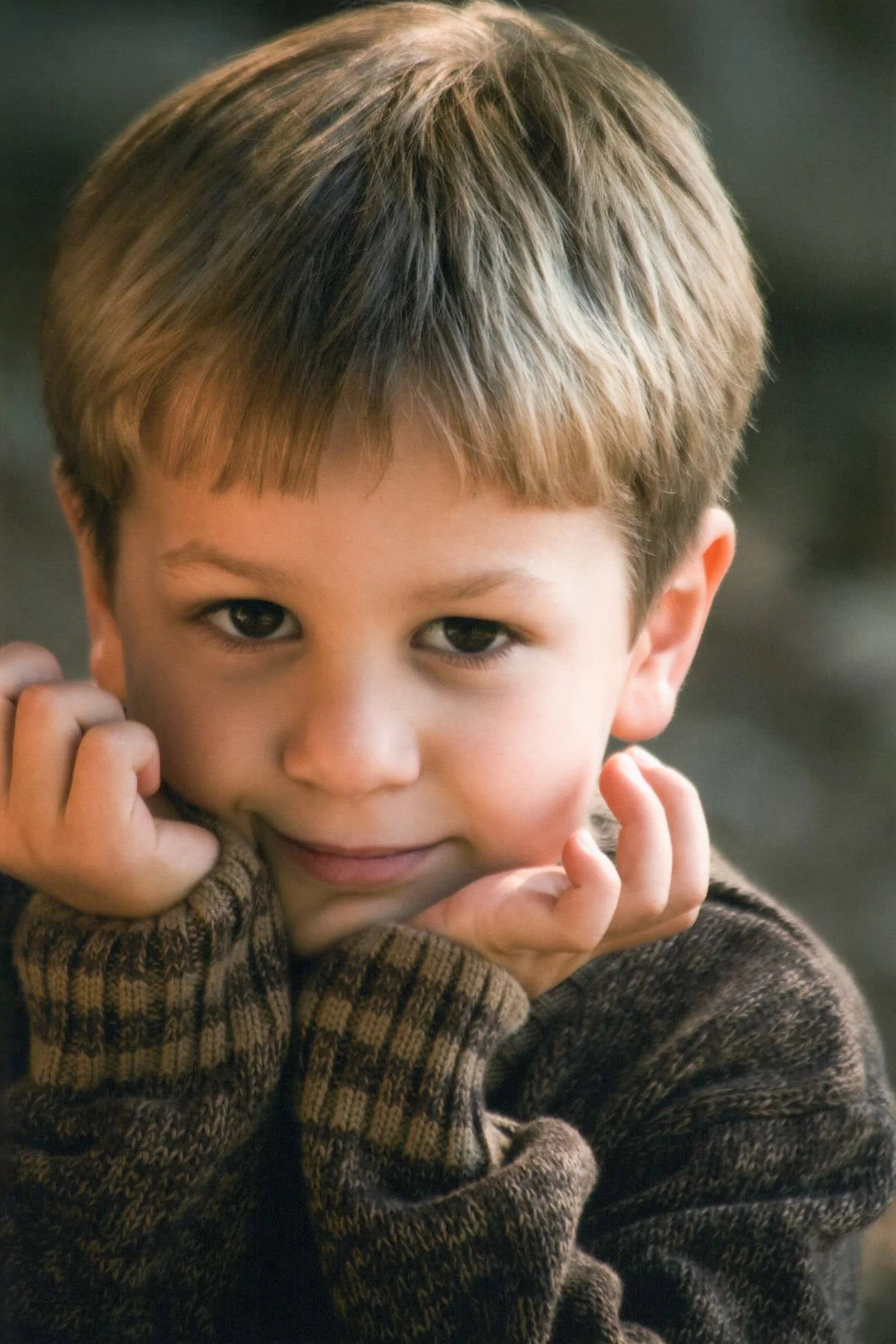
Sitting at a child-size wooden table that my grandfather, “Deda,” built for me, fashioned with a drawer just for my art, I look up and smile. Before I can put my latest piece in the drawer, my Baba takes my drawing and hangs it on the fridge. She got me a magnet earlier that year for my fourth birthday. The magnet was a clay bear, my favorite animal at the time, holding a sign that read, “Look what Philip made.”
I wish I could say I was particularly delighted by that gift, but at the time, I wasn’t. My family always cared about what I made. They cared about me and anything I would do. My father called me his angel. My mother called me her monkey. My grandparents saw me as their sole purpose in life. My great-grandparents were proud of me just for existing. My family made me feel special for my art, but I didn’t think I was particularly special. My whole family was creative. I didn’t know anything else.
My family always made me feel special for my art, but I didn’t think I was special. My whole family was creative. I didn’t know anything else.
It all started when I was born. One minute after my brother, I was cut out of my mother’s stomach. We were fraternal twins, similar but contrasting. He has green eyes, blonde hair, and porcelain skin like my mother, and I have brown eyes, brown hair, and olive skin like my father. We never looked like brothers. “Maybe we aren’t,” we often joked. We were the product of four years of failed in vitro fertilization attempts, including two devastating miscarriages. All my parents wanted was one successful pregnancy, and there were two. My mother always wanted us to know how much she fought for us to be.
Even though we were the same age, I always looked up to my brother; I still do. I always felt like I needed his strength; I still do. With the support and guidance of our mother, we were in front of the camera from age two. At first, I hid behind him in every picture, sucking my right middle and index fingers like a pacifier. My lips often bled from chewing off the top layer of skin. It took me years to grow out of my neurotic tendencies, but when I finally did, I became the weirdest and wildest little boy you have ever seen—weird and wild in a good way.
I loved being in front of the camera. I would laugh hysterically and make goofy faces until it was time to smile or serve. I would run around and do cartwheels and somersaults in the grass or do handstands on the floor of the studio. I would climb every tree, no matter how tall or what clothes I was wearing (hence my mother’s “monkey” nickname). I would tell jokes to make the photographers and my mother laugh. Modeling is one of my earliest memories of feeling free.
My great-grandfather Karlo Tanko relocated my family to the United States from Belgrade, Serbia, in 1970. This included his wife, three children, and their families, among them his daughter, my grandmother Ilona, my grandfather Bogdan, and my father Alexander. He settled the family in St. Louis, Missouri, where a lot of Balkan immigrants were moving at the time.
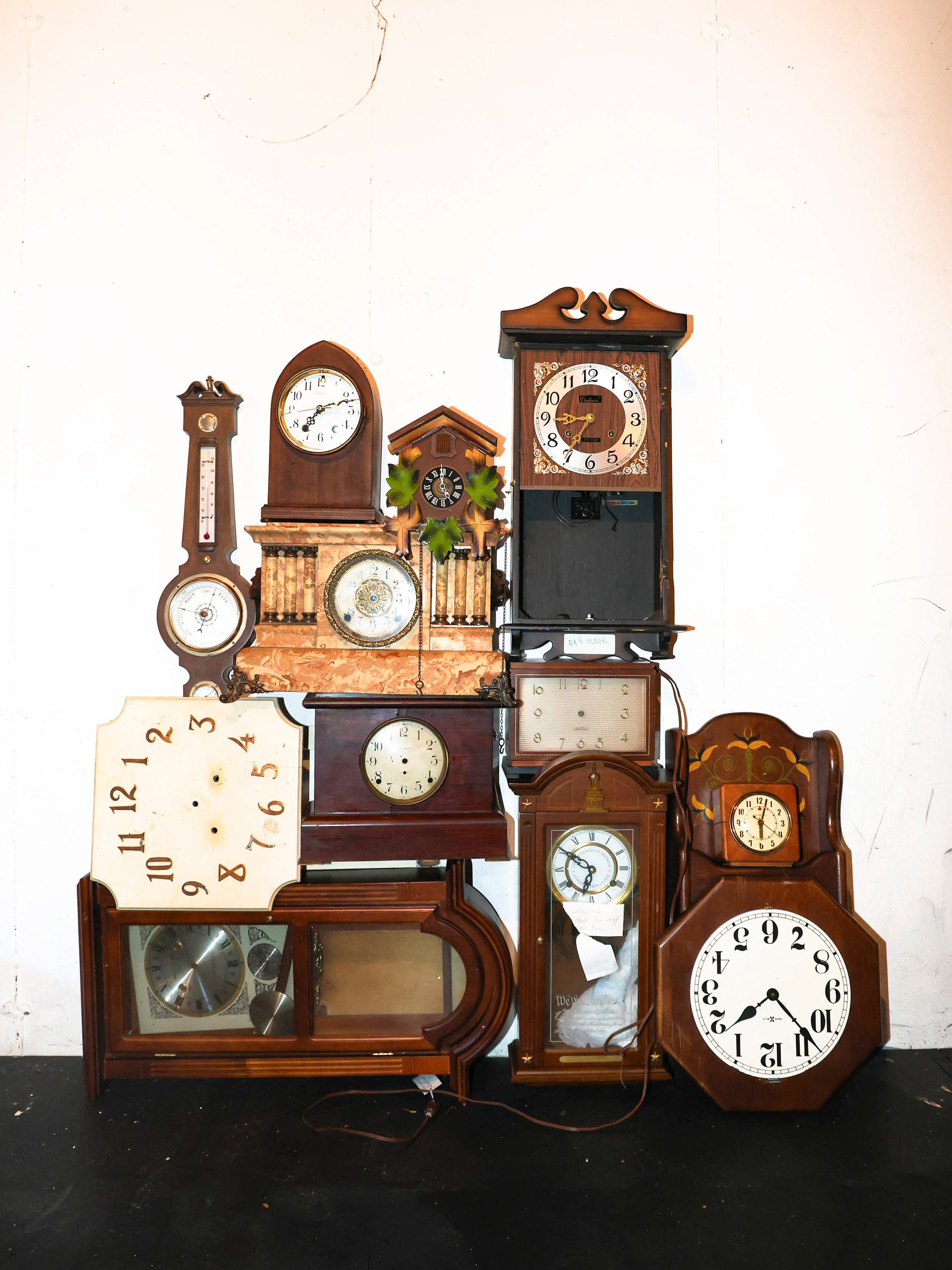
No stranger to being a nomad, Tanko was kicked out of his home at age 11 and began serving as an apprentice for a master clockmaker in Hungary. As the 11th of 13 children, he simply had no room in the family home, a countryside Croatian vineyard where the women and children of the family labored day and night. The family vineyard was cursed by spells of alcoholism, depression, suicide, and maternal mortality. This wasn’t abnormal for the time and place. It was the price of survival. Although he didn’t know it at the time, being dispelled made my great-grandfather one of the lucky ones.
His survival instincts never escaped him, and neither did the family curses. They followed him all the way to Pančevo, the small village in Serbia where he opened his first clockmaking shop and built his family. Tanko lived in the largest house in the village with his wife and three children, who all went on to have children of their own. First the Communist Party took his shop and his house from him. Then God took his grandson Philip from him. Philip was born at home with the umbilical cord wrapped around his neck. The midwife could only cry and comfort my great aunt, Zita, who would later become my godmother. When she heard my name for the first time, she cried. My mother had chosen it without knowing my father’s family history.
Without the help of modern medicine, I would’ve suffered a similar fate. My mother had long battled endometriosis and benefited from a C-section and an epidural. My godmother thought I was a miracle. “Philip”—she loved the sound of it.
Philip’s father was named Alexander, and my father was also named Alexander. His father was both my godfather and my father’s godfather. I was baptized in Assumption Greek Orthodox Church in St. Louis, Missouri, alongside my brother. The church in Serbia where my entire family was baptized, including Philip, was also called Assumption. My mother and her sister were fraternal twins, and my brother and I were also fraternal twins. We were born on March 19, the same birthday as our grandfather, though we were initially slated to come two days later. “There’s no such thing as a coincidence. There’s only God revealing Himself to you,” my father always said to me.
As a result of Communist pressure, my great-grandfather moved his family first to Australia and then to America. Downtown St. Louis, Missouri, is where he would start his shop from nothing for the third and final time. He taught my grandmother the trade and encouraged her to start her own shop in 1970, giving her the knowledge, resources, and clients to thrive. Even as her foremost competitor, he never saw it that way. My great-grandfather would spend every night at his home workshop helping my grandmother work on her clients’ clocks. In the backyard, my father would play with the family dog, Toby, and then fall asleep watching The Tonight Show Starring Johnny Carson. My great-grandmother would eventually put a blanket over him when he fell asleep.
My great-grandfather raised not one but two female immigrant entrepreneurs. My grandmother Ilona, “Baba,” opened Helen’s Clock Company in 1970. She chose Helen, the English form of the Hungarian Ilona, to be more palatable to her American customers. From the time she opened her self-described “hole in the wall” in St. Louis County, she was a “problem” for her landlord, demanding the ugly carpet be ripped out the day she moved in. “This is a workshop. How am I supposed to see tiny parts when they fall on the floor?” she asked. He winced at her commands such as this one, but always gave in.
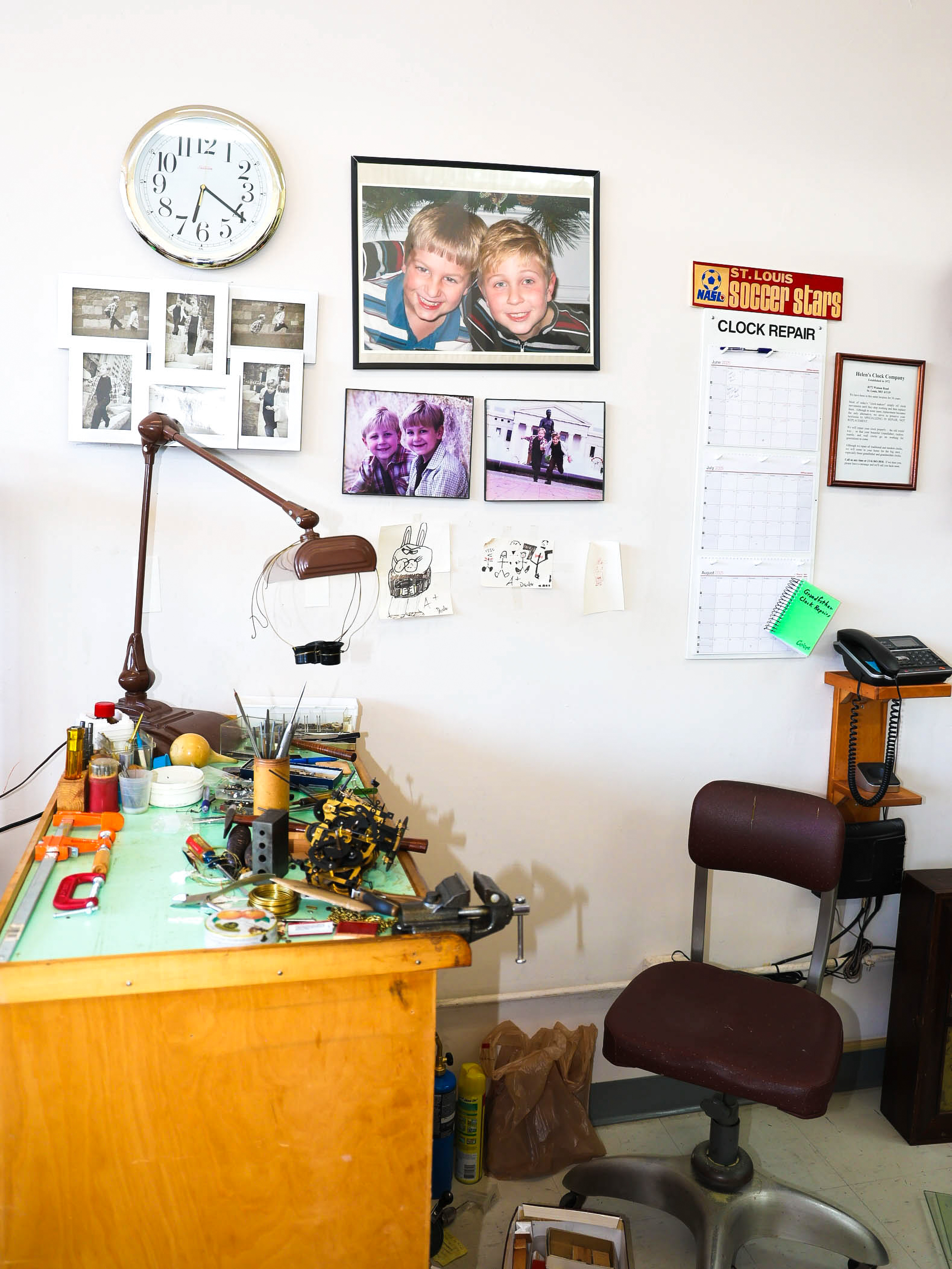
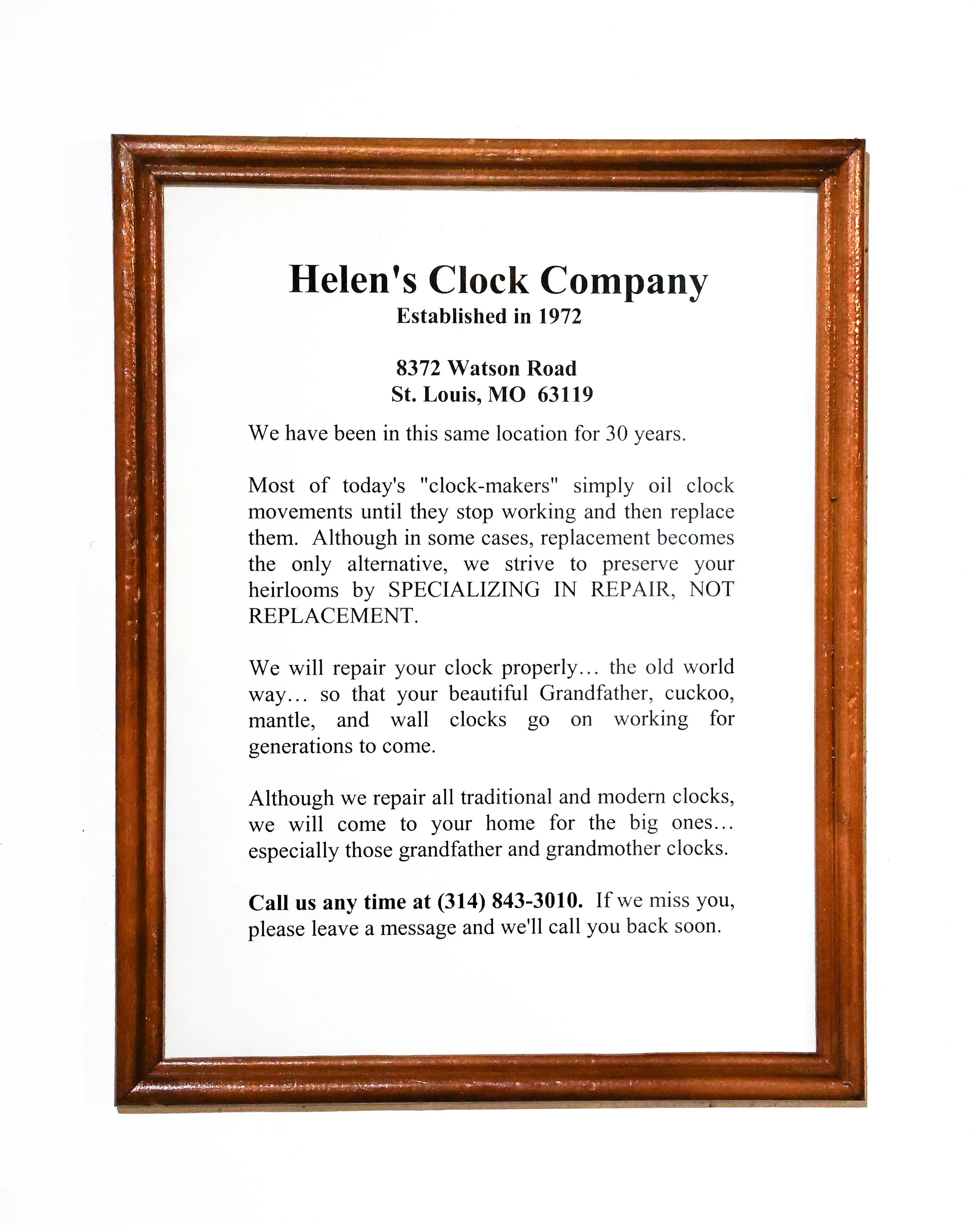
Early on, her landlord warned her of her inevitable failure. “People in this town don’t do business with women, let alone women who can’t speak proper English. Helen, please consider what you’re doing. I’m just trying to help,” he said.
“I know what I’m doing, sir. My work speaks for itself,” she replied.
Years later, he would come in with a clock of his own. “Helen, business is booming. I underestimated you. Is it possible for you to fix this clock? We haven’t been able to find anyone else in town. It’s an antique.”
“Of course. Thank you for your business,” she said politely.
“Business is business,” she told me over fifty years later when recounting the story, her memory as clear as the glass in her shop’s display case.
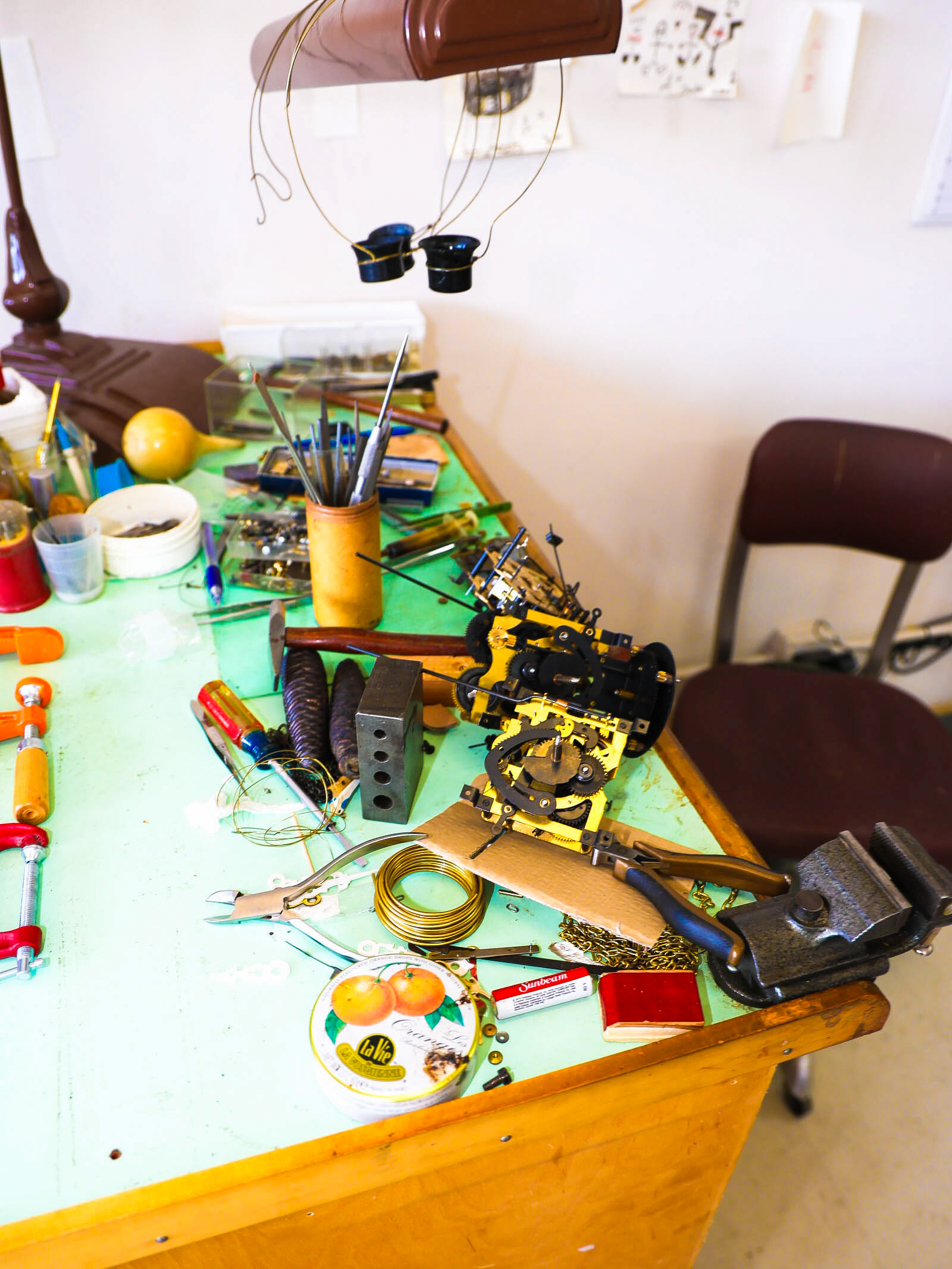
My grandmother ran Helen’s Clock Company single-handedly to great success until my brother and I were born in 2003. It was then, in true Eastern European form, that she transitioned into the role of full-time grandmother. My grandfather began helping her run the shop part-time. He too had learned the trade from my great-grandfather and his wife. My brother and I spent many days at Helen’s after school, occupied with making art. My favorite thing to do was open all the drawers and play with the parts and tools. I loved the hand-painted figurines that adorned giant cuckoo clocks. He would let me put whatever I wanted in my pockets and take it home, with no regard for whether they needed it. “Everything here is yours,” he would say. My childhood bedroom became littered with the evidence that my father didn’t dare vacuum. I often wore a jeweler’s eye hanging off the workbench lamp, sometimes multiple at once, and pretended to be “just like Baba and Deda.”
The shop’s lease agreement was signed before modern-day regulations, so it never had a bathroom. My brother and I would chase each other to the banquet hall next door with our grandfather to use the bathroom there. We urinated in a plastic hospital cup if that wasn’t open. As kids, we found it amusing. As an adult, I think only about the sacrifices my grandmother made, sitting there alone for decades without being able to go to the bathroom and never getting more than a few hours of sleep each night.
My grandmother’s sister and her husband opened their production company Visiontracks in the year 2000 in Fenton, Missouri. In 2004, a year after my brother and I were born, my father finally agreed to take on the role of their vice president following their many pleas. “Saša, we didn’t go to college. We need someone who knows business. You’re family,” they told him. This job would give him the opportunity to be part of the family business and have the flexibility to spend more time with my brother and me. My brother and I adored visiting Visiontracks for the same reason we did Helen’s. We ran up and down the hallways, greeted every person we could find, climbed the ladders in the sound stage, strummed the guitars in the recording studio, and studied the walls adorned with countless trophies, plaques, and photographs.


Our young minds couldn’t grasp what our godparents did until the day we got to meet hometown hero Nelly in 2010. “Just A Dream” was inescapable at this time, but we preferred the deep cuts on Country Grammar and Nellyville our father turned on when our mother wasn’t in the car. He even bought us our own “Air Force Ones” after zero convincing. Seeing Nelly interact with my godparents and father like peers made my eyes widen with possibility. He was there filming a music video in the sound stage while I was in my father’s office drawing. “You don’t have to sign it,” my father said. “No, I insist. You guys have been so great,” Nelly said, handing him a copy of Brass Knuckles. We played that CD into the ground the entire following year.
My father never displayed the picture we took with Nelly. The olive-green walls of his office were covered in framed artwork of mine that I had made during my many visits. On his desk and side tables were countless pictures of my photoshoots. Only two displayed pieces weren’t mine: a watercolor painting my grandmother made for his childhood bedroom and an acrylic painting of the KSHE 95 pig, the mascot of the local rock radio station, that he made in high school. “My family creates our own art,” I remember thinking.
From Kindergarten to eighth grade, I attended Queen of All Saints, the Catholic school down the street from my childhood home. My friends and I spent recess running around the sprawling fields of freshly cut grass. When we played kickball, I found myself entranced by the ducks emerging from the pond into flight behind the blacktop. When I played soccer for my school’s team, I counted the horses that lined the fence in between picking dandelions. Queen of All Saints gave me the space to daydream at the age when that’s all I was meant to do. I always felt a tremendous sense of peace there. In high school, my friend Taylor and I often met at the playground swings of our alma mater, sometimes at midnight, to catch up on all the bullshit St. Louis kids were throwing at us at any given time. It felt comforting to escape to a simpler time, even if just for one night.
I played soccer from the time I could walk, when the ball came up to my shins. My grandfather was a professional soccer player back home in Serbia, playing for FK Partizan. He loved watching my twin brother and me play soccer. My brother and I had the uncanny ability to turn anything into a soccer goal: tree stumps, cornfields, bricks, basketball hoops, and my parents’ living room. My grandfather played soccer with us in the basement at his house for hours every day after school. We broke light bulb after light bulb, and each time, he would just laugh and replace them with new ones. He kept a seemingly never-ending stash of brand-new light bulbs just for this reason.
From 2017 to 2021, I attended Saint Louis University High School, a Catholic Jesuit all-boys private high school in St. Louis City. I never got much sleep in high school—five hours per night maximum. It wasn’t enough for me to attend one of the best high schools in the region. I wanted to be the best.
I dedicated all my time to studying and soccer. I loved the preppy aesthetics more than the game itself: our 90s long-sleeve jerseys we found in the fieldhouse storage, getting ready in a locker room that looked and smelled like it was 100 years old (it was), and our shit-talking filled yet meditative stretch circles. I loved walking past the mascot-branded Victorian-style street clock they installed on the first day of my freshman year on the way to practice; my classmates would later throw slices of cheese at it on the last day of my senior year as I watched with second-hand embarrassment. I loved riding the bus with my teammates freshman year before anyone could drive. Songs like Cardi B’s “Bodak Yellow” or Khalid’s “Young Dumb & Broke” were favorites. I was never great at soccer, especially on the ball, and high school showcased that more than ever. My shooting and passing skills were below bare minimum, but I was always the fastest and most aggressive on every team. My (mostly) clean tackles often took opponents off the field. At my fastest, I could run a 5:20 mile. Perhaps I was meant for track all this time.

Twenty-one signals the twenty-first century: the new generation that innovates and carries the world forward.
During my freshman year, I began working with my school’s art and literary magazine Sisyphus, named after the Greek hero whom the gods forced into an unending cycle of rolling a massive stone up a hill, only to watch it roll down again. “One must imagine Sisyphus happy,” French philosopher Albert Camus wrote, and our faculty moderators often repeated. By my junior year, I was an art and literary editor, the only person who did both. I spent hours with the staff going through every submission. I sat with the writers of the chosen submissions and fine-tuned their prose and poetry, word by word. I sat with the photographers and suggested small tweaks for better sharpness or contrast. I took the time to tell each painter or sketcher what I loved about their piece. I also supplied the magazine with prose, poetry, and visual art of my own. My friend Carter and I spent whole weekends at school on InDesign fine-tuning the layout. He did most of the work while I sat on ass and made jokes. But I watched everything he did.
In an all-boys school consumed by academics and athletics, Sisyphus wasn’t the easiest sell. The price was only a quarter, and we still had to beg our classmates to buy it. I ended up doing most of the begging, carrying around a cardboard box full of copies of our latest issue, determined to sell them all, even if it meant providing change for a $20 bill or giving them away when someone else overpaid.
When the COVID-19 pandemic hit during the second semester of my junior year, I felt like I could breathe for the first time in a long time, after living in survival mode for the last two and a half years. I started sleeping more than five hours. My mind cleared. I gave myself permission to dream again.
In March 2020, while walking around my neighborhood at 3 am, I thought of the name “21 Artistry” and checked if the Instagram handle had been taken. It hadn’t. I remember thinking that it was such a get even though I didn’t even know what I wanted it to be yet—and I was right. I recalled watching the South Park episode “Go Fund Yourself,” wherein Cartman and the boys start a new company and decide all they need is a “sick ass name,” and the rest will fall into place. There is some truth to that. I love the name so much, even more now than when I was 17.
The “21” in “21 Artistry” has carried different meanings since its inception. Twenty-one signifies the twenty-first century: the new generation that innovates and carries the world forward. Twenty-one is the age of legal adulthood in the United States, representing autonomy, responsibility, and self-identity. Twenty-one is the perfect hand in blackjack, symbolizing balance and precision. In tarot, the twenty-first card, The World, portrays the creation of a fully realized universe.
I graduated from the class of ‘21 in high school, which meant something to me at the time. I began 21 Artistry with a group chat of high school-age artists in St. Louis. There were artists of all disciplines: musicians, painters, fashion designers, writers, photographers, makeup artists, and even a ceramicist. It felt right to start with 21 artists, but over time, 21 Artistry grew into much more than that. We posted our art on the Instagram account, and it allowed us to feel a sense of community at a time of isolation.
Other kids our age in St. Louis took notice. We gained thousands of followers who were deeply inspired by what we were doing. My high school also took notice, giving me the coveted senior cover story of our alumni-distributed magazine, which I took as an opportunity to serve face with my shoulder-length hair billowing in the wind. “You look devastatingly handsome,” my soccer coach said, pointing towards the wall of freshly printed magazines as I walked in the library. “Thanks, Coach. I can’t believe they let me get away with that picture.”


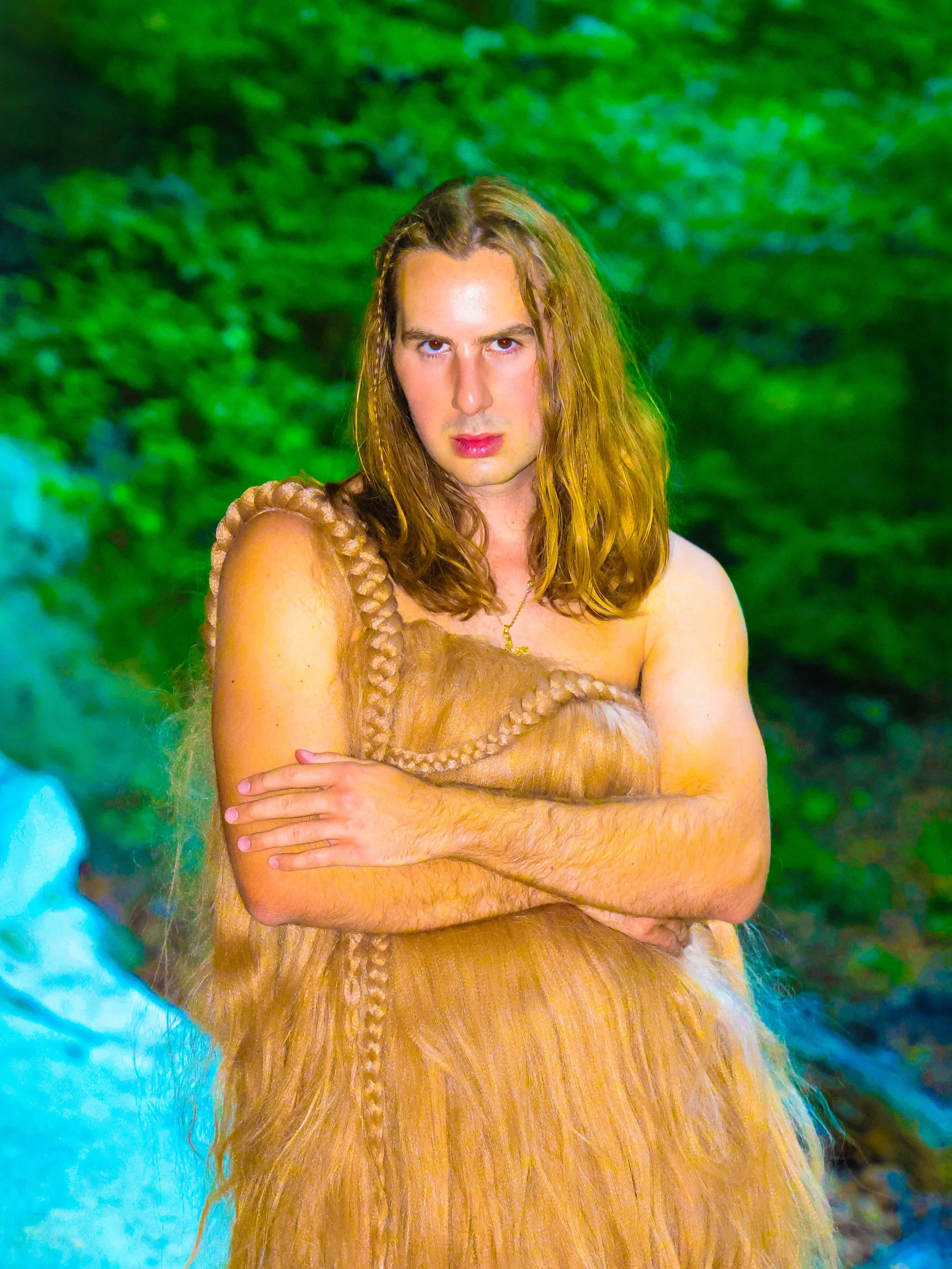
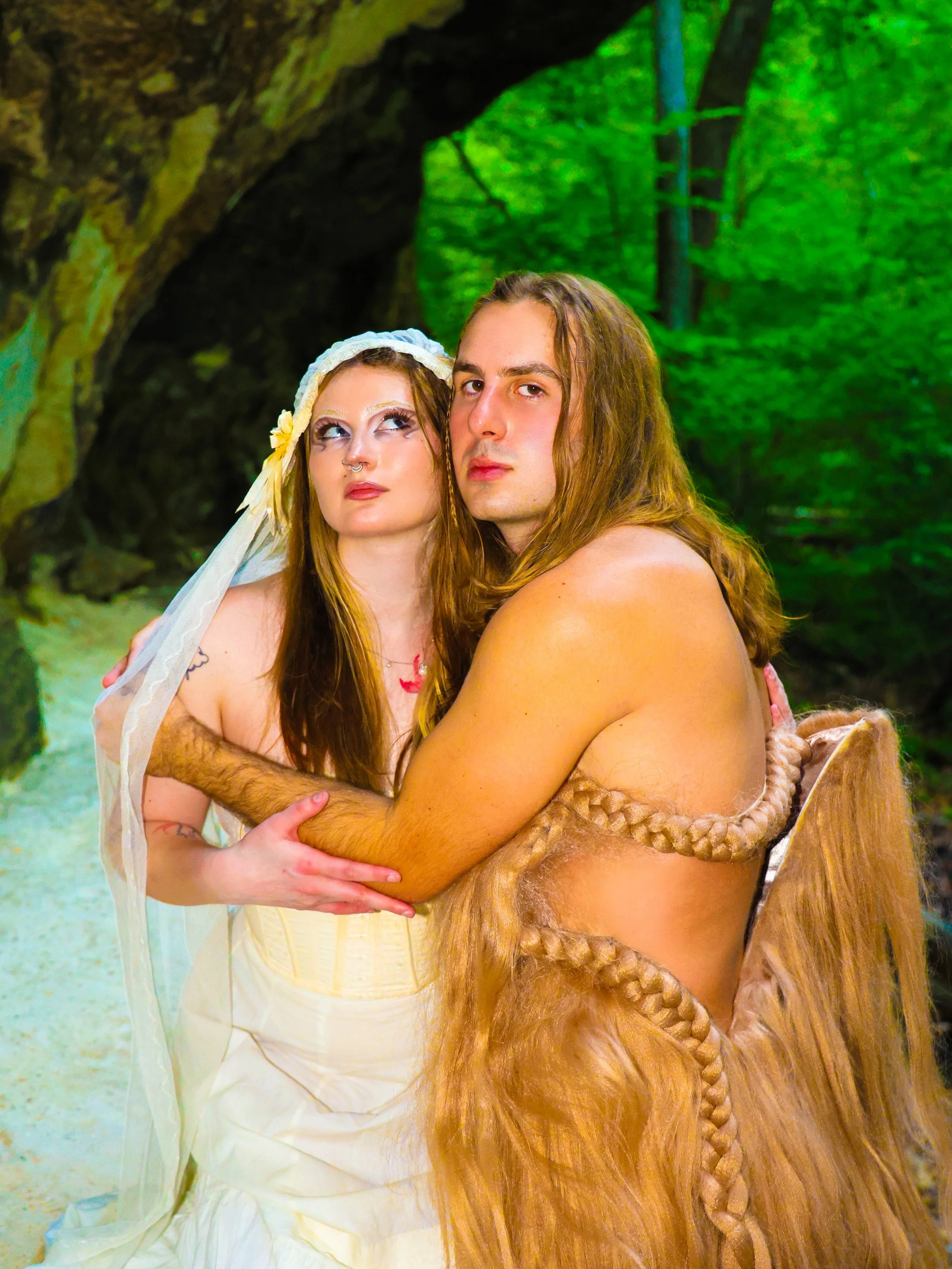
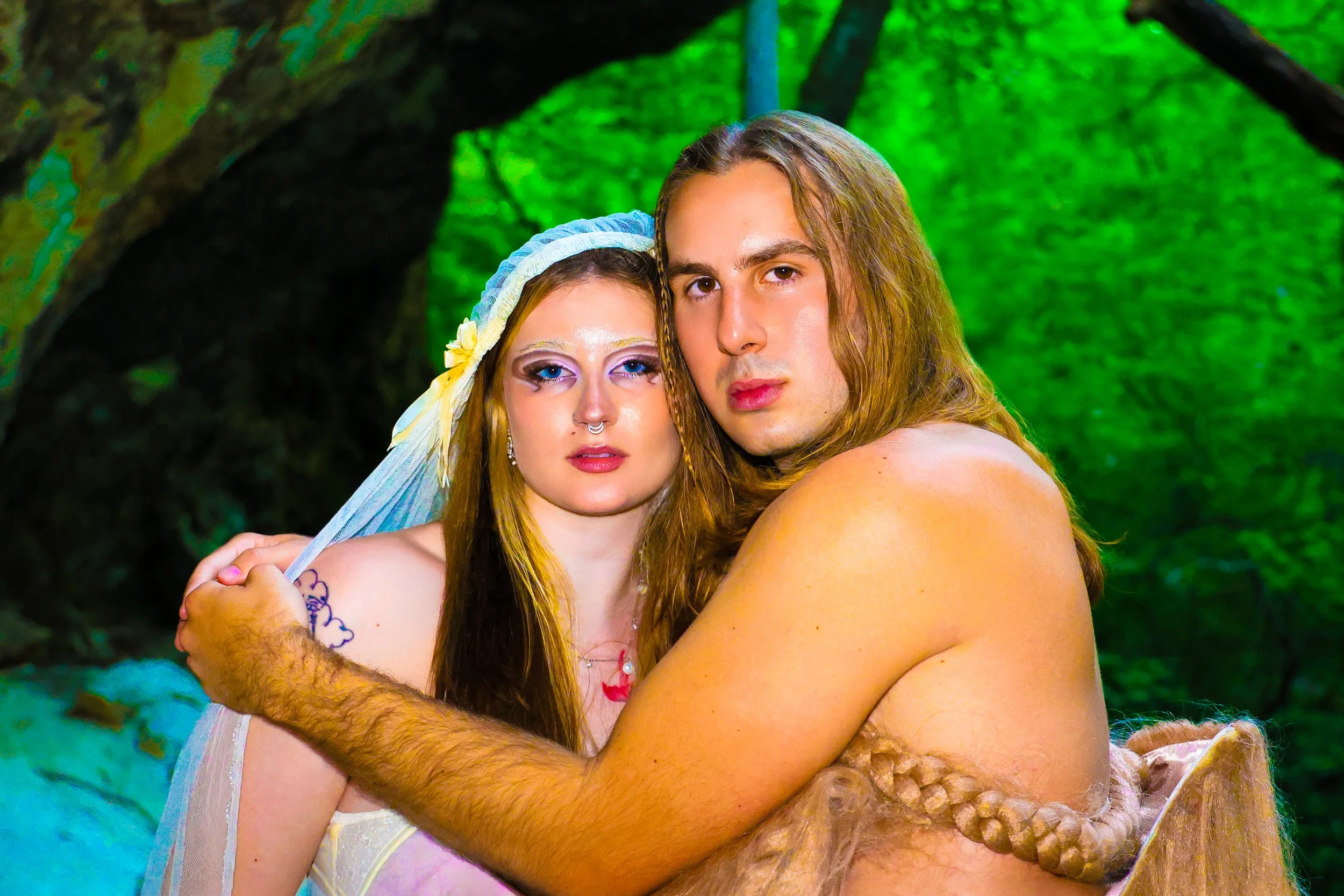
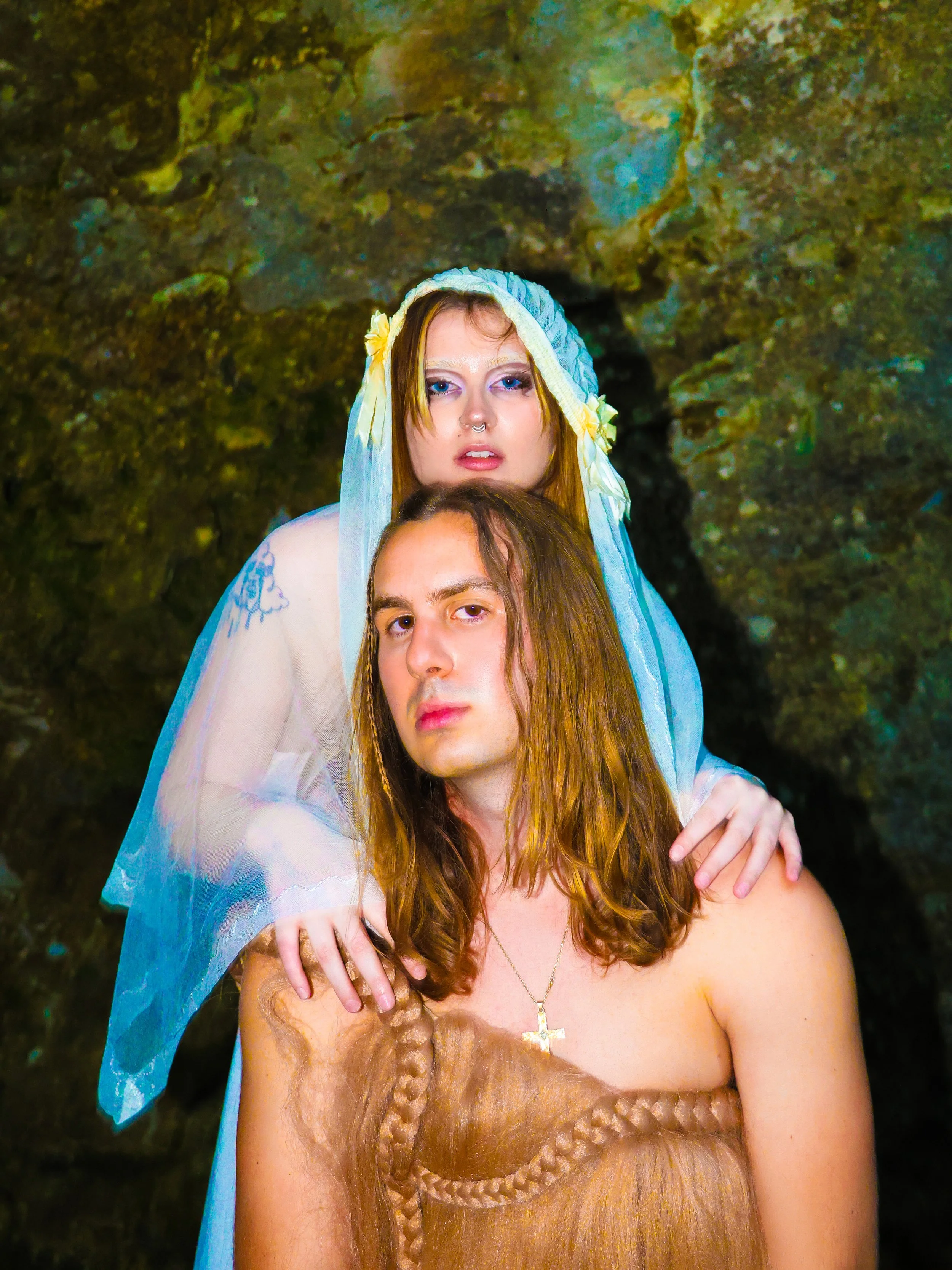
The first and only 21 Artistry show to date took place on August 7, 2021. 21 Artistry’s Art Fest featured 50 high school-age underground St. Louis artists performing and vending at Earth Surf Skatepark. After years of building the community and weeks of organizing the event itself, I finally watched everything I had envisioned manifest. Nearly 1,000 tickets were sold, surpassing anything we imagined.
Following the show, one of the artists began claiming that he had created and organized the event himself and that I was taking credit for his work. His version of the story spread, and I was soon seen as a “problem” within some corners of the St. Louis artist community. Many of the artists I had spent years supporting began to distance themselves from me.
It hurt at the time, but being born and raised in St. Louis, I was used to this. I love my hometown with my whole heart, but it has long been a city that holds itself back. I joke that we haven’t evolved since the 1904 World’s Fair, because my whole life it has felt like whenever someone creates something great for the city, someone else comes along to destroy it. For that reason, getting my reputation and the 21 Artistry brand besmirched felt like a victory. I had created something that was worth destroying. My city said so.


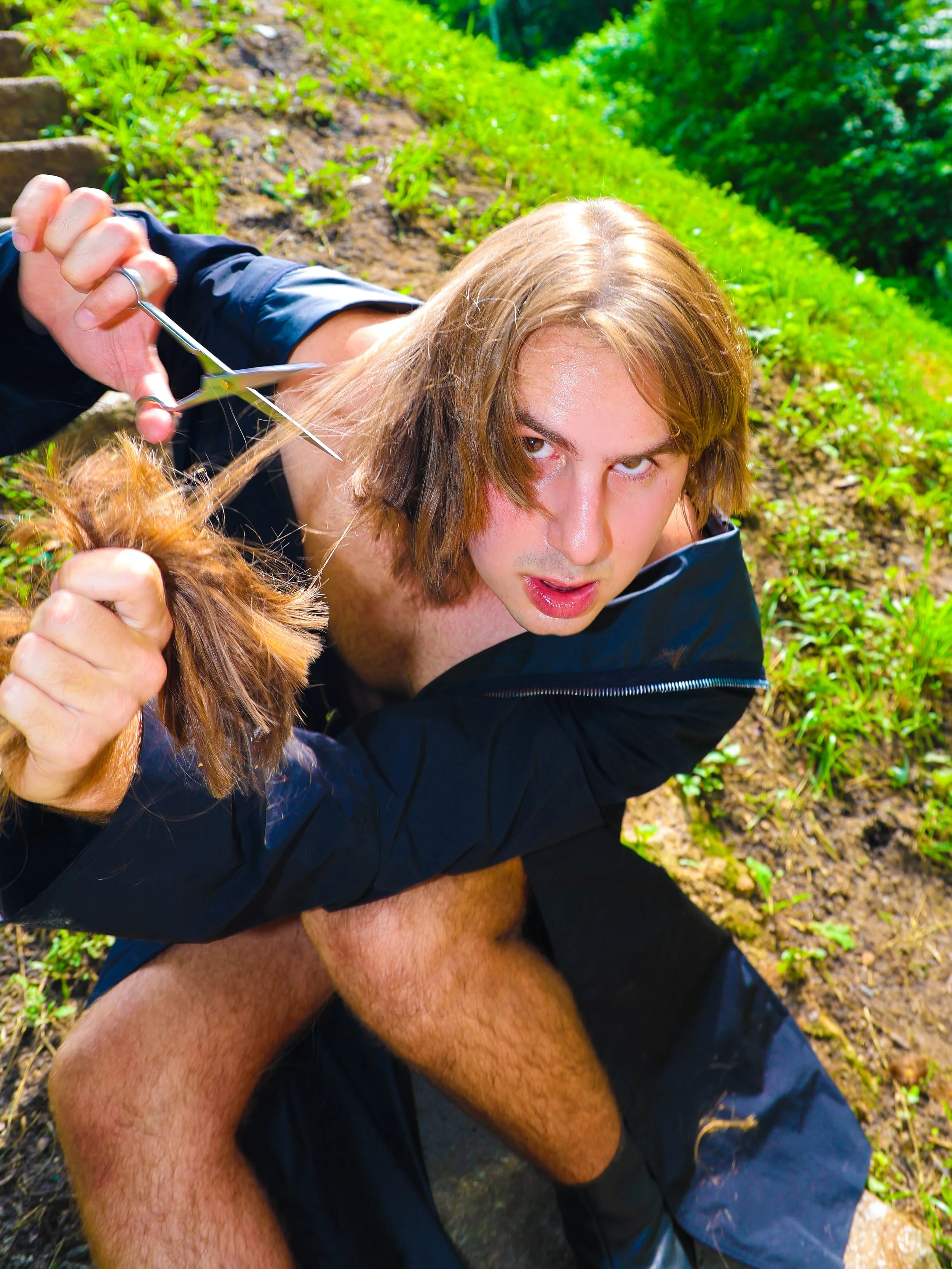



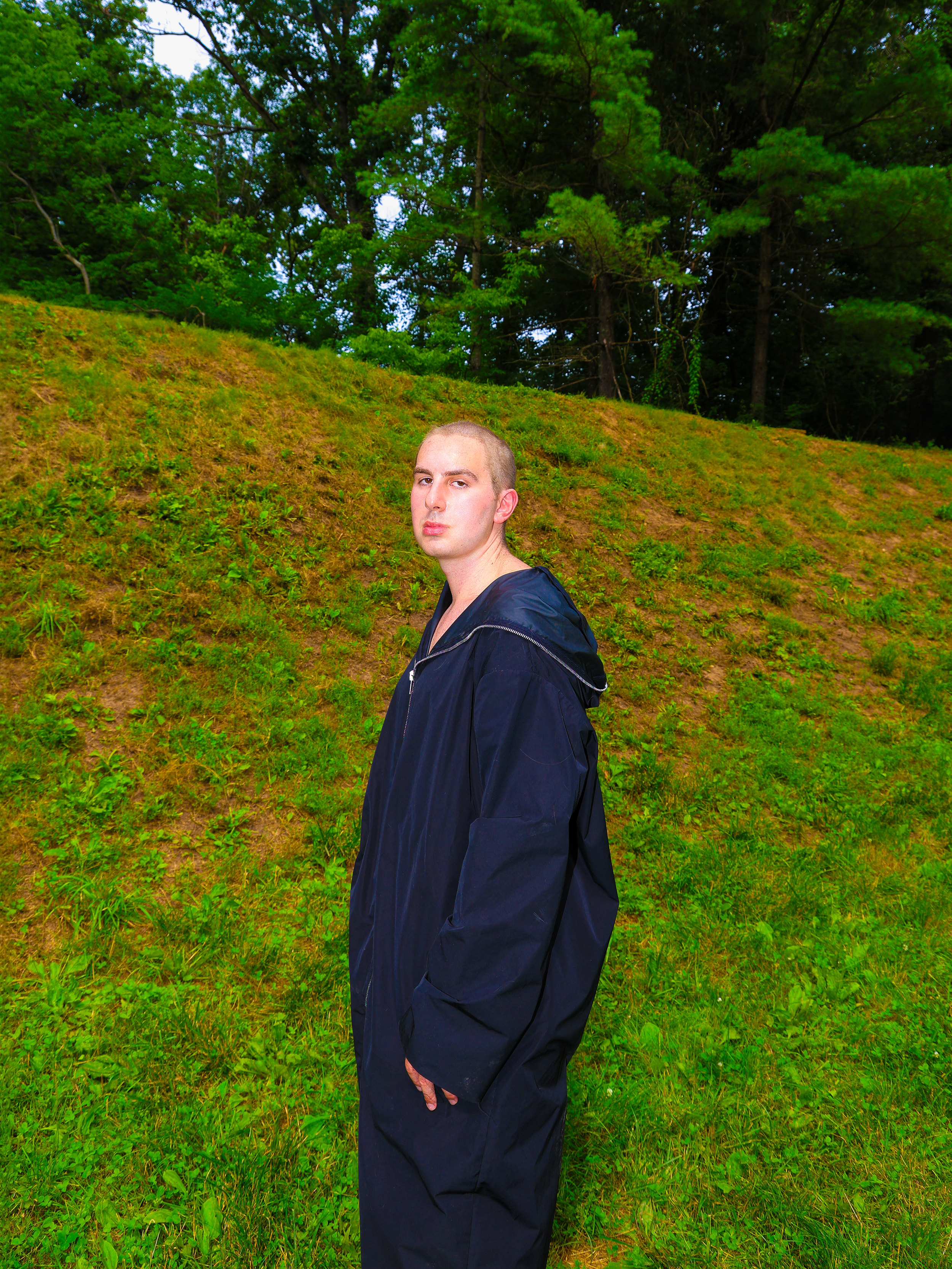
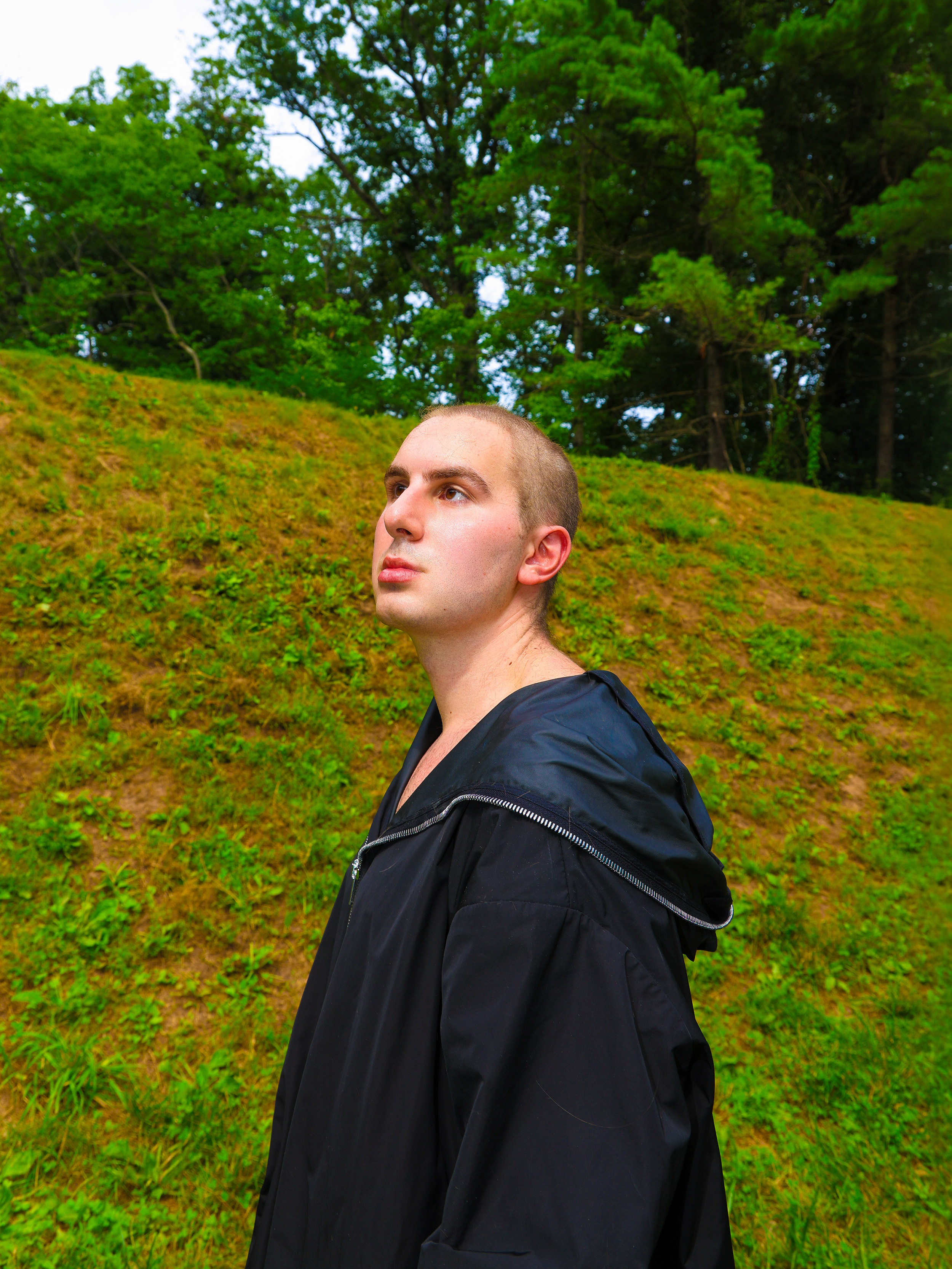

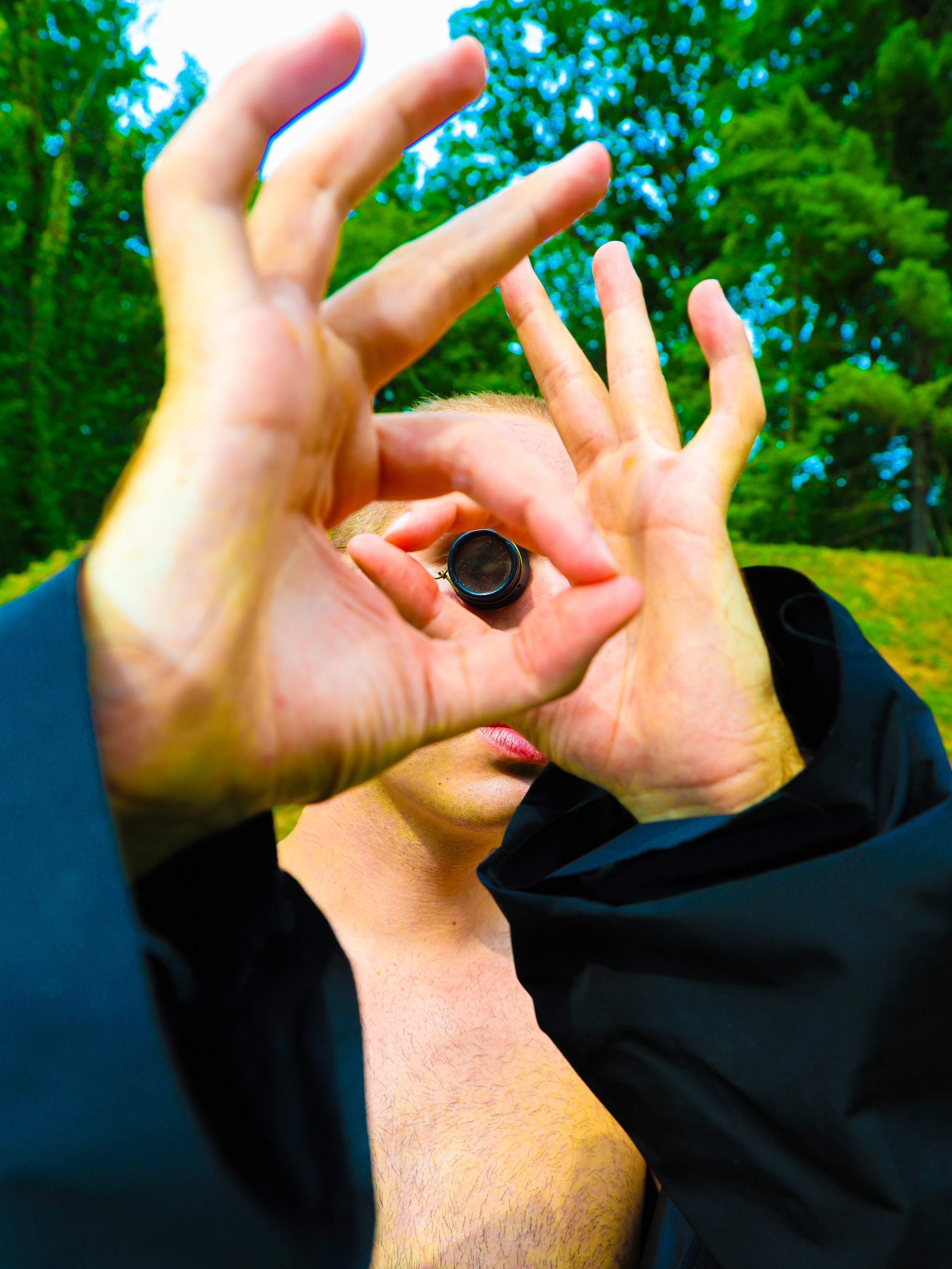

Two years after Art Fest, I started 21 Artistry magazine. True to my writer’s ethos, I decided the only solution to my narrative being twisted was to rewrite the story. In this story, I was the hero. The new 21 Artistry would have a team of one. I would be the photographer, creative director, stylist, hair and makeup artist, set designer, interviewer, writer, editor-in-chief, executive producer, publisher, and any other role that came up. I realized I didn’t need anyone else but myself. I had the vision, talent, and work ethic to carry it alone.
I still wanted to work with artists, but I wanted to do it on my own terms as well as theirs. I fashioned the 21 Artistry editorial framework to be unlike any other. For each issue, I create a concept unique to the featured artist, one rooted in their story and artistic identity. We then work together to tell every aspect of their story in a way they want it to be told. Every featured artist is a co-creative director along with me. Many of them, unbelievably talented, naturally choose to help with styling, hair, makeup, or set design as well. This level of involvement is unheard of in the editorial world, and it is something I truly believe in. Artists should have control over how they are represented and how their story is told. That shared commitment to storytelling is what makes 21 Artistry so special.
I graduated from Saint Louis University, my father’s alma mater, with an accounting and marketing double-major in May 2025 alongside my twin brother. This accomplishment was especially important to my immigrant family, and I was proud of myself, too. By then, the first five 21 Artistry issues had been published. Postgraduate clarity made me realize that it was time to tell my story. This issue would be the Rosetta Stone, the one that connects all the others through an intricate web of self-references—past, present, and future.
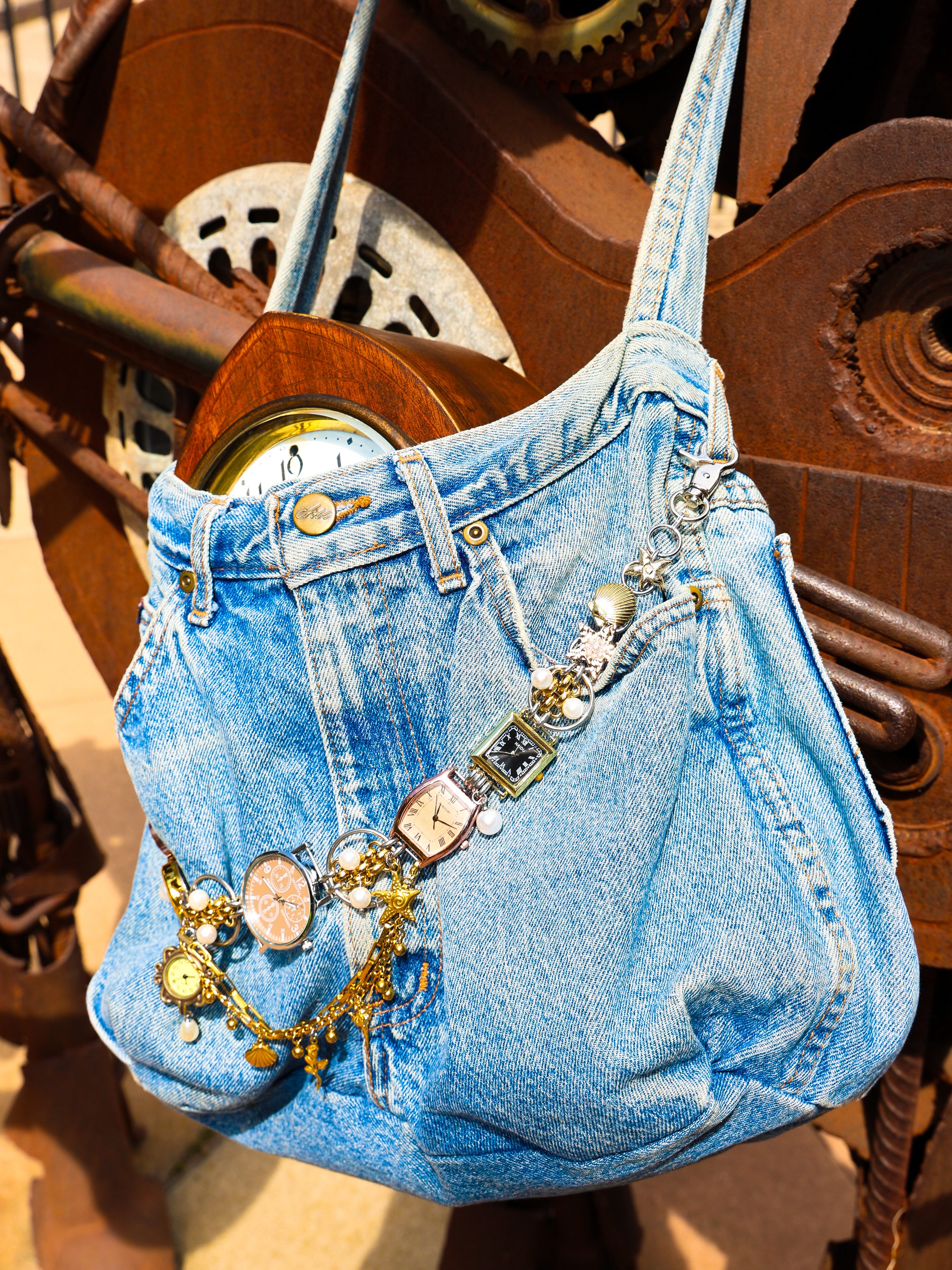
Seeing what my grandparents built over decades showed me what true longevity requires: the consistency to show up every day, no matter what.
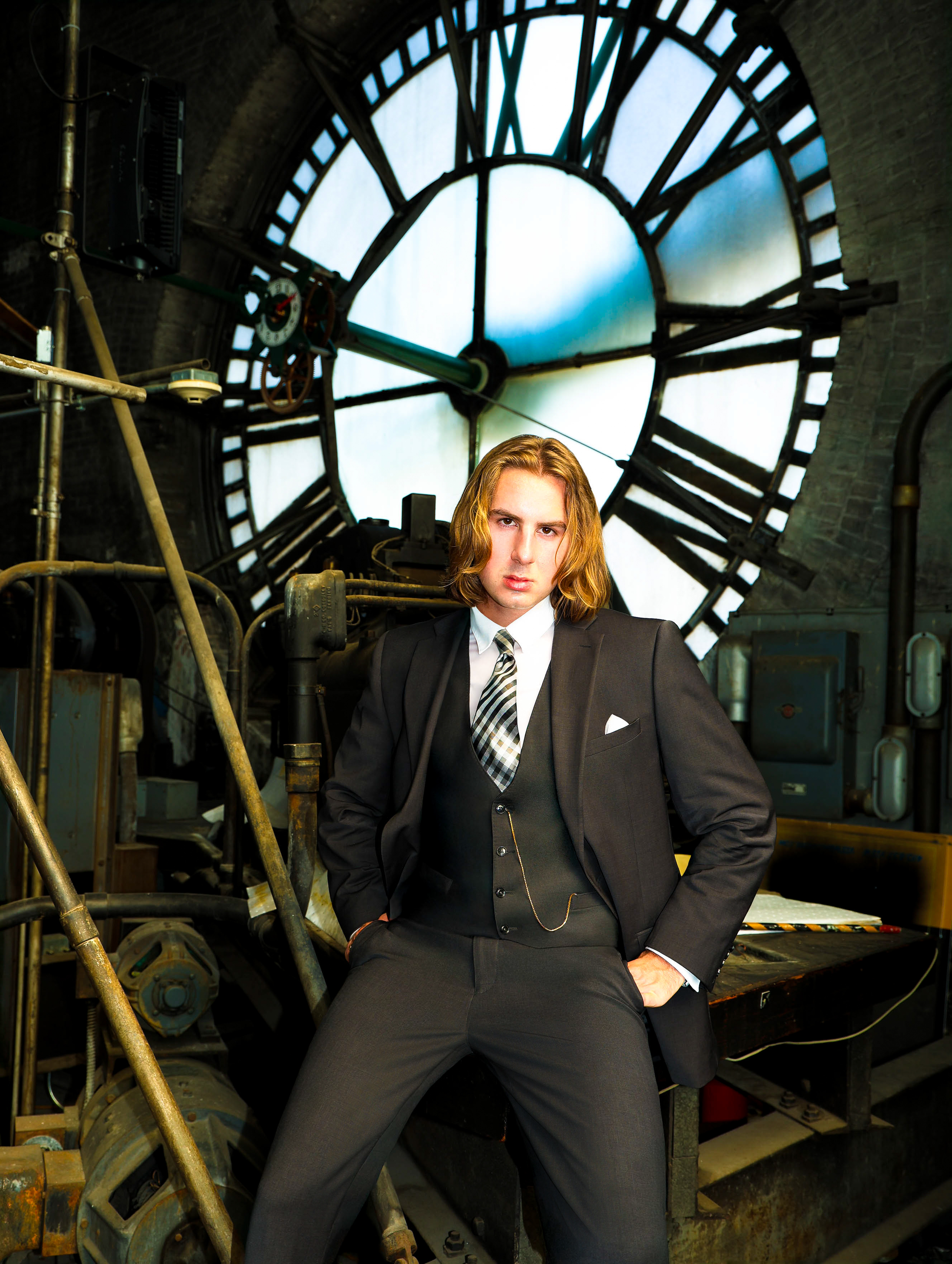
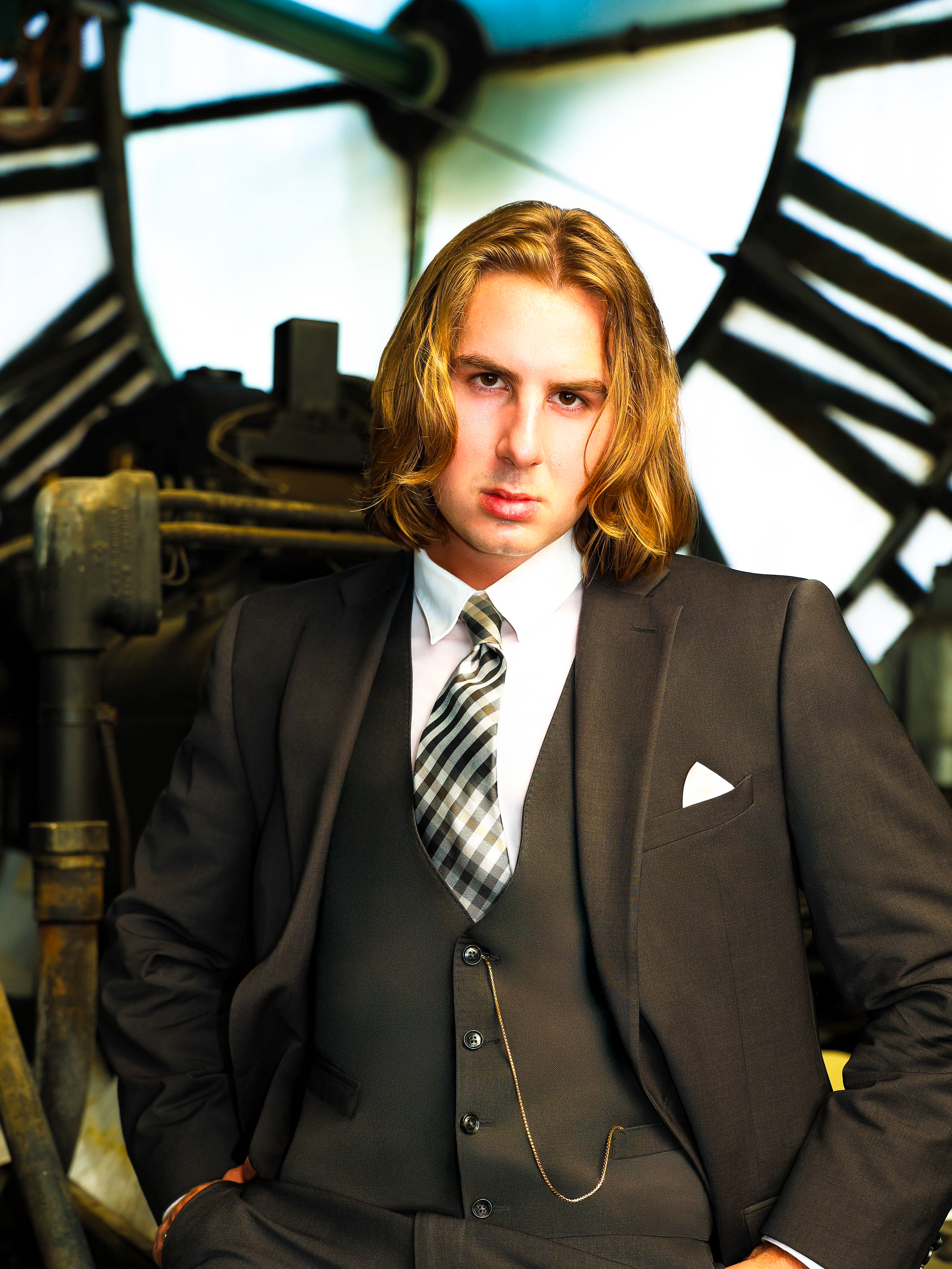
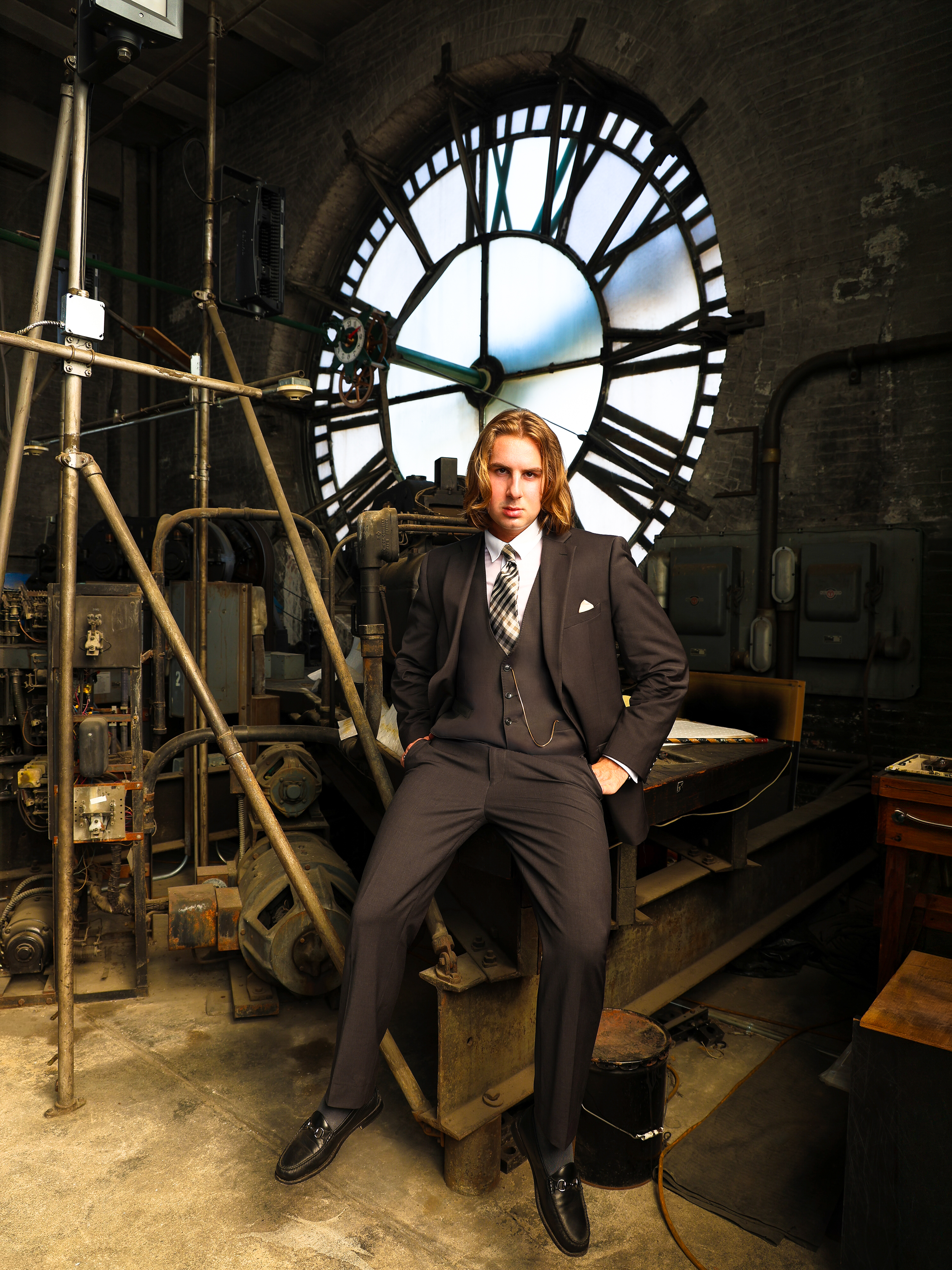
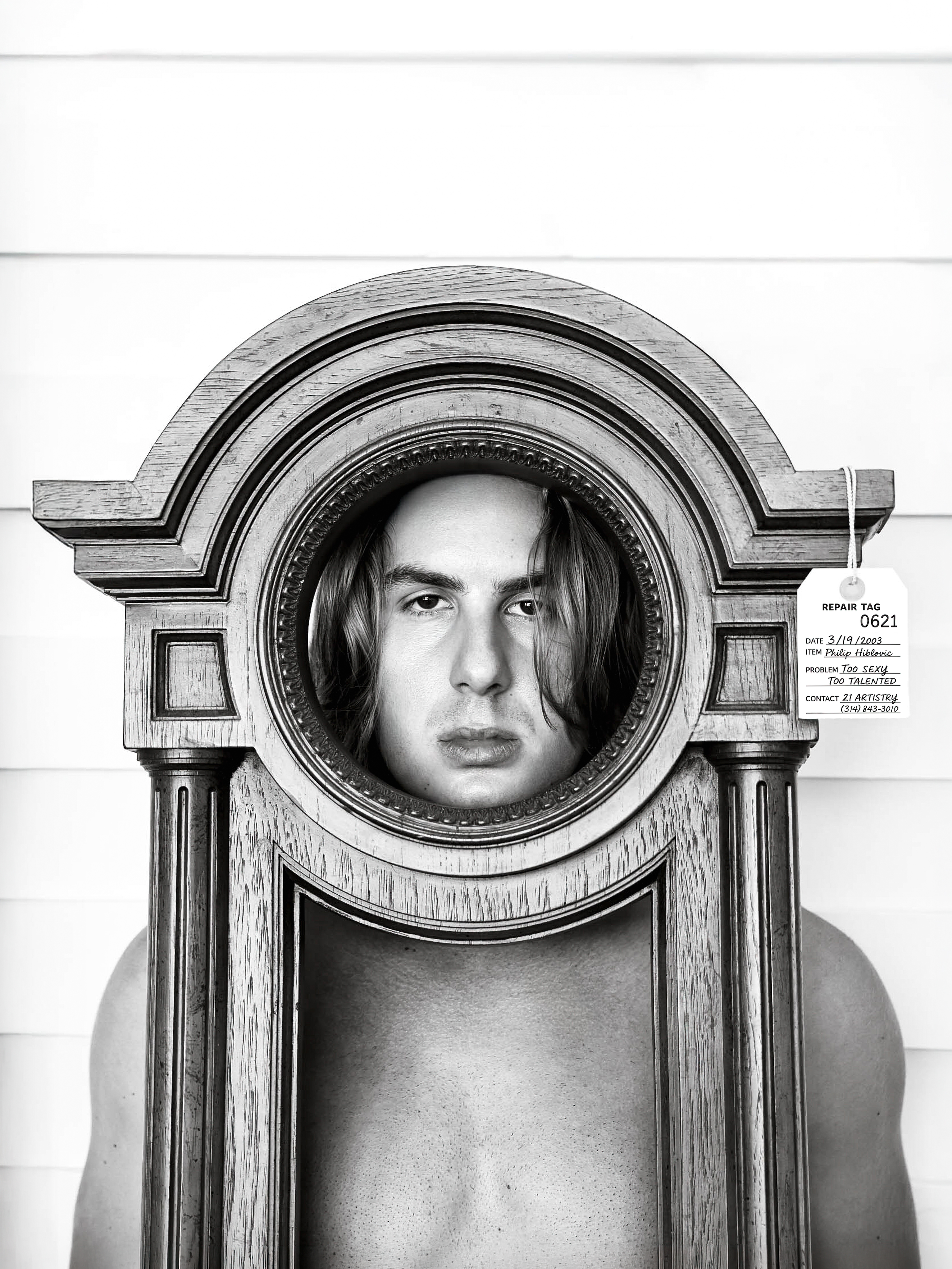
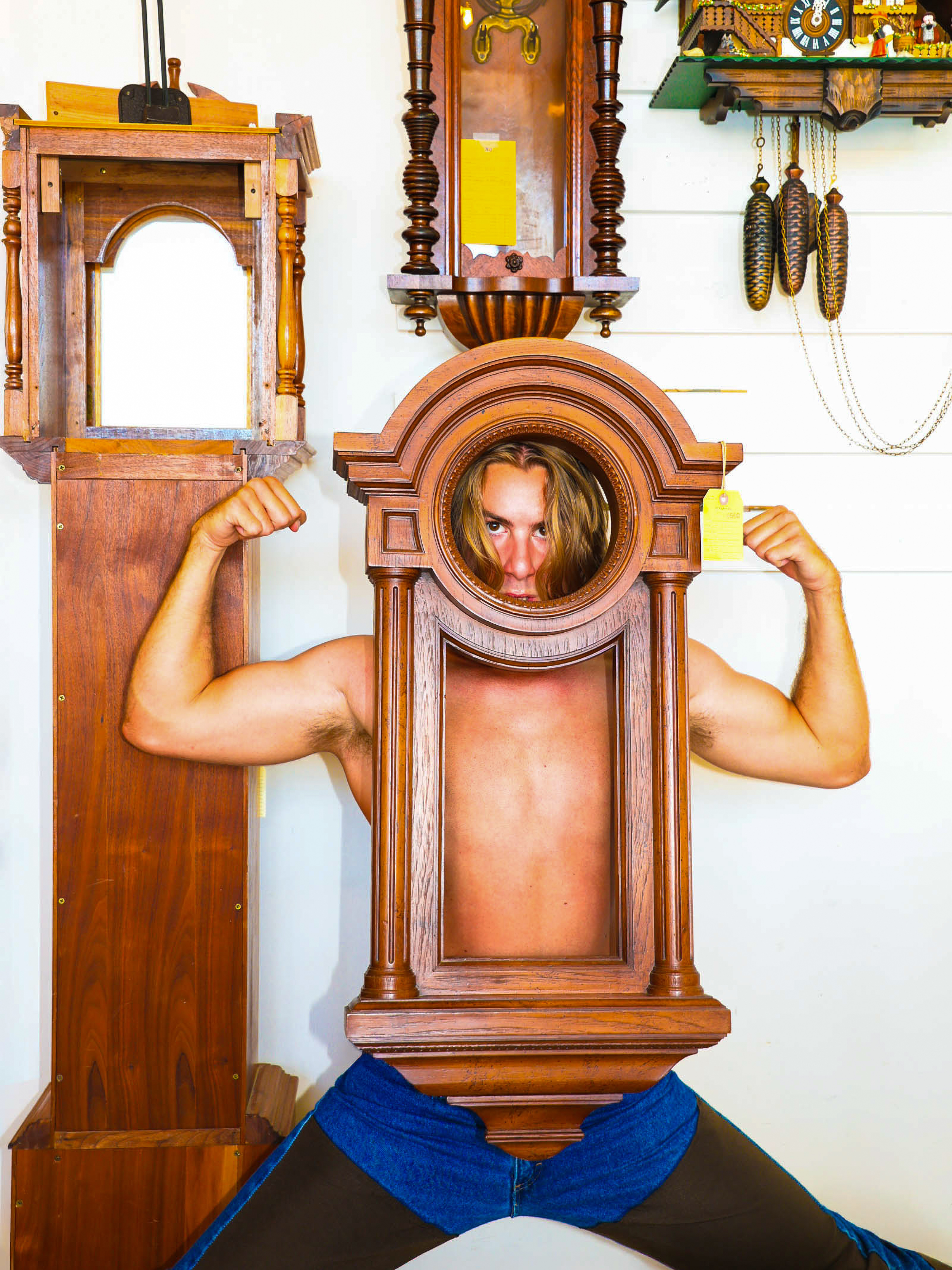
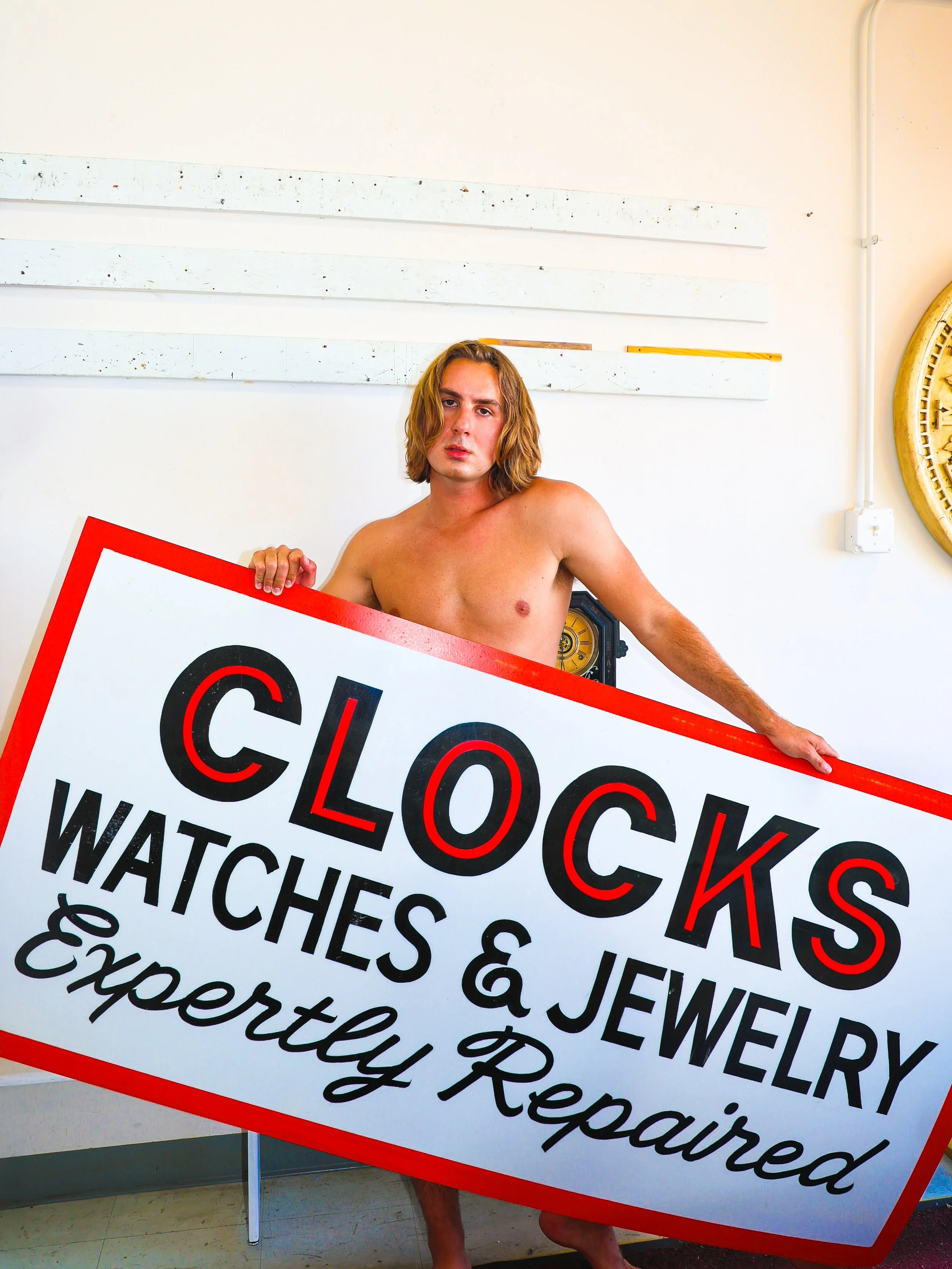
Helen’s Clock Company closed that June after 55 years of business. For five of those years, 21 Artistry was also in business. One of the first photoshoots we did for this issue was during the last week before the shop’s closure. My friend and collaborator Natalie Ernst, whom I met in college, shot me wearing a wooden case of an antique grandfather clock, a piece of “fashion” that felt heavy with metal fixtures that pressed deep into the top of my head. Seeing what my grandparents built over decades reminded me what true longevity requires: the consistency to show up every day, no matter what. As I was locking the door, I knew that would be my last time in the shop. It didn’t feel like an ending, but a continuation.
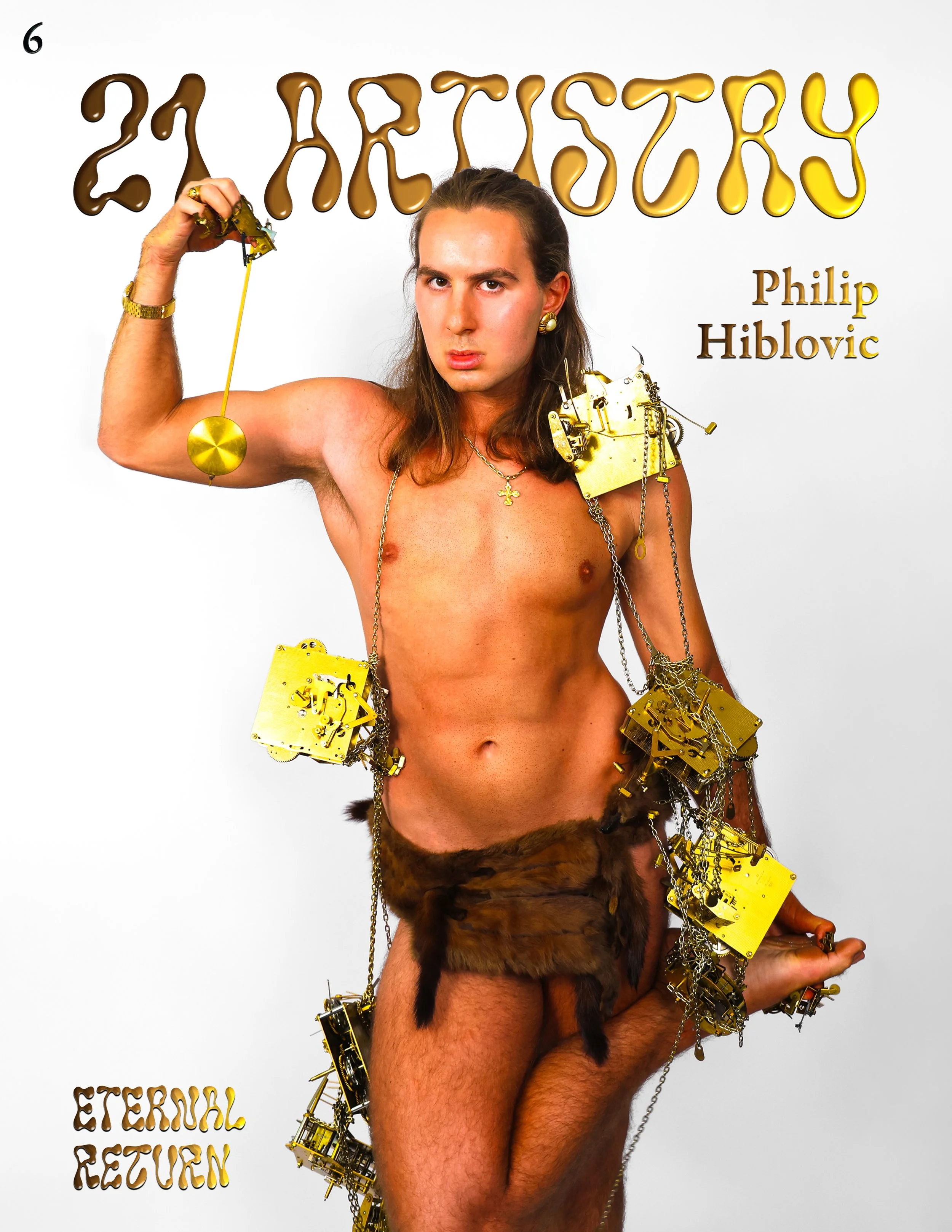
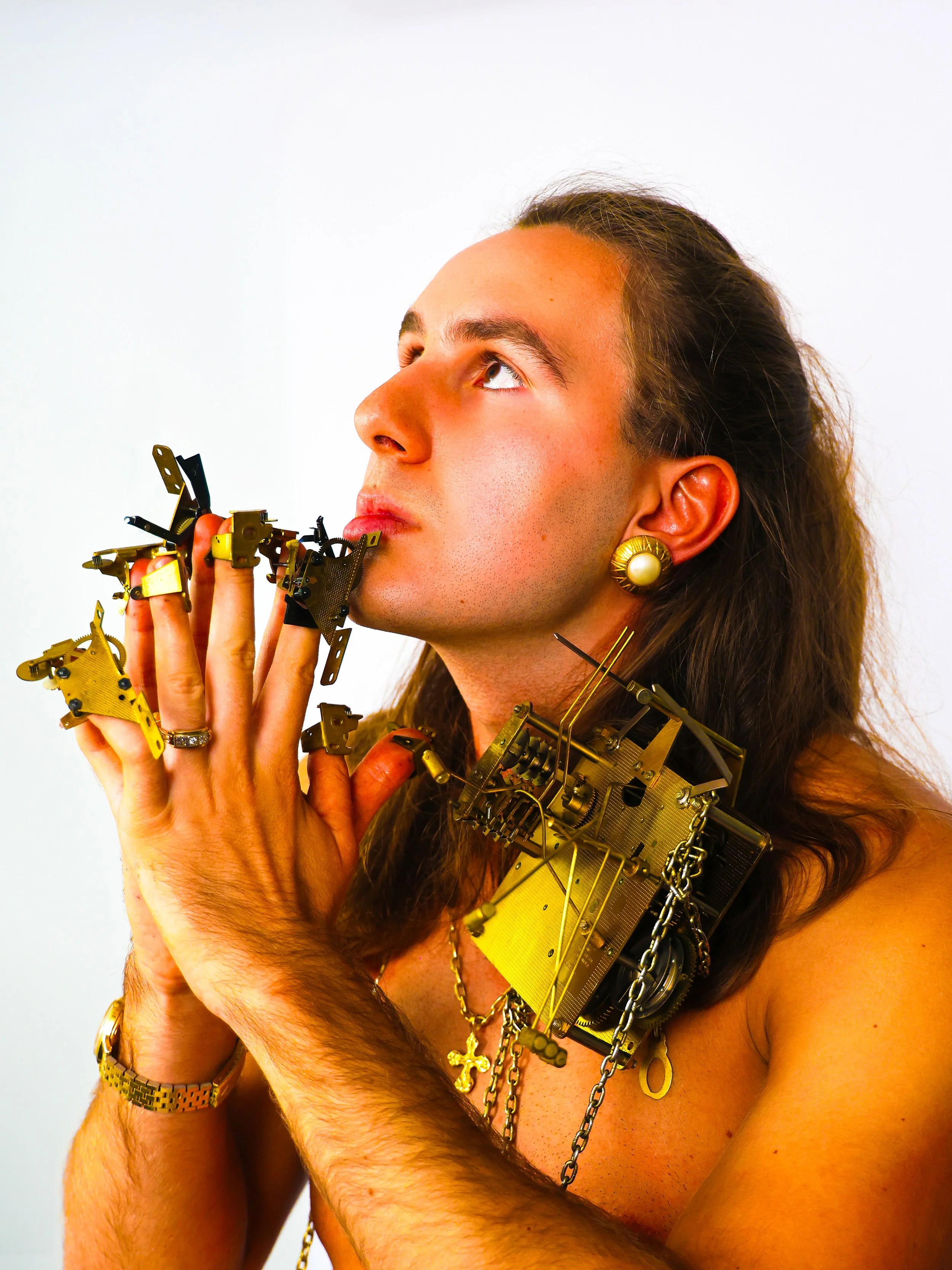
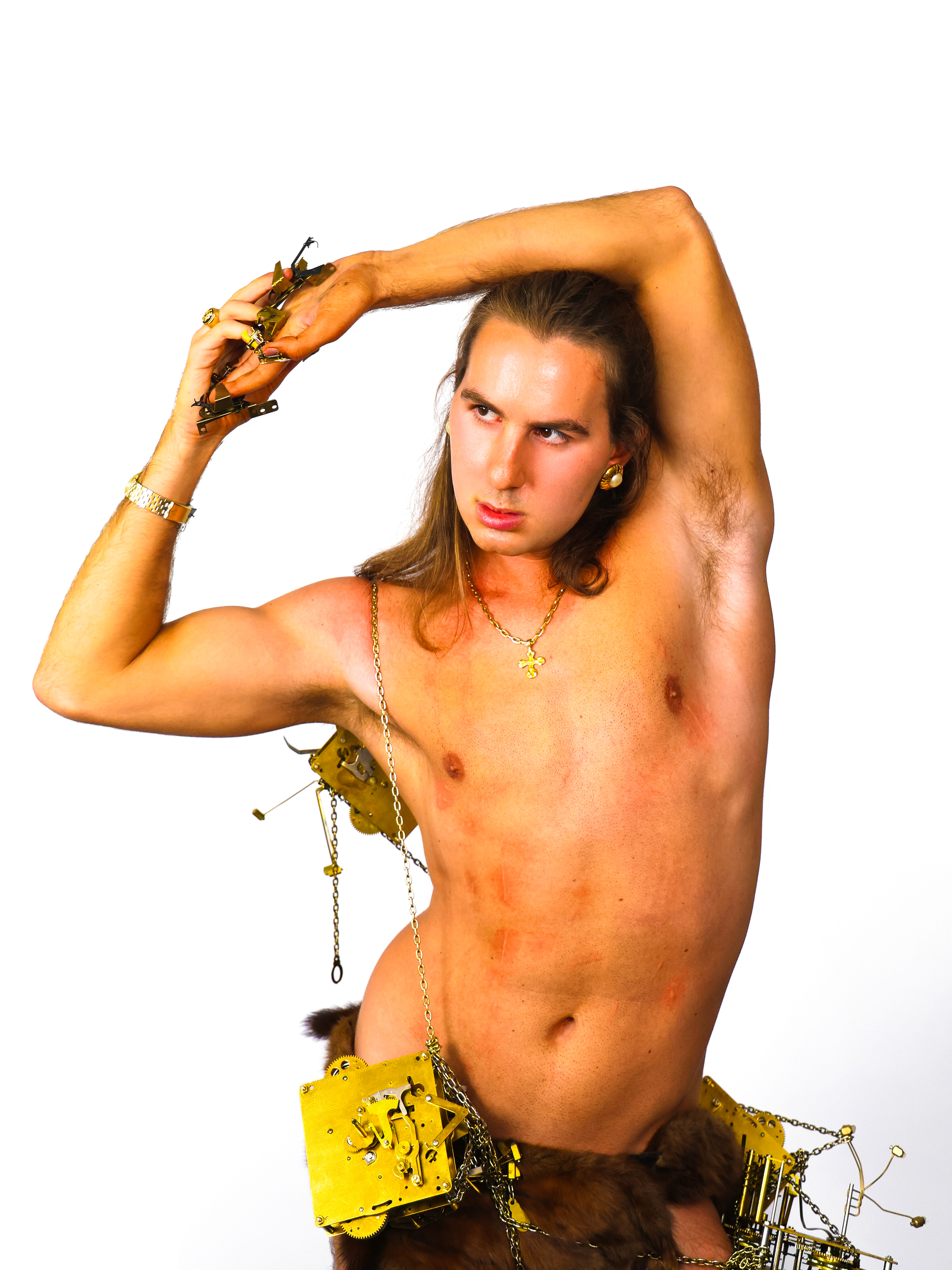
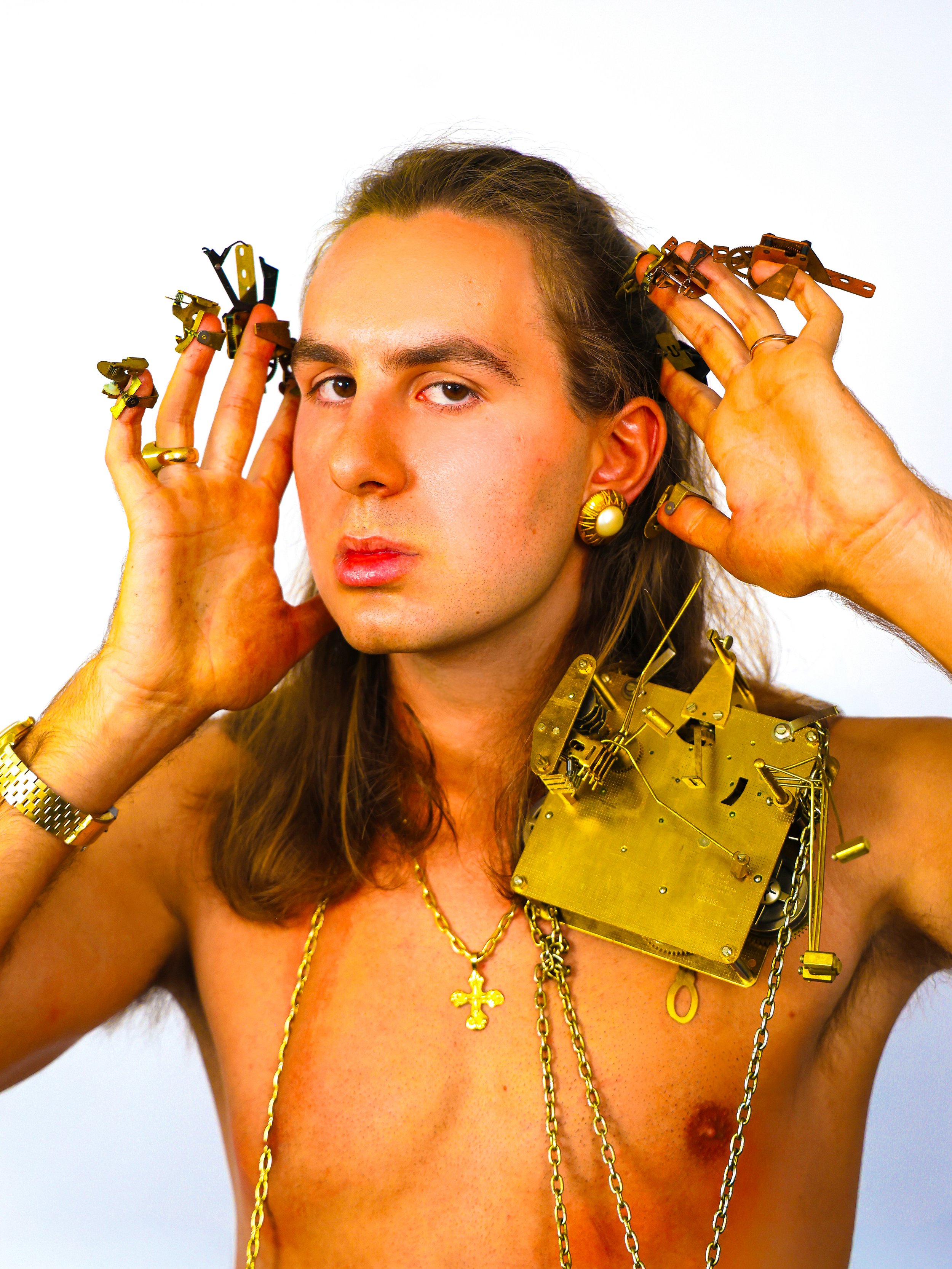
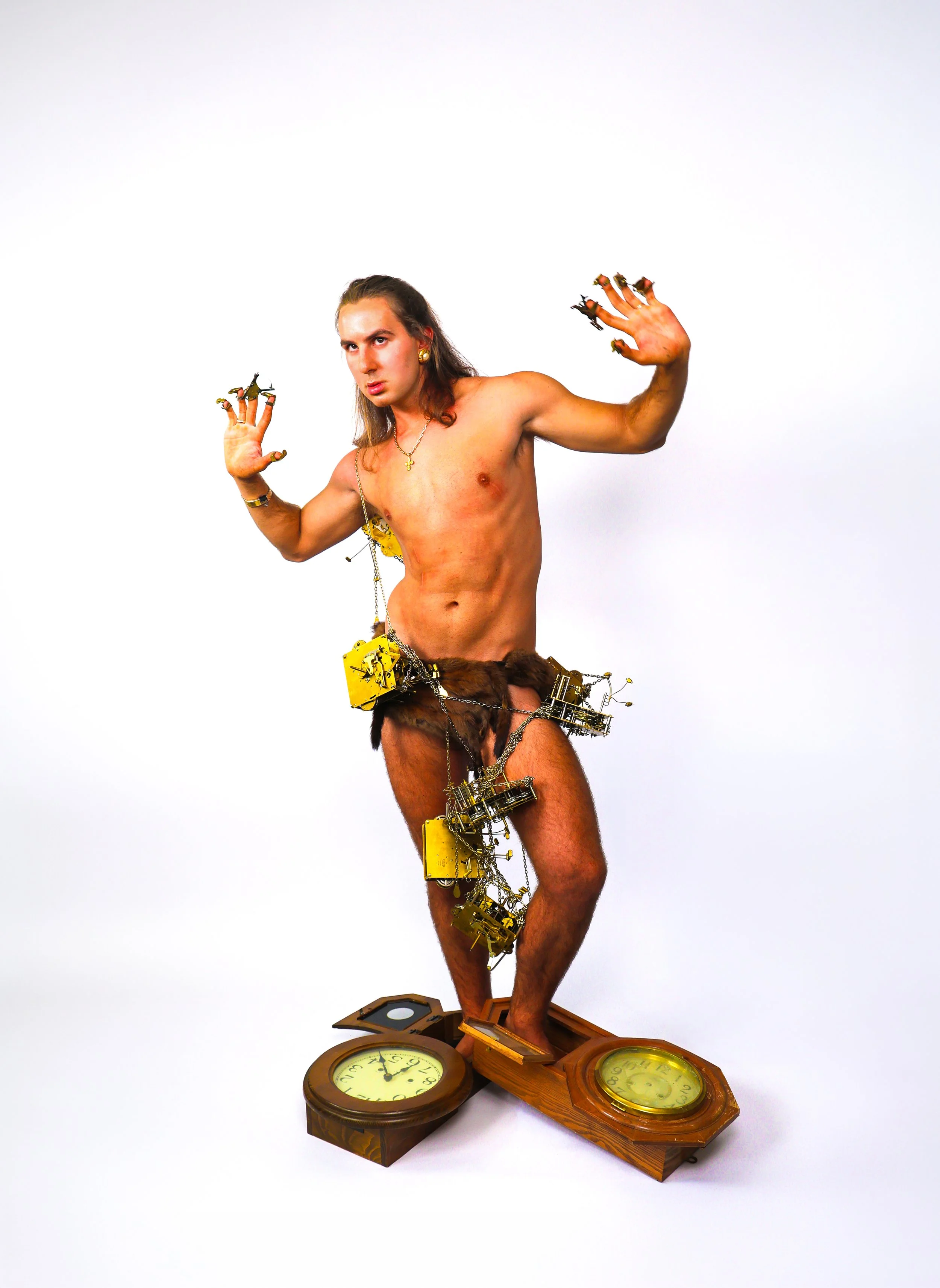
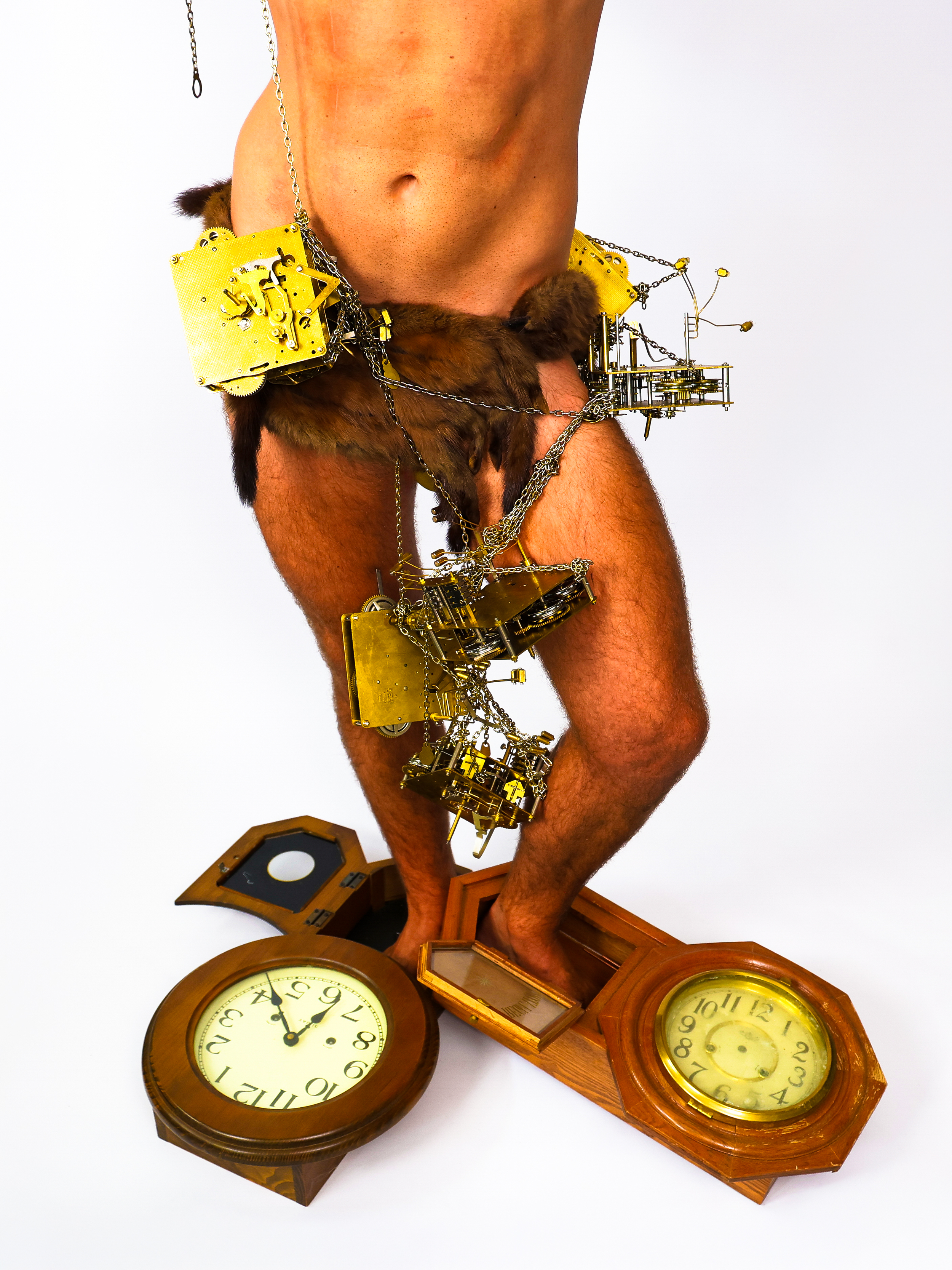
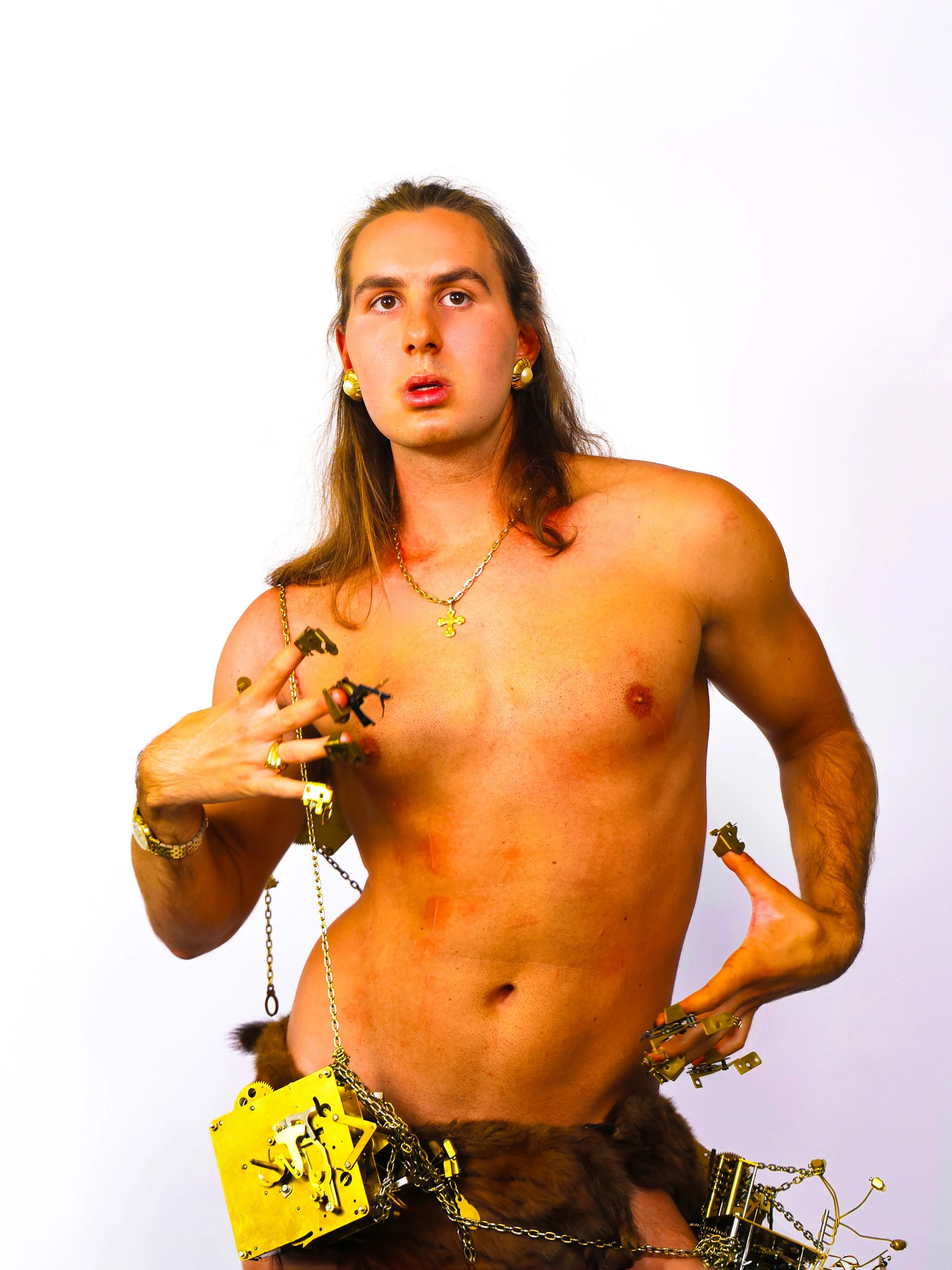
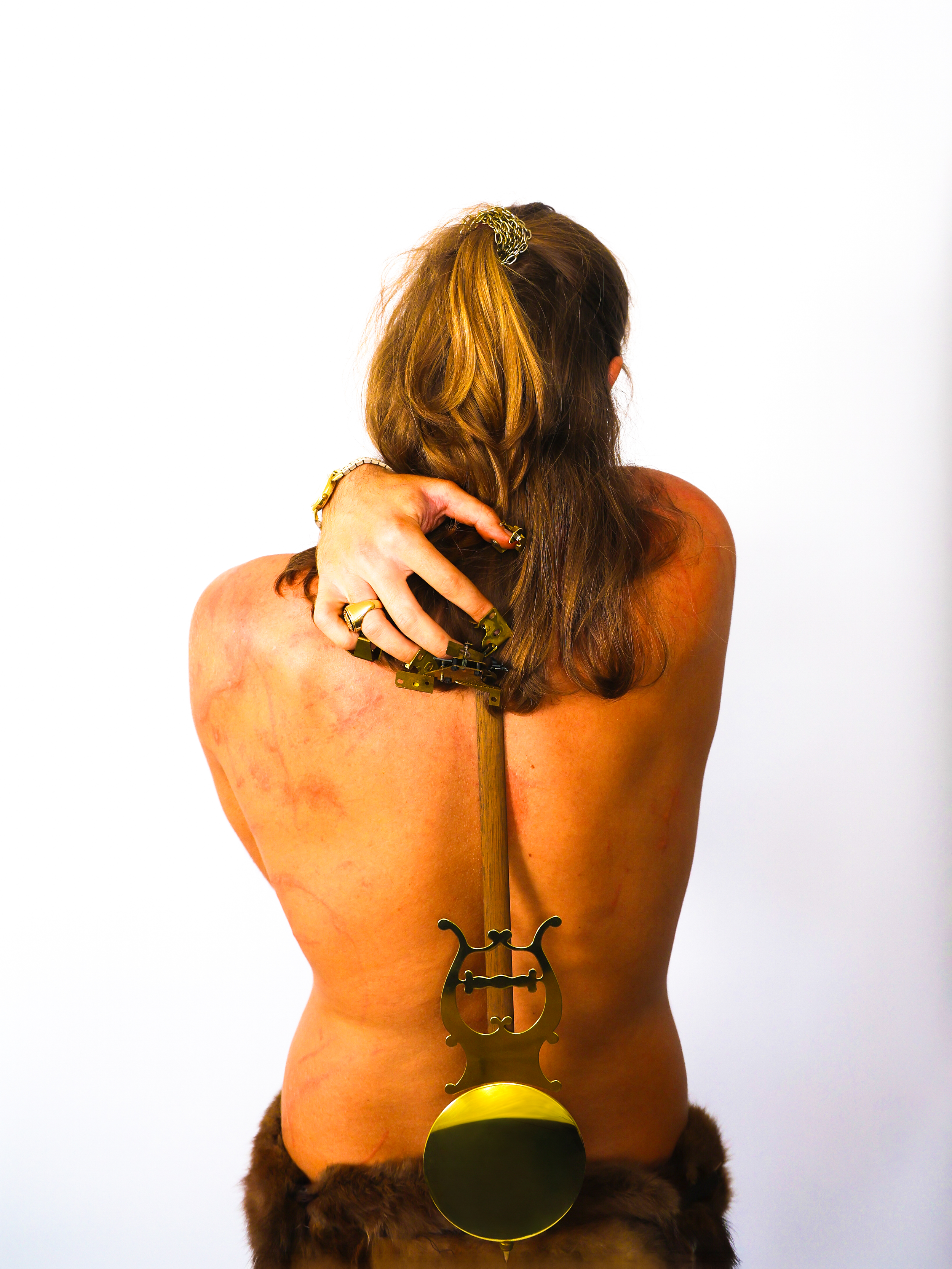
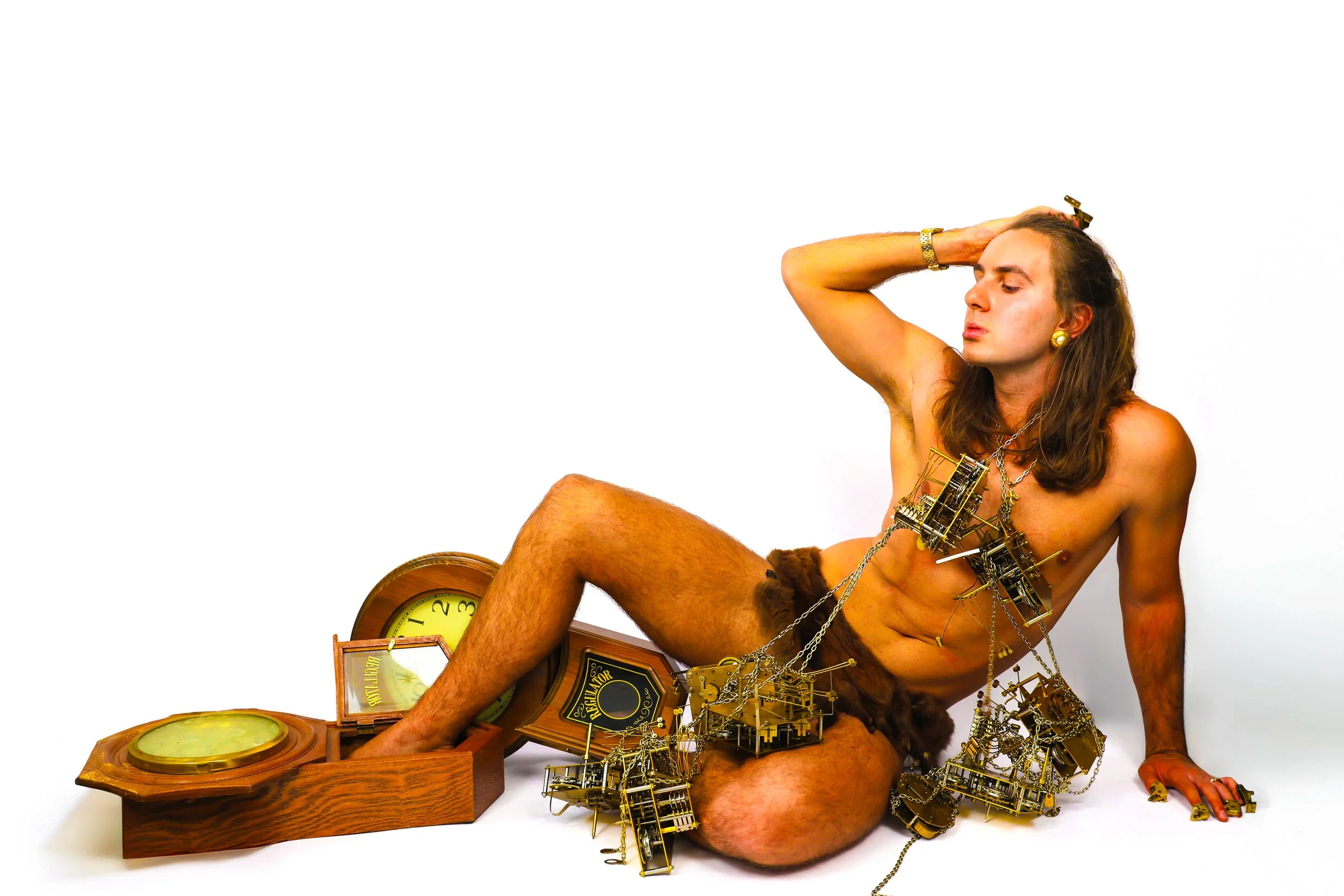
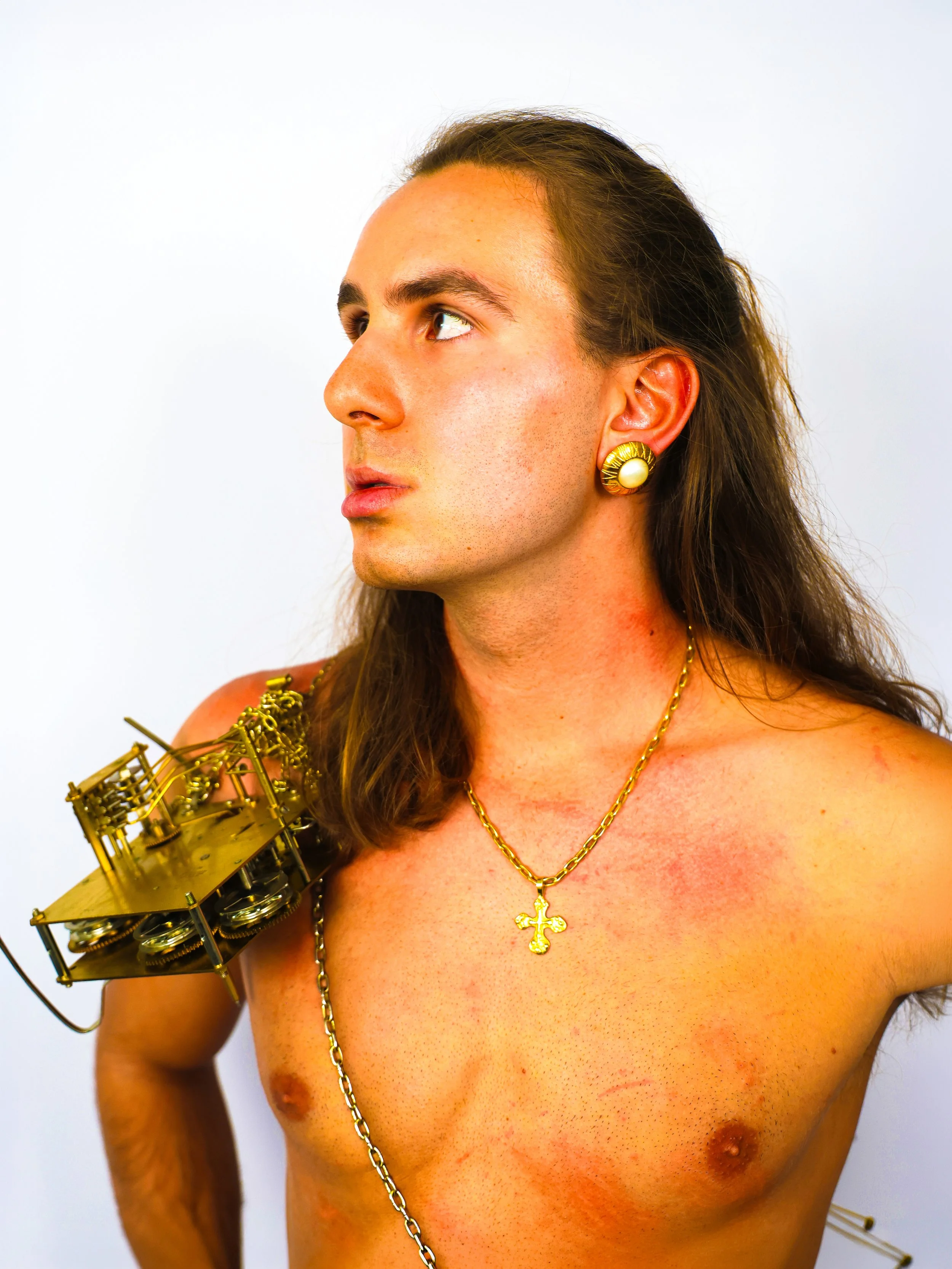
Telling my story for the first time in the 21 Artistry format meant devolving into my childhood self. I tinkered in my grandparents’ basement for clues. The mountains of clockmaking storage fascinated me. For the cover look, I settled on a pile of brass clock movements in a plastic laundry basket and a pile of rusted-out grandfather clock chains in a dingy cardboard box. I brought them to my home studio and began tying the movements and chains together until they formed some semblance of a garment. This piece made constant noise even in storage. A gust of air conditioning or a vibration of footsteps would send the movements into winding, chiming hymns without warning. None of the pieces had been attached to a clock in decades, yet this garment was somehow alive.
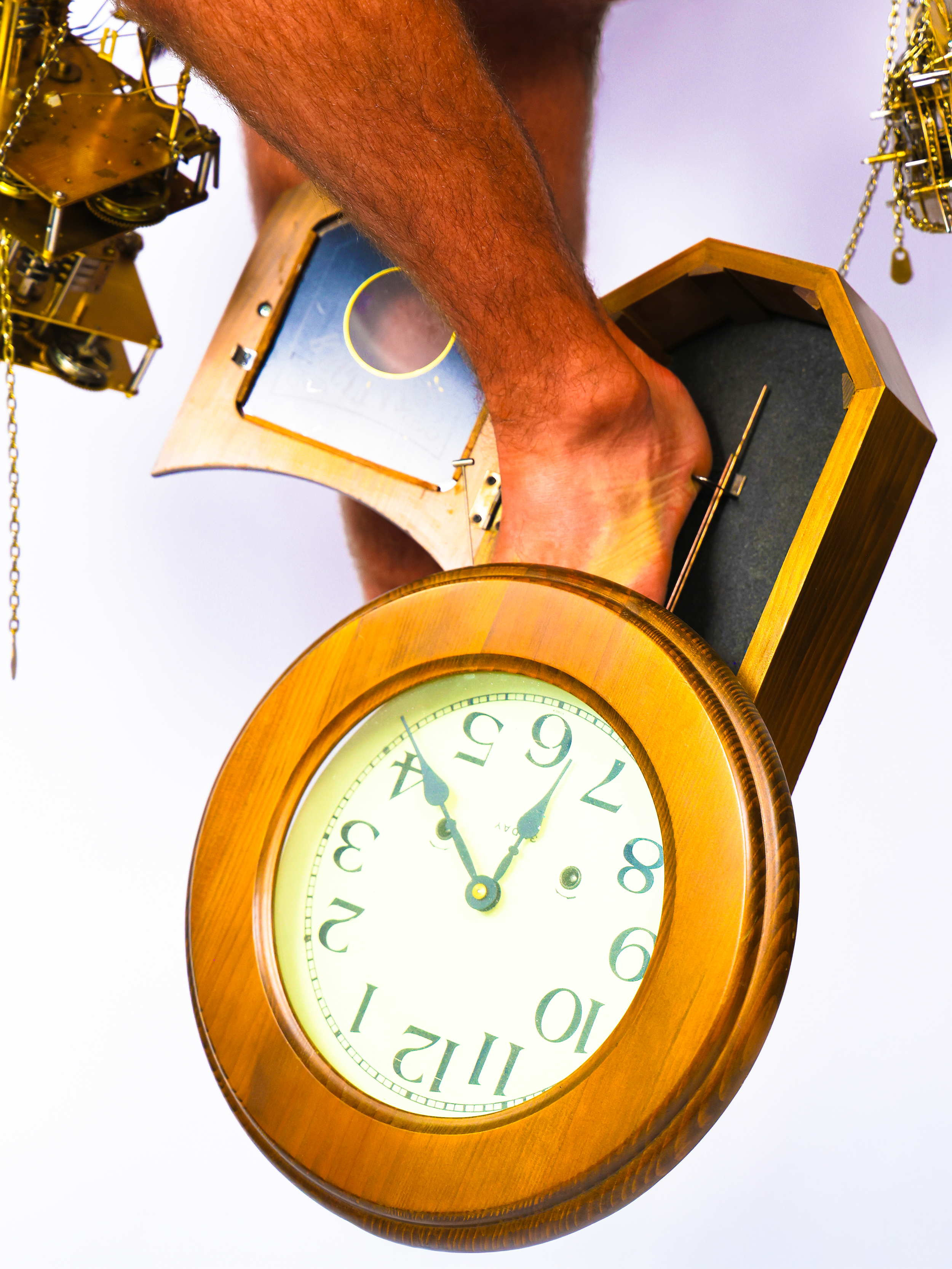
I used two antique wall clocks as “shoes” and styled the look with my father’s broken watch, my grandfather’s gold ring my great-grandfather had engraved his initials into, and my mother’s cross her jeweler friend had given her. My “nails” were mechanical clock parts I found in the workbench drawer that happened to fit on my fingers.
The clock movement garment carried the weight of my ancestors, so of course it was incredibly heavy. Every edge of the brass movements cut at my skin while the inside of the wooden “shoes” blistered the tops of my feet.
I had the privilege of being shot by my longtime friend, Peter Dunphy, whom I met playing high school soccer. I felt the most like me on this cover, which is exactly how I want every other featured artist to feel.
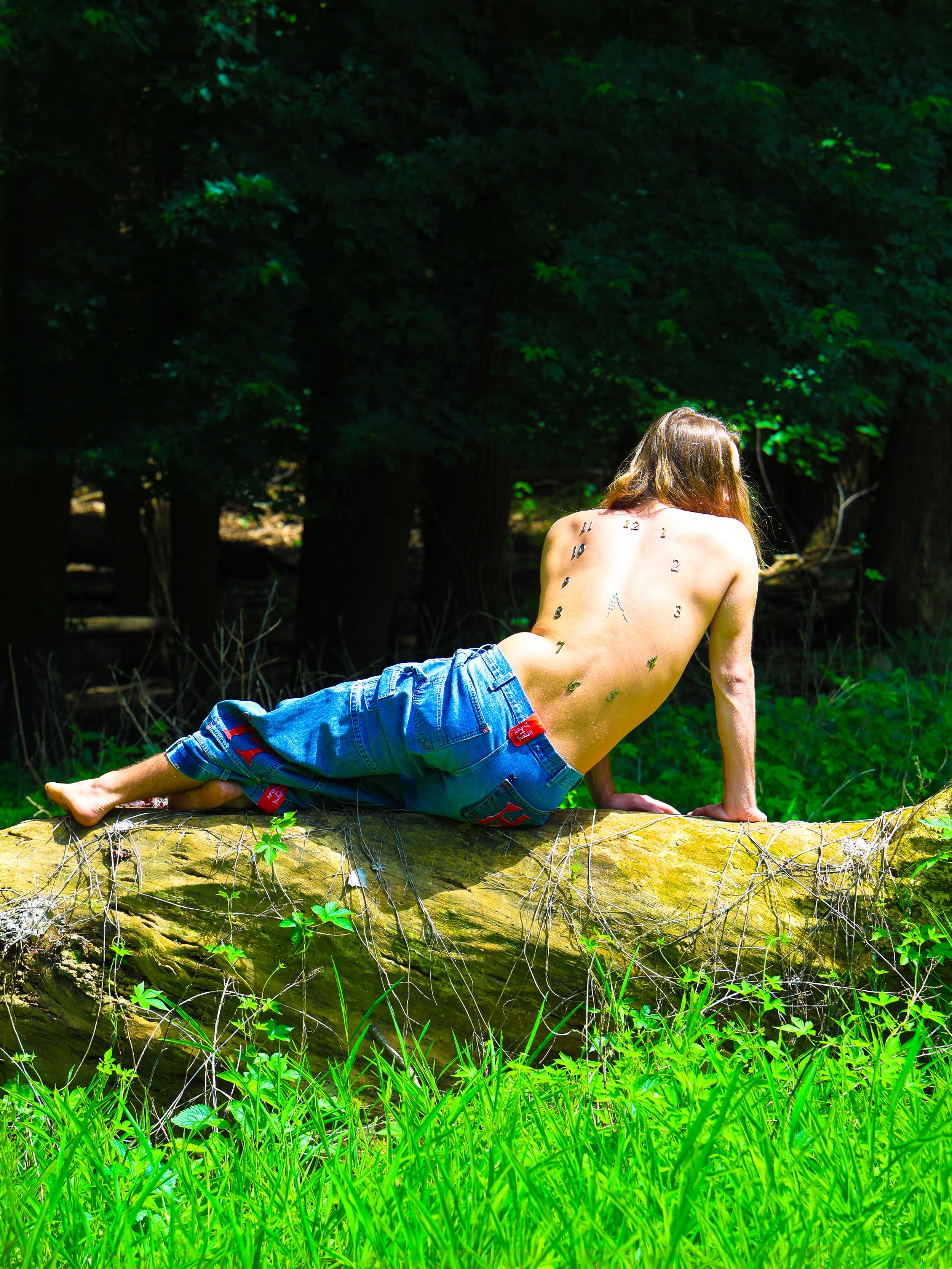
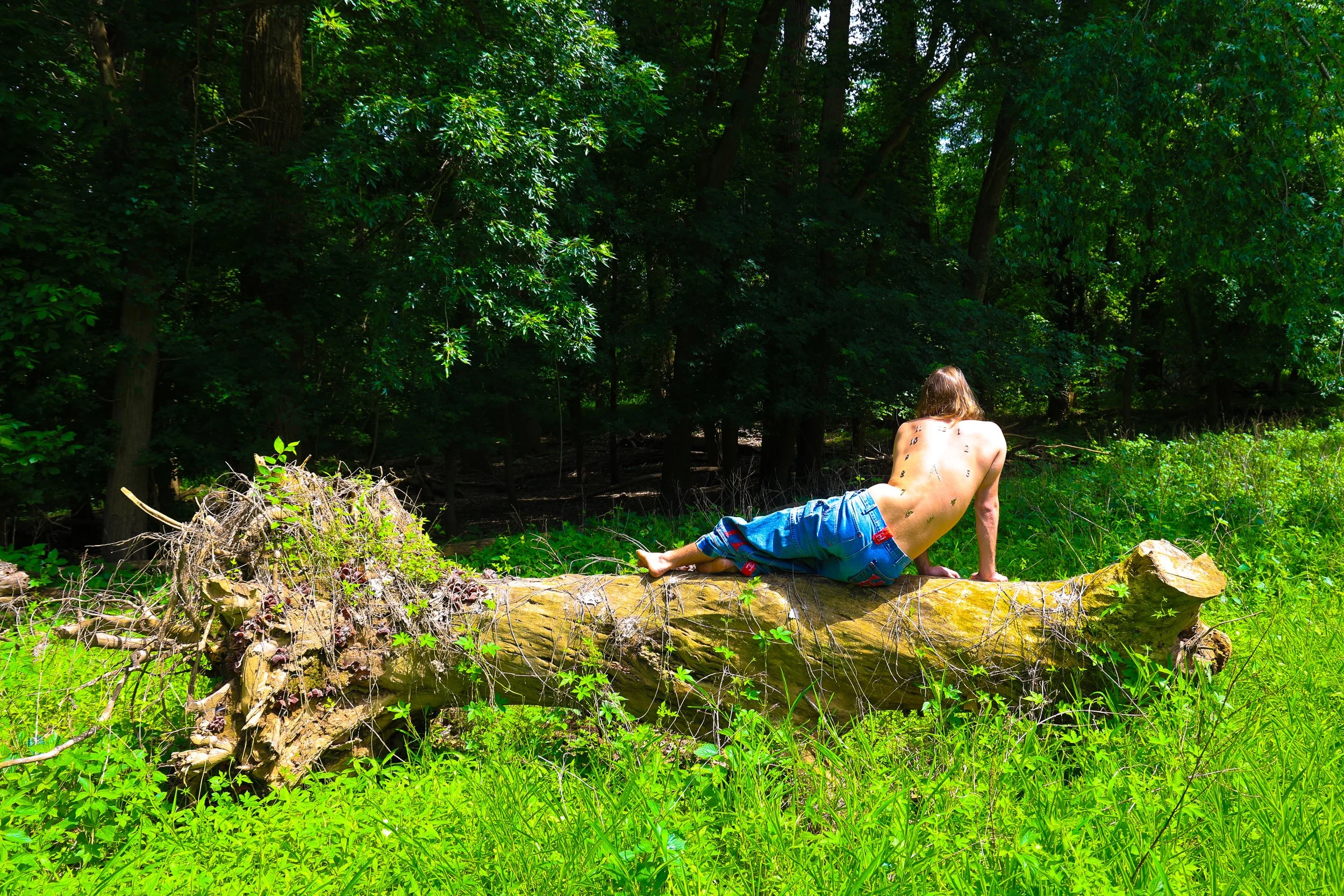
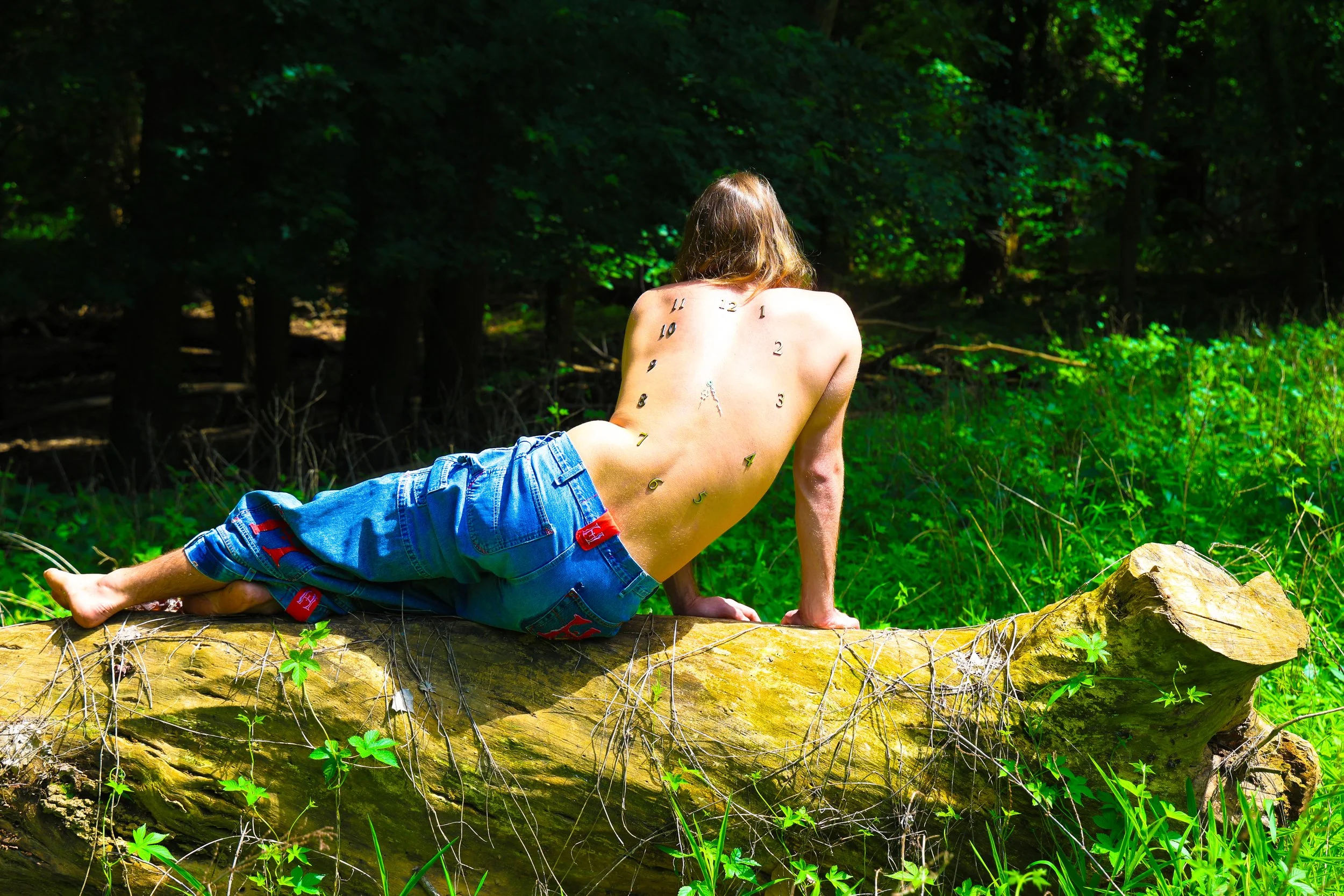
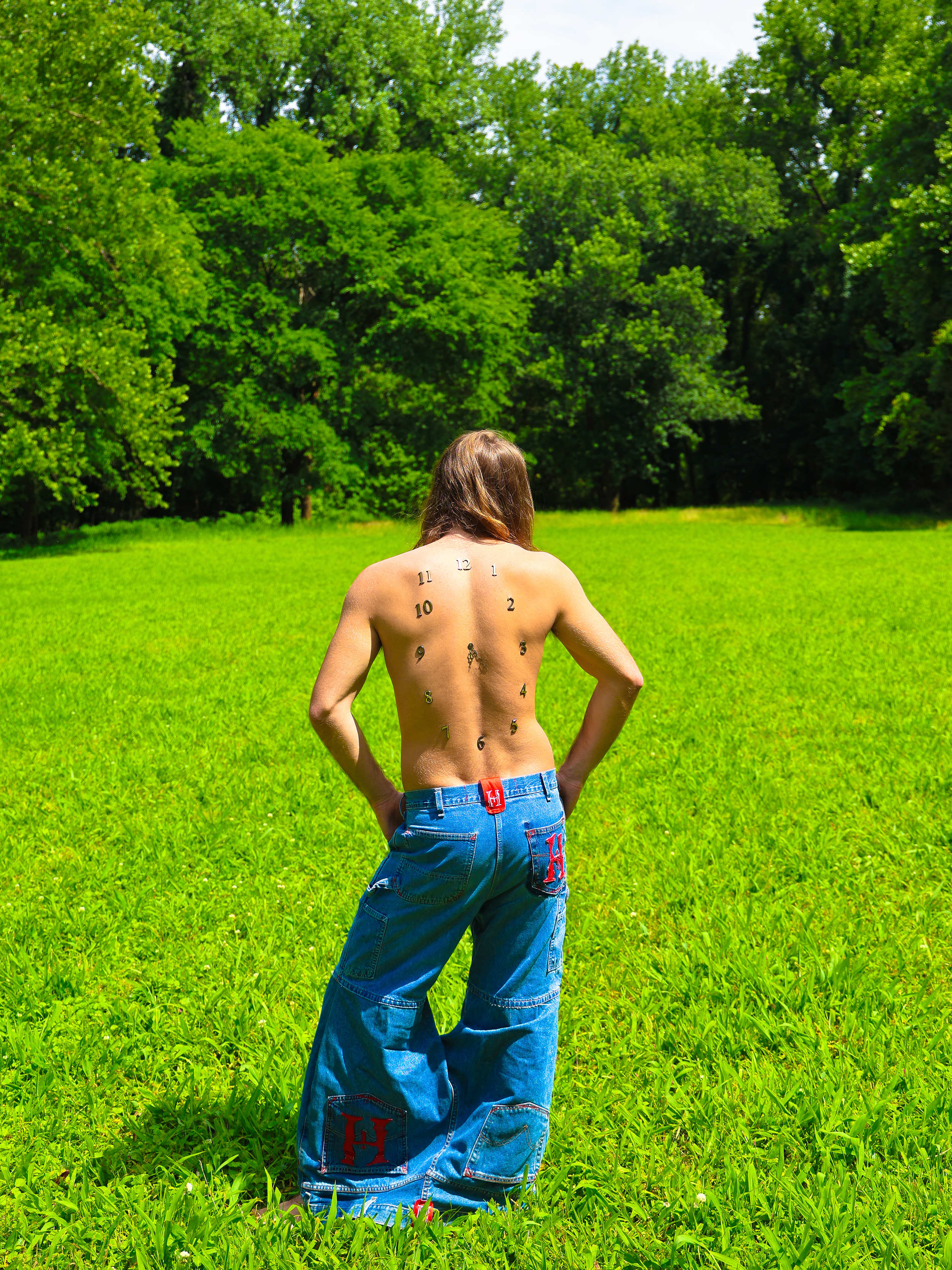
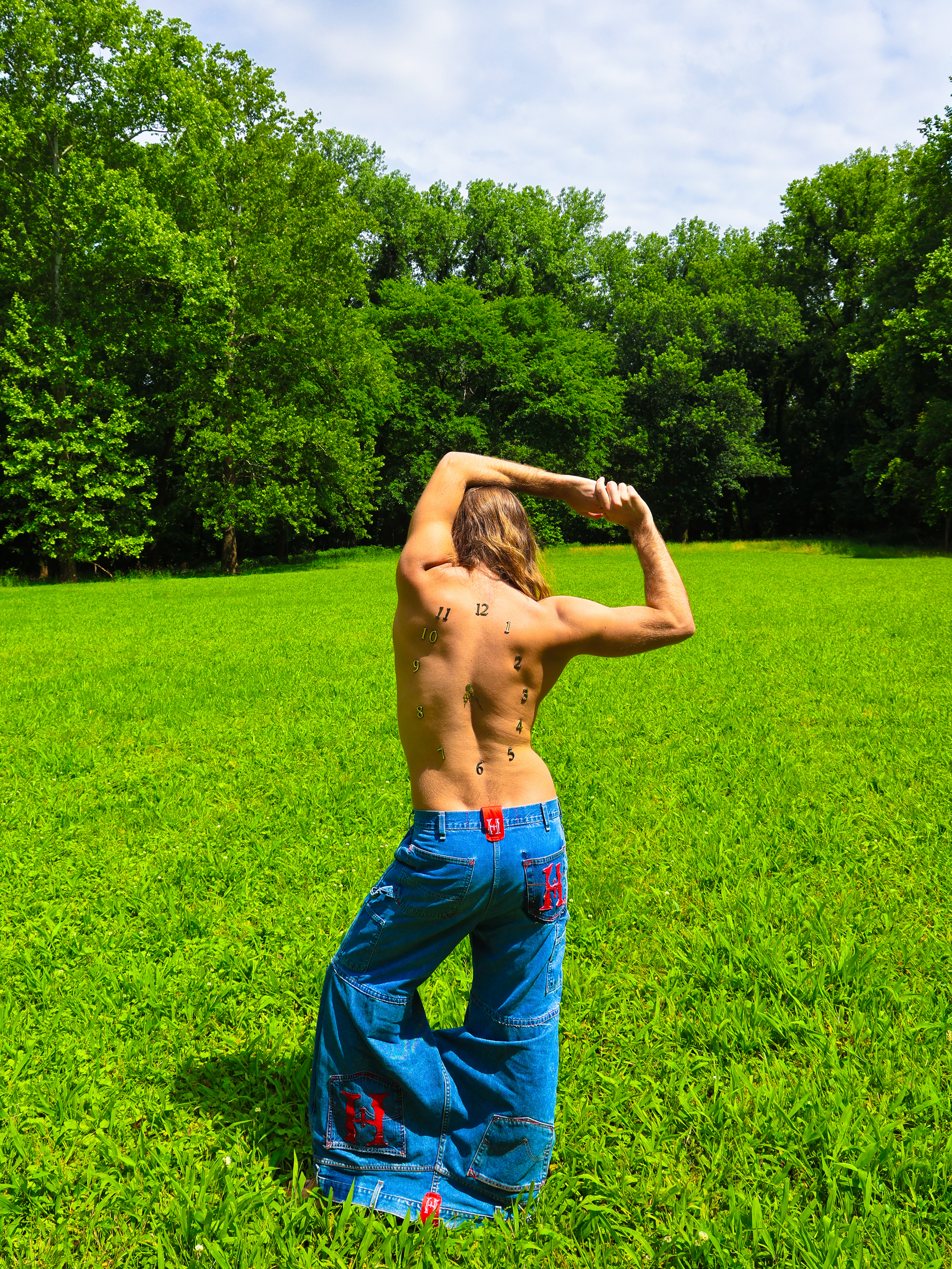
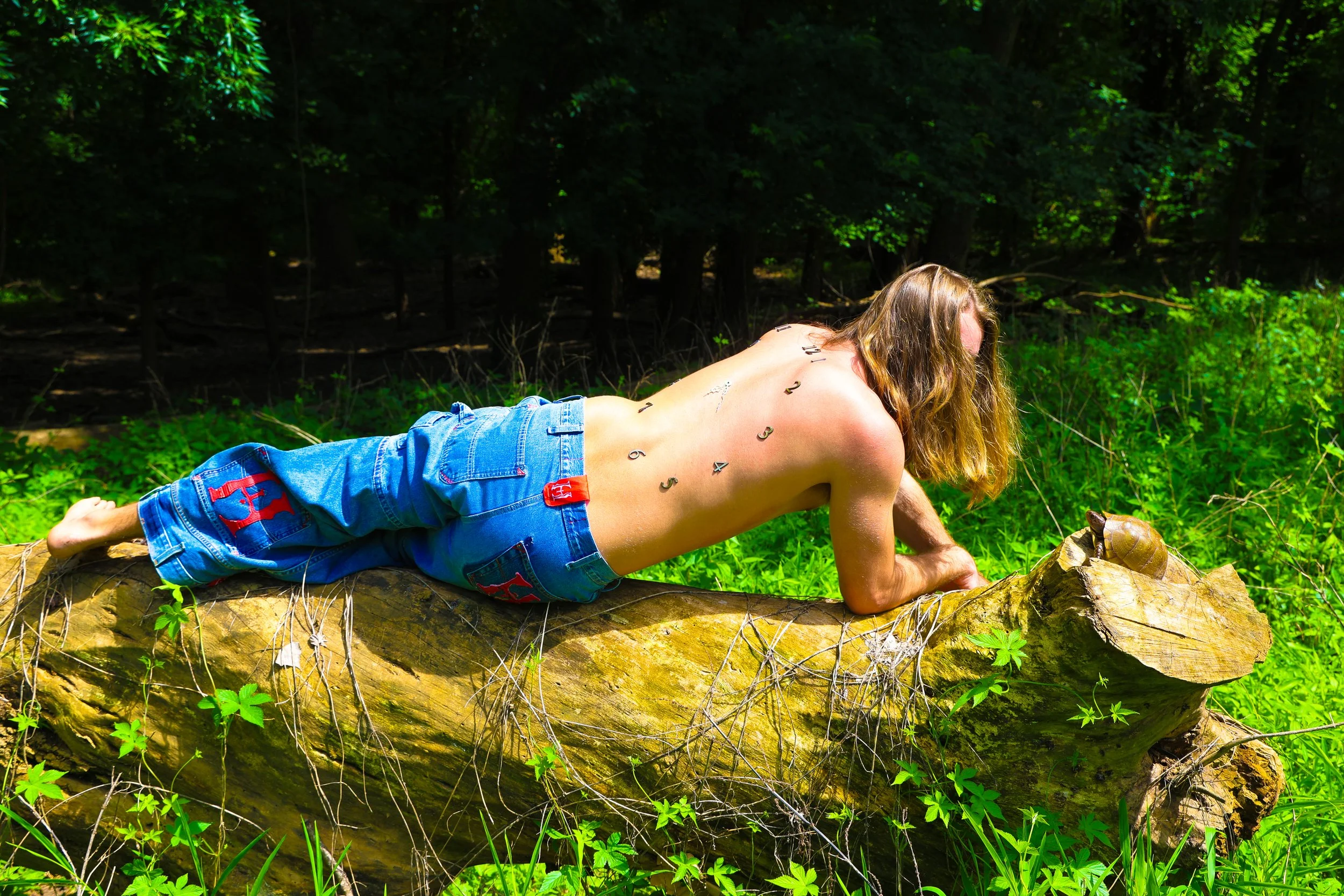
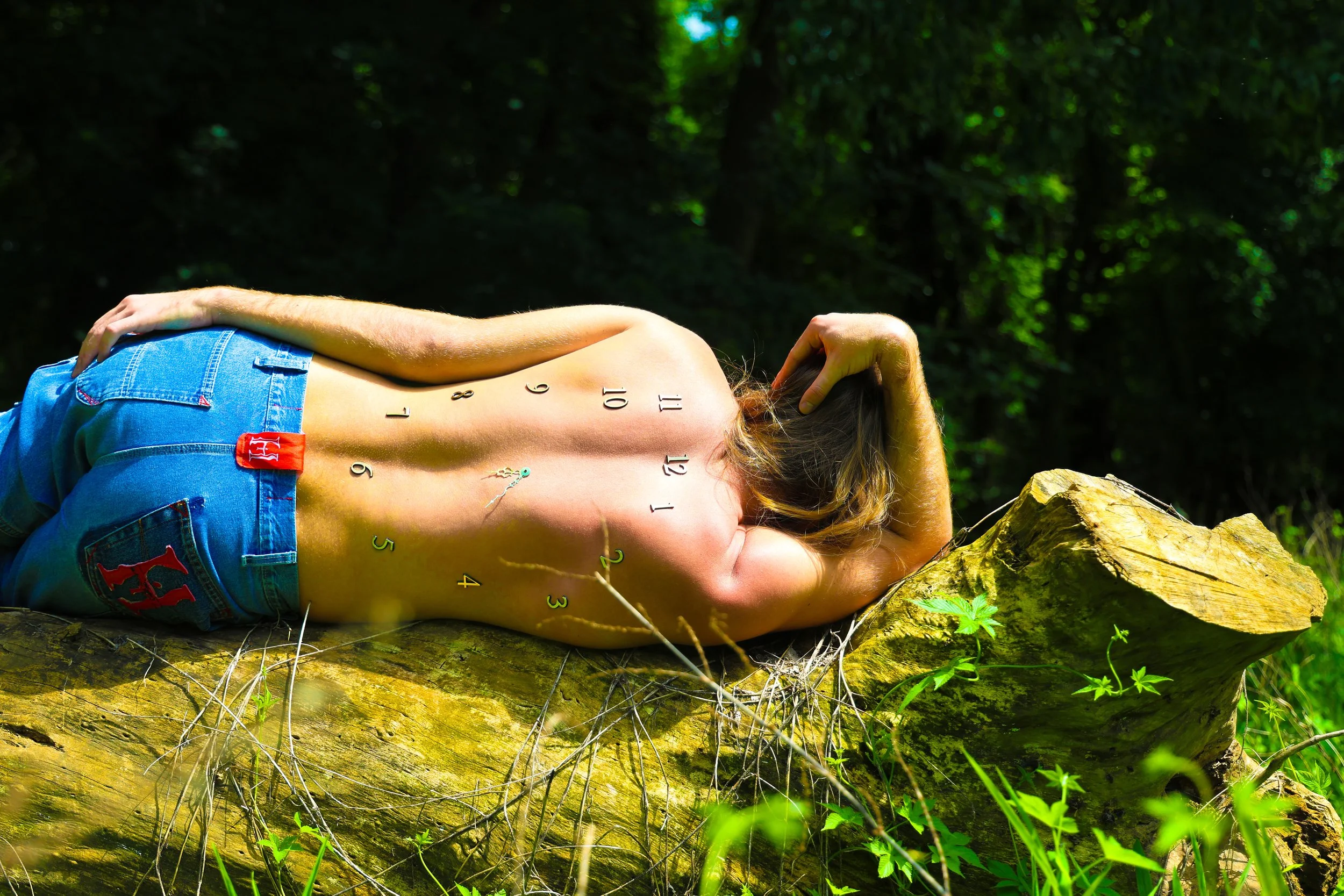
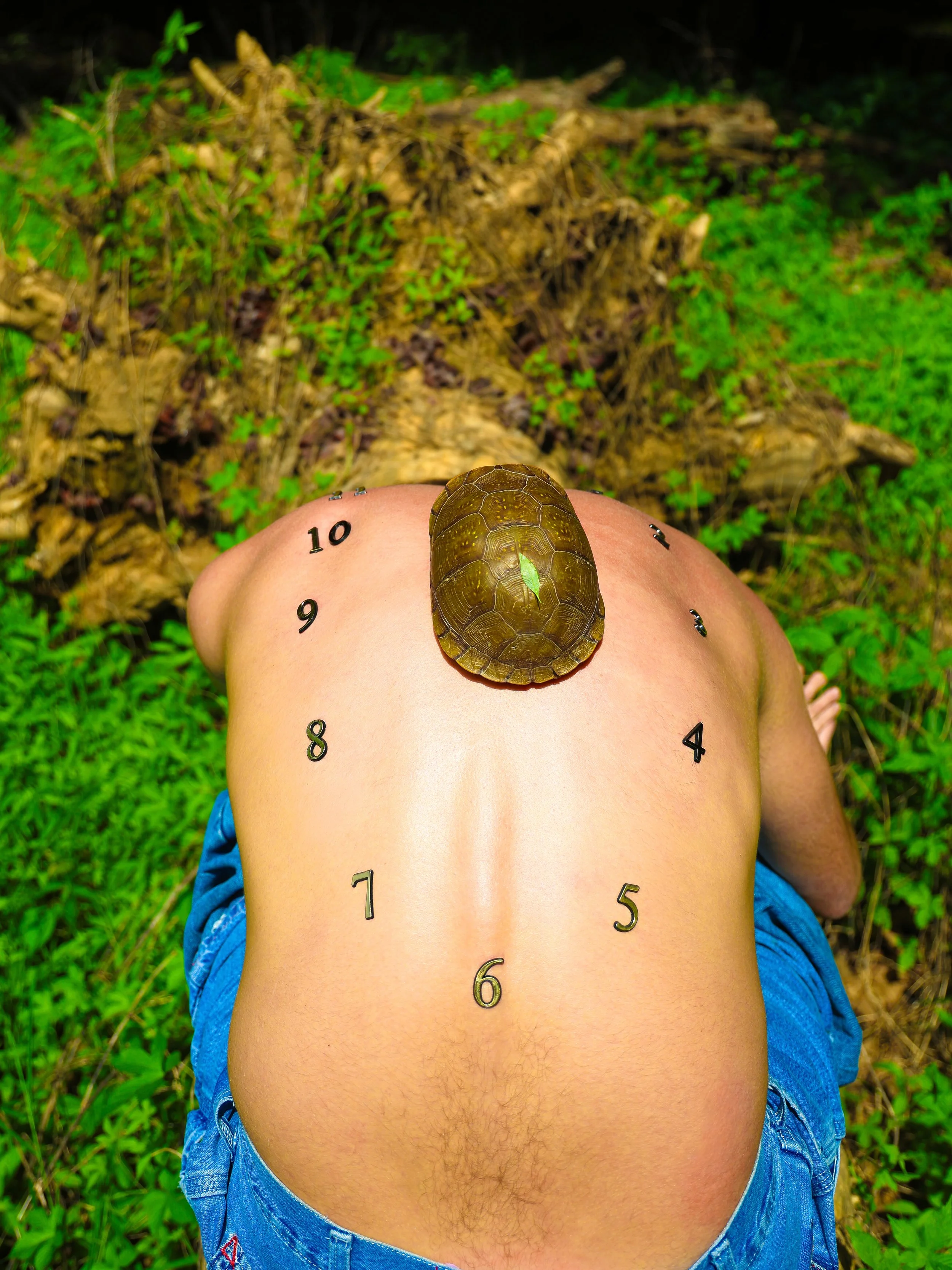
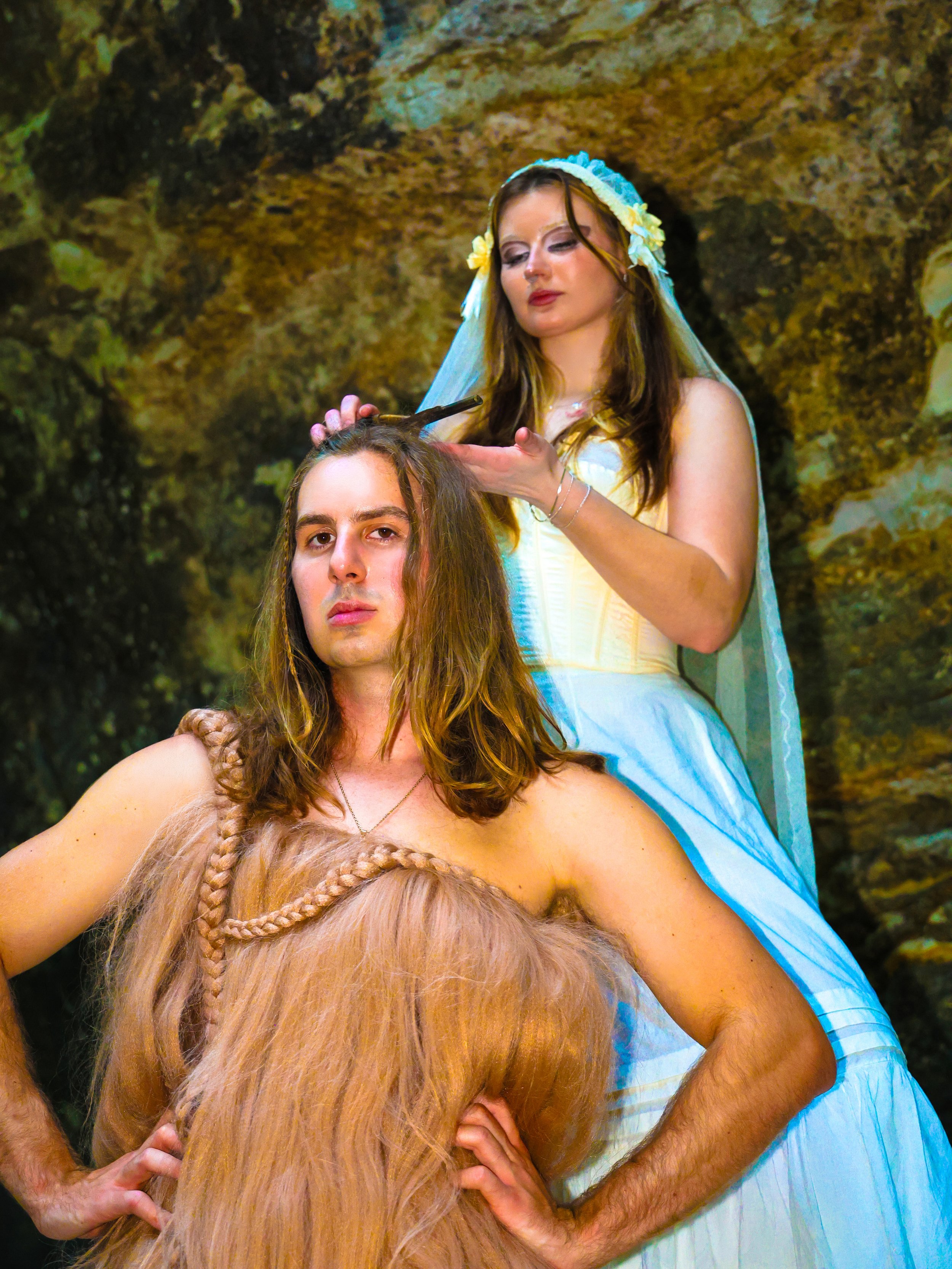
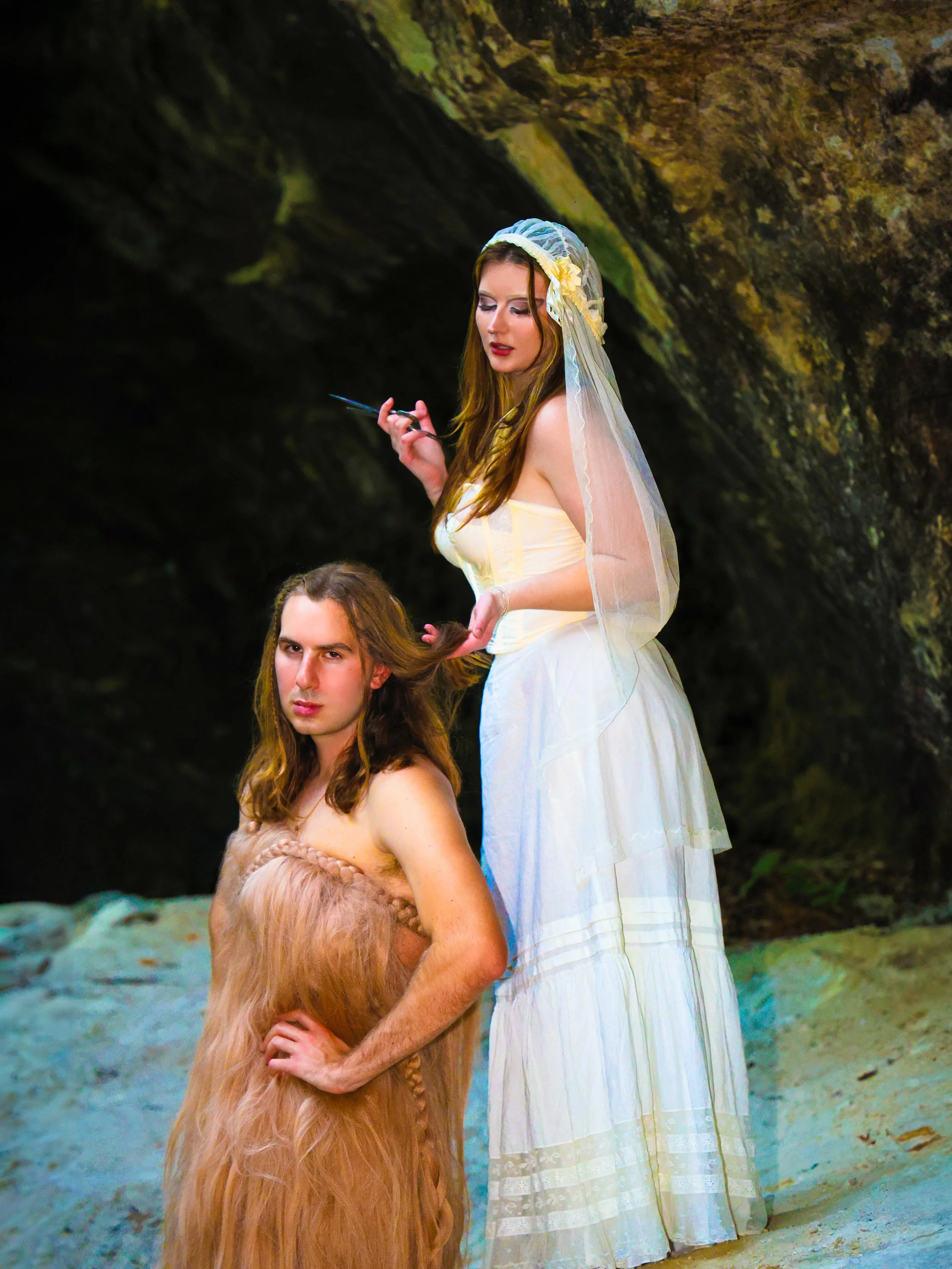
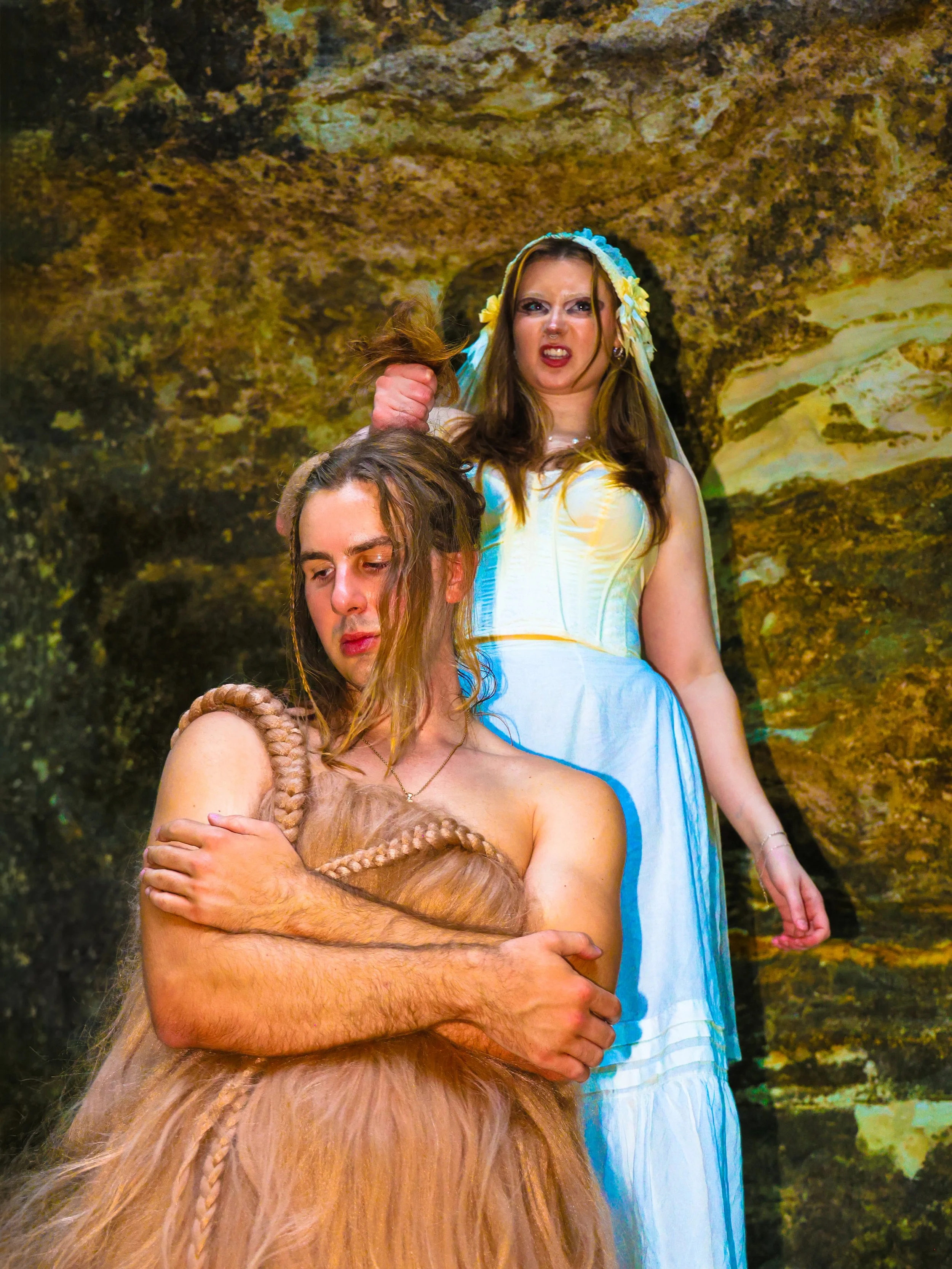
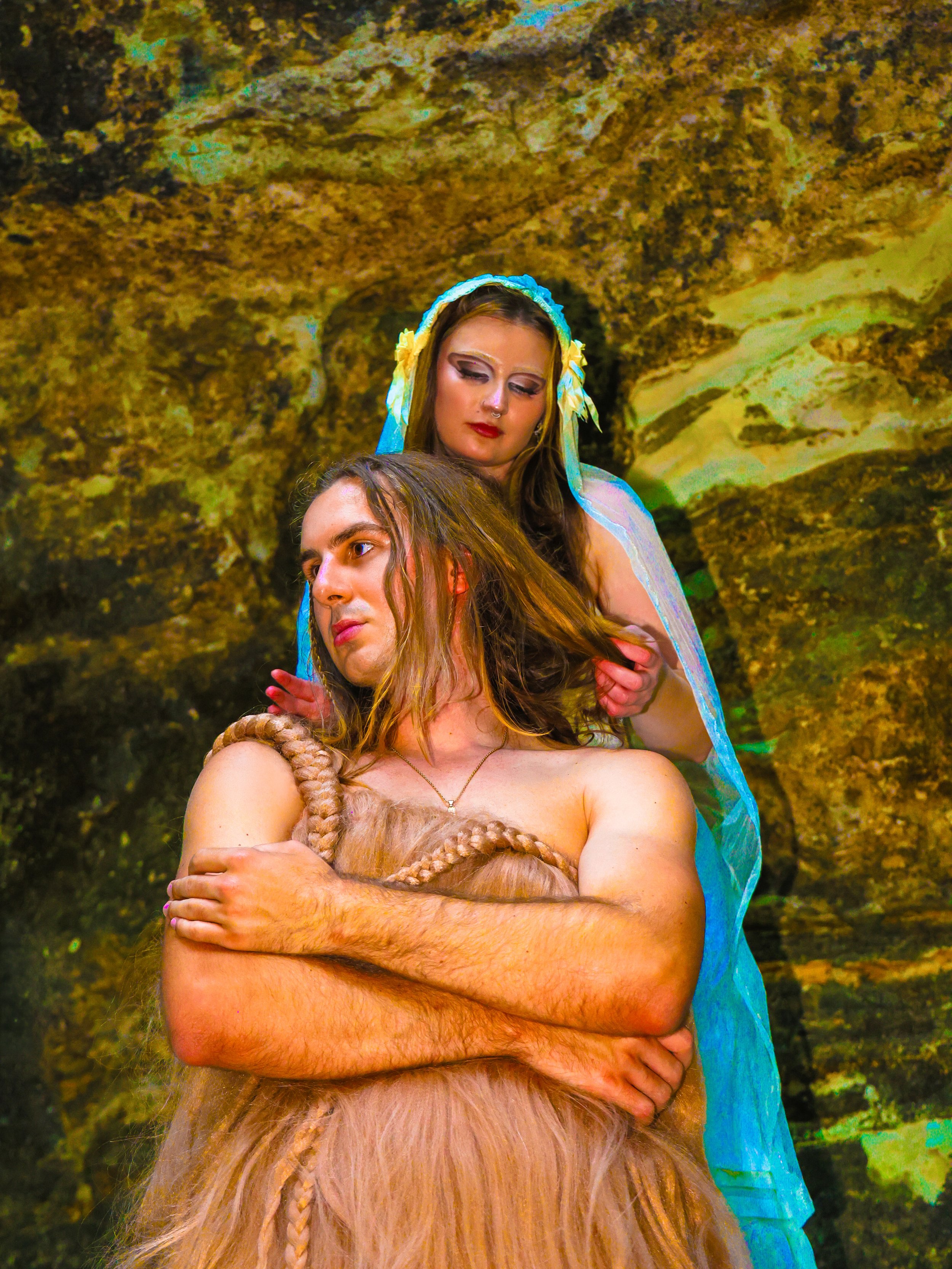
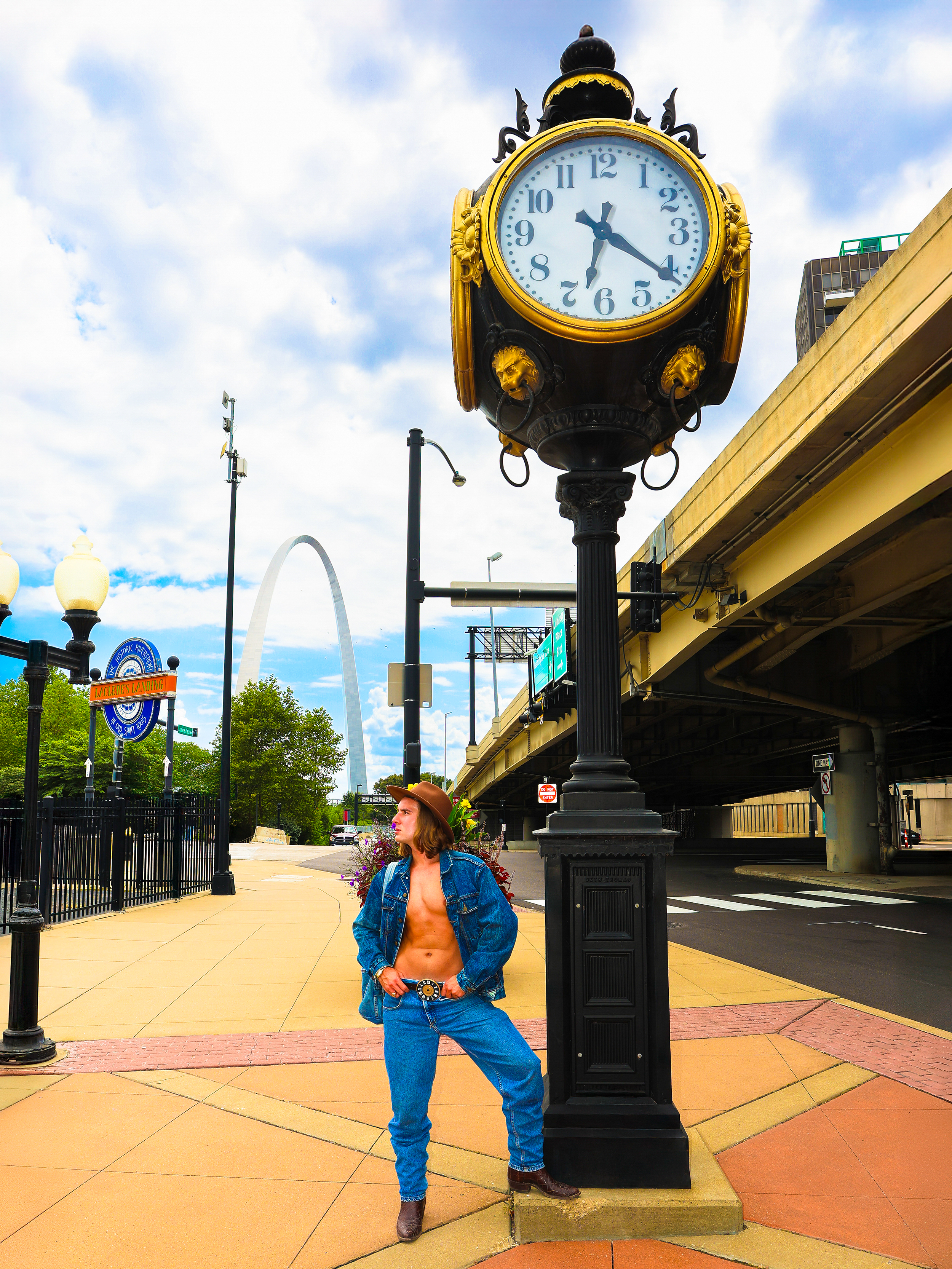
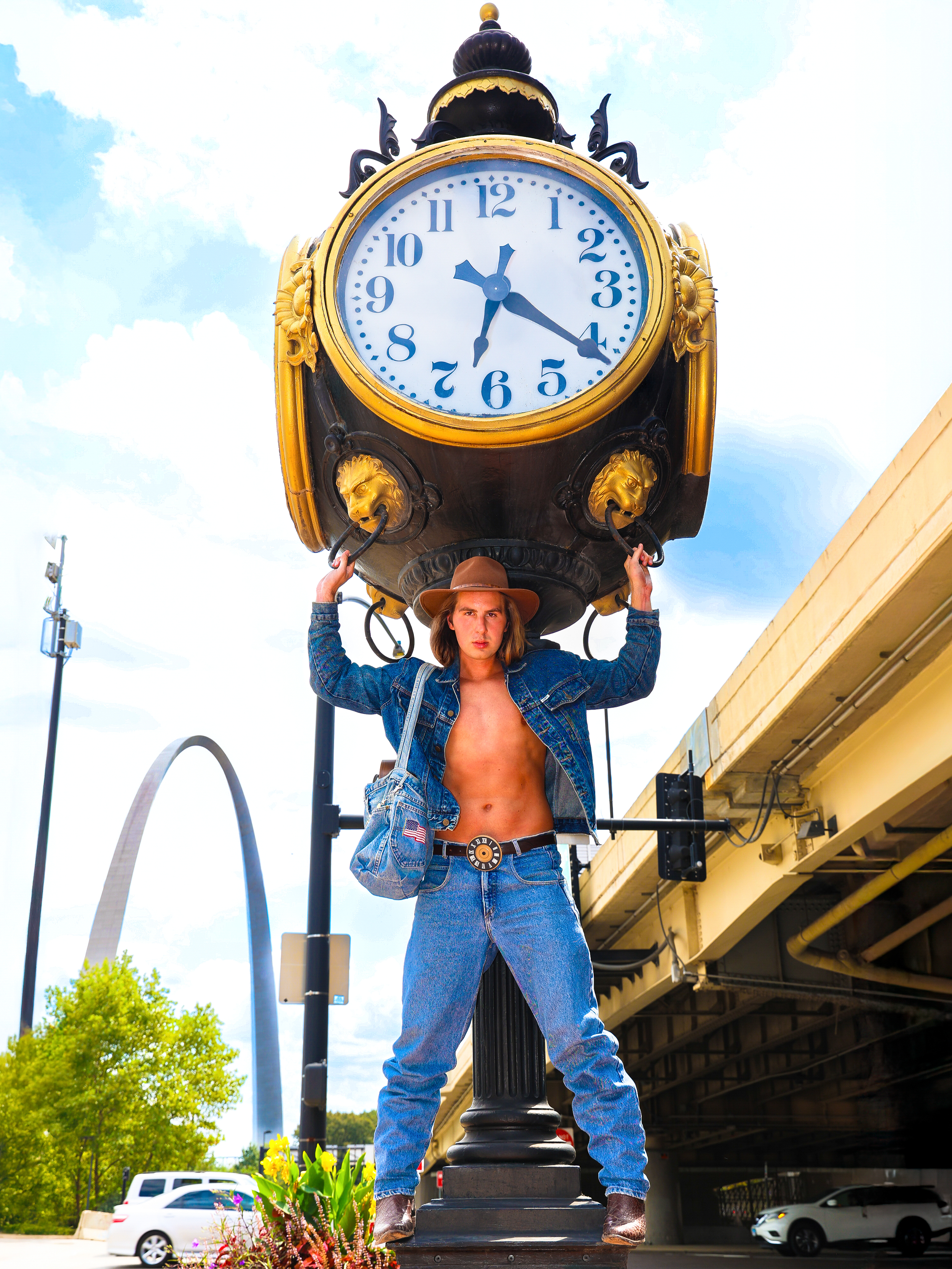
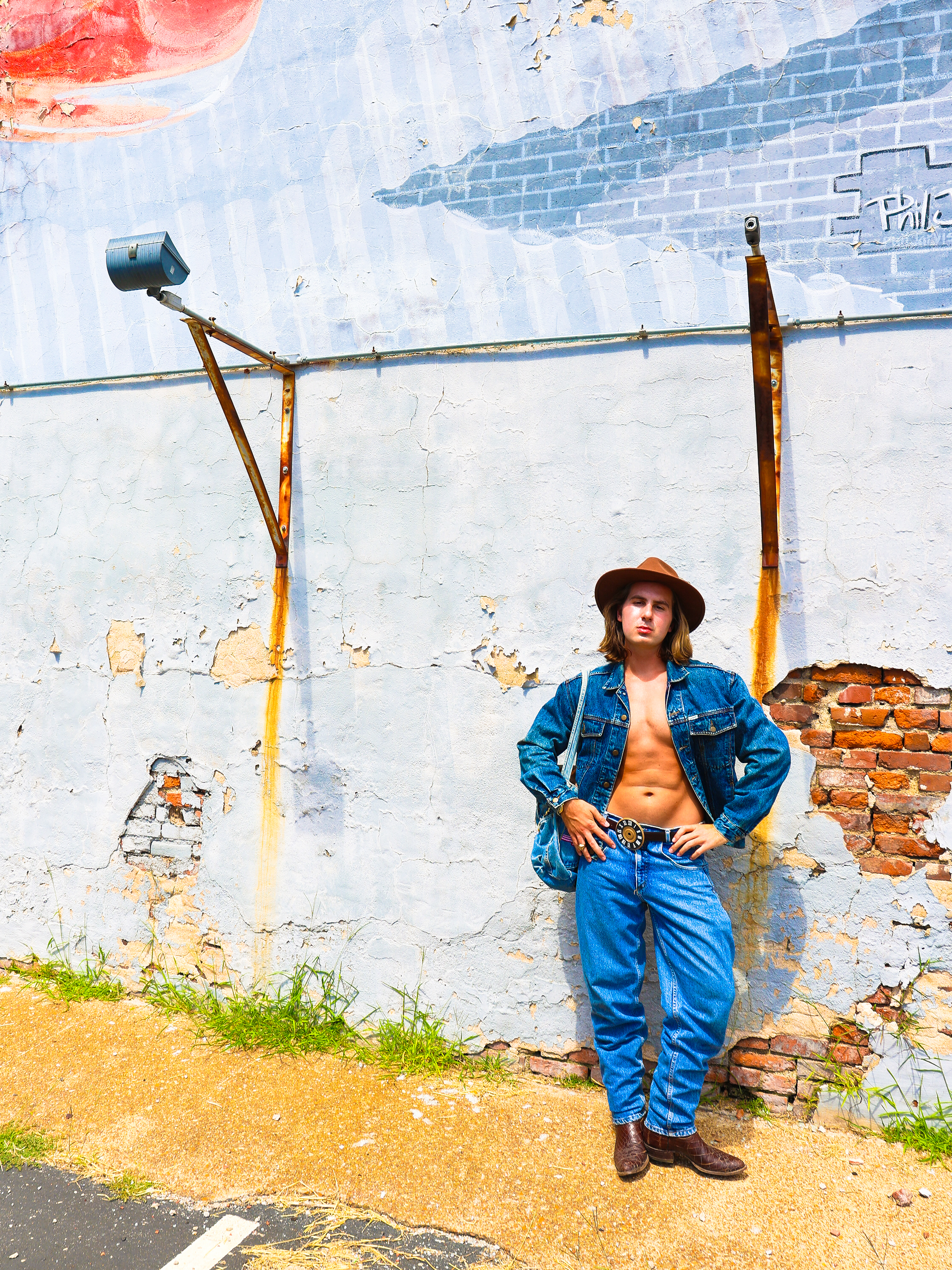
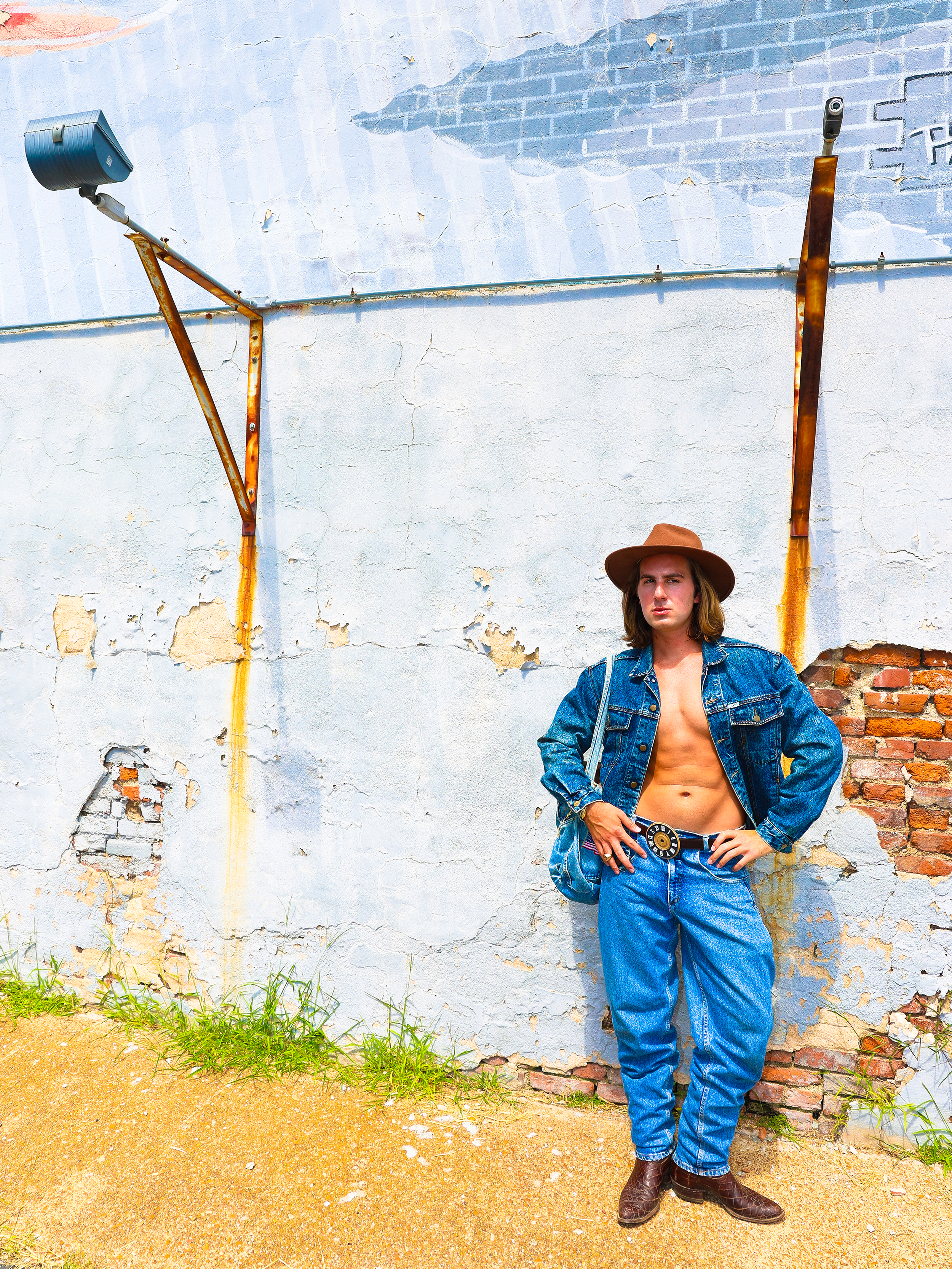
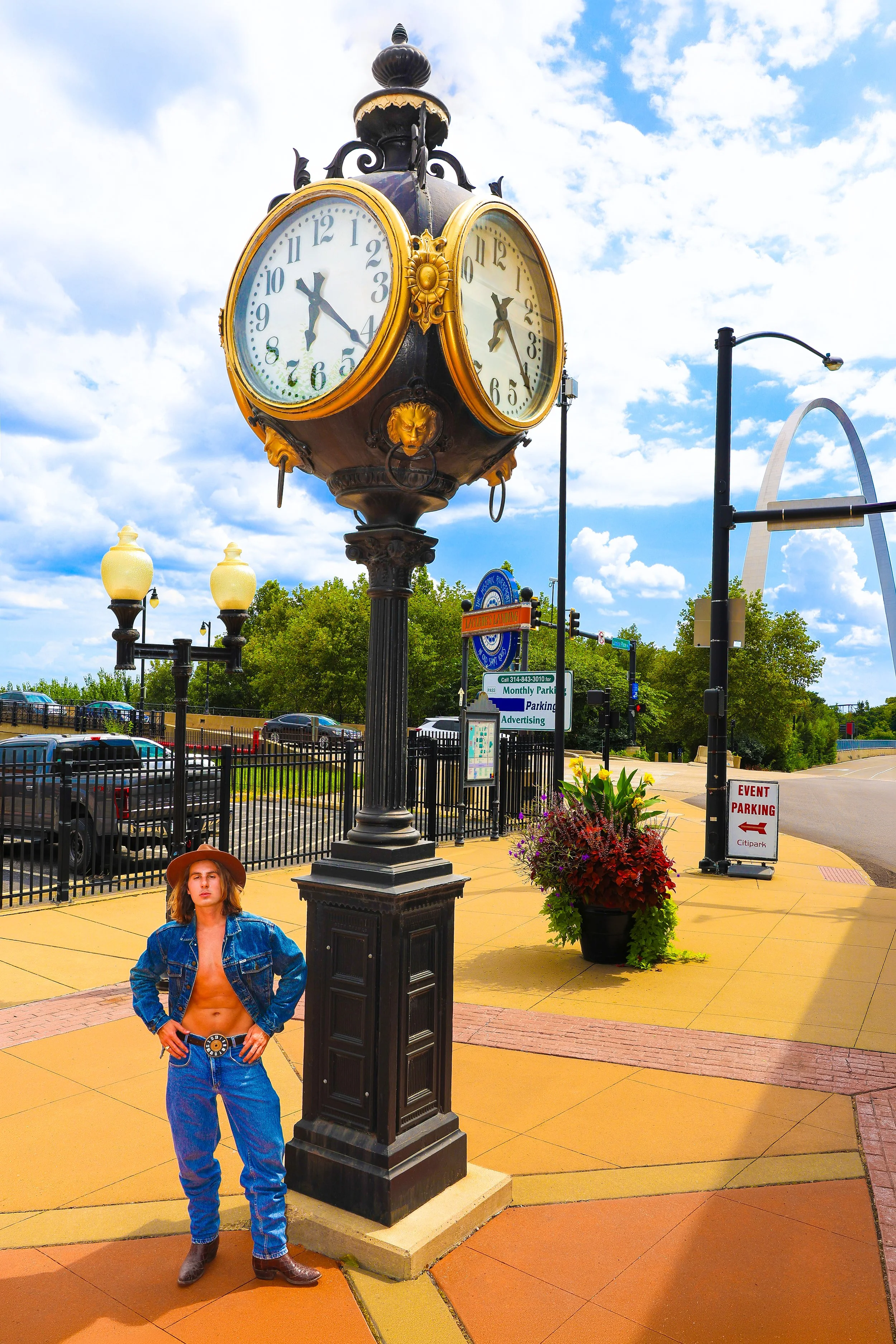
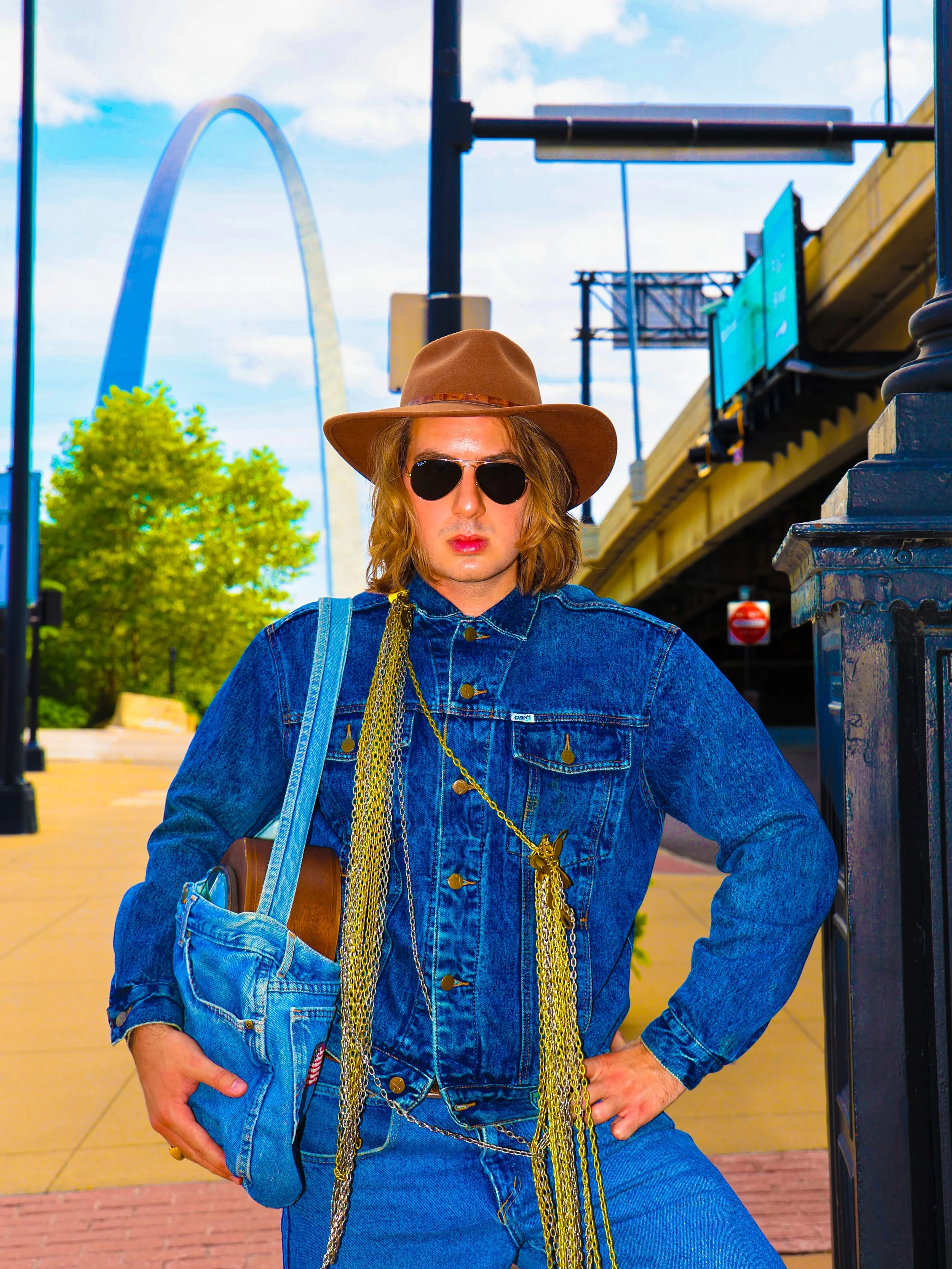
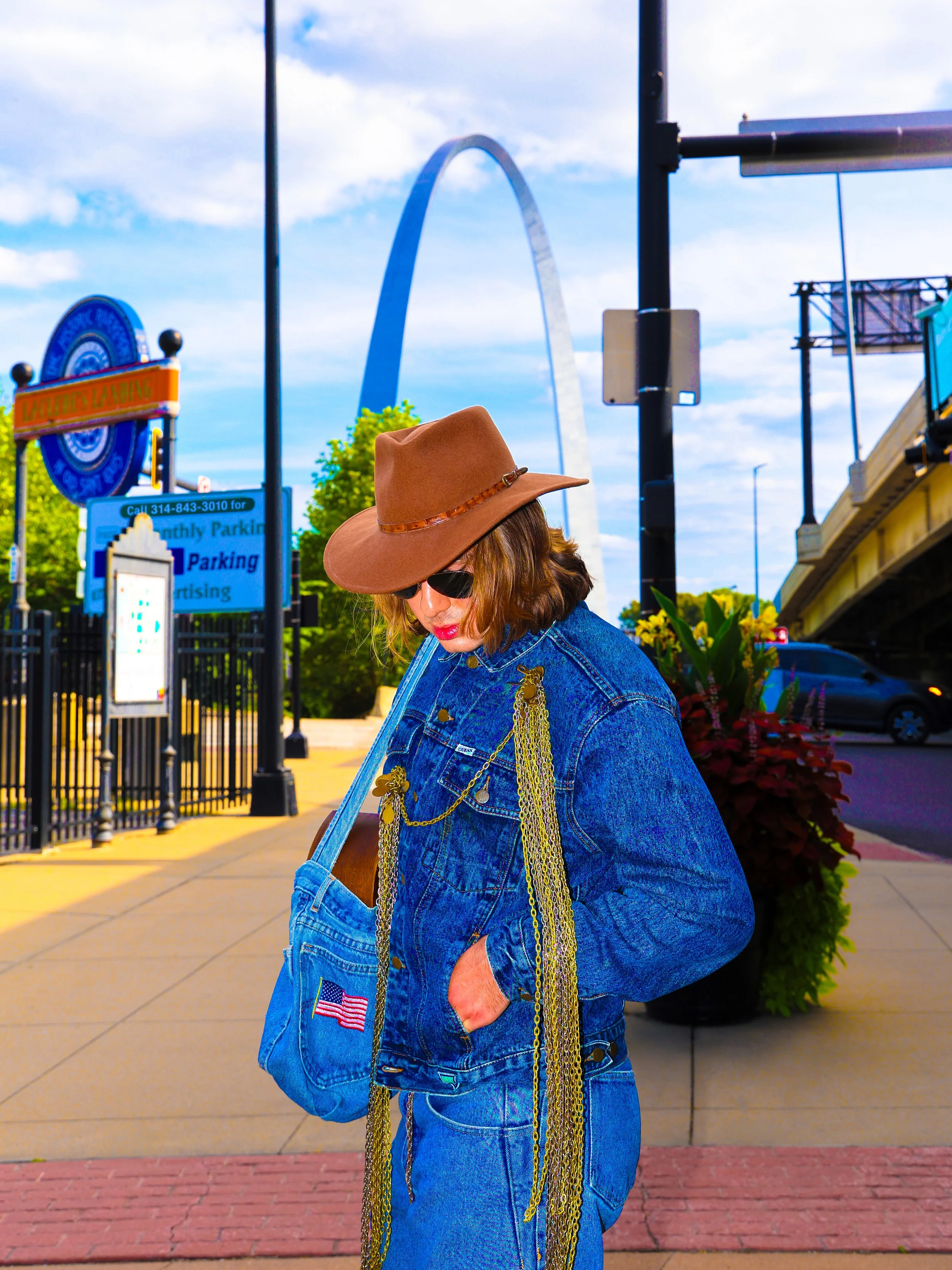
Other shoots in the issue saw me referencing Salvador Dalí’s The Persistence of Memory with clock numbers glued to my back and double-sided jeans made by my designer friend from home, wearing a dress made of human hair in the Missouri Ozarks, shaving my head in a Rick Owens cape, and climbing an old street clock in downtown St. Louis wearing a vintage Canadian tuxedo and cowboy hat from the back of my father’s closet.
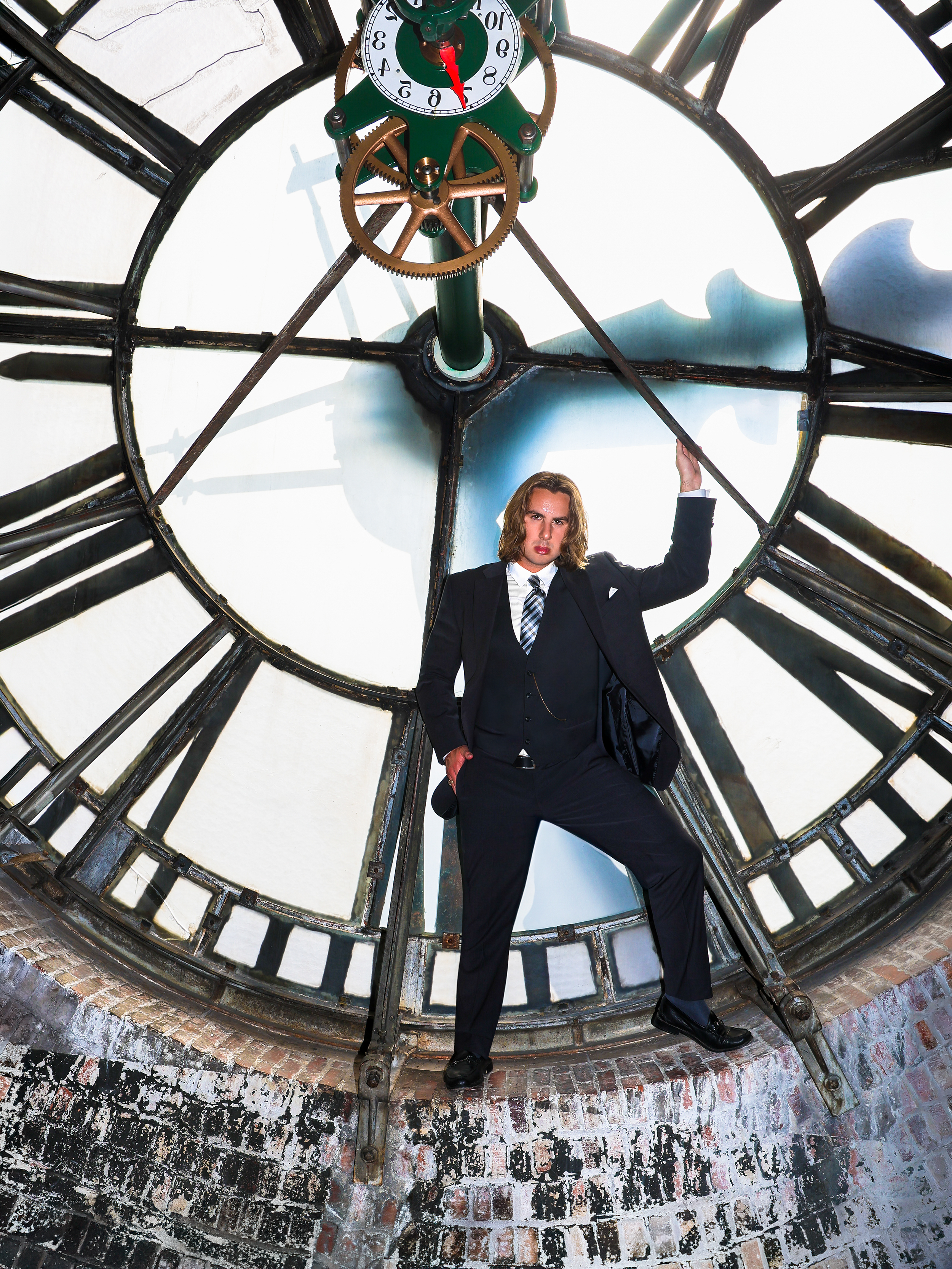
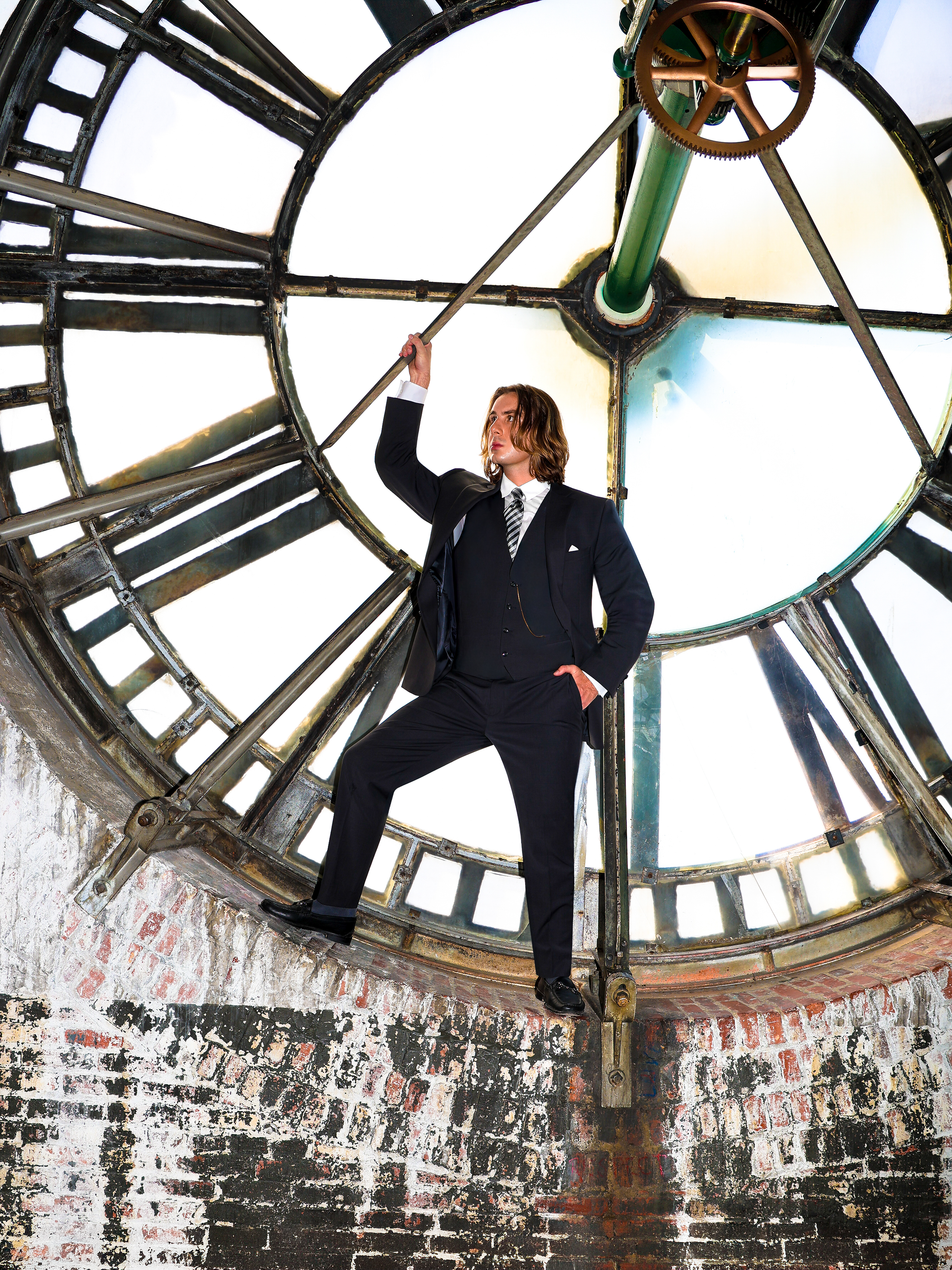
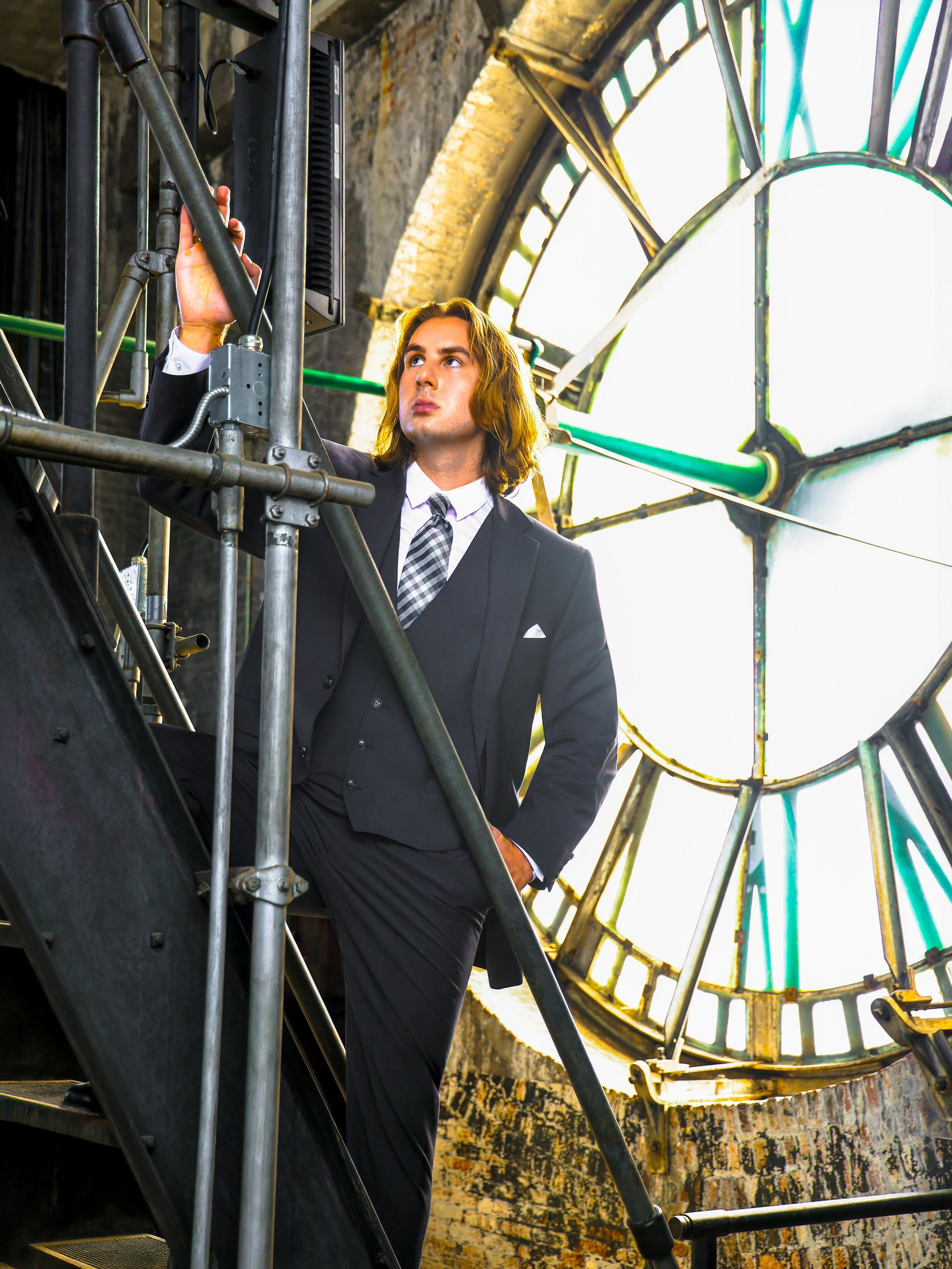
The photography felt unfinished. I wanted an element of timelessness, something that would make my ancestors proud. I decided to fly to Baltimore to shoot at the Bromo Seltzer Arts Tower, the largest gravity-driven timepiece in the world, and Ernst graciously accompanied me. Wearing a three-piece suit, I climbed the ladder up to the clock tower on the 18th story. Within five minutes of shooting, I was drenched in sweat. It was mid-June, and the sunlight was beating into the air-condition-less room on all four sides.
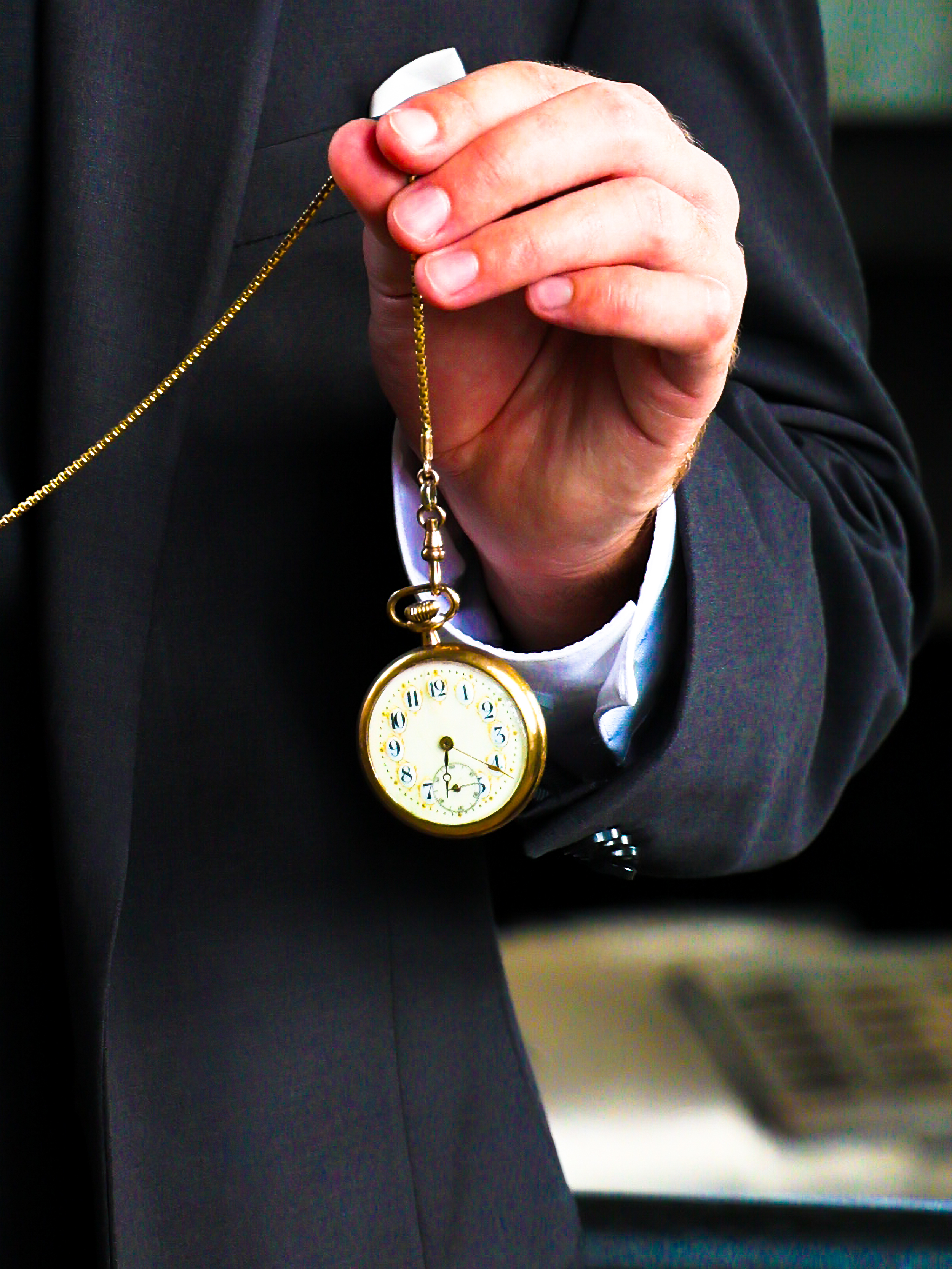
My great-grandfather, the first clockmaker in my family, had died one year prior. He was 103 years old. I always saw him as the definition of longevity, the kind of greatness that only improves with time. In the pocket of my vest, I carried him with me. He gave my brother and me matching pocket watches he made himself when we turned 10. “Every man needs a pocket watch,” he said. I never wondered how my then-90-year-old great-grandfather could make a pocket watch. To me, he was immortal, akin to Zeus reigning over Mount Olympus. He was the guardian of time, and in the clock tower, I felt what it was like to hold that kind of power.
Time has allowed me to create, destroy, and repeat into a redemption of my own making.
Eternal return first appeared in ancient philosophy as the idea that everything in your life would repeat exactly as is, over and over again, forever. According to the Stoics, the universe moved in cycles: 1) The cosmos expands, 2) It is destroyed, and 3) It begins again, identically. In the 19th century, German philosopher Friedrich Nietzsche reinterpreted and popularized the concept, framing it less as a scientific claim and more as a psychological test. His version of eternal return asked the question, “If you had to live this same life again, would you accept it or resist it?” The concept strips away the comfort of a final redemption and forces meaning into the present moment. All you have is this life, infinitely—every detail repeated. Every choice, joy, setback, mistake, and heartbreak is your reality forever.
My father taught me about eternal return when I was seven. We had long made a habit of reading philosophy books some might deem me too young to understand at the time. In fifth grade, I carried The Art of War by Sun Tzu around my school like armor. Maybe that was pretentious, but I did read it, even after a teacher snatched it off my stack of books and said I would never be able to.
When I was a junior in high school, my English teacher gifted me a poetry guidebook with numerous classic examples to learn from. That whole semester, I read and reread “The Love Song of J. Alfred Prufrock.” The line “There will be time to murder and create” consumed me. When I learned that its author, T. S. Eliot, was born and raised in St. Louis, I felt understood. It gave me a responsibility to carry on making things. I discovered I was a part of a cycle that transcends time.
I’ve always related to the cyclical nature of eternal return. As a child, I remember thinking it explained everything: why I am the way that I am. My life has been a series of twists and turns leading me to where I am today. I’ve been blessed with family members who gave me the strength, tenacity, and courage to be an artist, to be me. Every aspect of my life has been informed by decisions my family has made, many long before I was born. Now, my younger self informs my current self. In a way, I always knew I would end up here at this very moment. When I look back, I can see that now. Everything affects everything.
Time is also cyclical. One could argue it’s predictable. The hands on a clock move in perfect recurrence, like clockwork they say. But how can something be predictable if it’s impossible to understand?
Humans have grappled with the passage of time forever. Over millennia, we’ve used clocks, watches, calendars, zones, and astronomy, attempting to construct time into something tangible. We track its passage to defy our own mortality, an undertaking that has never been able to redeem us.
What if not everything is meant to be understood? If we were told the secrets of the universe, what would be the meaning of life? Is it enough to just be, right now, in the present moment?
For me, the answer is yes. Artistry has allowed me to wield time as my greatest asset. Time has allowed me to create, destroy, and repeat into a redemption of my own making. Creation has allowed me to eternally return to the version of myself I’m most proud of, my childhood self—uncorrupted by life, forever running around in a dizzying circle and falling free.
I will always be that kid, rocked to sleep by the sound of my father winding the grandfather clock in the foyer and awoken by the chimes of one million clocks on my nightstand, across the hall, and down the stairs.
Some never ran but only chimed in spirit. I always wondered why, in all my family’s homes, half the clocks on display were either set to the wrong time or in desperate need of repair. It felt like the whole world’s clocks worked except for ours.
Charmed as I was by the clocks’ beauty, I could never rectify how they were untethered by the sands of time. From a young age, I often asked my Baba, “How could a family of clockmakers be so careless about their own clocks?”
I know now that time is just another one of life’s abstractions. It’s not a finite resource that can be spent like money. Nor is it infinite, a resource used freely and carelessly like the air you breathe. Time is this moment, nothing more and nothing less. How will you choose to live it? •
Eternal Return
In my mind, lives a singing cuckoo bird.
The top of my darkest hour is bright.
Life begins anew when her voice is heard.
In my eyes, pendulums swing left and right.
Perceptual vision aligns in sway.
Bringing my imagination to light.
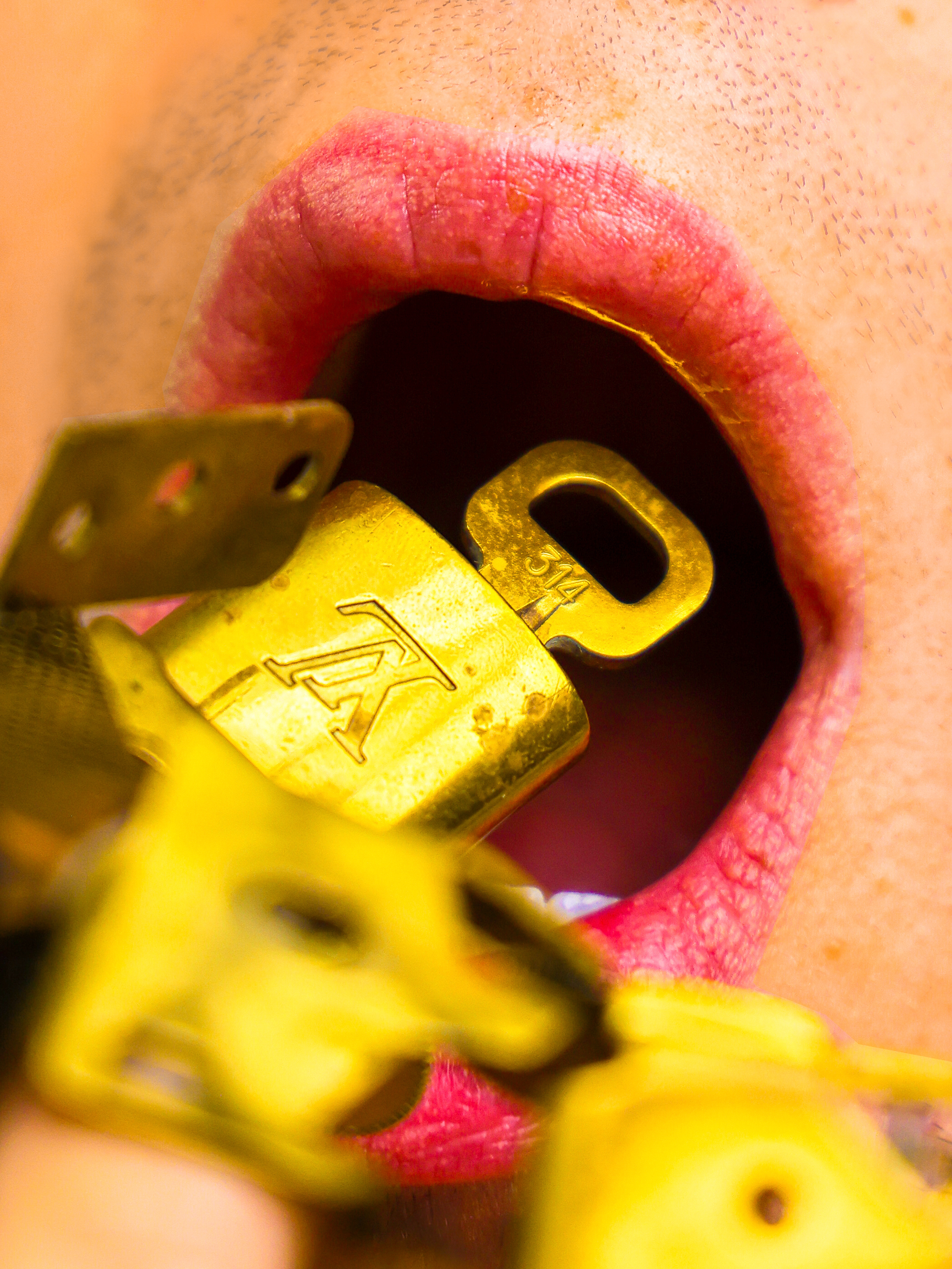
In my mouth, a chime is locked away.
I count one, two, three, and swallow the key.
My voice shall awake in the break of day.
In my heart, a spring unwinding me free.
Making my ages of pain beguile.
May the love of one million movements be.
In my gut, gears turn and churn like bile.
Machinations of my fears’ replacement.
Regurgitated machines reviled.
In my feet, I harbor my escapement.
Echoing the softness of the songbird.
Caged, yet chirping my soul to elatement.
Editorial
Photography: Philip Hiblovic, Peter Dunphy, Natalie Ernst, Storey Slone, & Carson Cornett
Creative Direction: Philip Hiblovic
Styling: Philip Hiblovic
Hair: Philip Hiblovic
Nails: Philip Hiblovic
Set Design: Philip Hiblovic
Production
Editor-in-Chief: Philip Hiblovic
Executive Producer: Philip Hiblovic
Story: Philip Hiblovic
Poetry: Philip Hiblovic
Layout: Philip Hiblovic
Publisher: Philip Hiblovic
Fashion
1 │ Phlash Studio
Philip Hiblovic clock movement garment, wall clock shoes, pendulum necklace, & mechanical nails; Vintage mink fur scarf & cross; Chanel earrings; Omega watch; Karlo Tanko rings; Louis Vuitton key & lock
2 │ Helen’s Clock Company
Philip Hiblovic headpiece; Wrangler jeans
3 │ Castlewood State Park
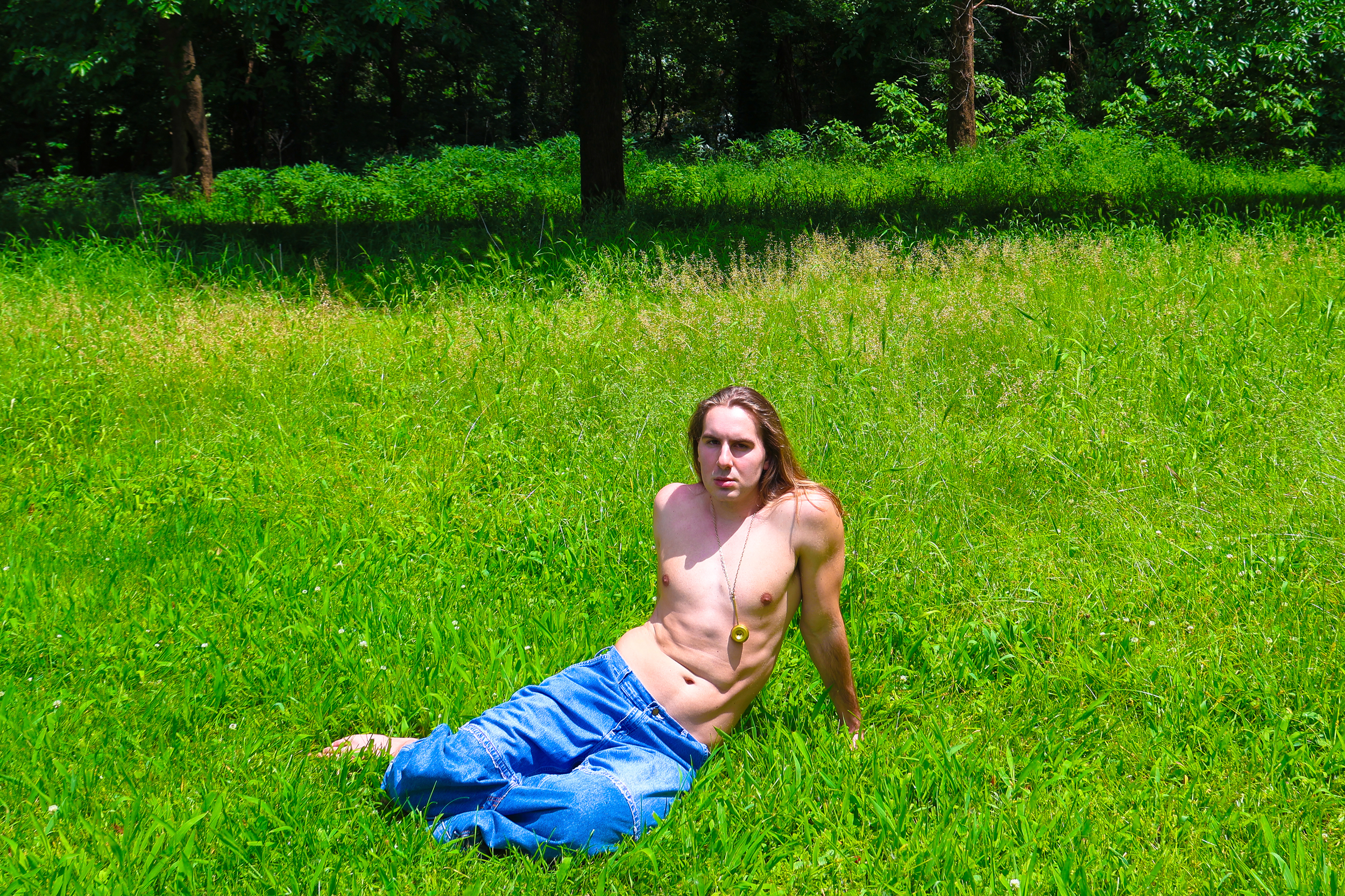
HAUEISEN jeans; Philip Hiblovic necklace
4 │ Don Robinson State Park
Philip: Ulyana Gir dress; Karlo Tanko cross
Natalie: Vintage skirt, top, & veil
5 │ Laumeier Sculpture Park
Rick Owens robe; Maison Margiela boots; Vintage jeweler’s eye
6 │ Laclede’s Landing
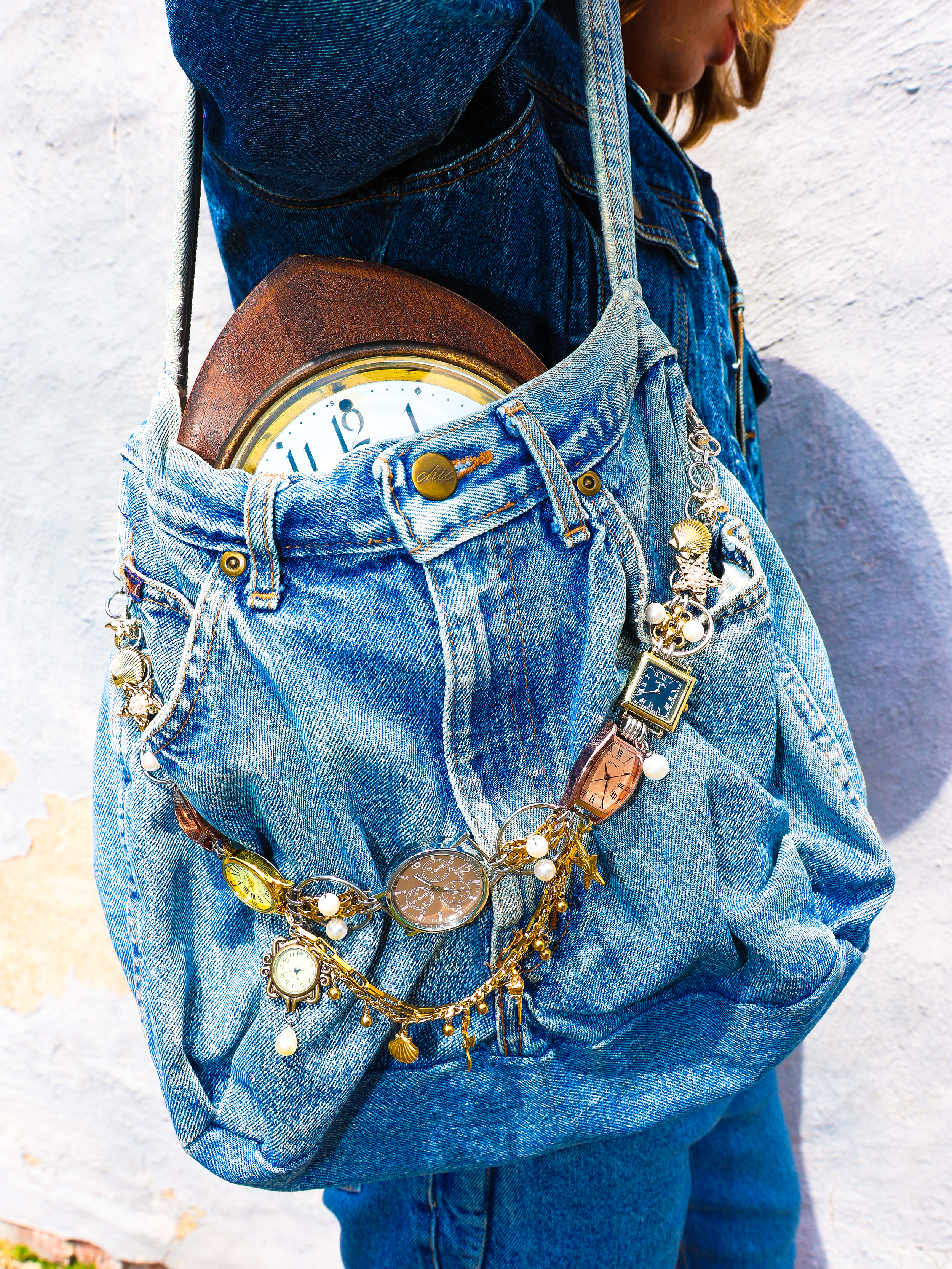
Guess jacket & jeans; Tony Lama boots; Stetson hat; Ray-Ban sunglasses; Philip Hiblovic belt & body jewlery; Karlo Tanko ring; Vintage upcycled jean bag; Mo Jone bag strap
7 │ Bromo Seltzer Arts Tower
Calvin Klein suit; Tom Ford shirt & pocket square; Gucci loafers; Vintage tie; Karlo Tanko pocket watch; Saint Louis University Highschool ring