Renegade
Rock, Roots, & Rebellion
“I’m gonna go check it out, since nobody else wants to. I feel like I’m gonna throw up. I need to be on solid ground.”
“Philip, you can’t walk on that barefoot.”
Minutes later, I dive in. Residual water splashes across my mom’s face mid-sentence.
I feel liberated. All day I’ve been trying not to throw up. When I do try, all that comes out is air, so that must mean I’m not actually seasick. I’m not that weak. A motorboat tour of the coast of Milos isn’t exactly something to complain about. I take every chance to jump in the ice-cold Aegean Sea with my twin brother. It’s the kind of cold that comes rushing in as spring turns to summer. There’s warmth in it.
As I emerge from the water, I ascend into Thiorichia, a public beach containing a sulfur mine abandoned in the 1970s. Before me is a ghost town of ruins, rail wagons, and rusted machinery.
“MASO!” The writing is on the wall. On this tiny Greek island, the graffiti tag is in plain English.
I adjust my eyes. The spray paint cracks shine in the scorching afternoon sun.
It clearly says “MASO!”
“It can’t be a coincidence,” I tell myself. It’s stylized the same way and everything.
I want to be home in St. Louis. I want to get to work. I want to renegade.
My friends and I were calling ourselves “renegades” since we were 11 years old. We’ve always been renegades.
Maso! and I sit across from one another at a picnic table in University City. There’s destruction all around us. 100-year-old trees rest atop unsuspecting vehicles for blocks. Miles of restaurants and shops sit closed due to power outages. A peculiar cocktail of devastation and resilience lingers in the air.
We are in Maso!’s dominion. He grew up down the street from where the tornado touched down earlier this week, decimating an entire community without warning. St. Louis is strong. We know this. According to Maso!, U City is our beating heart. “Growing up in U City was one of the best things about growing up here. A lot of my friends that I still have to this day grew up around me or in the same neighborhood. We had a lot of different outlets to be creative. St. Louis has always been a powerhouse in music and entertainment, but U City, especially within the past 30 years or so, has been at the forefront of that.”
Maso! and I sit brainstorming for the latest issue of 21 Artistry. Words like “rockstar,” “motorcycle,” and “lineage” make their way onto my napkin in messy ink.
“Renegade,” I blurt out. I was listening to the Styx song on the car ride here.
“My friends and I were calling ourselves ‘renegades’ since we were 11 years old,” Maso! says. “We’ve always been renegades.”
“This meeting is over,” I say. “Coming up with a title that good is enough work for one day. We are literally geniuses.”
“Do you listen to Playboi Carti at all?” Maso! asks. “He’s got a lyric in one of his new songs, ‘This bitch ain’t got no vision / I’ma go’n ‘head and give it to her / I just been feelin’ myself / I found Jesus, Christian Dior.’ He snapped. Hearing him say that… It’s like, ‘Nah. These bitches really don’t have no vision.’”
Sitting on the Mississippi River, St. Louis has long been a cultural crossroads where music genres cross-pollinate and bloom into something entirely new. Historically, St. Louis is not only where rock ’n’ roll was born, but where it evolves. You can trace the modern history of American music through St. Louis alone, moving from Scott Joplin’s ragtime syncopation at the turn of the century, to Mississippi River blues and jazz migrating from the South and manifesting in trumpeters like Miles Davis, into Chuck Berry’s homegrown rock ‘n’ roll performed on Delmar, through the groovy funk and soul sensibilities of a burgeoning Tina Turner, and finally into hip-hop pioneered by icons like Nelly.
That musical lineage is Maso!’s birthright. Born Mason Lewis, he was raised in University City, an inner-ring suburb located in St. Louis County, home to the iconic Delmar Loop. “So many greats have come from St. Louis, and they continue to turn up,” he says. “Being from St. Louis is crazy. I went to the same high school Nelly graduated from. It’s a blessing and gives me a weird obligation to keep trying to make shit happen, because I feel like it’s tangible and there’s a lot of pride in our city when people win. Even Sexyy Red—everyone loves her. We love each other. The best thing about St. Louis is everyone treats each other like we’re normal to keep each other humble. But when somebody really gets on and breaks the door down, like officially, everybody shows up and supports, which is beautiful.”

Maso!’s own musical instincts originated in his childhood discipline. “I played the violin from first grade to fifth grade,” he says. “That was my intro to music—very put together. The violin has some weight to it that I didn’t want to carry on for a long period of time. It was cool for the time being, but I didn’t really want to play the violin.”
Maso! was just like any other neighborhood kid. He spent his childhood exploring his surroundings, coming of age with attitude and flair. “As a child, I had different hobbies like skateboarding and lacrosse. I was always doing a bunch of random stuff. A lot of being outside and hurting myself. A lot of consuming media. I had an older sister who was really versed in the pop culture of the early 2000s. I was always trying to replicate it or find my little niche, even as a child.”
Maso!’s style began to take shape upon entering middle school with his small group of friends, self-proclaimed ‘renegades.’ They spent their time experimenting with fashion, fueled by their support for one another and their youthful angst. By high school, they had established a look and lifestyle they would become known for locally, often mocked or mimicked by their peers.
“We got into the Rick Owens and Raf Simons wave in eighth grade going into freshman year,” Maso! says. “Sophomore year is when it really kicked off. This picture is still on my Instagram, all the way at the bottom. That picture was taken in 2015—the summer before sophomore year. I’m wearing a Ralph Lauren striped T-shirt, a Busch Light hat, some distressed shorts I made that I cuffed that went above my knee, and some Air Force 1s. My brother Jaylen is wearing a striped T-shirt, some ripped jeans, and some Chelsea boots. My brother Kyler is wearing a deep u-neck T-shirt, ripped skinny jeans, and Raf Simons sneakers with blonde tips in his hair. This was crazy for back then. Kyler had Playboi Carti commenting on his Instagram. I feel like somebody could post this now with their two friends, and it would blow up.”
“The reason I even referenced that picture is because, when we went back to school the following August, I wore these pants and a girl said, ‘Why you have on girl shorts? Why are your shorts so short?’ We were already on a totally different wave, and we ended up influencing people to join that wave, but at first, we were the renegades. We were different. We didn’t take no shit for it. It wasn’t like we got bullied or nothing. It was still different and people had to learn, since they respected us, to wrap their mind around it a little bit more. Then, they started to take tips into they own day-to-day life until it became a total assimilation. It was a takeover, but it was silent. We didn’t have to say anything. We didn’t have to do anything. Looking back at it now is the only way that I can think of it like that. Because I’d never look back and be like, ‘We did this shit.’ But we did. We really did.”
Navigating a world of fashion shaped by Tumblr, thrift culture, and the rise of the underground, a teenage Maso! was inspired by aspects of his generation, but he was never a product of it. While others chased rapidly evolving trends, he developed true cultural cache that has endured since. High school is where he workshopped his earliest “uniform.” This is the framework upon which he builds outfits—pieces he can mix and match to “always look amazing.” “Outfits I used to wear back then I basically still wear today,” Maso! says. “I’ve established a uniform over the years. This ain’t just happen now. I just have cooler clothes now. It’s really a trickledown effect from when I was a teenager.”
As Maso! and his friends were building their fashion foundation, they were also building their music foundation. “When I started making the music in the vein I do now, we were juniors in high school—a group of some friends and me,” he recalls. “My friends were the ones who made a valiant effort to talk to the principal of the school and get an audio production class and pay for laptops, the software to make beats, microphones, and mic stands. Nobody was a rapper. I was the only person who didn’t make beats and didn’t have those aspirations. I said, ‘If nobody else wants to be the rapper, I’ll be the rapper.’ It came very natural to me. We used to just freestyle all the time. We did that on a regular basis. We was just having fun.”
Since those high school days, music has become Maso!’s purpose. He releases projects almost yearly and continues to refine his sound. “My music is what I’ve dedicated my life to,” he says. “Not only is it my release from the everyday world, but it gives me a sense of purpose. That purpose is to share art with the world. My art is a brutal view inside my mind. It’s how I’m going about my days, the stories I’ve collected without being too visceral while also painting a picture. I just love music. It is my life.”
Maso!’s music truly comes directly from his mind. Lyrics pour out of him flawlessly, already iconic on arrival. When you watch him work, you can see him creating the flow multiple steps ahead and improvising in the lyrics accordingly. “Being able to come up with a new rhyme scheme every other line that keeps the listener hooked and not having to write that down is a large skill to me,” Maso! says. “Anybody can say some cool shit, but if you articulate and formulate words and put them together without having to write anything down or look at anything as a reference, that’s artistry.”

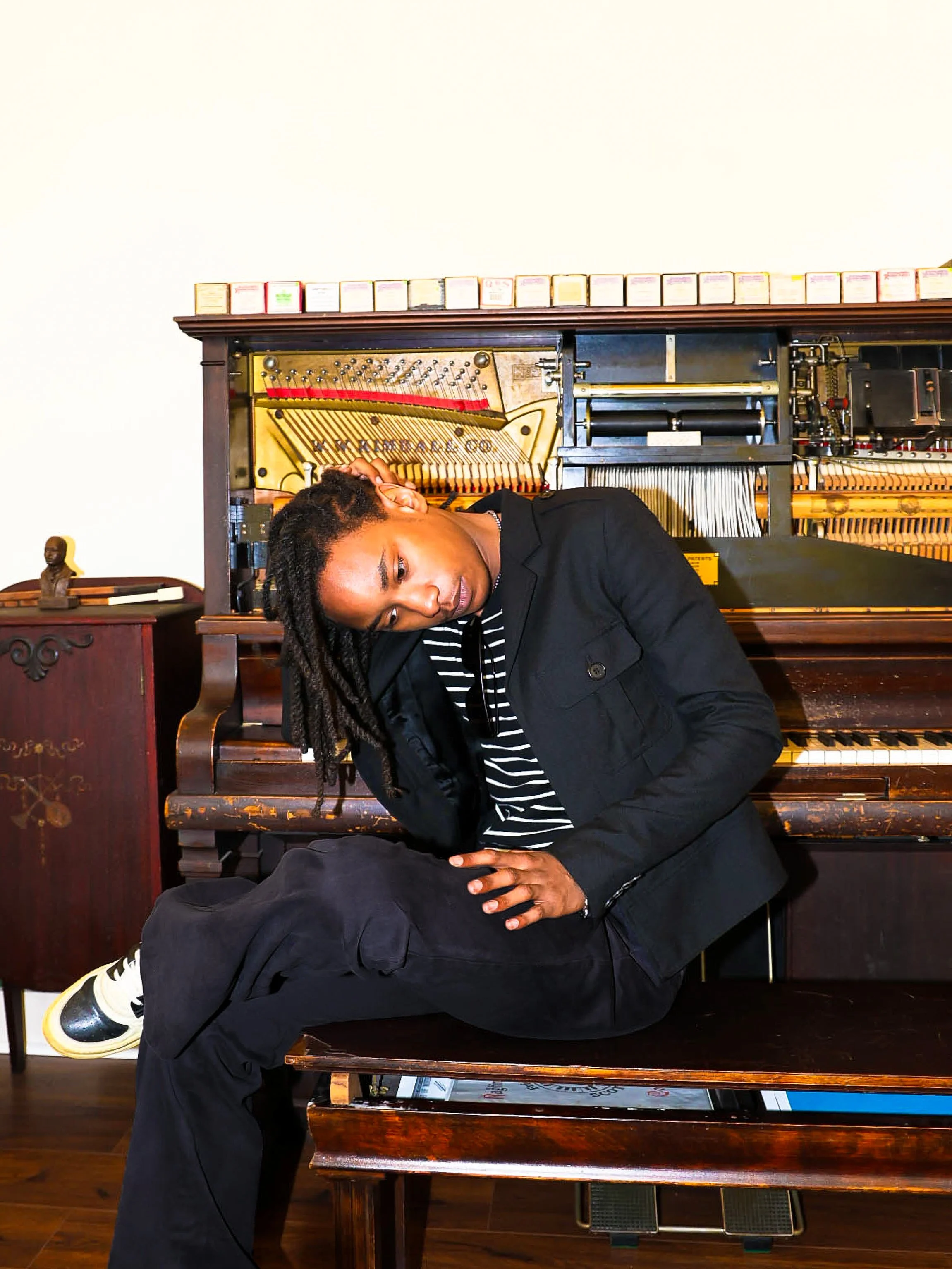
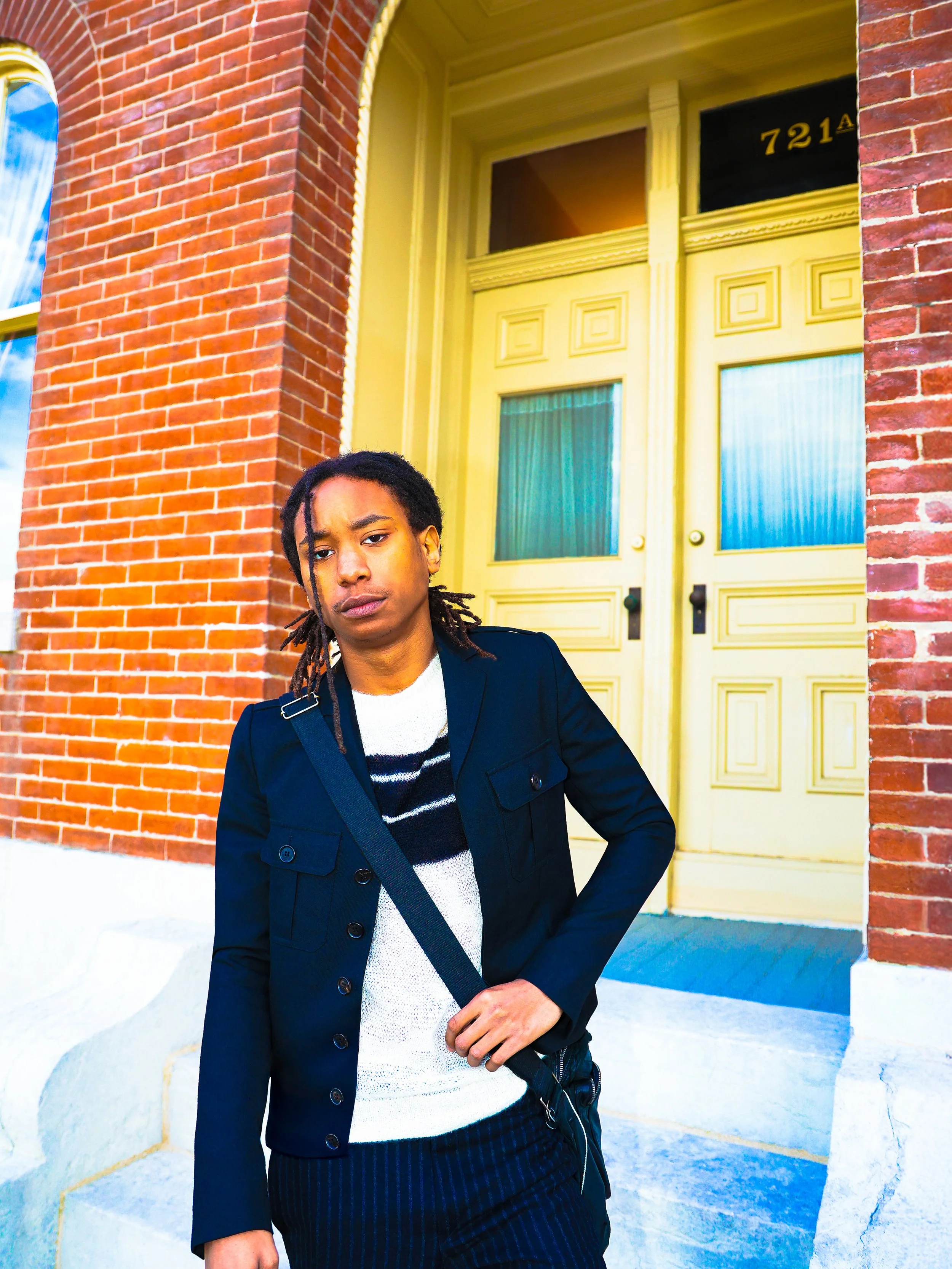
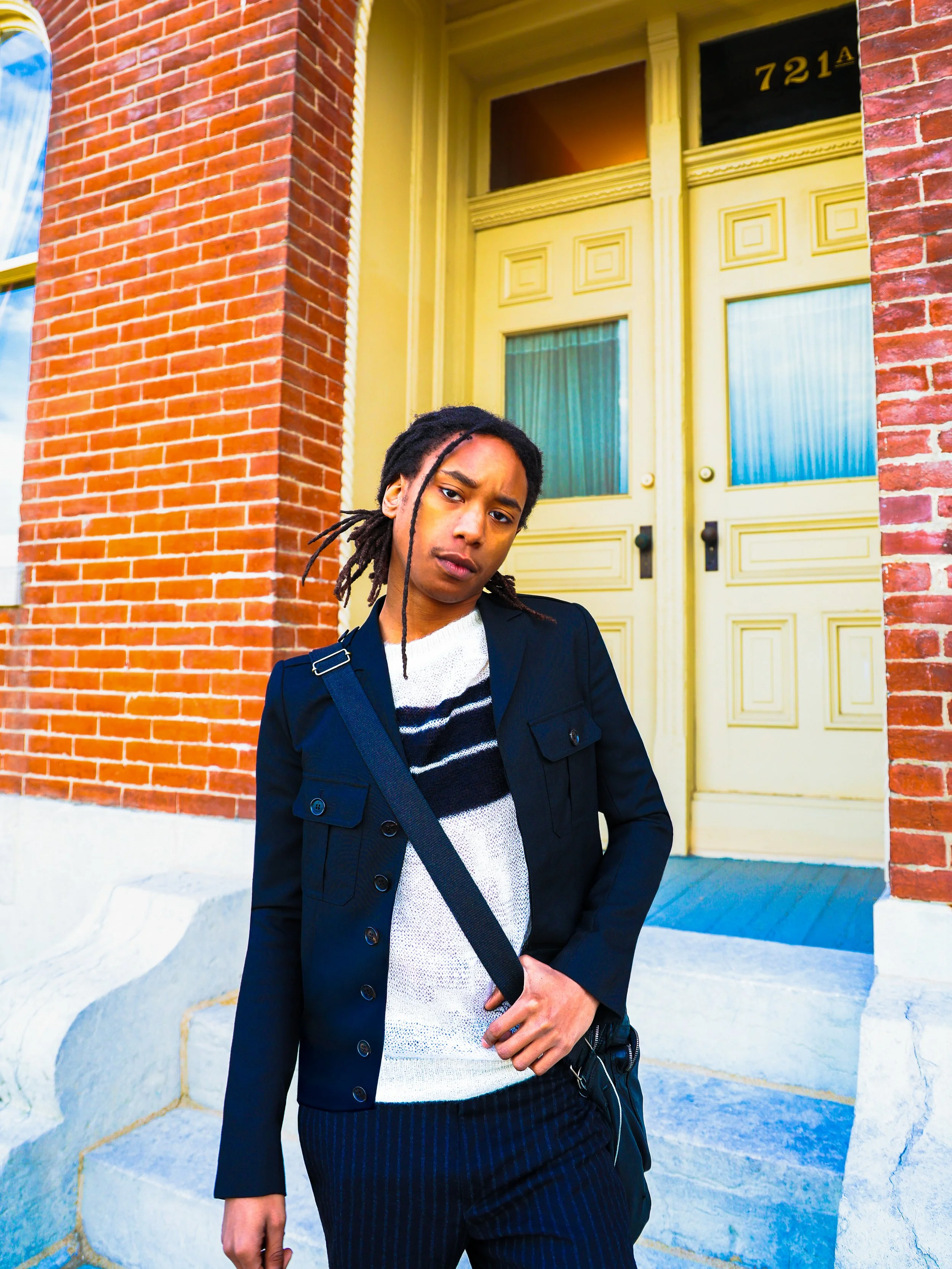
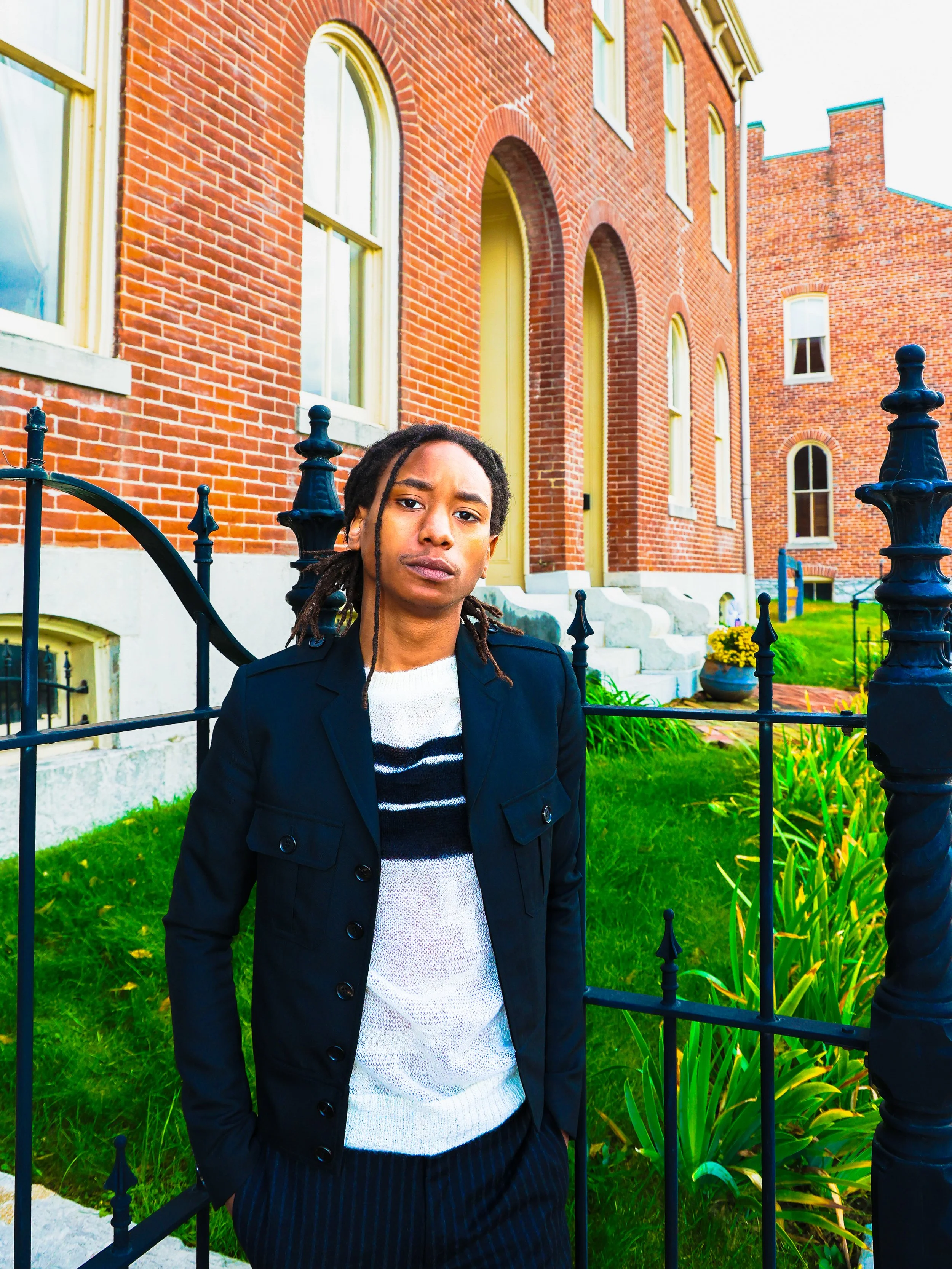
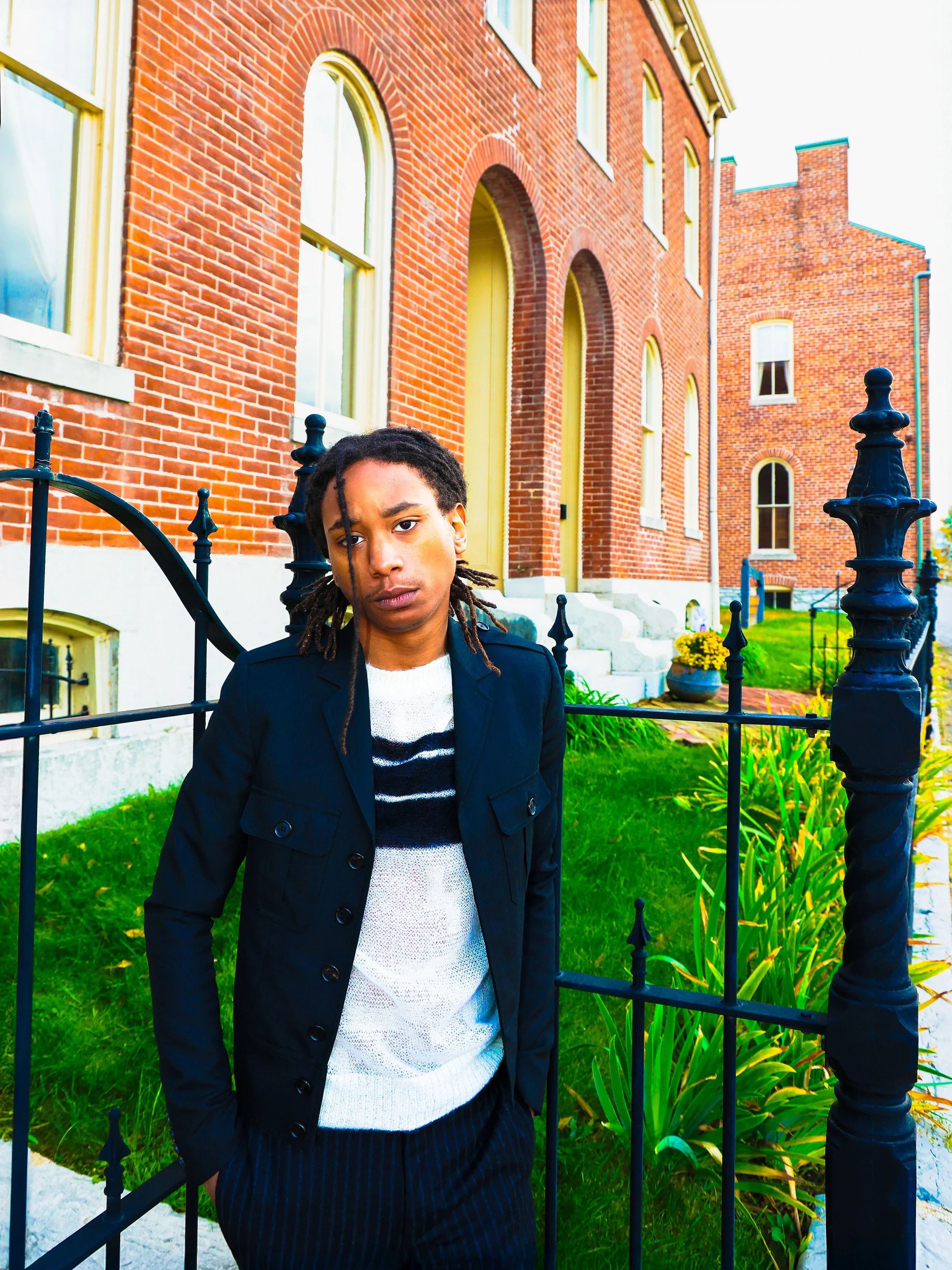
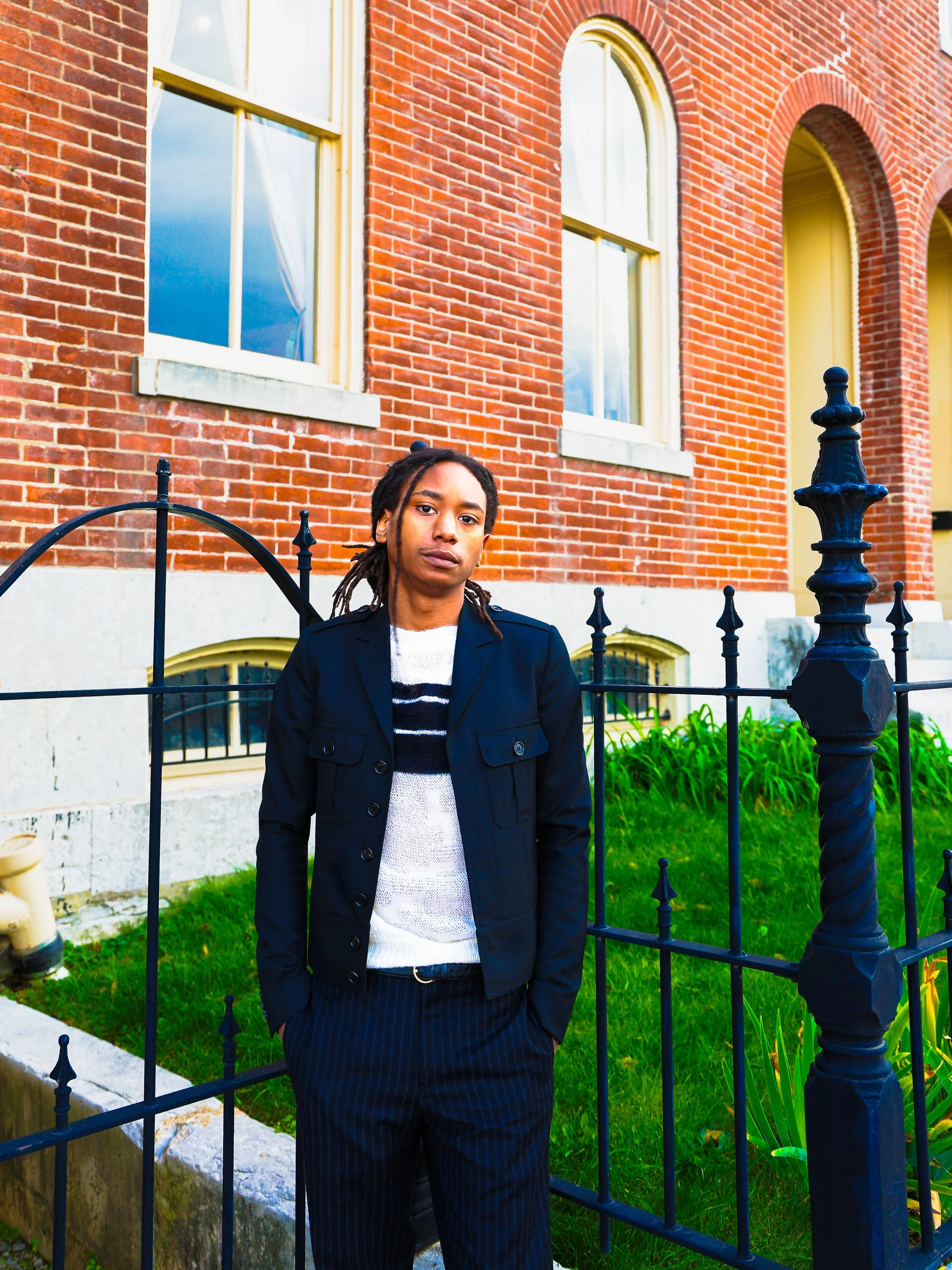

With a flow and cadence entirely his own, Maso! pulls from a wide spectrum of influences that shaped him growing up. “My influences are scattered. I’m going to give you five. First and foremost, I’ll say Goonew and his rap partner, Lil Dude Luciano. I’ll list them as honorable mentions. When my friends and I were making music growing up, we would listen to their music a lot. Fatman Key is always going to be a legend in my eyes. A$AP Rocky. Prince. Playboi Carti. I don’t want to snub nobody that I really fuck with, but I’d also say Lil Peep.”
Those influences began to surface on Maso!’s early projects, which established his incendiary flow, surgical delivery, and niche-referential signature. “POSTERBOY was an exploration of new sounds, working with new producers and long-time friends, and building an album that felt fresh,” he says. “Boy Wonder was capitalizing off that. It had more impressive flows and better pacing. It also came with an editorial: more world-building. We were showing people what we’re doing, what we’re wearing, and how we’re attacking these things. What is our culture like? What subculture do I belong to? Who are my friends?”
In February 2026, Maso! released his fourth studio album GET AWAY, offering nine new songs, including a feature from KEY!, the Atlanta rapper whose experimental flows helped shape a generation of underground trap. On GET AWAY, Maso! is controlled, candid, and confident. “These bitches love me / I’m a young, rich bastard,” he raps on album highlight, ‘CASPER.’
“My newest album GET AWAY is honing the rock star image,” he says. “Rock is part of my influence, but I am still a rapper. I would never denounce my rapping roots. On this album, I am who I am, unapologetically—in the flesh, popping my shit. GET AWAY also says, ‘There’s no place like home.’ I traveled to so many different places just to end up back in St. Louis. St. Louis is a place I love and want to take with me wherever I go. No matter where you go, your hometown base will always be here and will always be the most supportive, especially when it comes to your true artistic vision.”
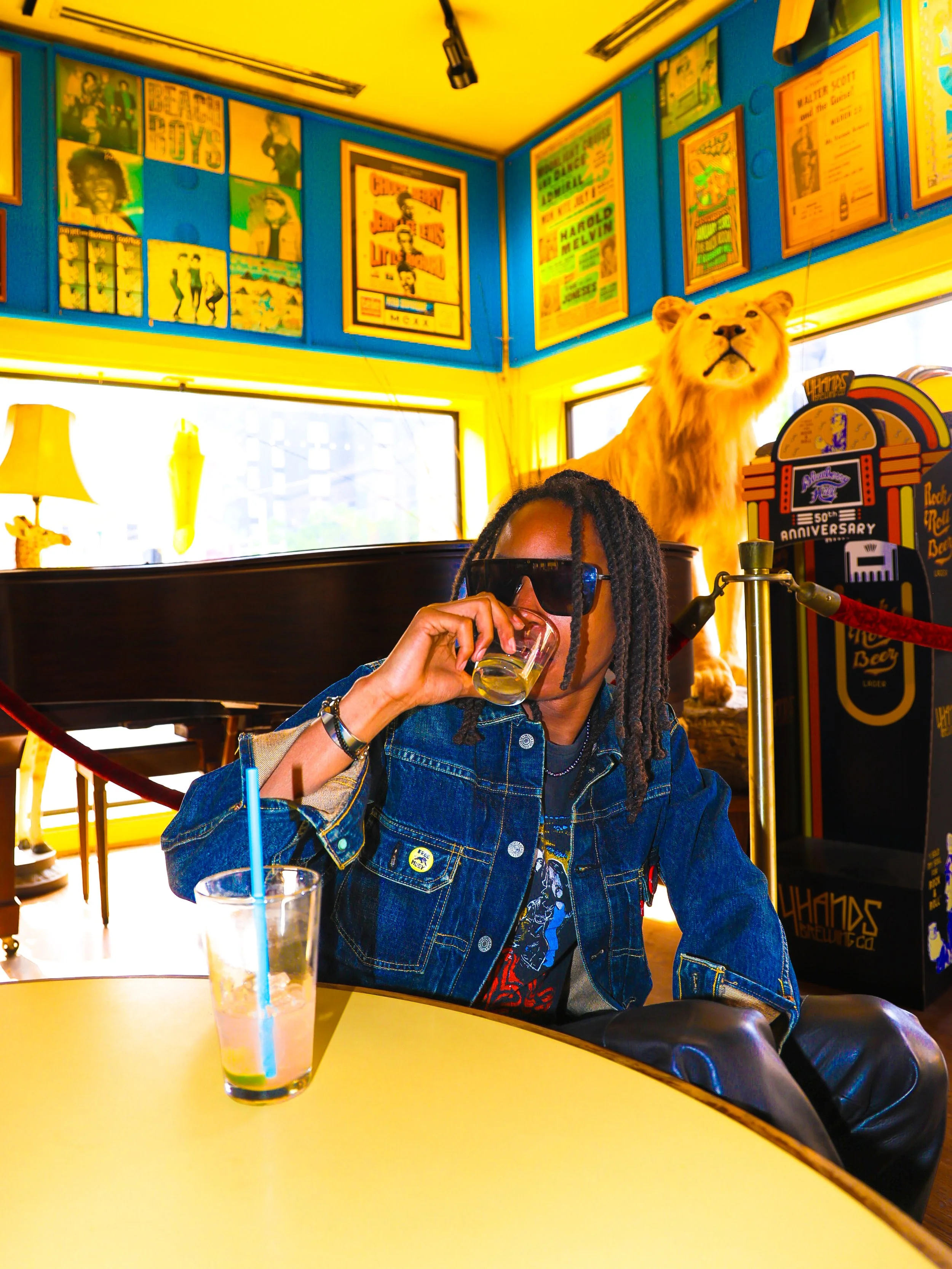
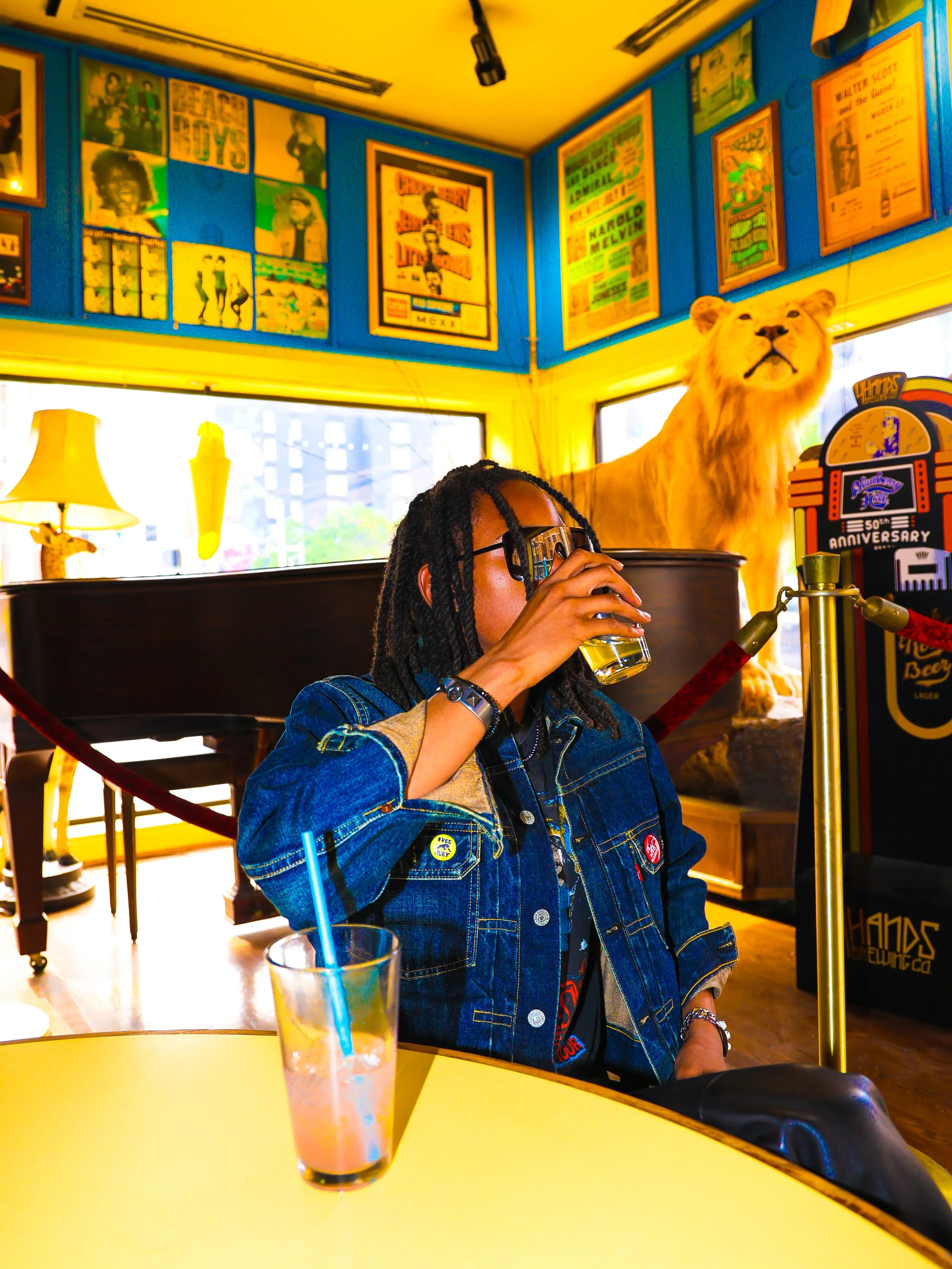
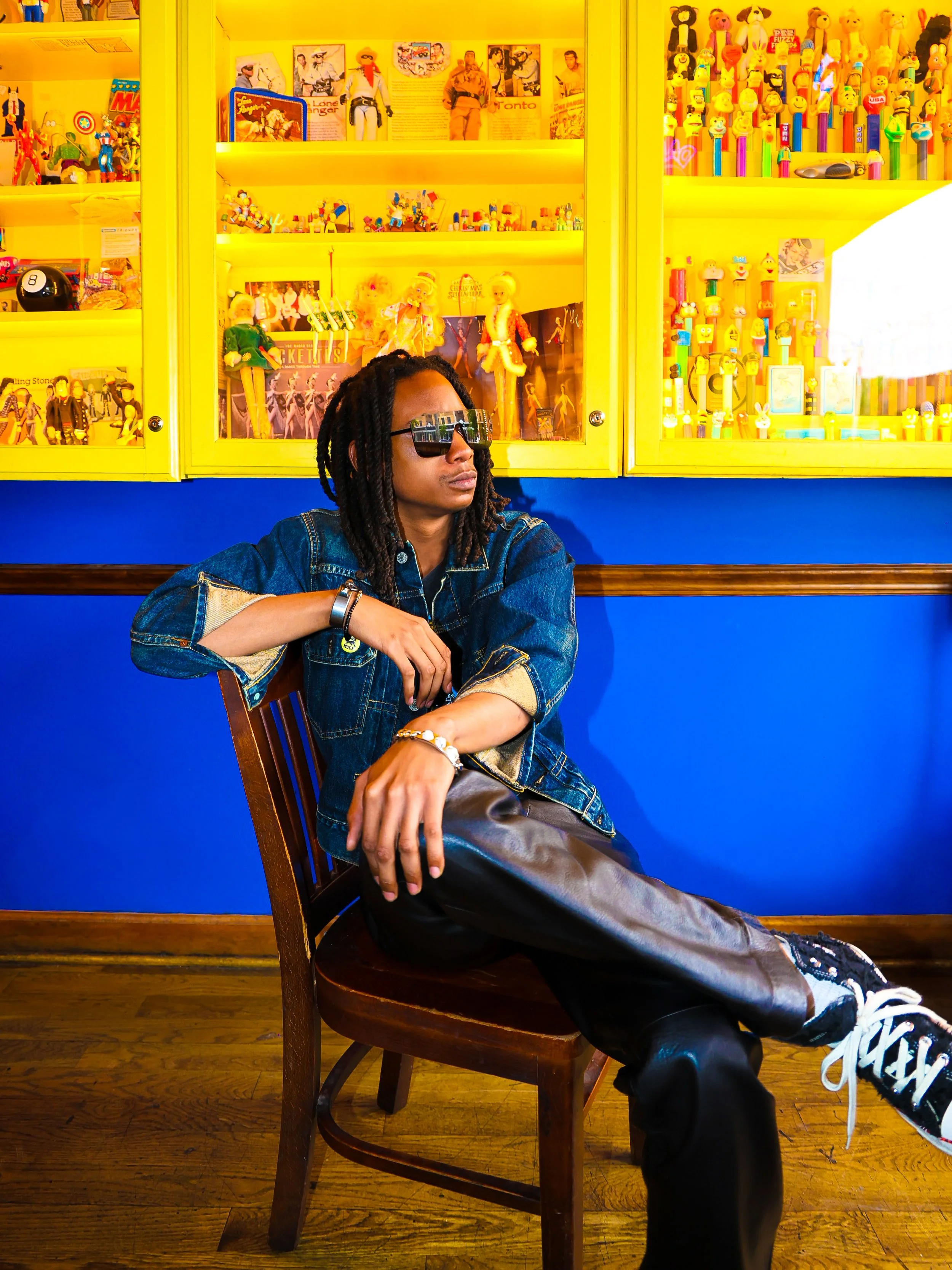
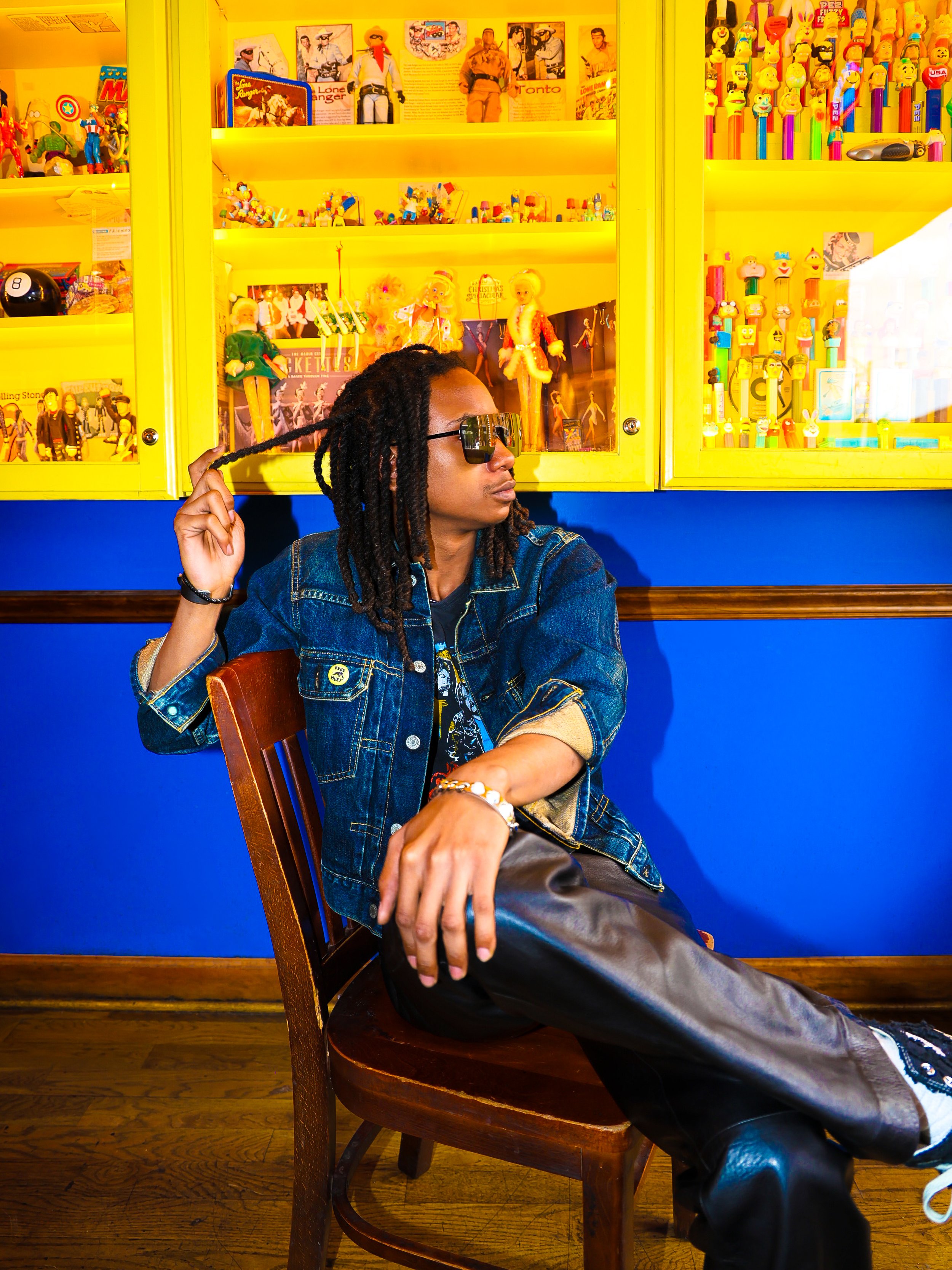
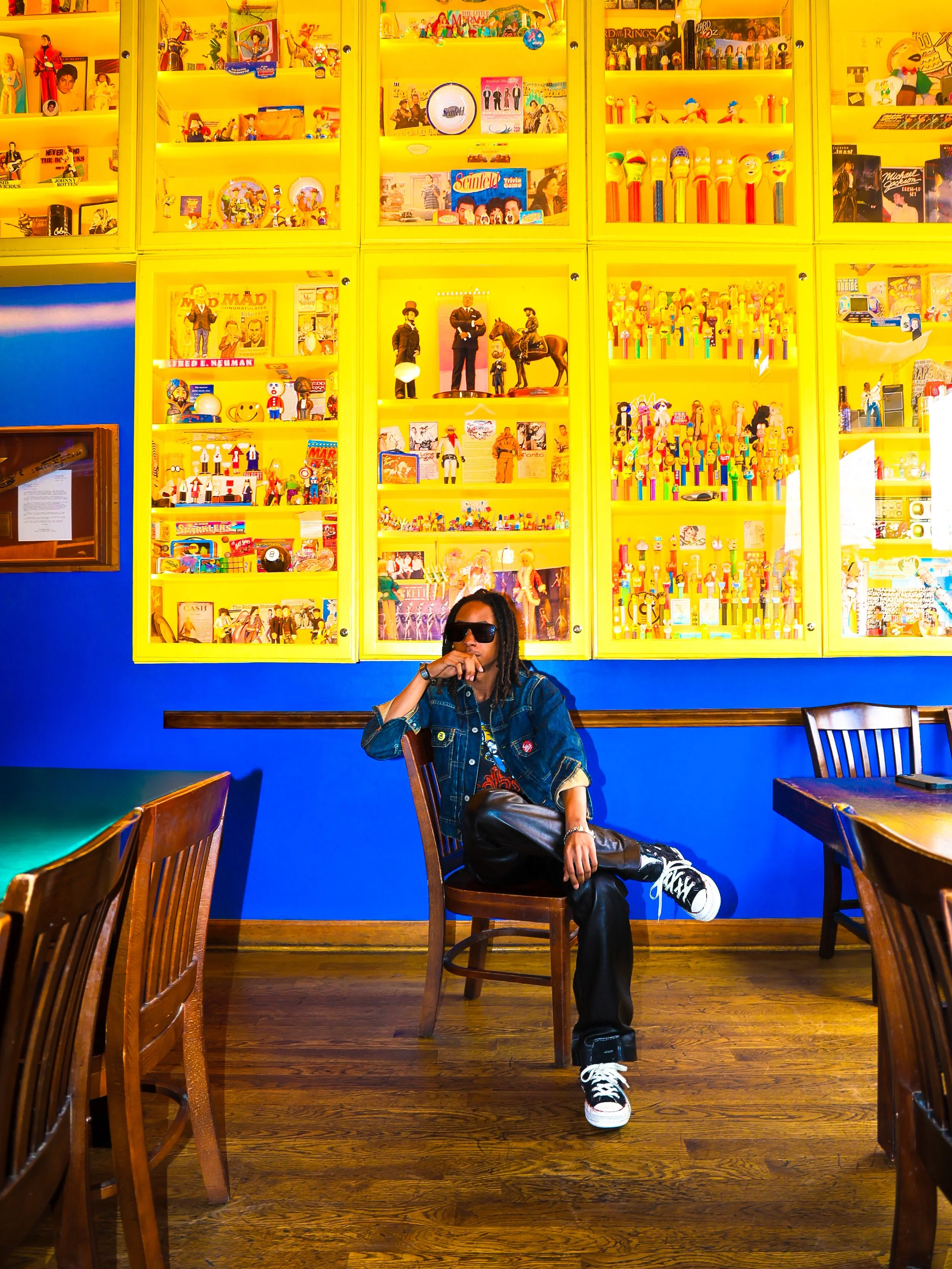
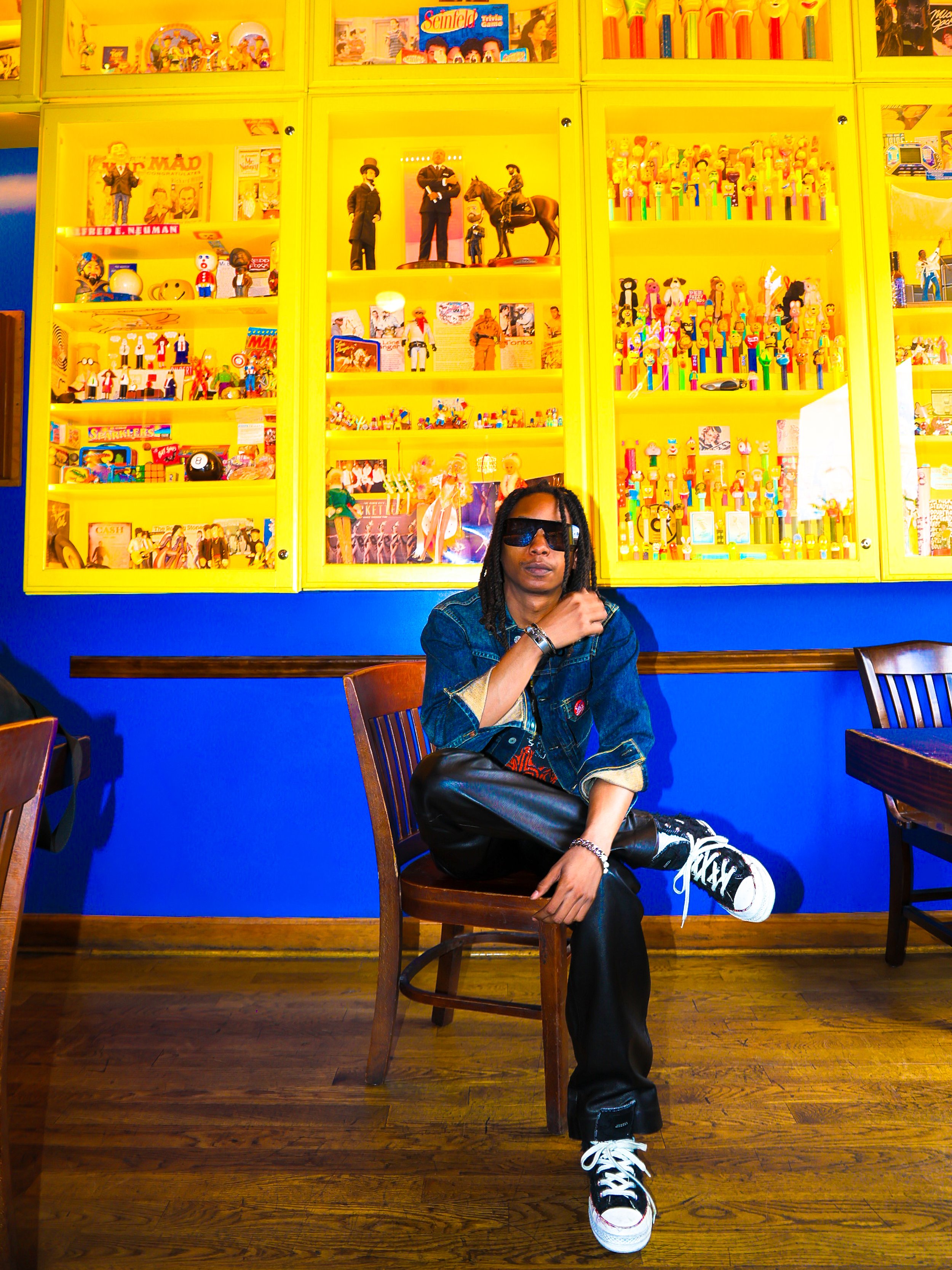
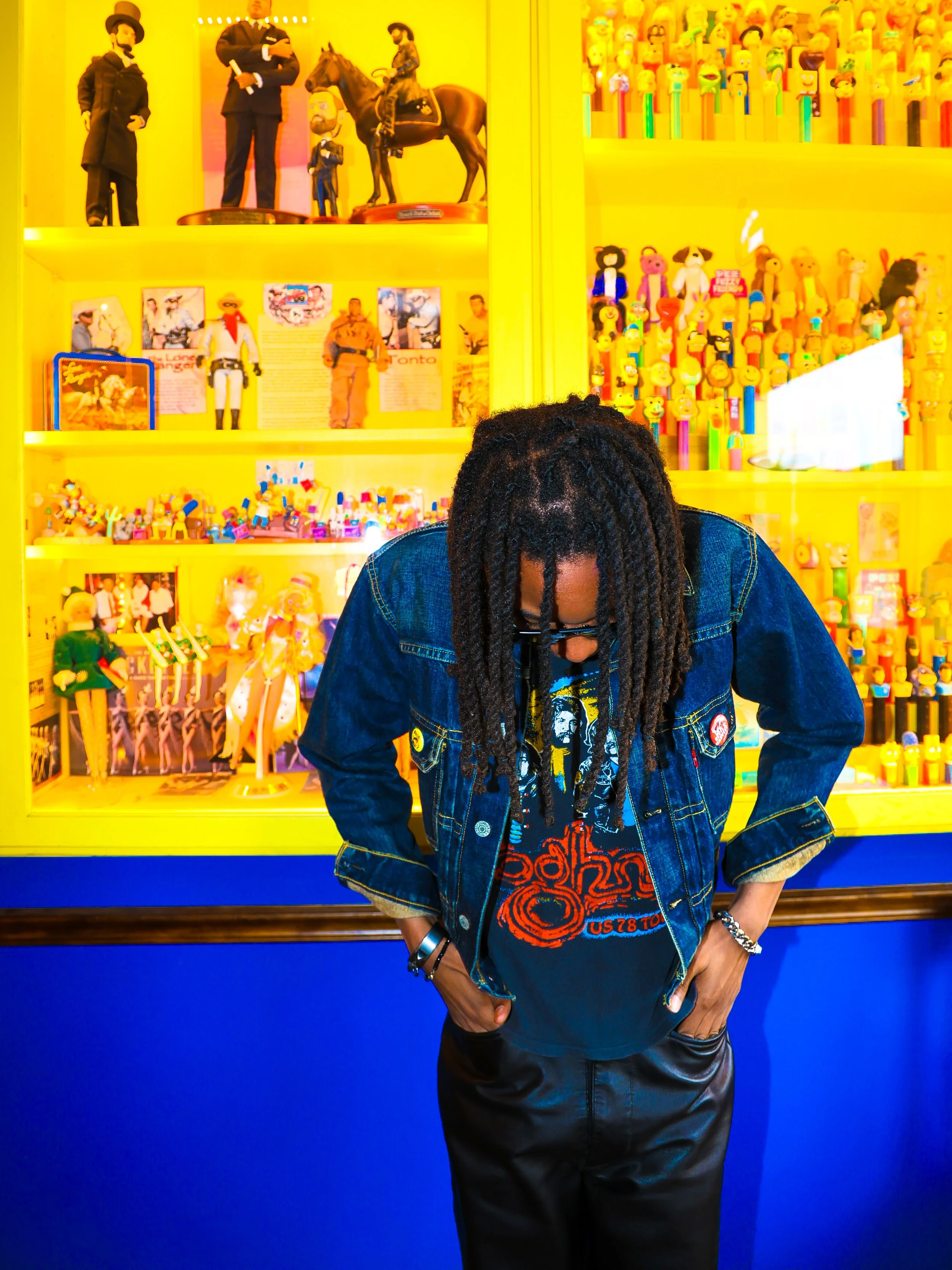
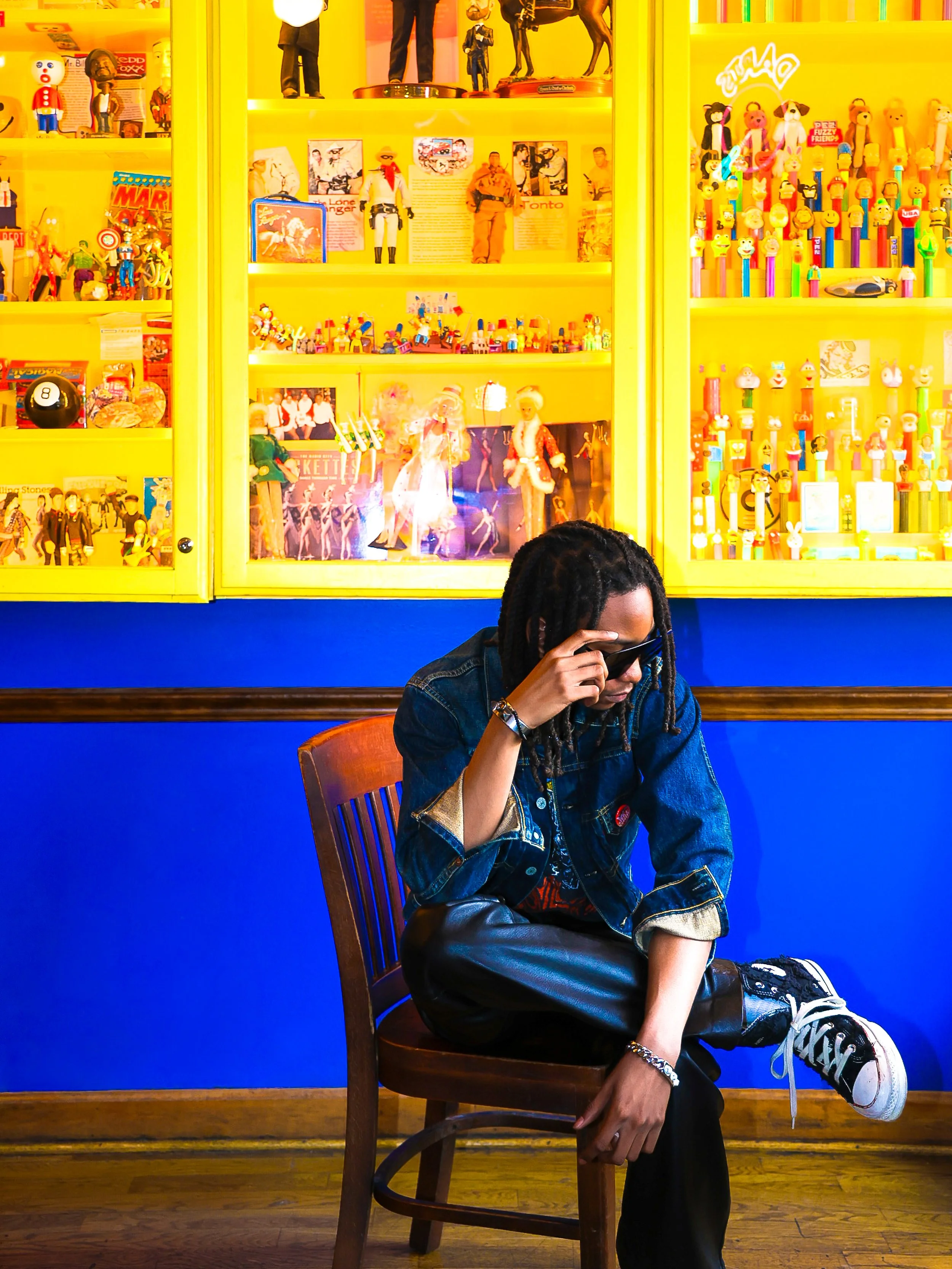
St. Louis is a place I love and want to take with me wherever I go.
Although St. Louis isn’t a major hub in the entertainment industry, that struggle is where legends are made. “I tell people all the time that we don’t have an established industry in St. Louis,” Maso! says. “If you’re a creative, we don’t have anyone here who’s going to tell you no. You have full creative range to do exactly what you want to do how you’d like to do it, and you also have a community of people who appreciate true artistry and will help you accomplish whatever it is. Especially if you’re a person of your word and people see that you really want it, they will help you immensely. Other places will not support you like that.”
“St. Louis is not the absolute best place to be, but it’s home for me. It has taught me a lot. It taught me to hold people to their actions and not their word. People will tell you a lot, but unless they’re actively doing something, you shouldn’t get angry or lash out. Try not to hold people to too high of a standard. That lesson has helped me professionally, not only in my music, but in my artistry. It’s taught me not to get my hopes up and not to idolize people. A lot of people are lost because they listen to the wrong people. Being from St. Louis has taught me to sit down and analyze the situation. Being in rooms with people who have done great things musically truly taught me to listen first, ask questions when I need to, and be patient.”
A direct through-line connects Maso! to his hometown predecessors. He and his collaborators are part of the latest chapter in St. Louis’s rich artistic lineage. “In terms of classic inspirations, they’re going to be people like Maya Angelou, Cool Papa Bell, Tina Turner, and Scott Joplin, of course,” Maso! says. “An immense number of people who have come from St. Louis made their mark on the world. We are a mecca of art and talent. We just have to learn to appreciate it a little bit more.”
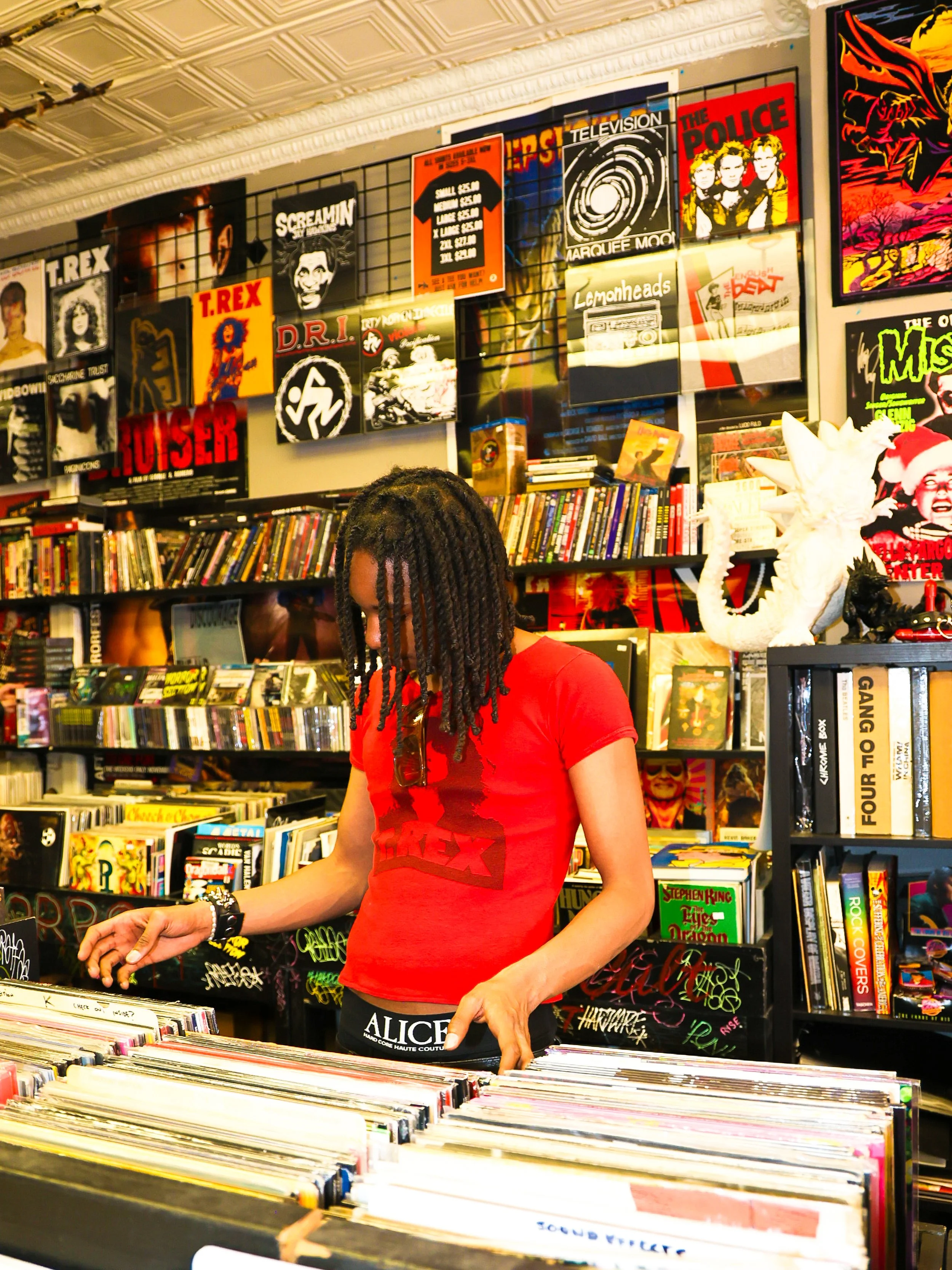
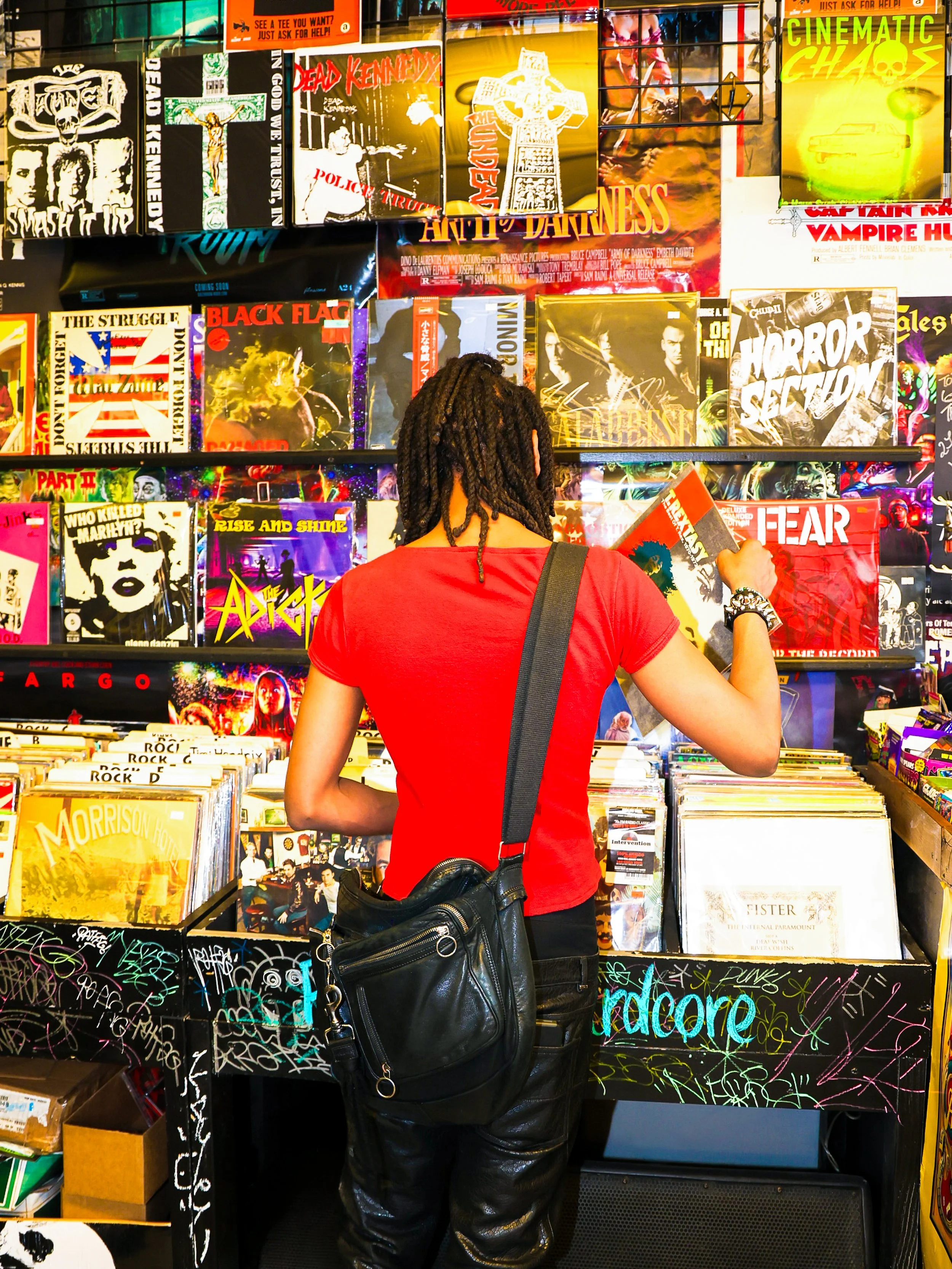


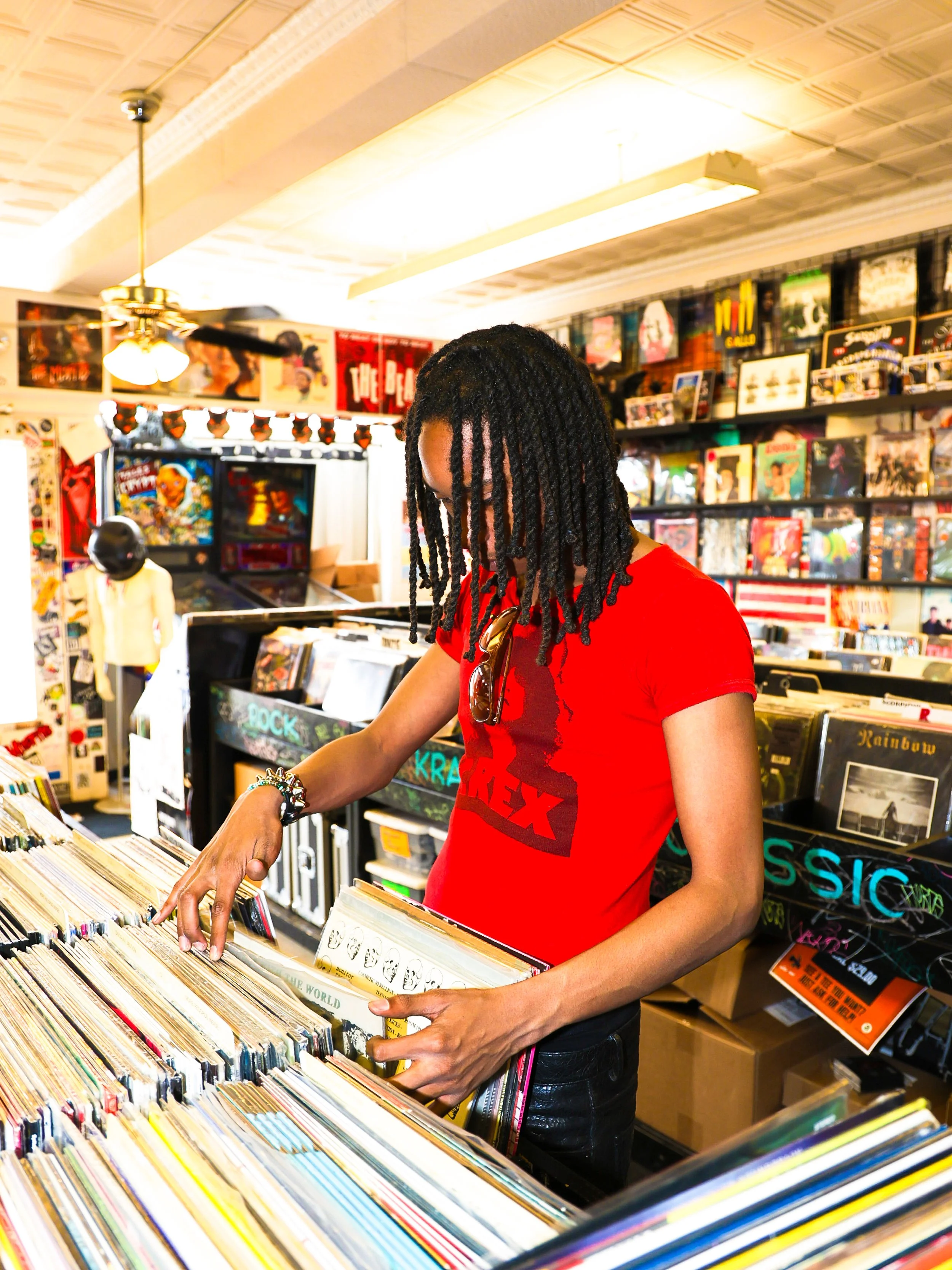
In 2023, Maso! started Naked Curation, “a personal, private collection of clothing” with select garments available for rent and zero garments available for sale. The platform includes blog posts Maso! writes himself, often from memory or with minimal research. A true connoisseur of fashion, he often reiterates, “I don’t sell clothes; I wear them.” In the age of thrifting, vintage, and the resell market where many view clothing as a one-time-use, Maso!’s outlook is quite radical. “I started by getting miscellaneous things, and every other cop would be something super cool,” he says. “Nothing I’ve ever bought have I ever sold. I only buy clothes to wear them. After a while, I found places that had great deals for great items. They’re niche pieces from original owners—somebody who bought the piece from a Dior couturier and had it for 10 or 15 years, but they don’t really wear it anymore. I try to seek out the people who are interested in selling to other people who have similar interests to theirs. I’ve met a lot of great people who have given me great deals, basically for nothing, just because they know that I’m not trying to flip it. They know that I’m going to wear it. I’m going to appreciate it. I’m going to love it the same way they once did, which is to my advantage.”
“Naked Curation is an outlet for me to not only show that you can have a personalized closet that consists of great pieces, but you can have a staple wardrobe—a uniform even—where you can create looks from one base and have a billion looks just off that singular look. You can put on something that’s totally different from what you wore yesterday and still have a similar swag and still look amazing without it being monogrammed out or having to flaunt or flex what you’re wearing. It’s more of an ‘if you know, you know’ type of thing, which I feel incentivized by, because when I take pictures, certain people will know exactly what I’m wearing, and certain people will have no idea, but both will say I look well. I don’t really care if they say I look well, because I know I look well, but if they say it, I feel like that means that it’s true, so it’s always a win.”
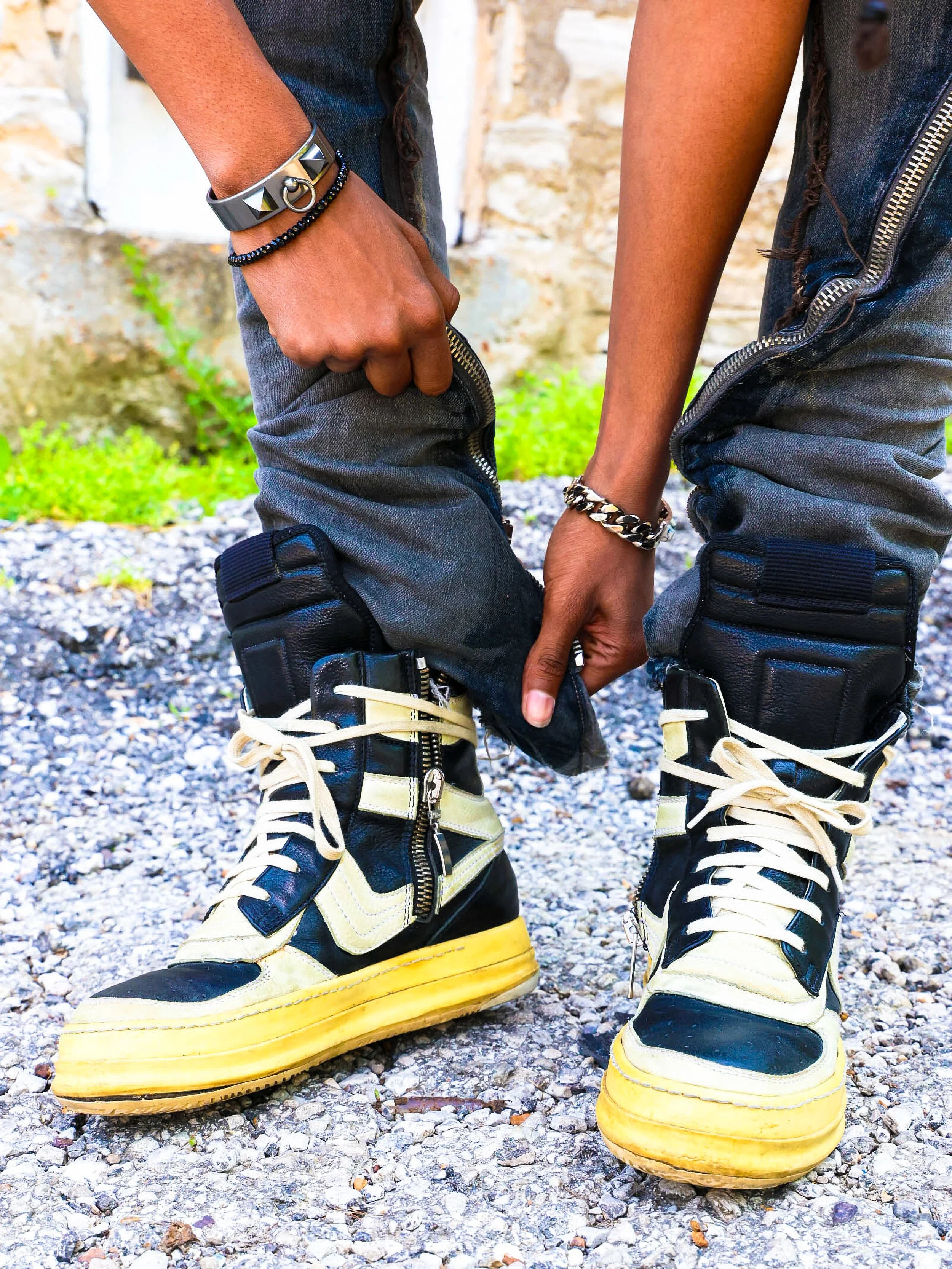
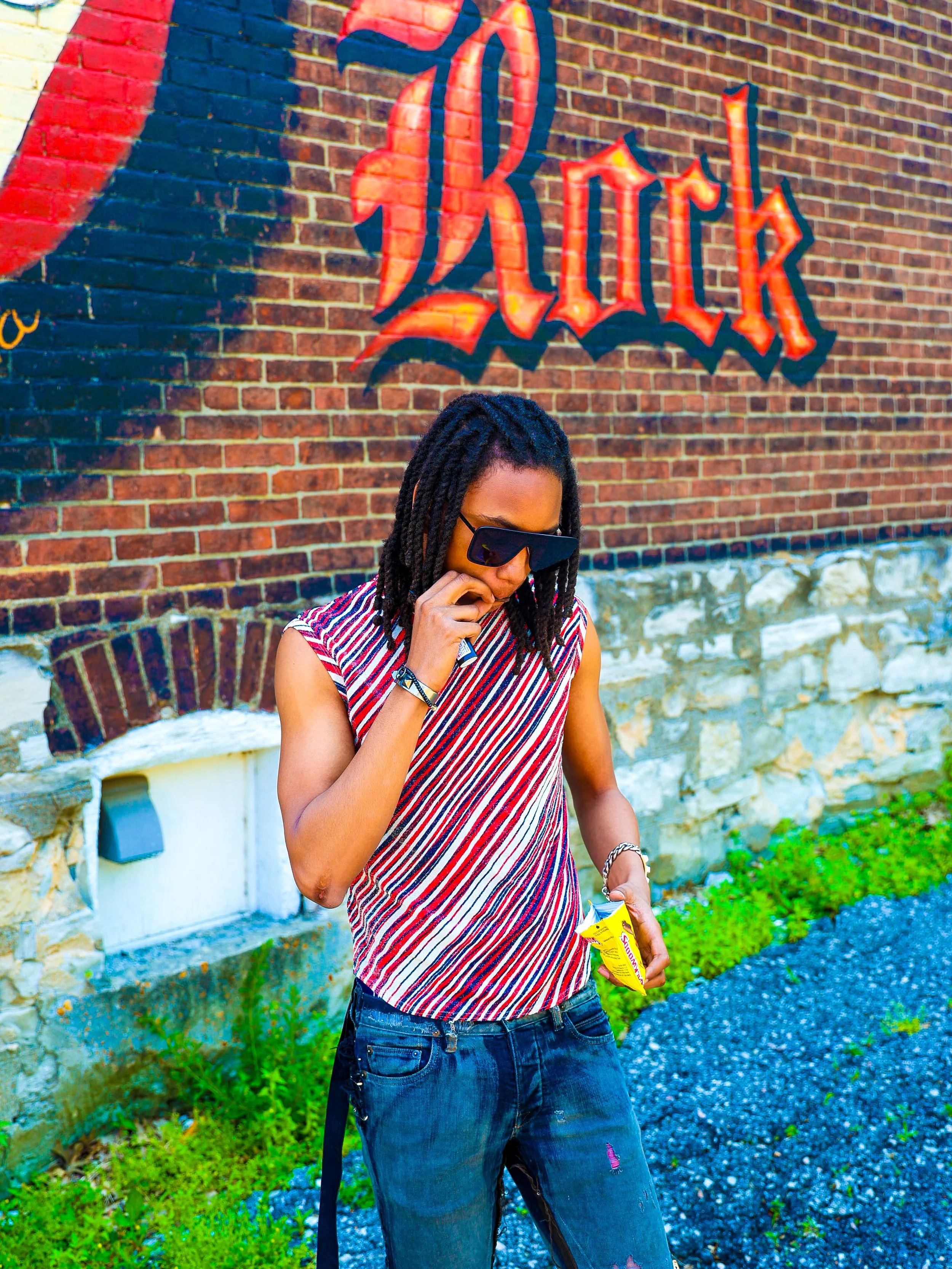
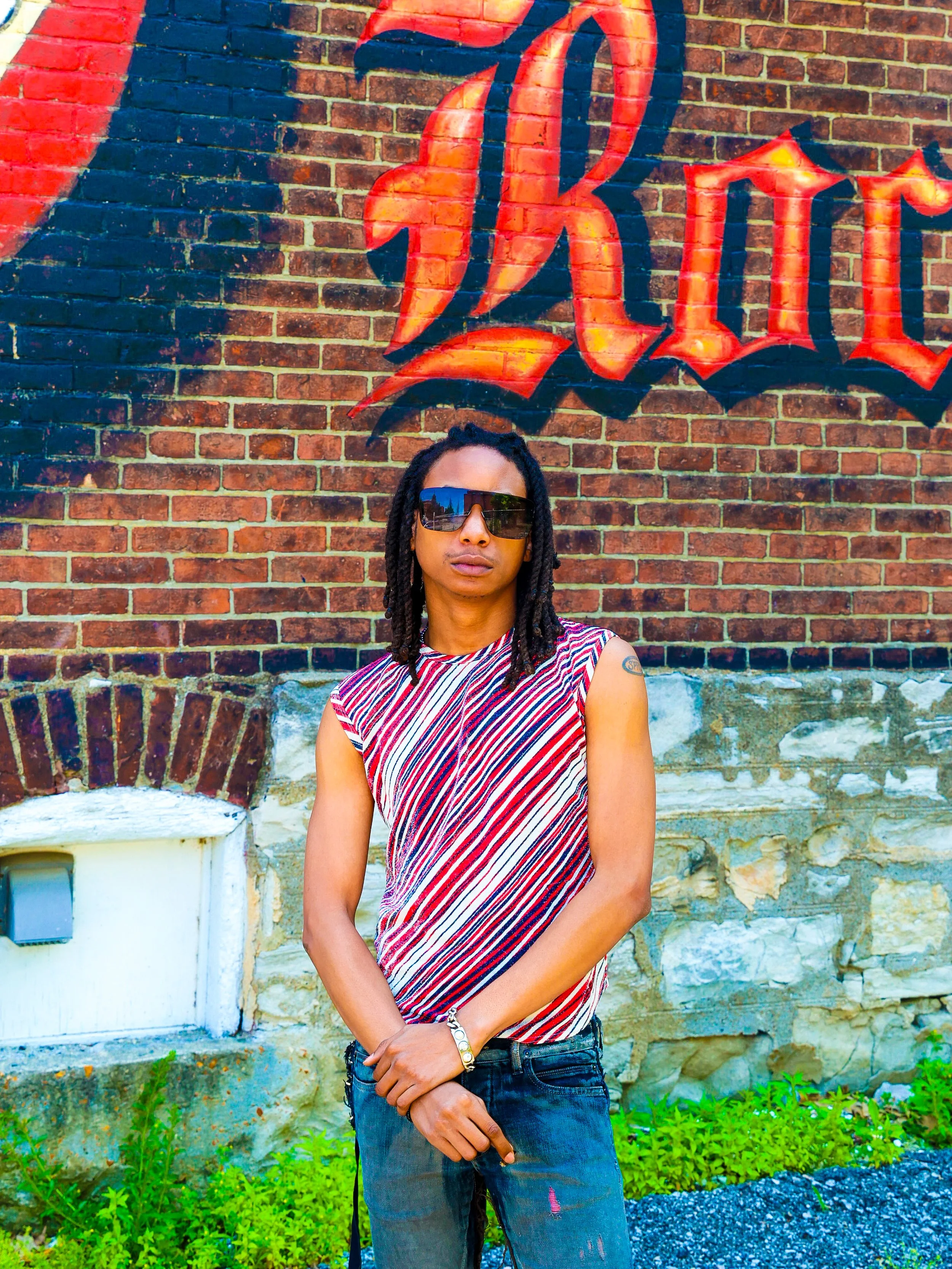
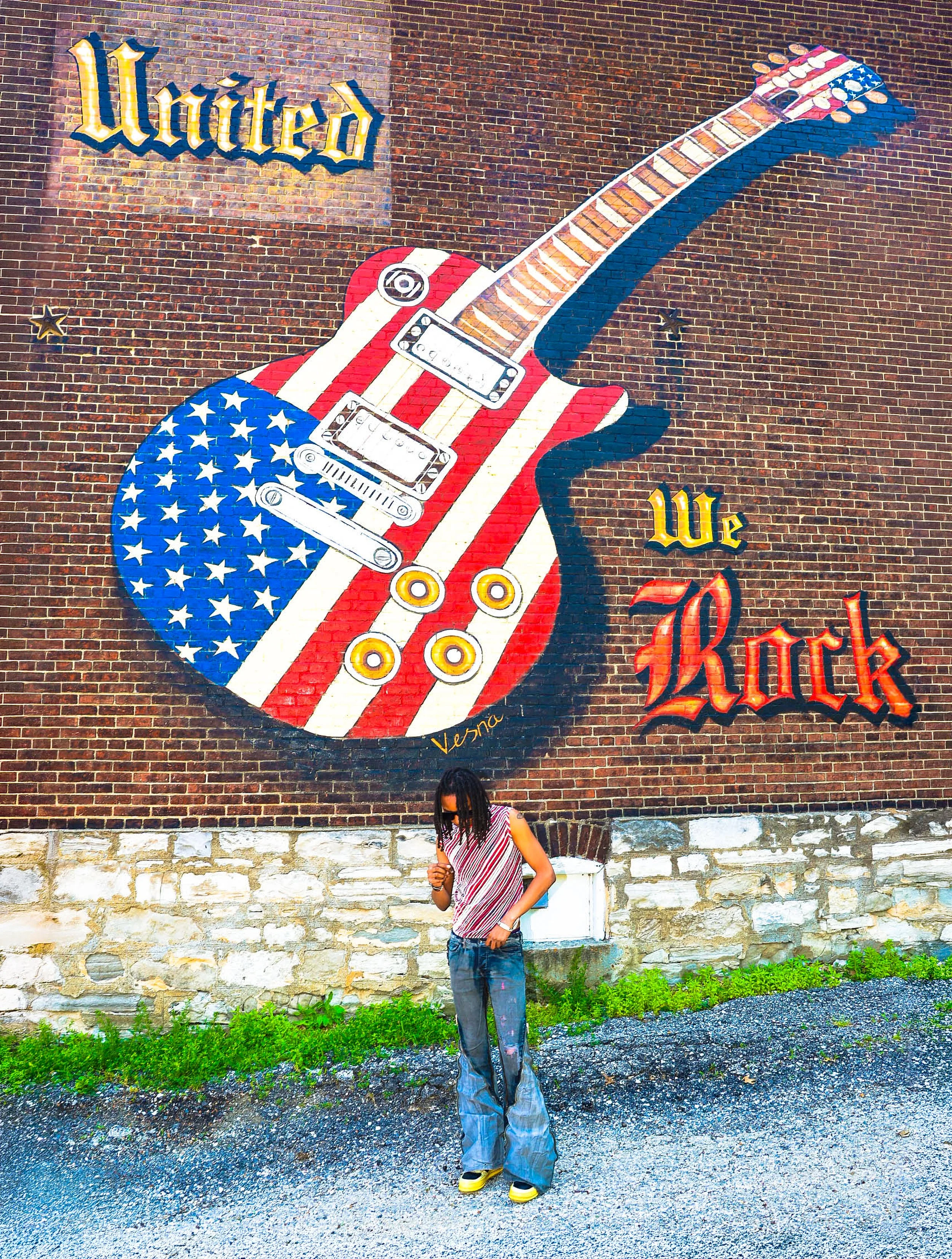
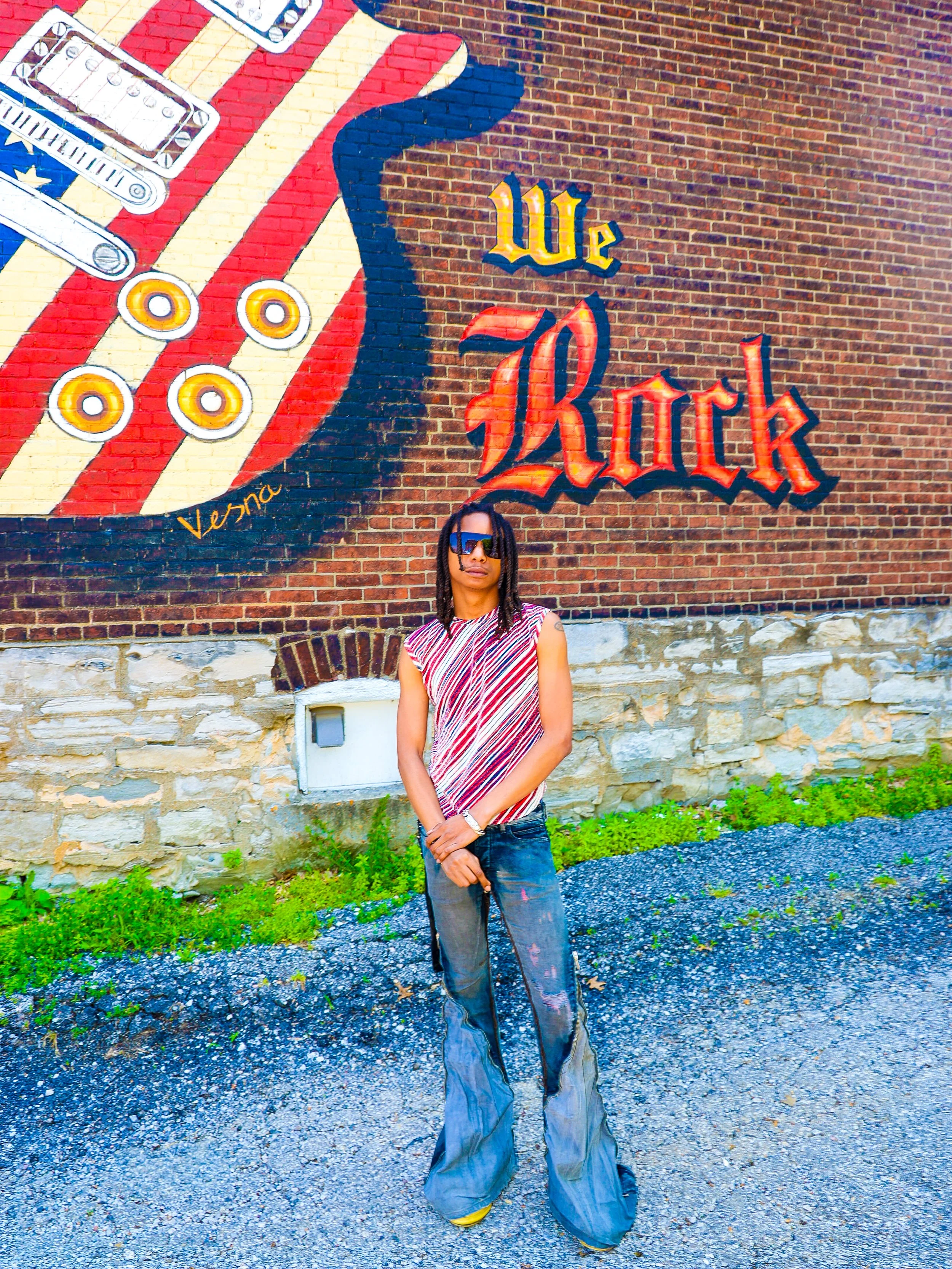
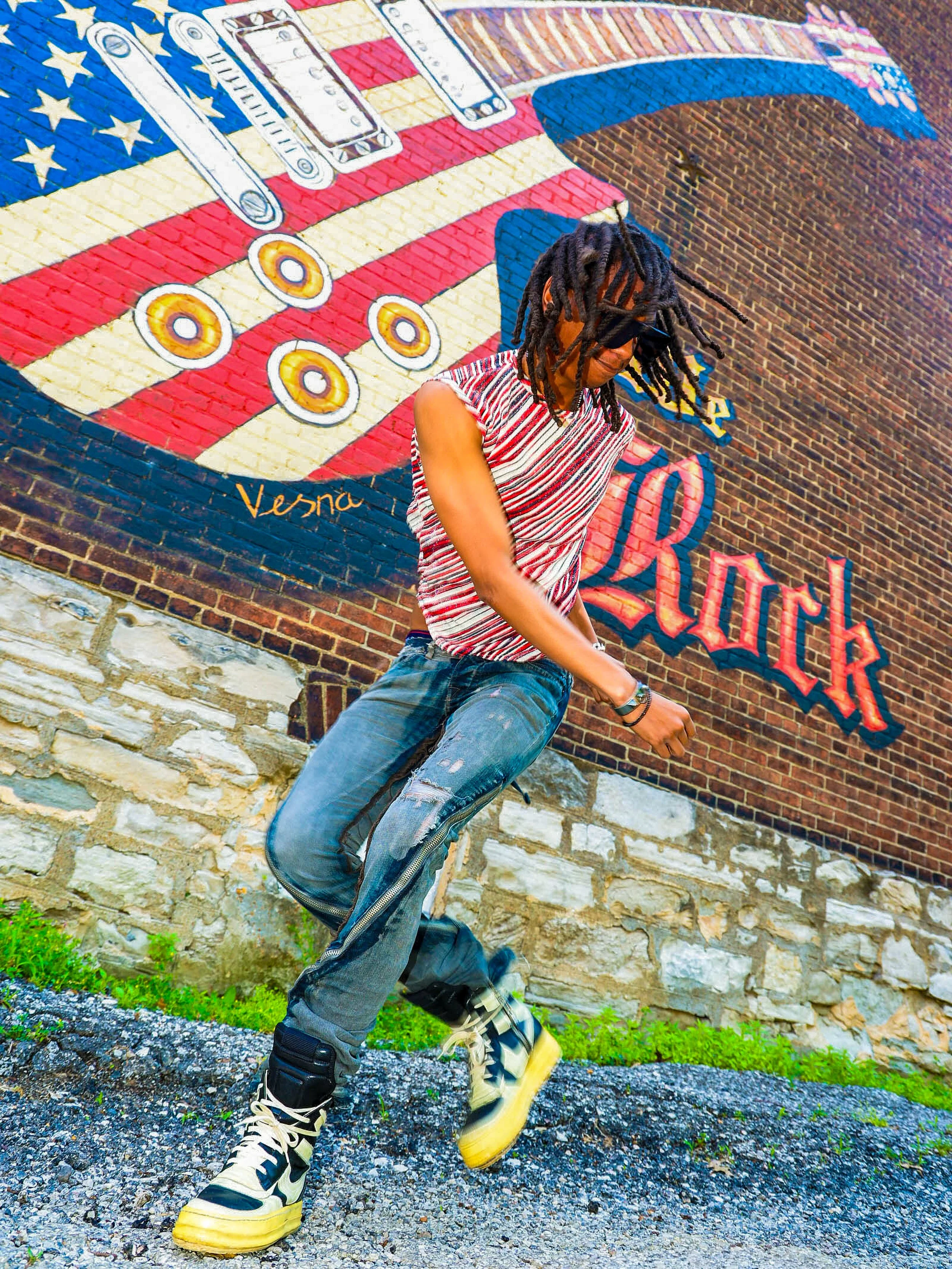

Maso! “uniform” is rooted in fashion philosophy. “For me, Tom Ford’s definition of a modern man is what I aim for,” he says. “Clothing should be three things for a modern man: 1) mildly playful, so it has a trace of your personality, 2) flattering to your body type—not tight, baggy, or anything particular—but it should look good on you, and 3) timeless. You don’t need to go crazy and be really weird, but if you’re wearing a textile that most people want to wear, you’re doing something right. If it’s timeless, you don’t need to worry about what people are going to think because it’s going to talk for you. Just be a put-together man. That’s what people see first. Even if it’s not a suit, tie, loafers, etc., people see the way you dress, and they form an opinion of you immediately. Presenting yourself well means a lot to me.”
Through Naked Curation, Maso! has directed numerous editorials, the latest being ‘Malevolence,’ shot at Utopia Studios in St. Louis. “It was an exploration of badass women that showed the casual beauty in natural moments—hanging out with friends, getting ready for a night out, having a drink—but through an abrasive lens. When it comes to editorials, it’s a direct image, a direct reflection of what’s going on in my head. It usually starts off very personal, where I want to convey myself through different people and show you something that I would do if I was somebody else. It’s world building, but it’s still very personal to me. At the same time, it’s easily translated to a group of people or an audience viewing it.”
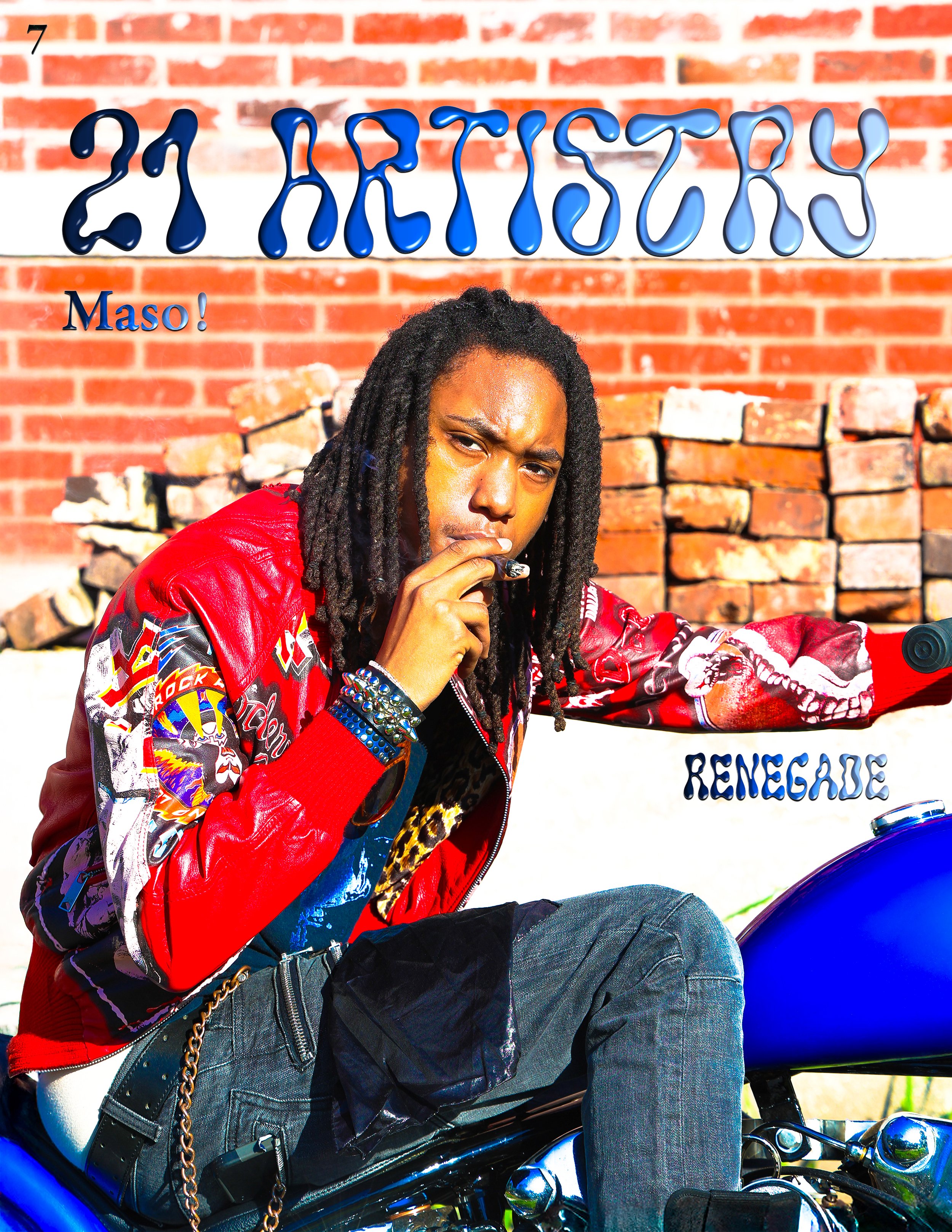
On a sunny July morning, Maso! and I prepare to shoot the cover look for the seventh issue of 21 Artistry. Seven has long carried symbolic weight in myth and religion, often representing the seeker, the individual set apart from the group. It is also Maso!’s lucky number.
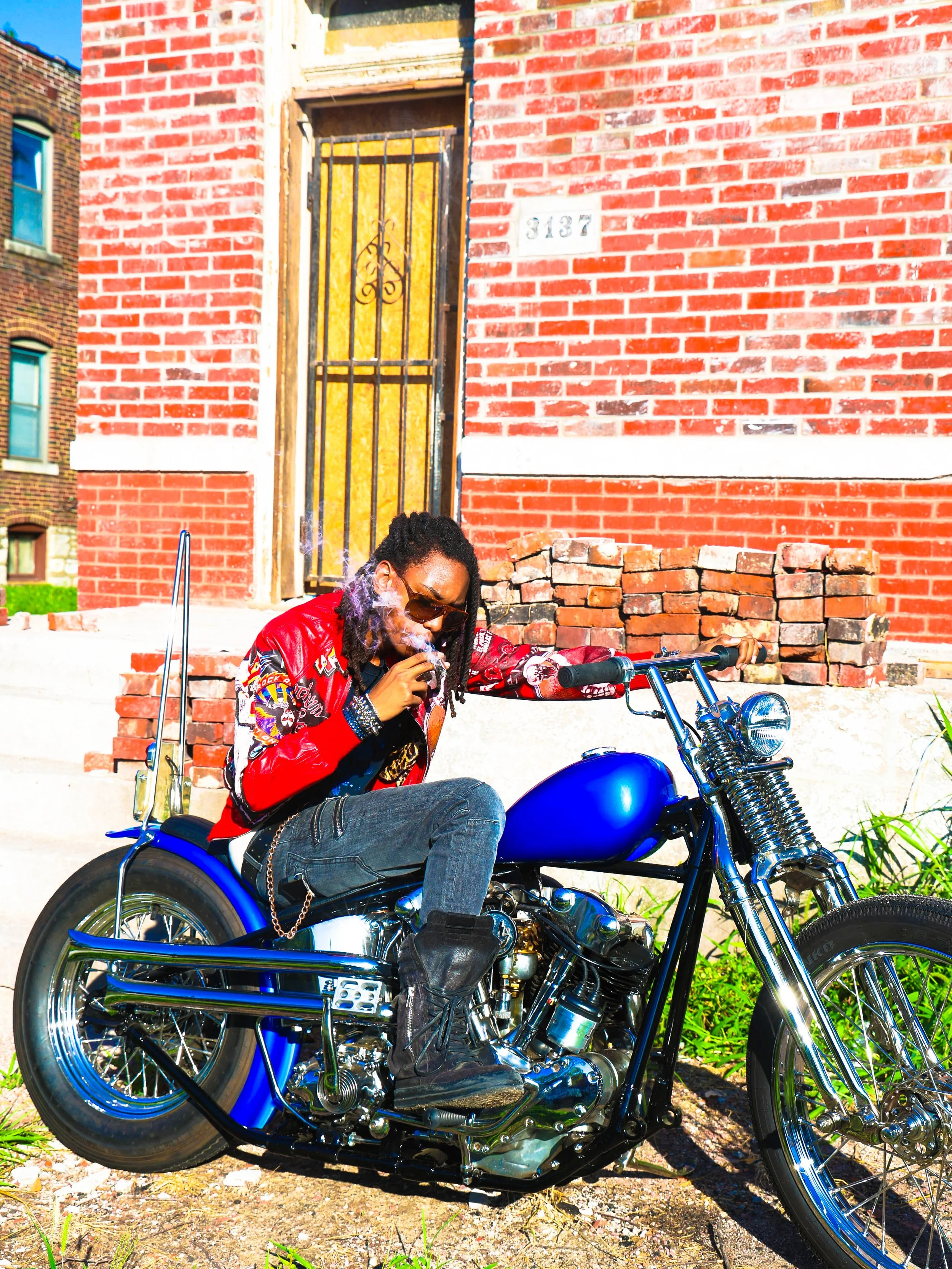
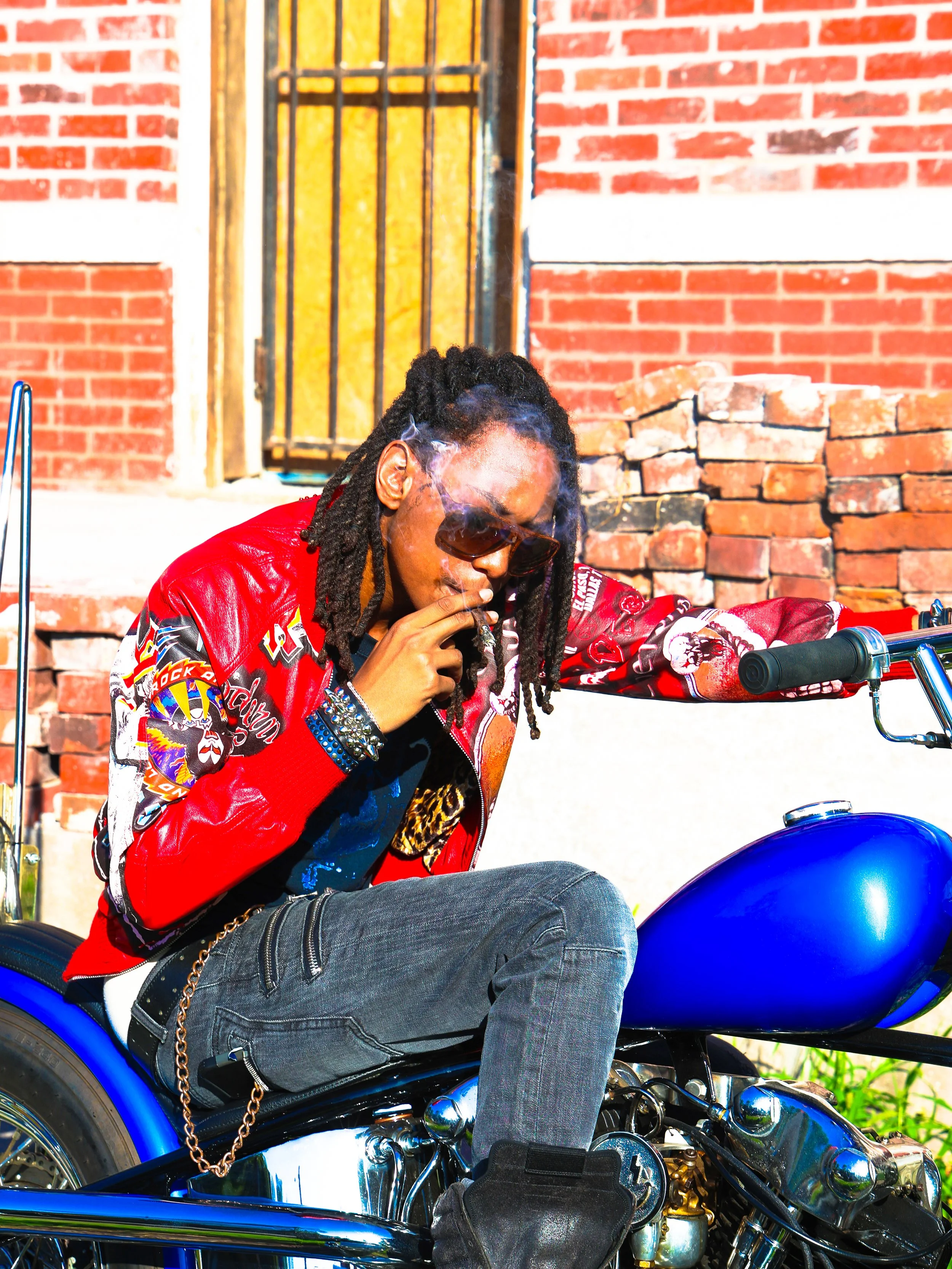
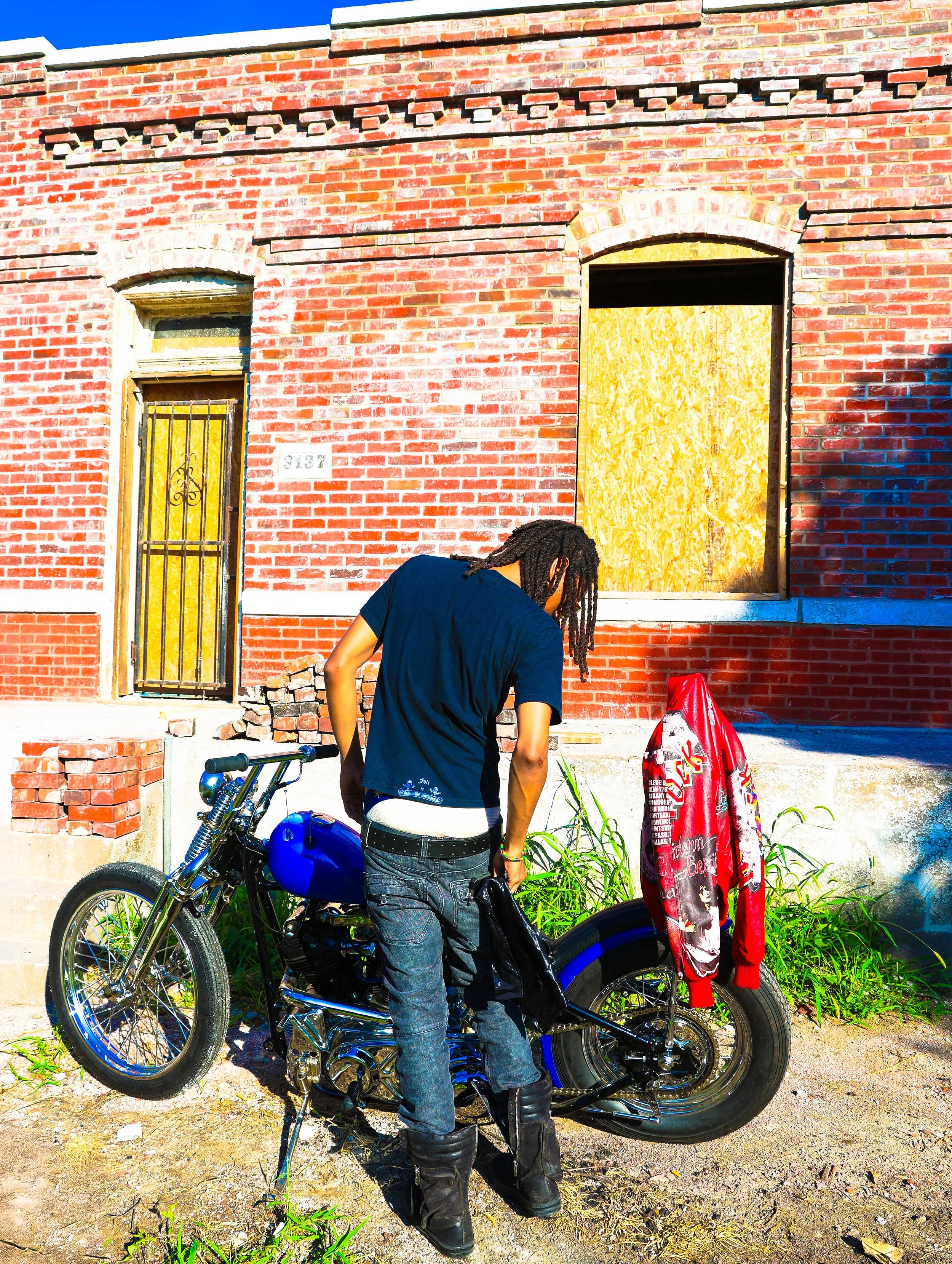
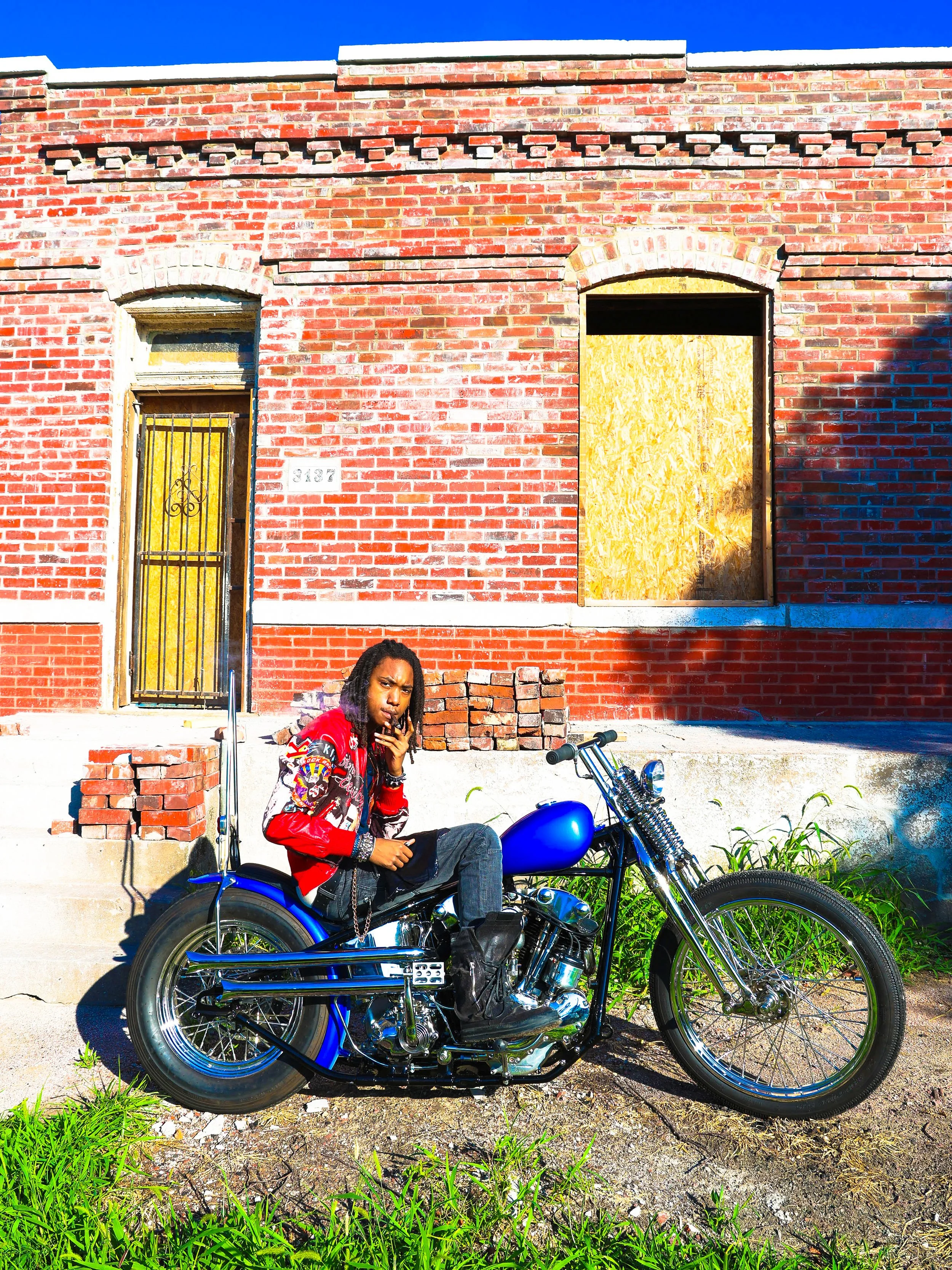
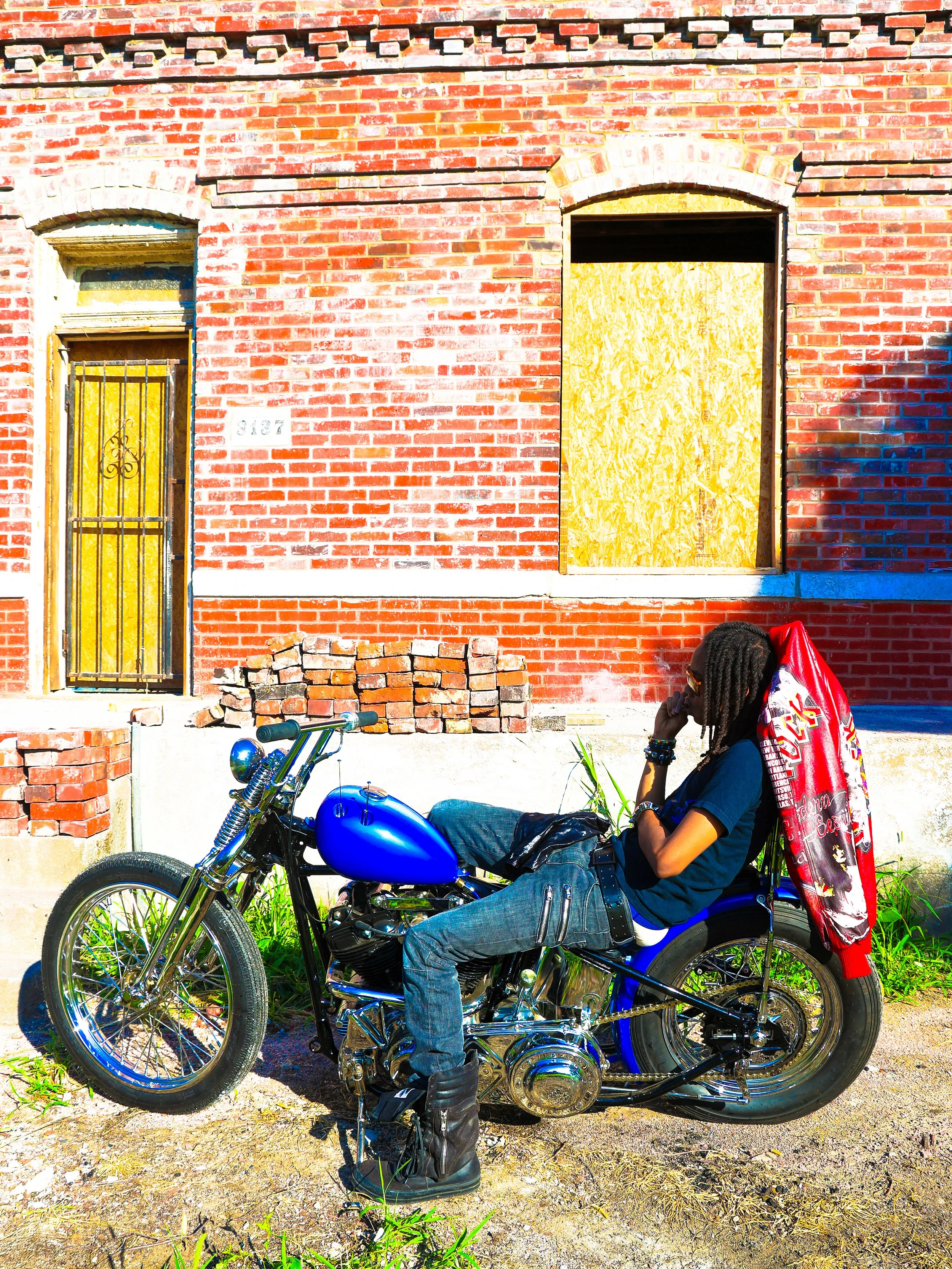
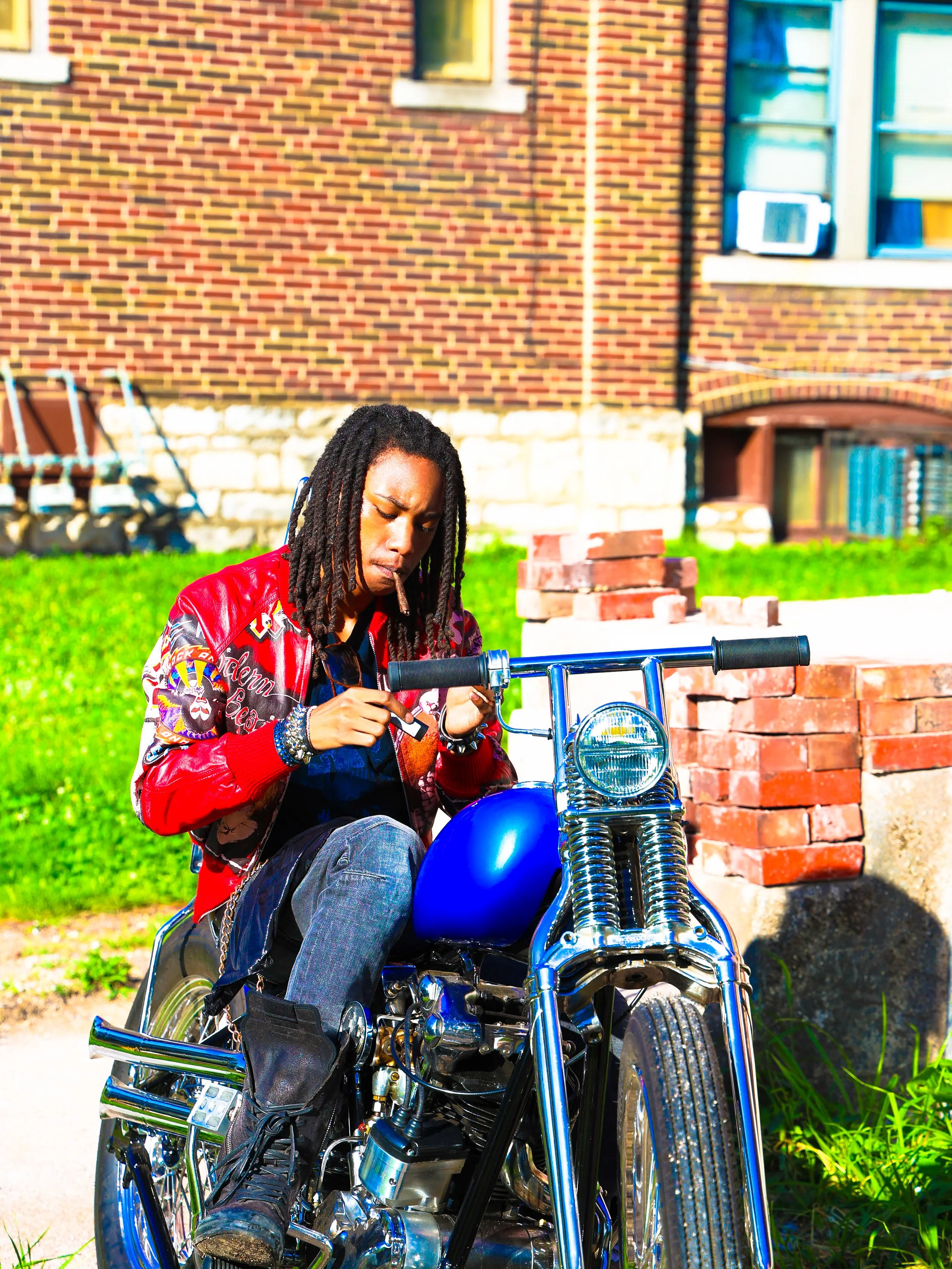
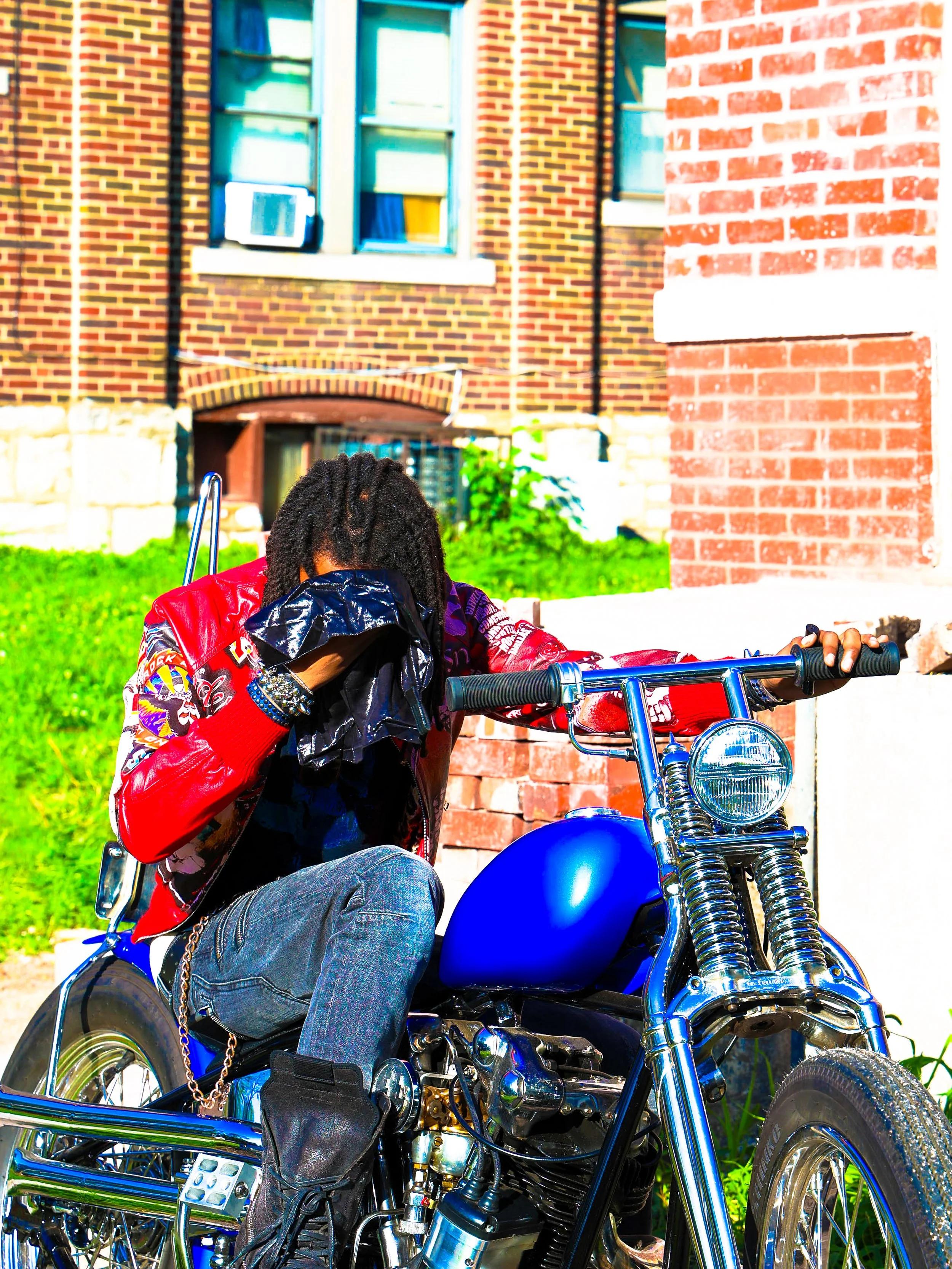
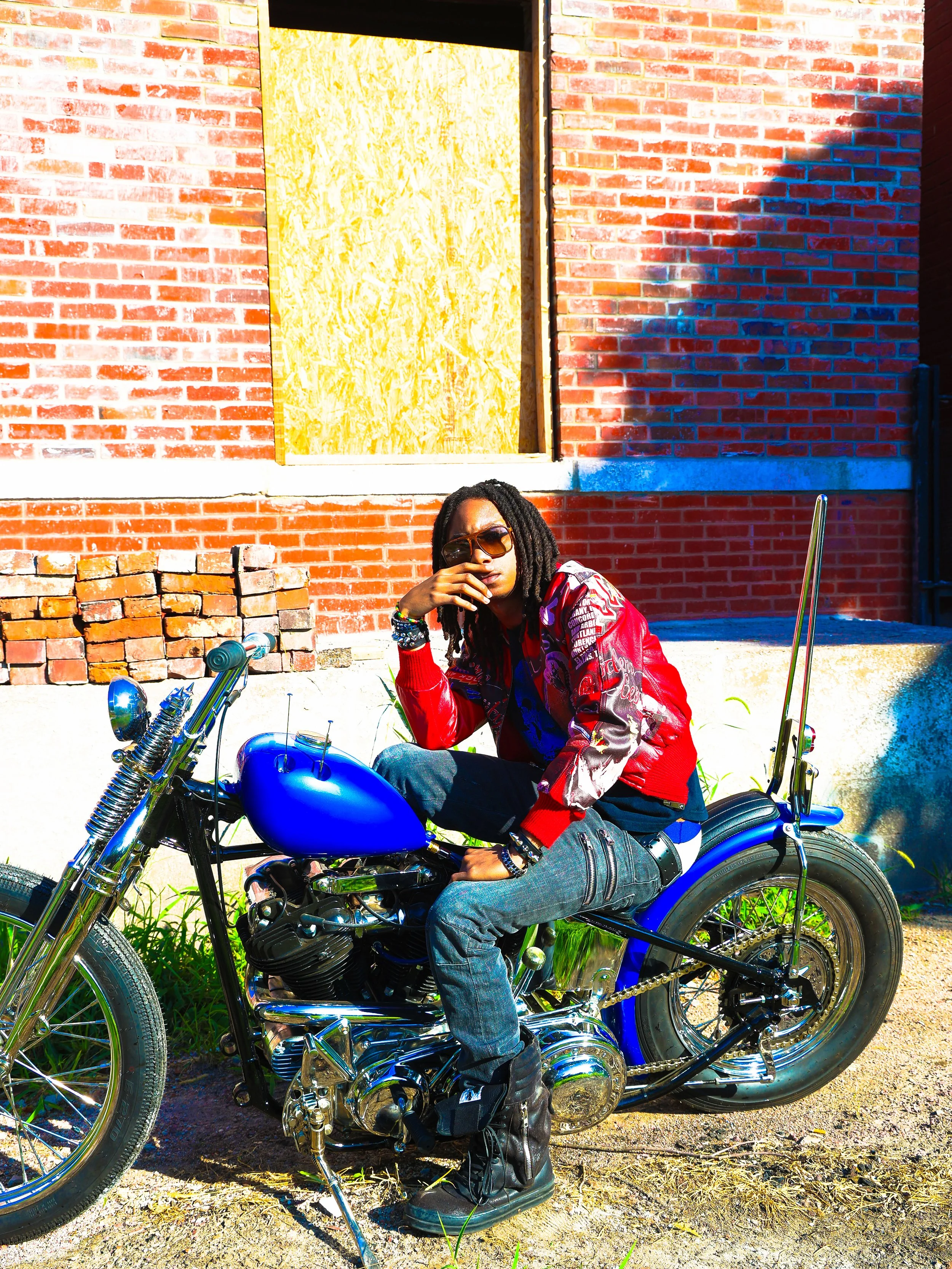
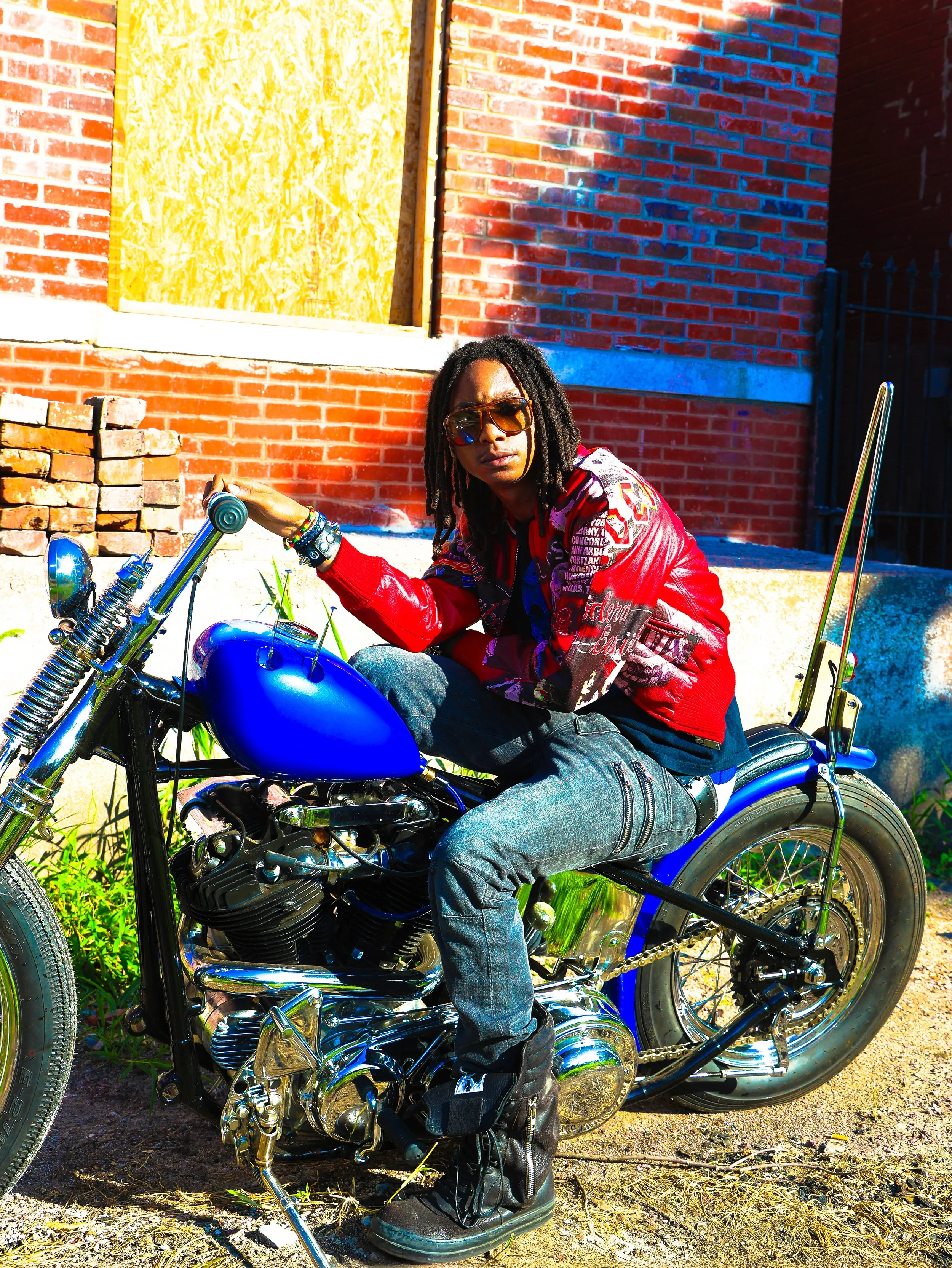
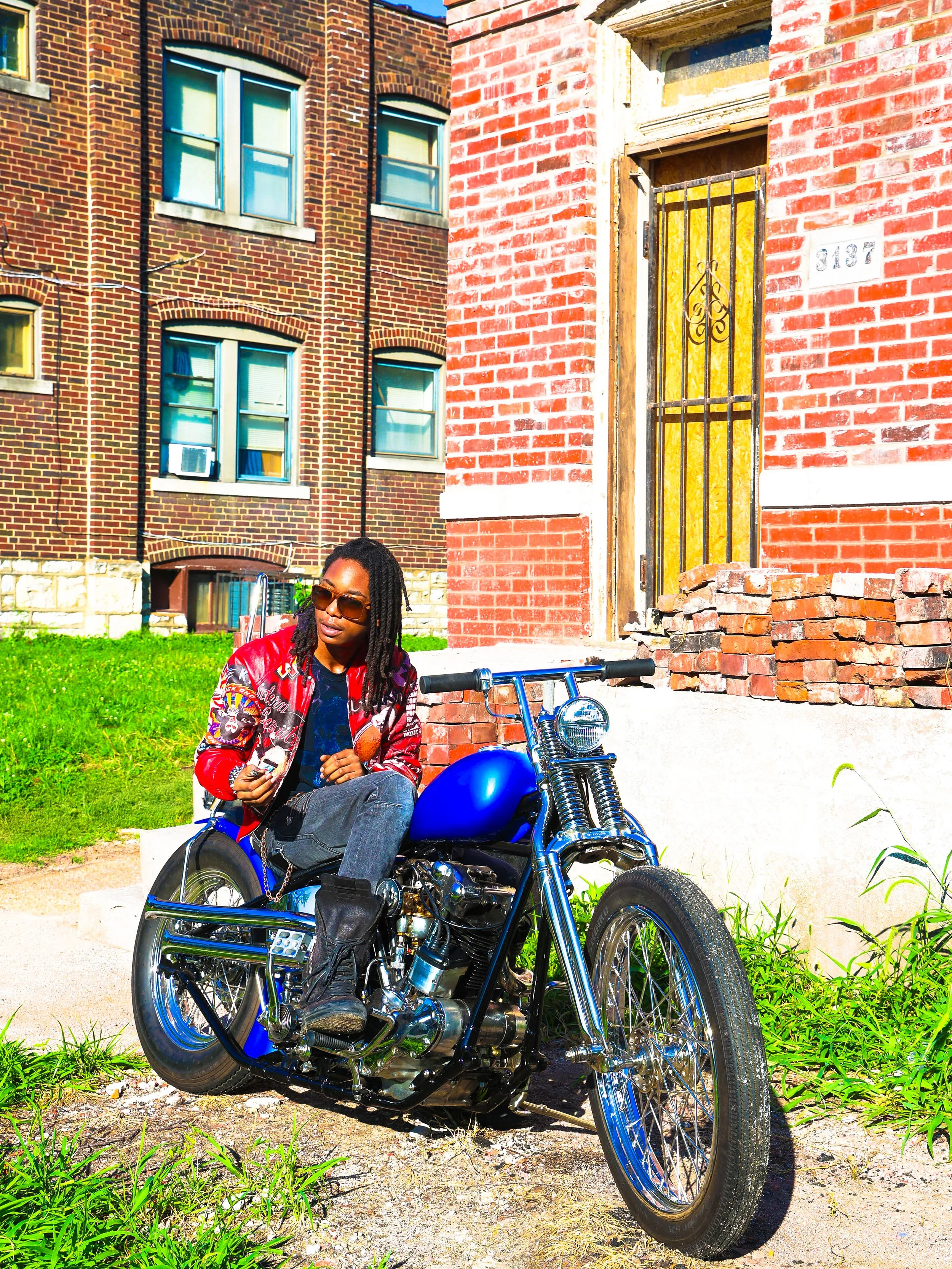
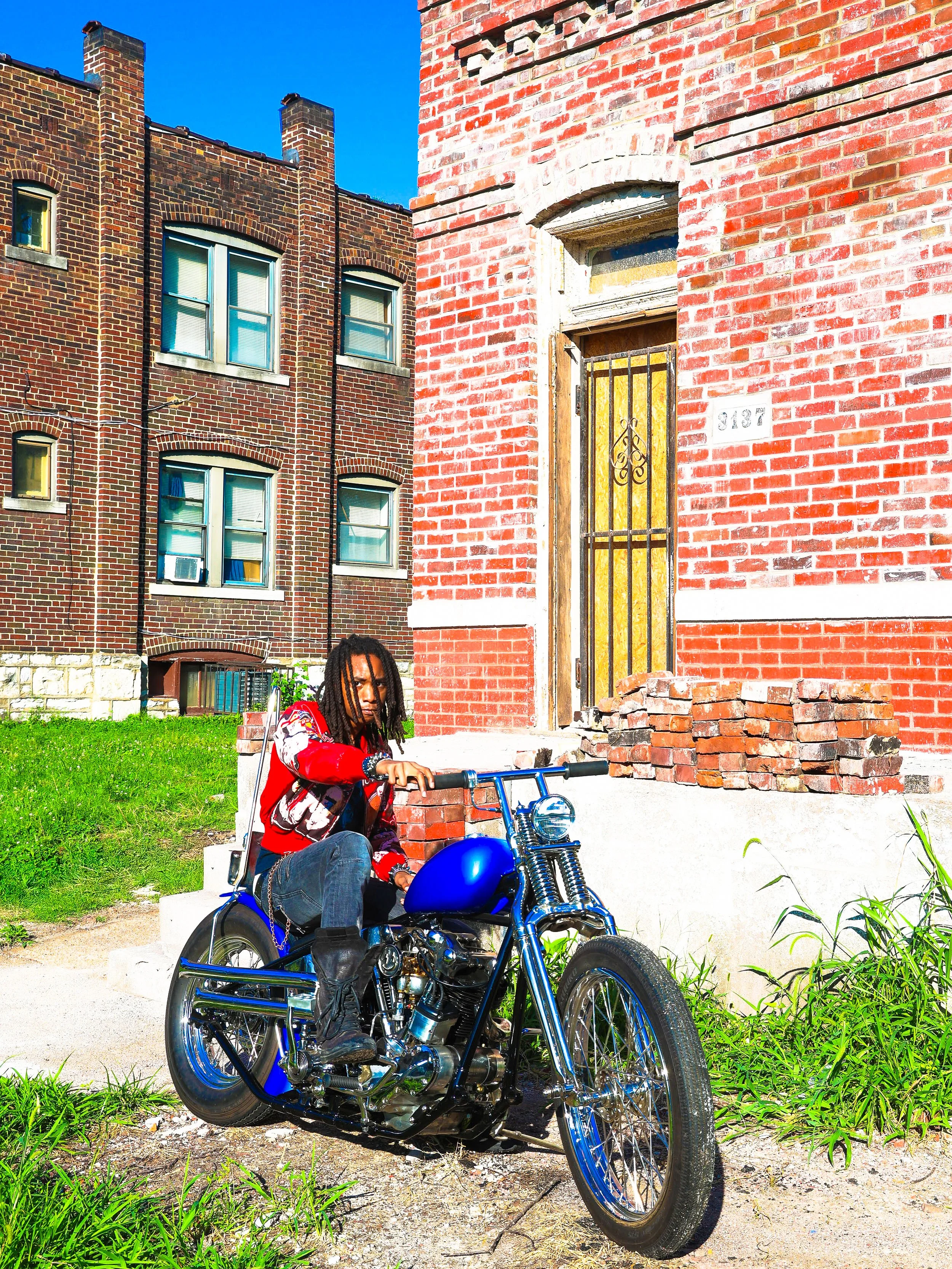
Today’s location is Chuck Berry’s former home at 3137 Whittier Street, where he wrote many of his earliest rock ‘n’ roll classics. The historic home has sat vacant for years. In recent months, the city has begun stabilizing and repairing the structure after assessments found it structurally compromised. While it is not yet open to the public, there are hopes the house could eventually become a cultural landmark or museum honoring Berry’s legacy.
Restoration efforts are evident when we arrive at 8 a.m. to a crew of construction workers on the roof. Between tossing shingles down onto the pavement, they assure us we’re welcome to stay. Waiting for us is Kenny Slaughter, a custom motorcycle builder and chopper fabricator from St. Louis. A local legend, he builds bikes out of his shop known as “The Slaughter Shack.”
When Maso! and I first discussed the concept of “Renegade,” I knew I wanted him on a vintage bike in front of Chuck Berry’s house. Maso! informed me that Slaughter was the only option, and he was right. I DM’d him, and he was game.
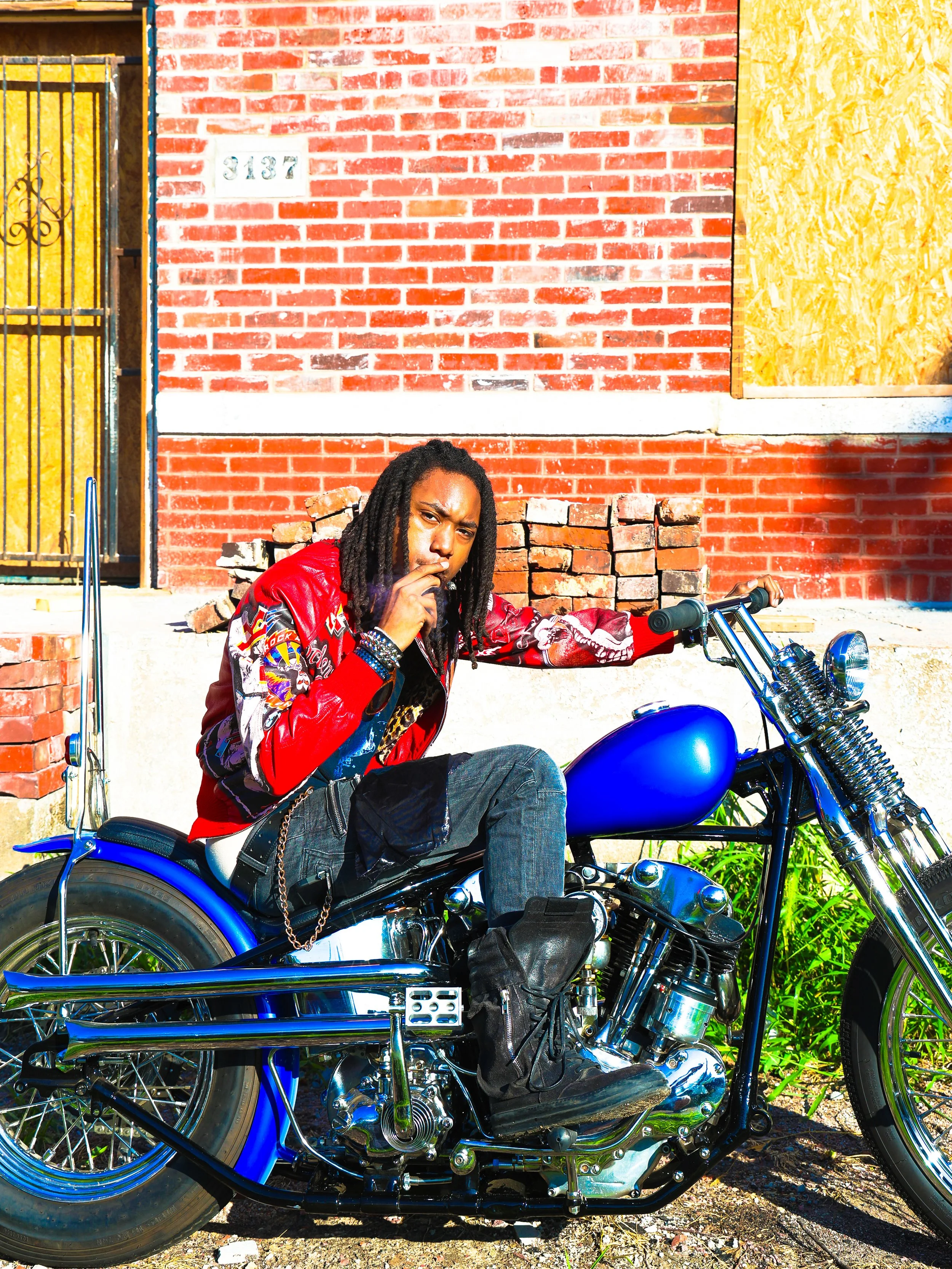
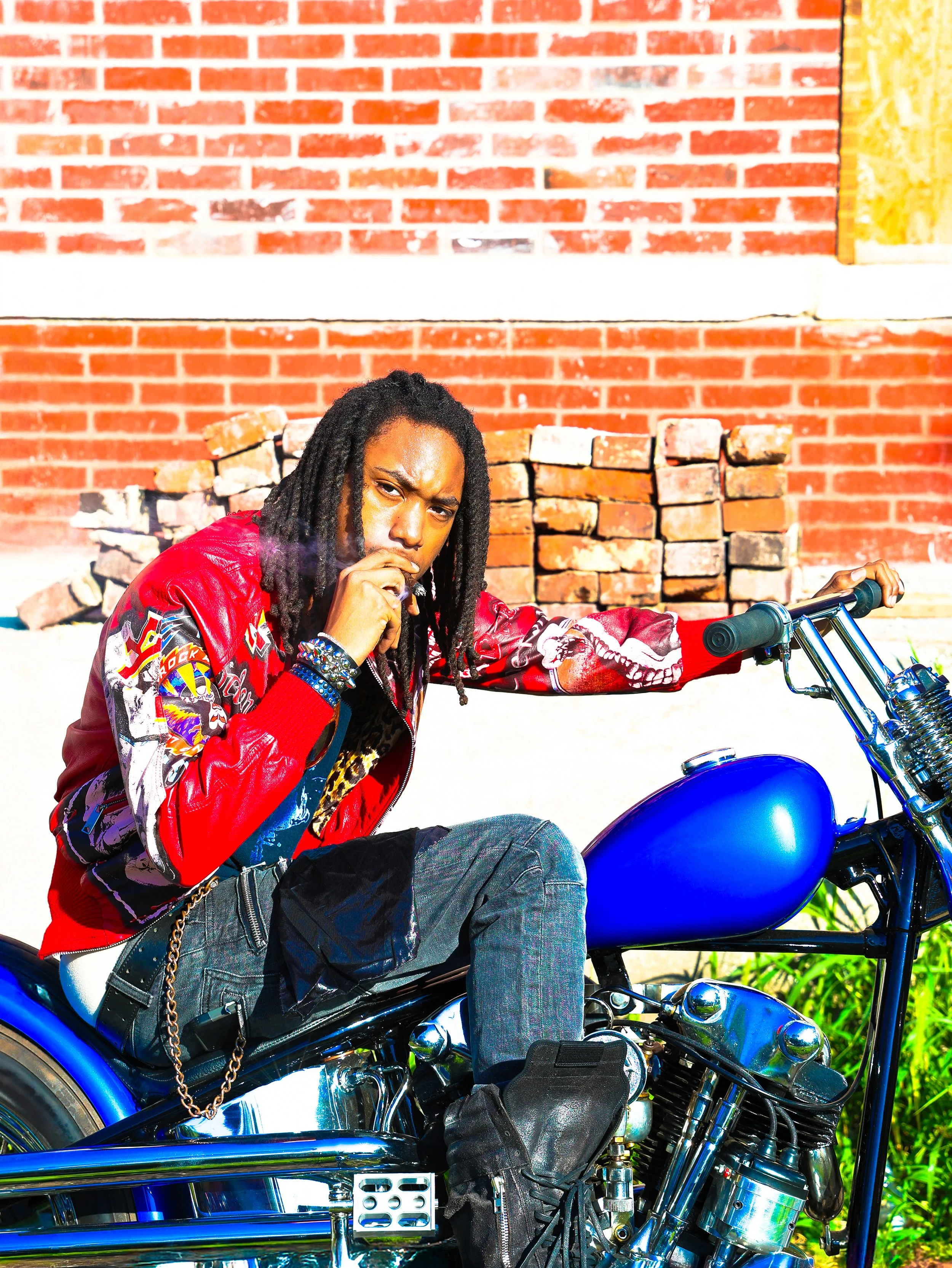
Slaughter parks his motorcycle trailer ahead of us, and we begin helping him unload the 1936 Knucklehead Chopper he built for this year’s Born-Free Motorcycle Show. The beautiful candy cobalt blue bike shines in the summer sun flooding the front of the house. Maso! is wearing the Dolce & Gabanna FW01 ready-to-wear “Acid Rock” studded red leather graphic bomber jacket, featuring Swarovski crystals; a Chrome Hearts FOTI metallic tee; a Dior Homme AW07 Navigate geometric belt; Balmain FW11 black double zip denim; and Rick Owens SS15 CargoBaskets—all pieces from his personal archive. In between shots, I hold his Dior Homme Deville shoulder bag while he takes hits of his freshly rolled joint. I’ve never seen someone look so effortlessly cool, so in their body, and so perfectly suited to a moment. Maso! was born for this.
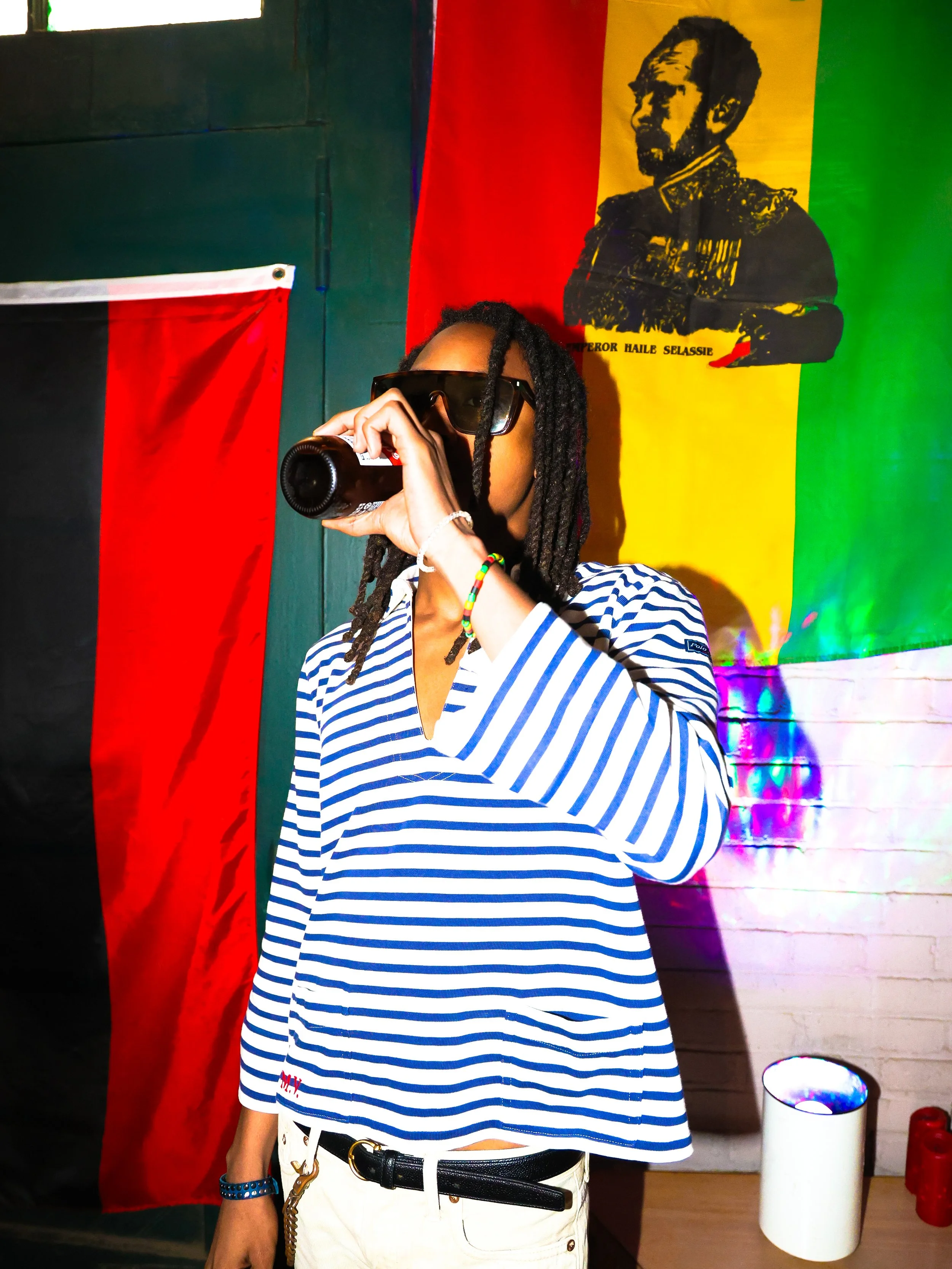
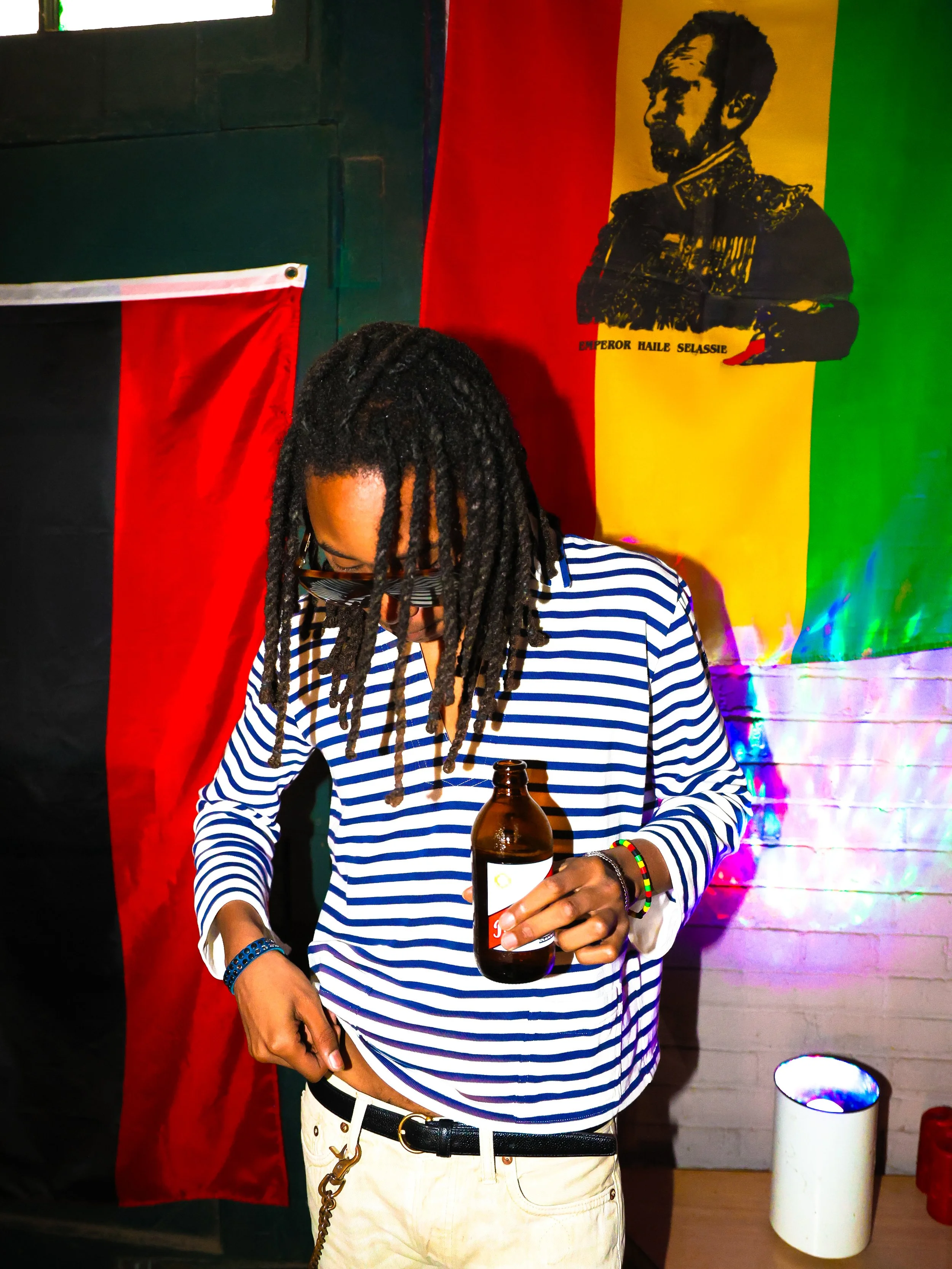
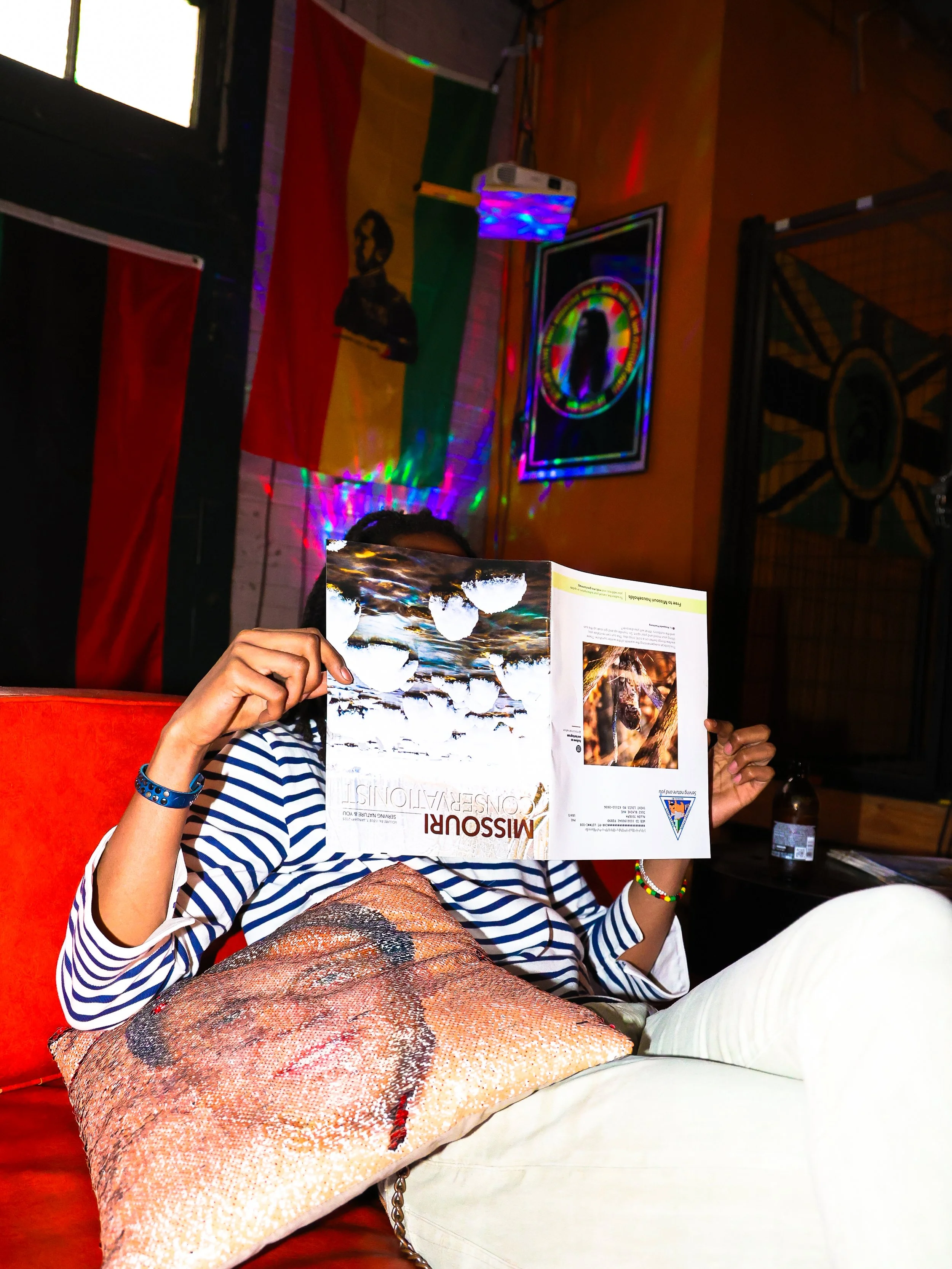
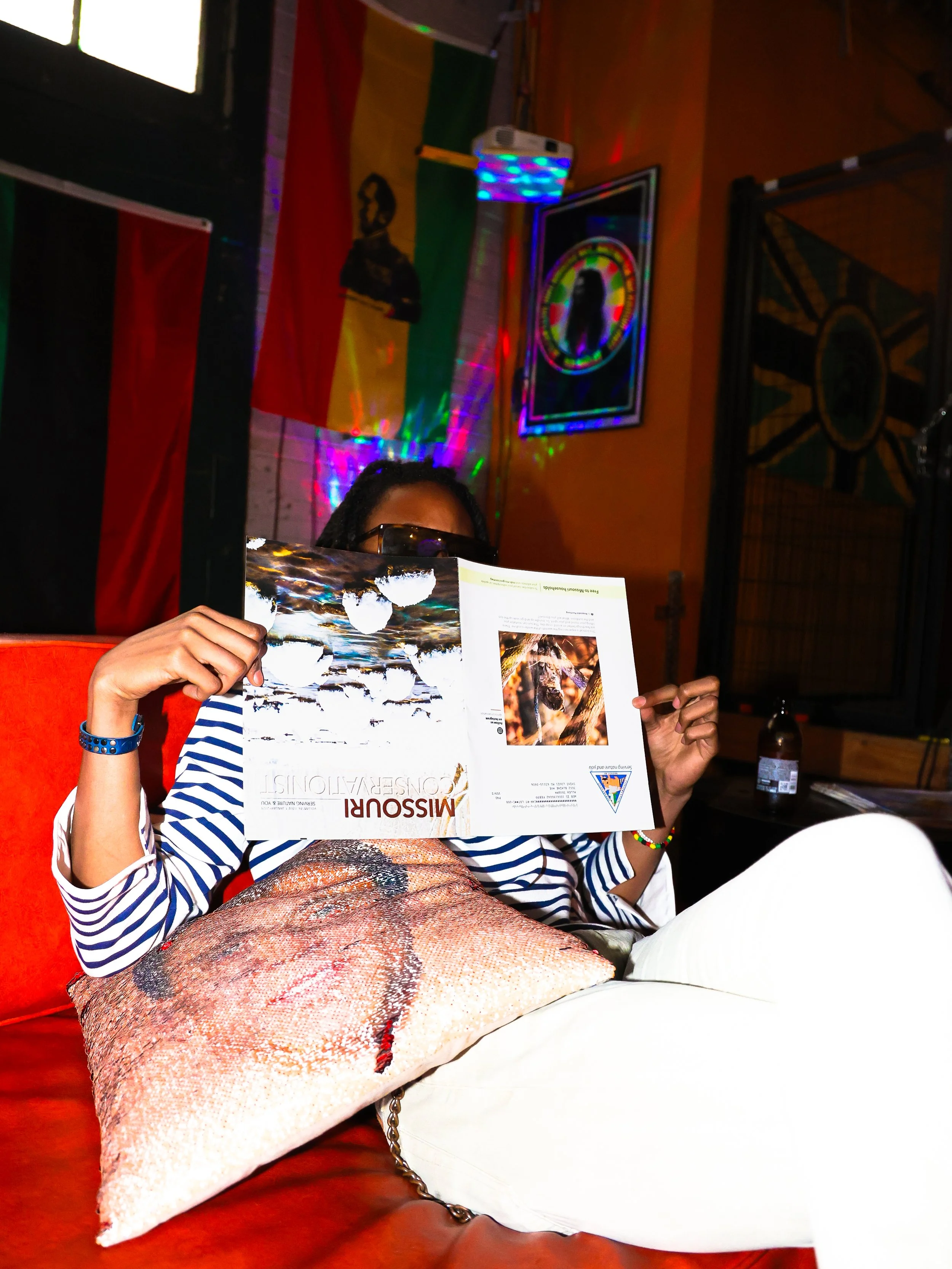


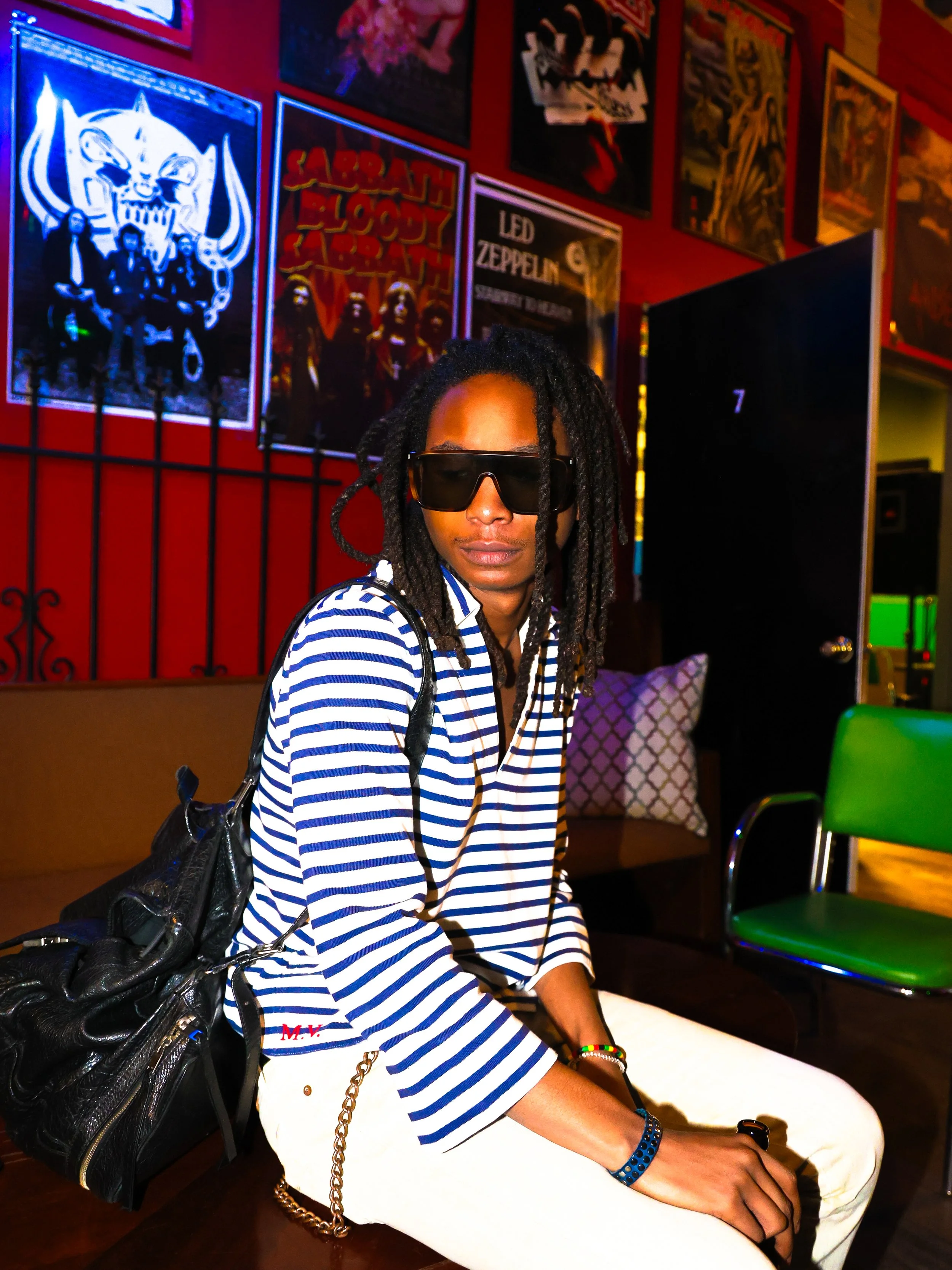
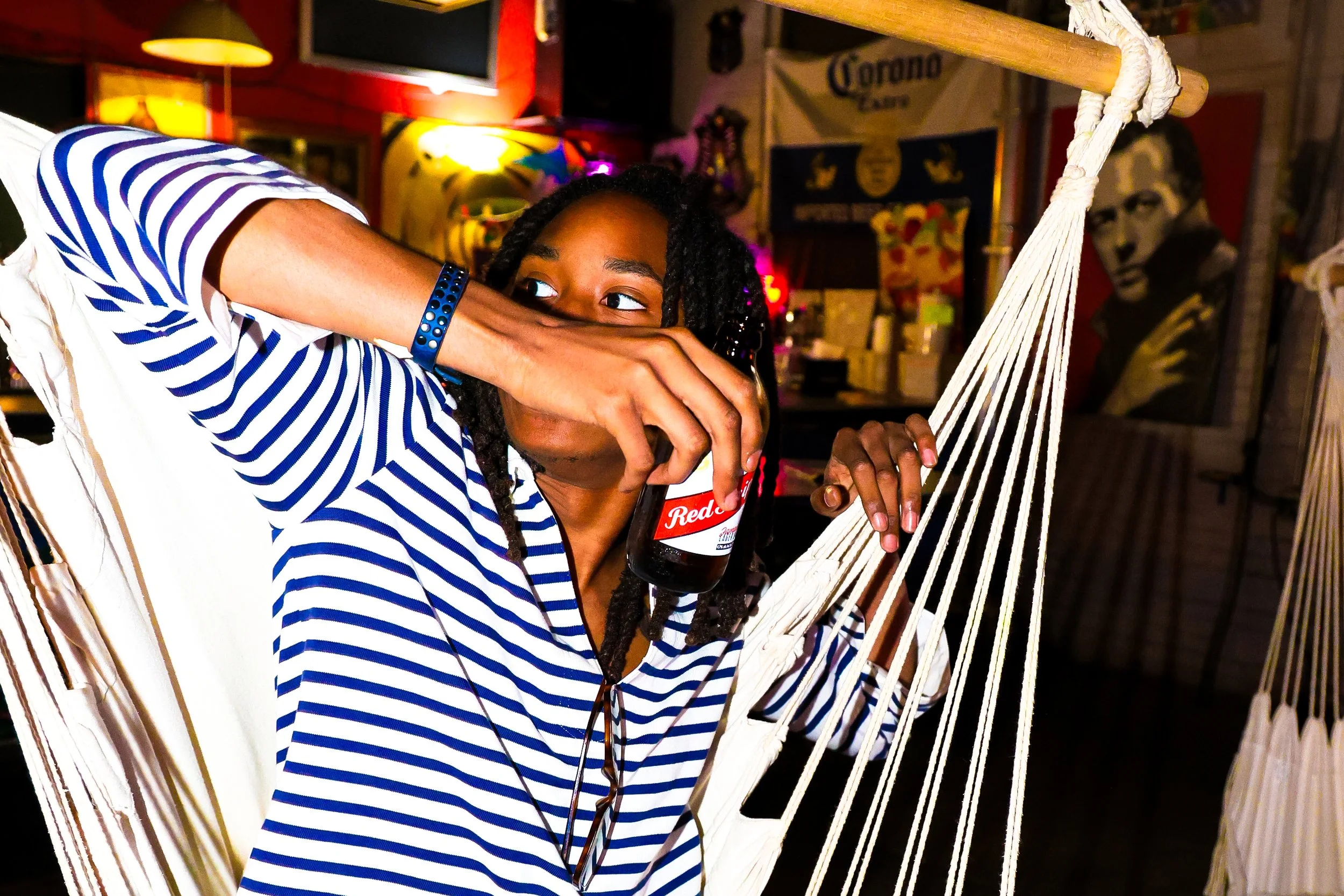
When I take pictures, certain people will know exactly what I’m wearing, and certain people will have no idea, but both will say I look well.
Behind him sits a pile of red bricks, the defining material that built St. Louis and shaped the city’s look more than almost any other in America. After the shoot, Slaughter pockets one. Maso! follows his lead. “I’m not gonna not take a brick from Chuck Berry’s house,” he says, climbing back in the car.
“I love the movie Grease 2,” Maso! shares. “Growing up, my mom and I used to watch it all the time. The main character’s name was Michael. Michael was very smart dude, but he wasn’t cool. The girl that he was into only liked boys who rode motorcycles. I always identified with that duality. He learned how to ride motorcycles and showed up wearing a leather jacket. The girl didn’t know it was him.”
Choppers became part of St. Louis history through the city’s industrial roots and mechanical culture. In garages and machine shops across the region, riders just like Slaughter transformed stock motorcycles into stretched, personalized machines—symbols of independence, craftsmanship, and self-expression. Maso! shares personal ties to that legacy. “My grandpa and uncle were in a motorcycle gang for years called the St. Louis Sundowners. Historically, motorcycles have been a symbol of rock ‘n’ roll especially for the later years, not so much the earlier years. It trickled down the line.”
“The experience of that day reminded me of the song ‘Sun Is Shining’ by Bob Marley,” Maso! says of the cover shoot. “We shot that the day after Ozzie Smith died. It felt supernatural. The few times when I feel like I’m having an original experience, it just feels cool. It doesn’t really feel like there’s a lesson in the moment. When I get out of St. Louis, I still have the same mentality that I have at home: be safe, treat people with respect, have fun, and hold myself and others accountable. The only difference is opportunity elsewhere.”
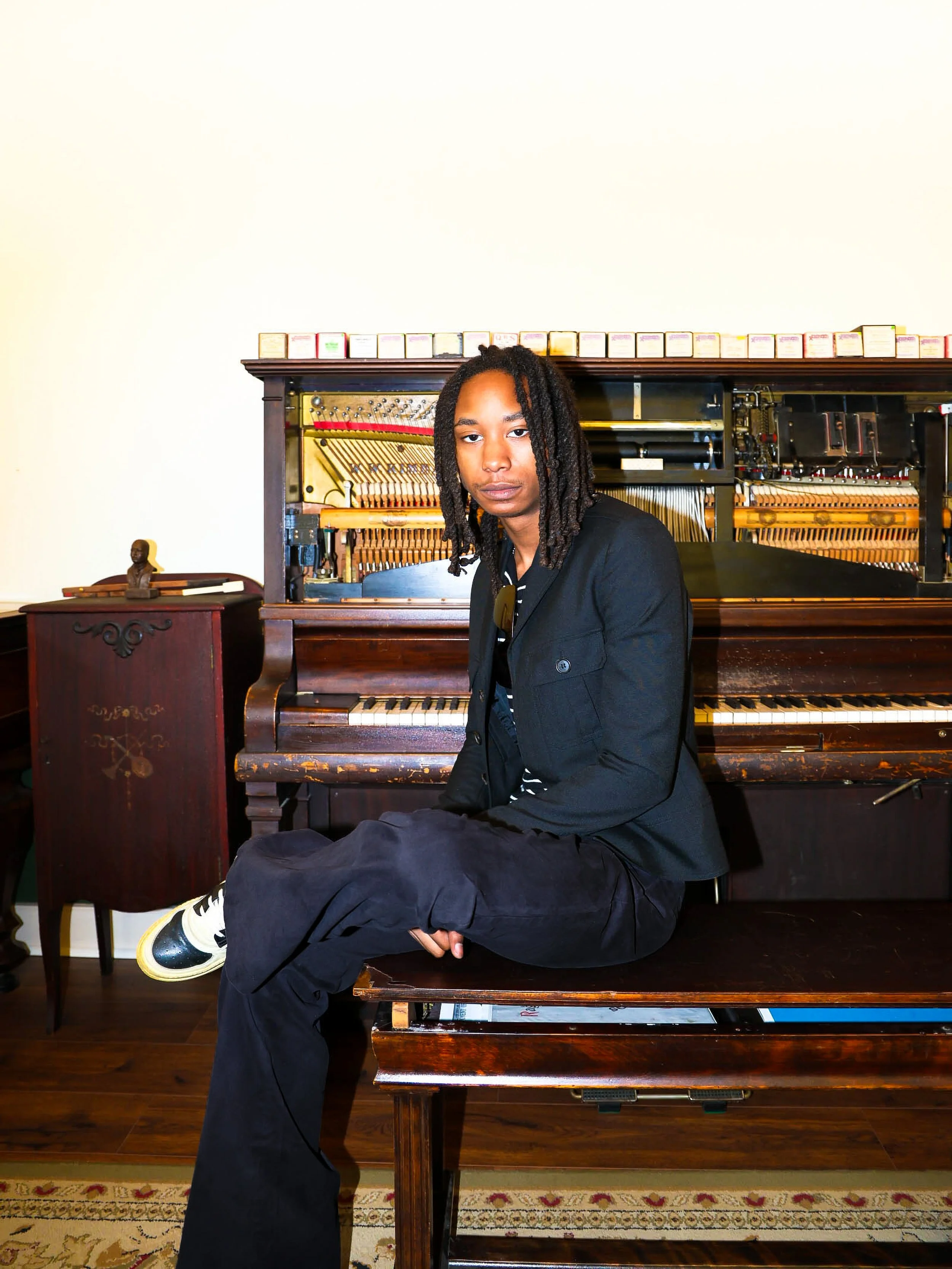
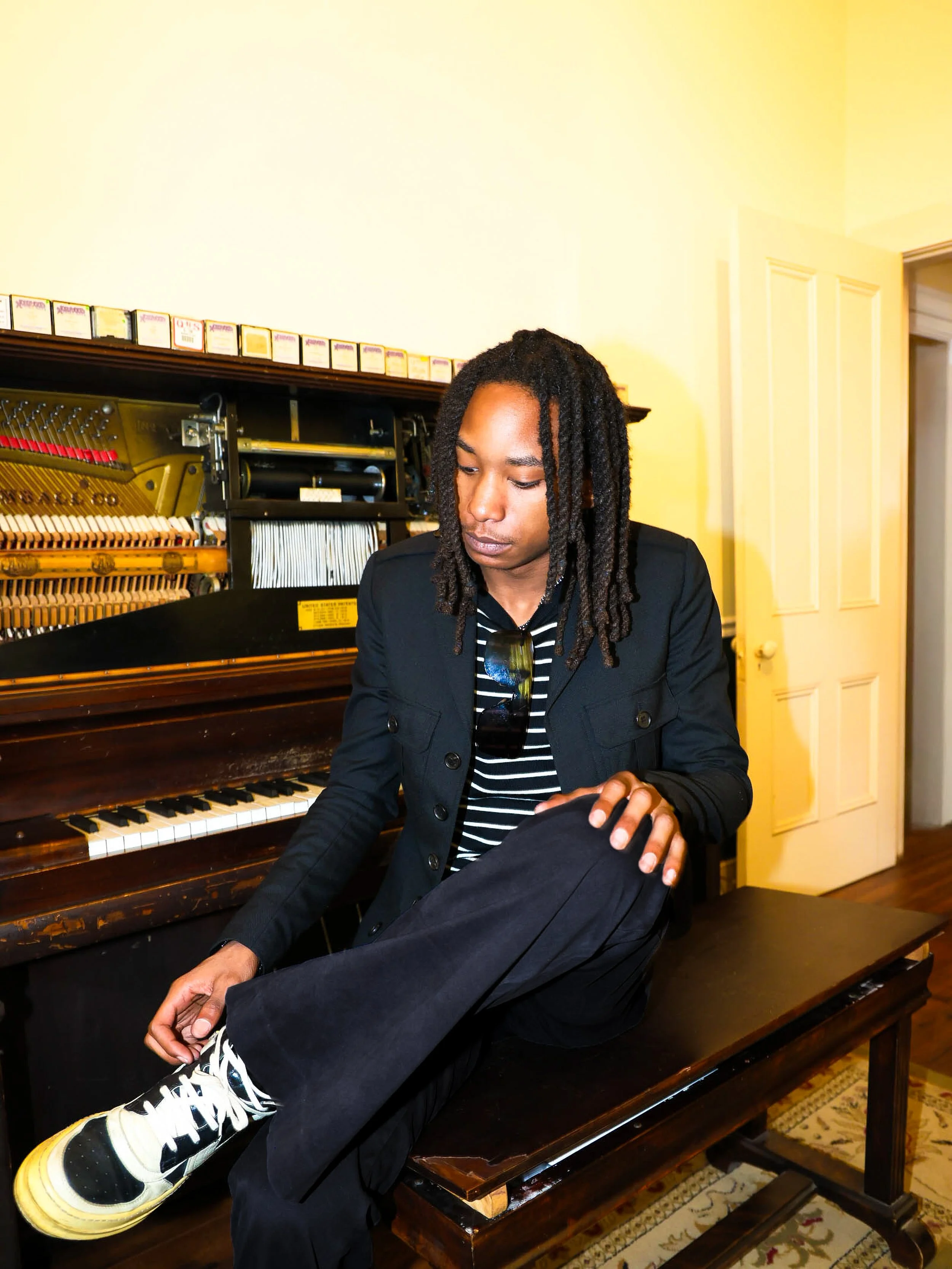
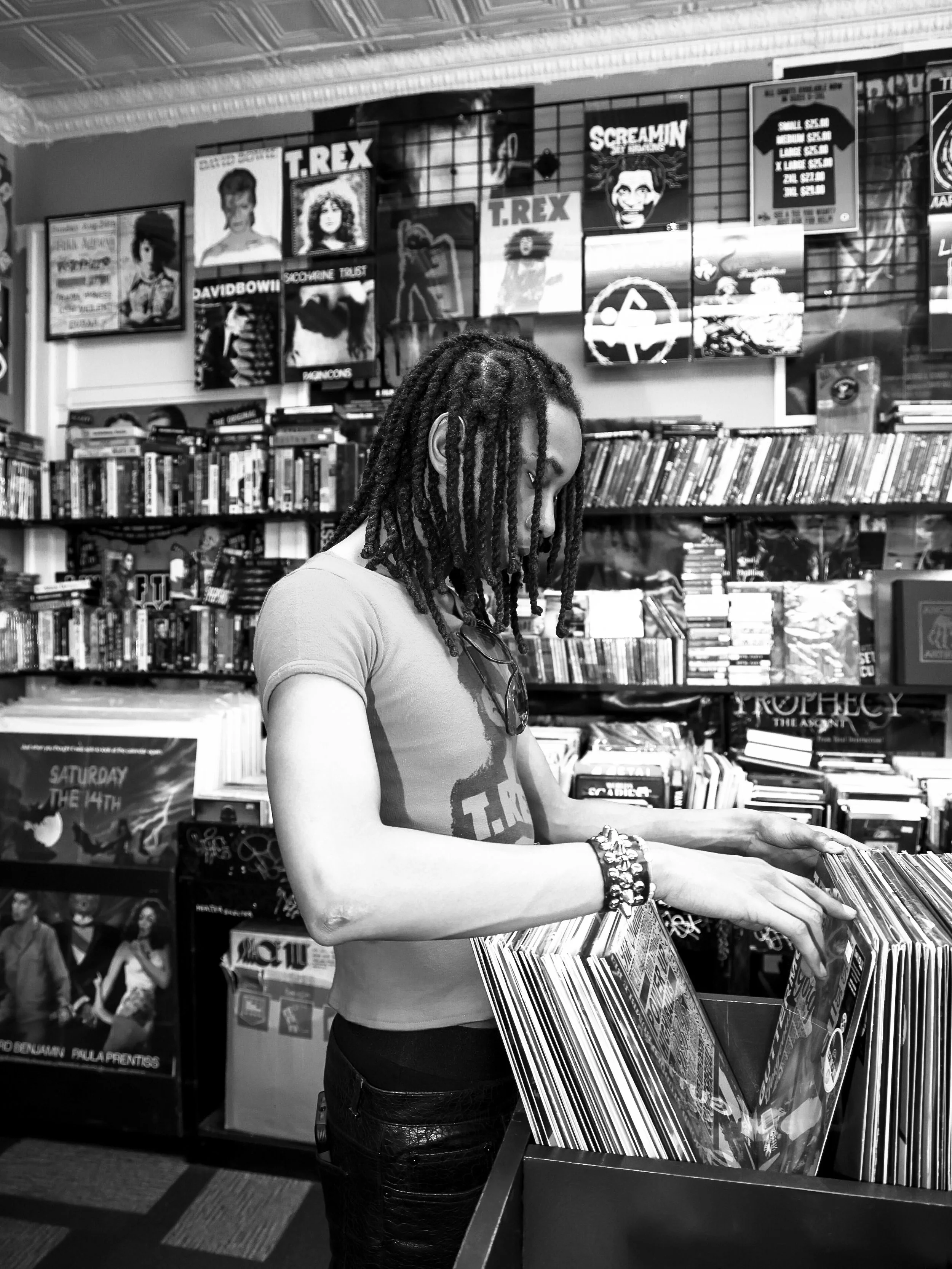
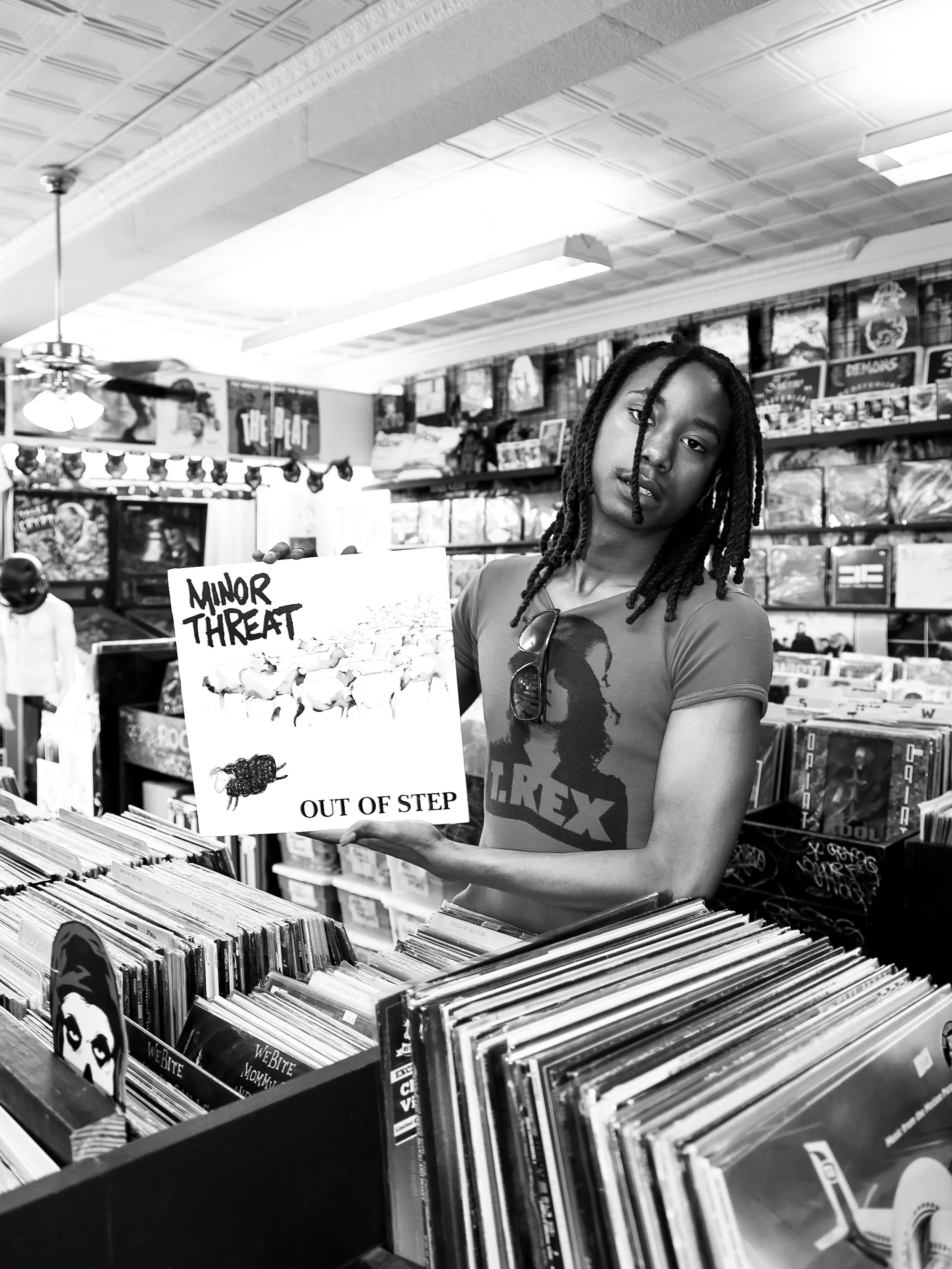
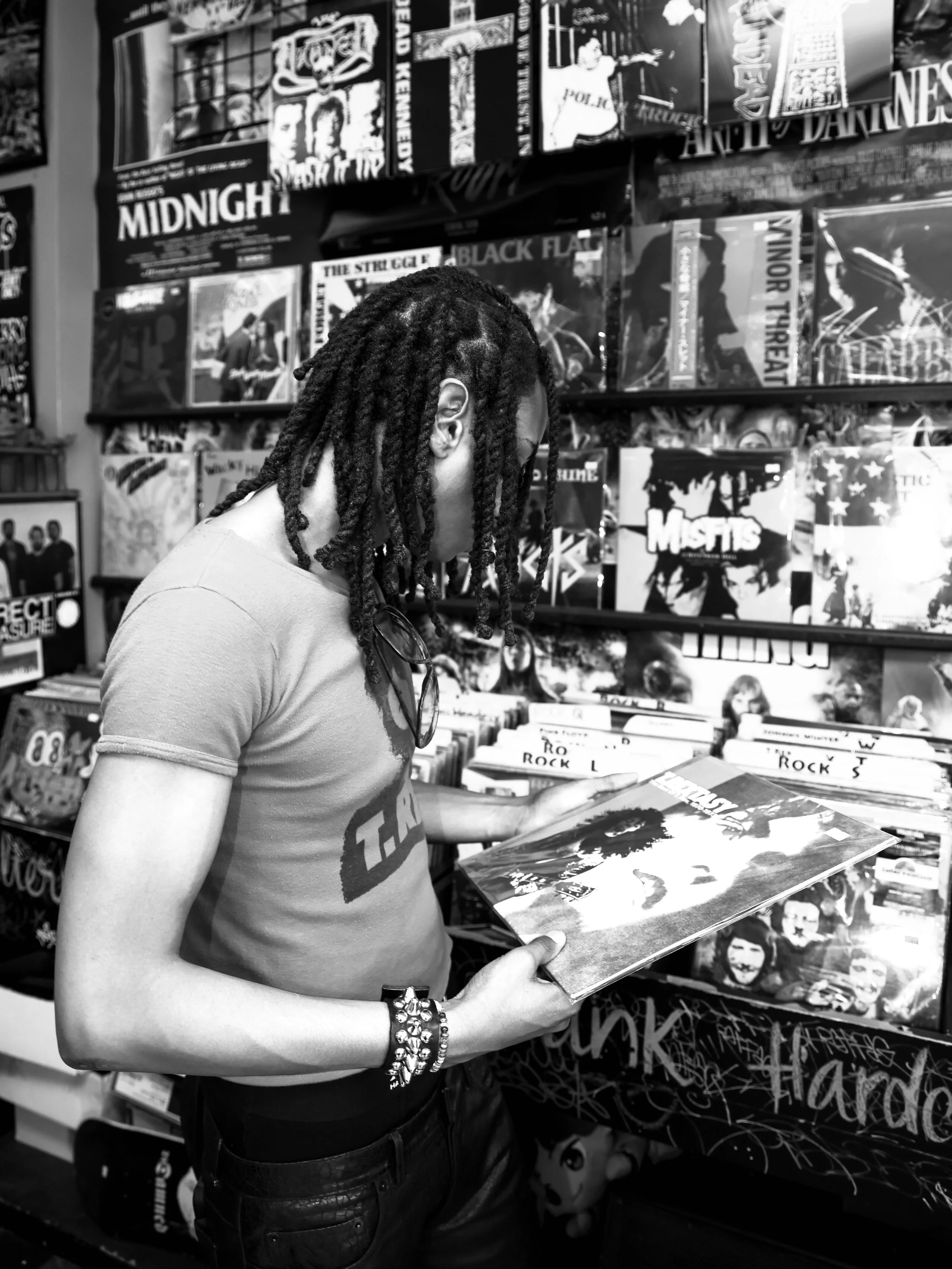
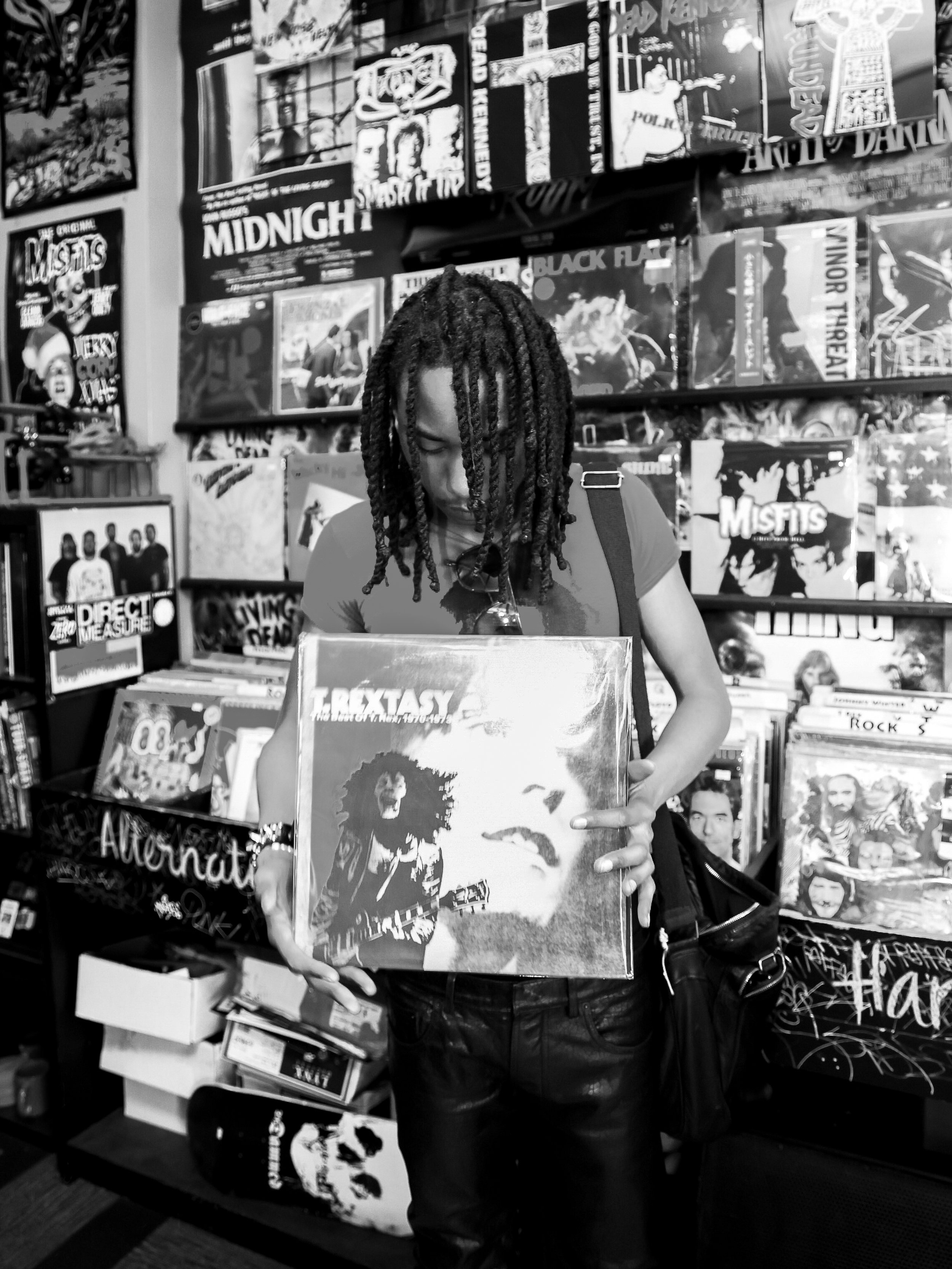
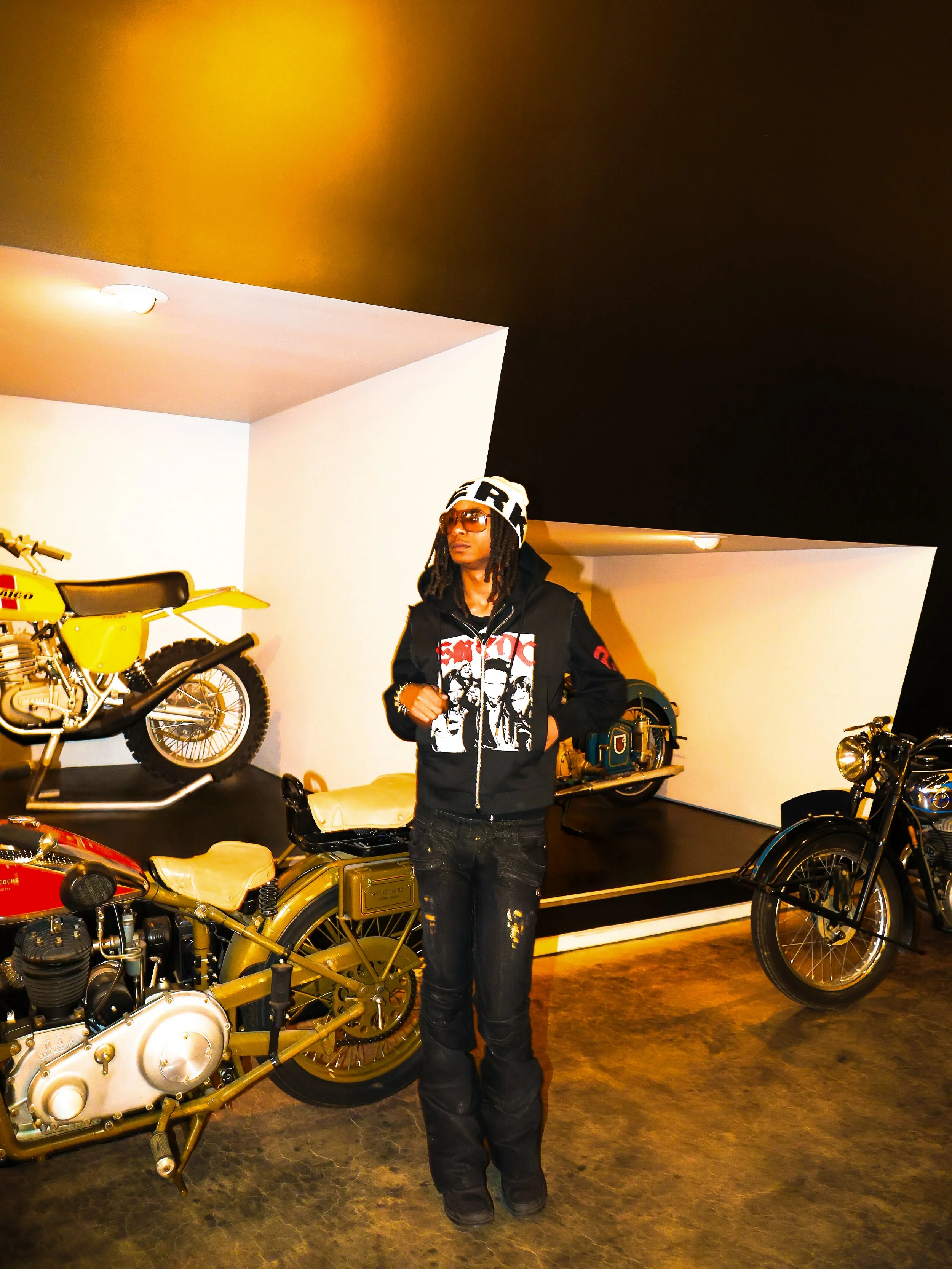
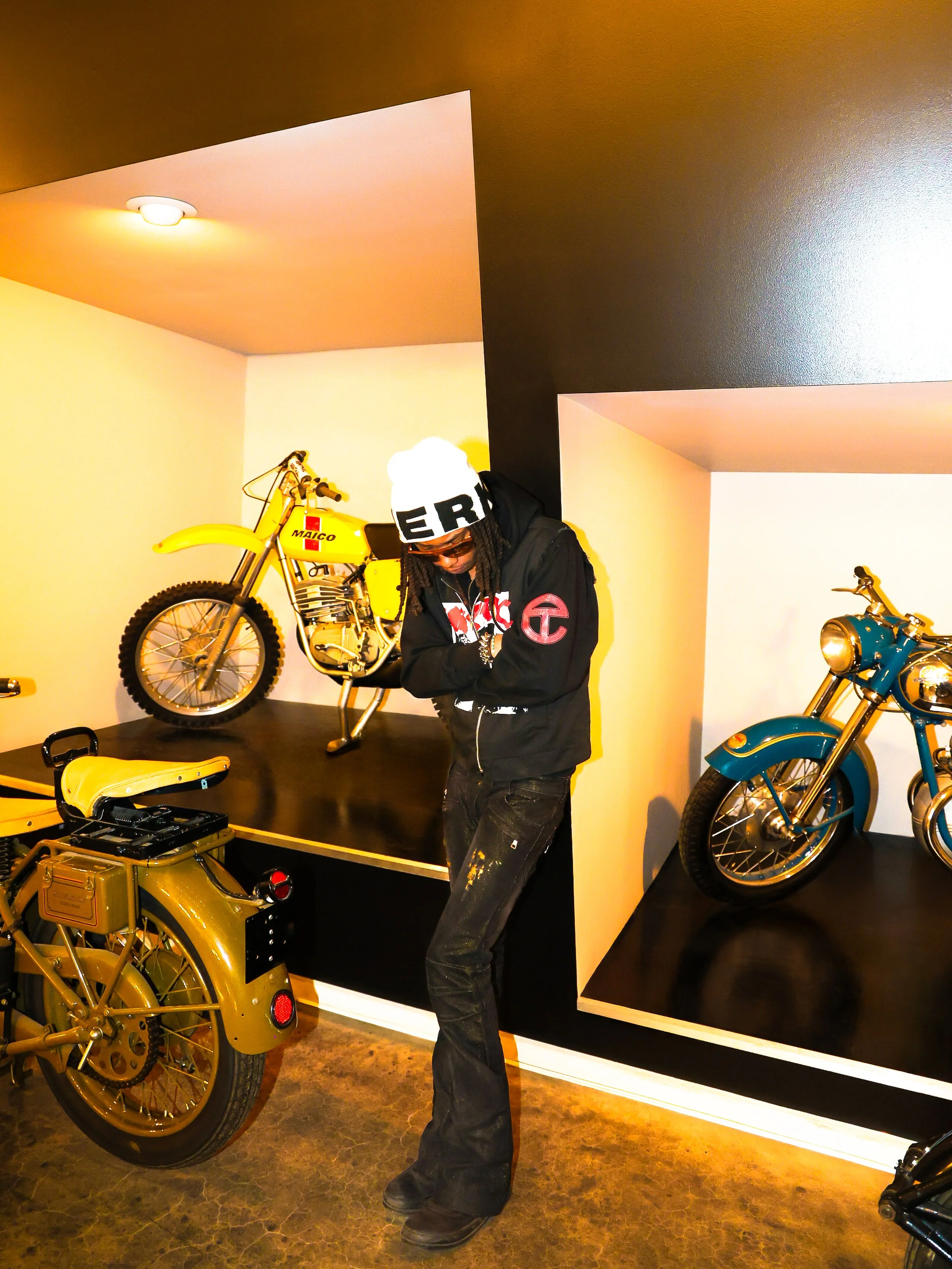
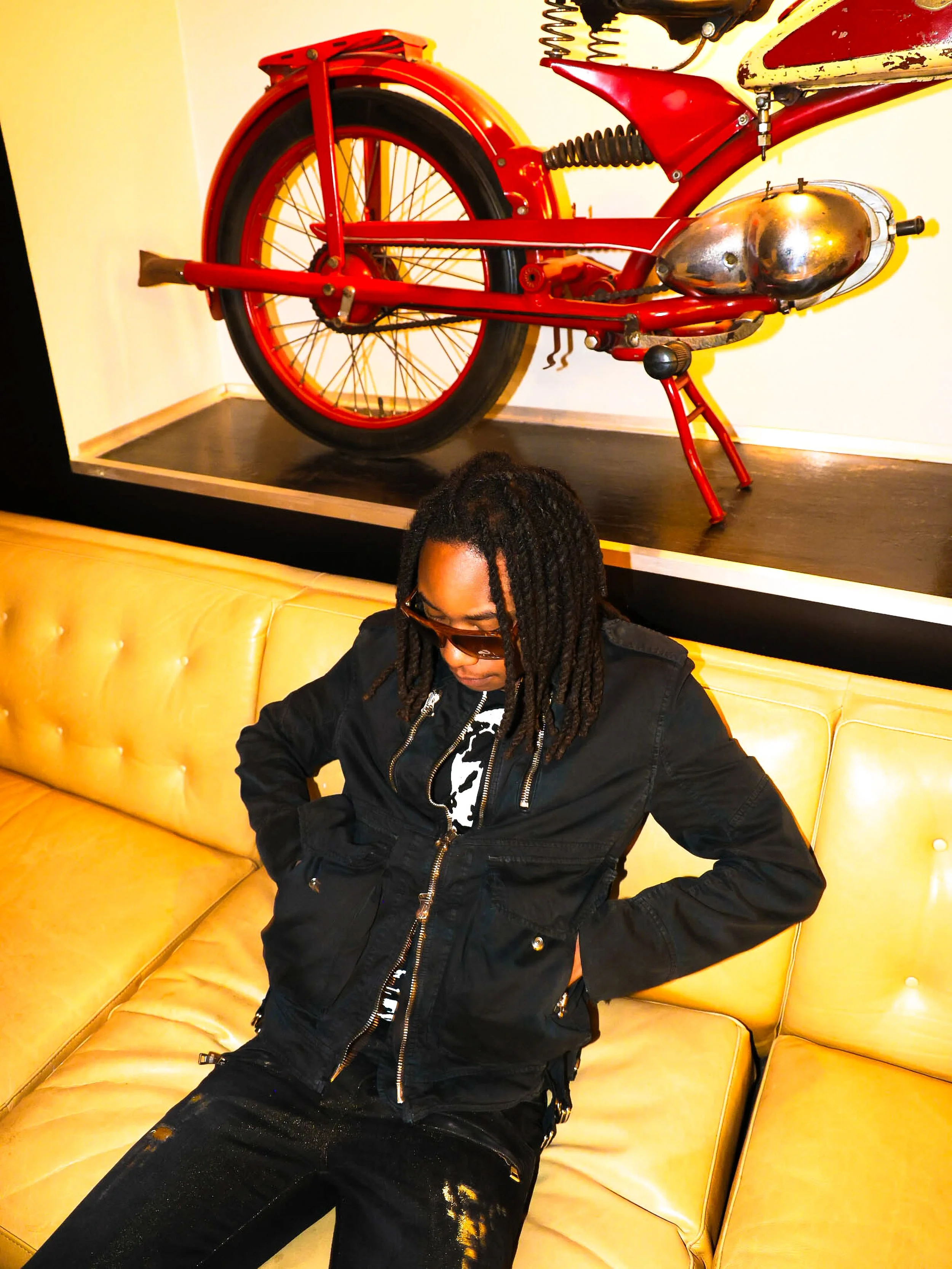
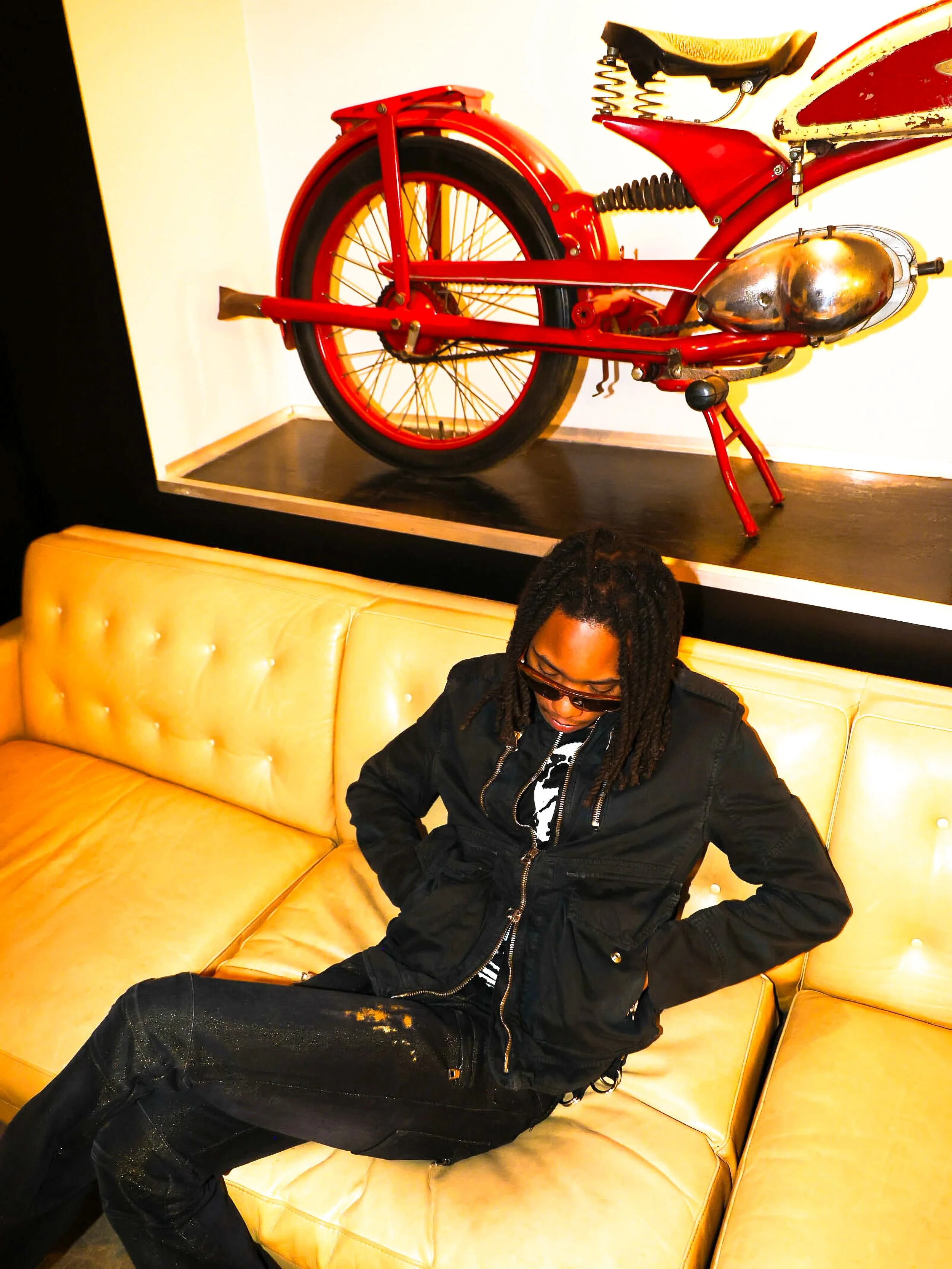
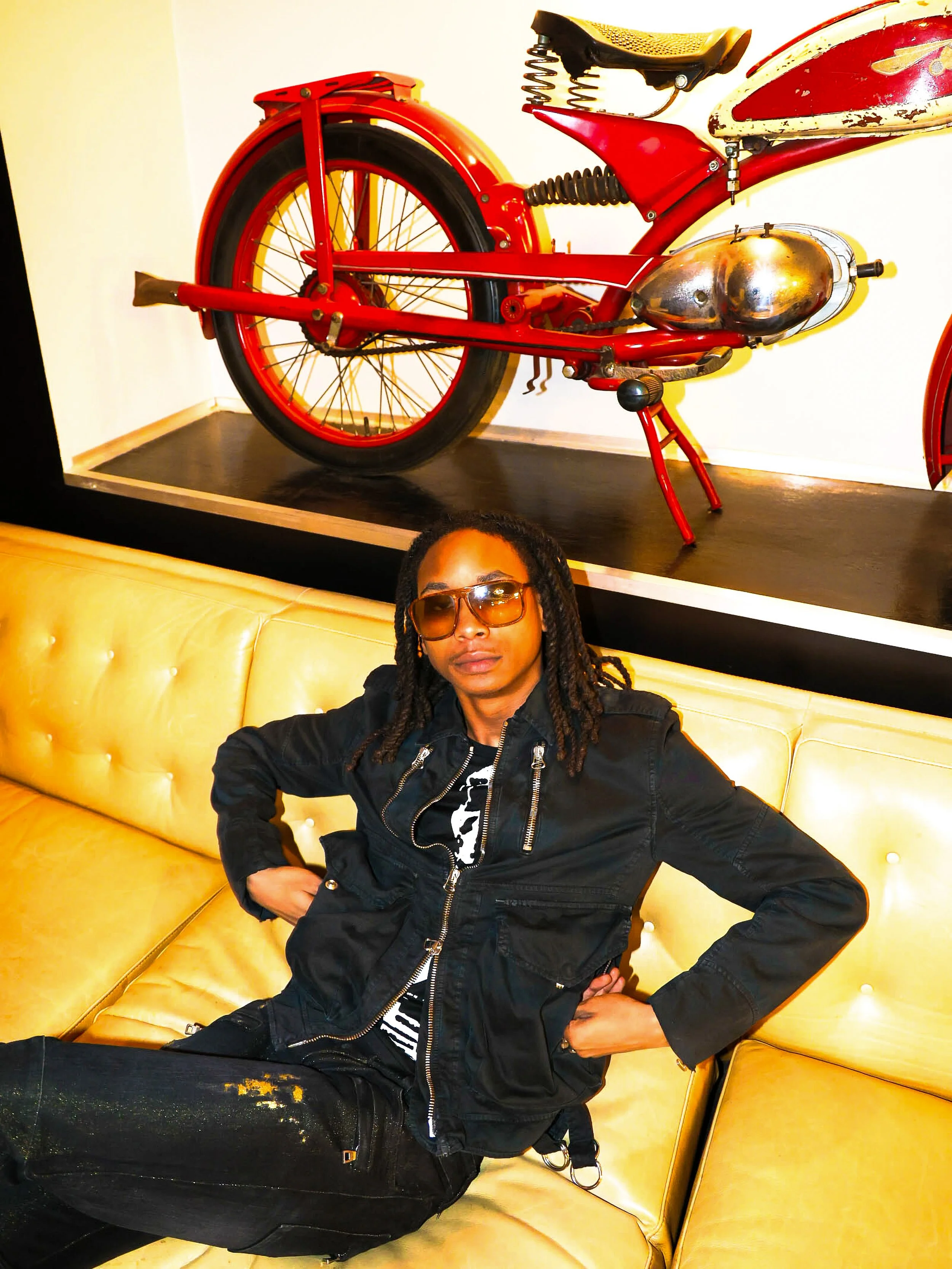
We shot six additional looks for this issue at musical landmarks across St. Louis, each tied to a genre tracing the city’s musical evolution: ragtime at Scott Joplin House, rock ’n’ roll at Blueberry Hill, punk at the Record Space, Americana at Off Broadway, reggae at Utopia Studios, and hip hop at the Moto Museum. Each of these locations had personal meaning to Maso!—from playing his first show at the Blueberry Hill Duck Room at 16 to shooting editorials and recording music at Utopia Studios. The Moto Museum was where we shot his favorite look of the issue, the one he said felt the most like him. The story came full circle, beginning and ending with motorcycles.
“We saw my home,” Maso! says. “We saw my boys and a whole bunch of people who I didn’t even expect to see. That’s just how it is. I love it. That’s why I stay in St. Louis. I’m incentivized by the places that hold memories and history such as those. It gives me a sense of pride to return.”
While driving around the city on one of my first shoot days with Maso!, he points out his graffiti tag—another abandoned wall of St. Louis claimed by the youth. “Who is your favorite artist?” he asks. “Marina Abramović,” I answer. We talked about her for nearly half an hour. I had never met someone who connected with her work the way I did.
“Everybody who feels the way we feel has a mutual understanding that motherfuckers who are different—and I hate using that word—people with niche interests and things they actually fuck with are always going to be that way,” Maso! says. “There’s no way that somebody is going to be able to shake that out of that person. And when people share those same interests, they automatically link up and appreciate each other. It’s like, ‘Damn, you fuck with that? I fuck with that. I see how that’s influenced your life. I know how that’s influenced my life.’ So, we got to be cool based on the fact that we know what’s going on, even if we’re not doing the exact same thing.”
Those niche interests are what make Maso! something of an enigma—a cultural savant shaped by so many influences that you can’t quite place him. This range makes him feel mysterious yet familiar at the same time. “I just love music. I love fashion. I love history. I love art. I love art history. I love textures. I love textiles. I love letters. I love precious metals. There are things in life that just click to me. A lot of my influences and things I genuinely love can be translated through my music. Sometimes people think I’m flexing, and that’s not the case. If anything, I’m trying to build a world and a picture for you to be able to tangibly see without having to go through the trials and tribulations that I had to go through to achieve what I’ve done. Because this shit don’t come easy. I freestyle everything. I go to the studio. I had to teach myself how to do that. I had to go through so much to become a better artist for the betterment of my music. I never wrote for real, so I had to learn how to make that my strong suit. Knowing that I don’t write, I have to be sharper. I have to be wittier. I have to put a little bit more grit in what I’m saying, because this is coming from my mind.”
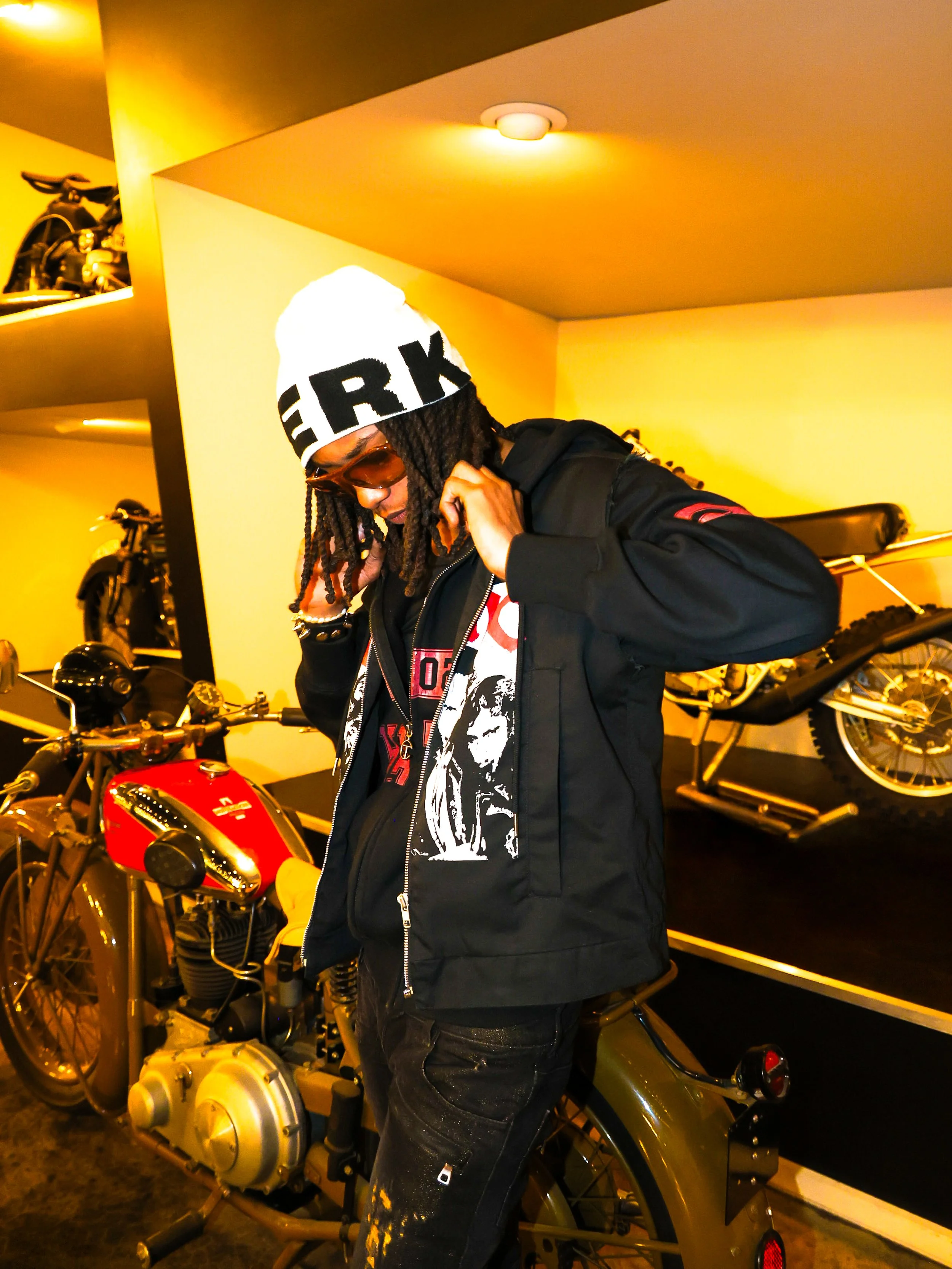
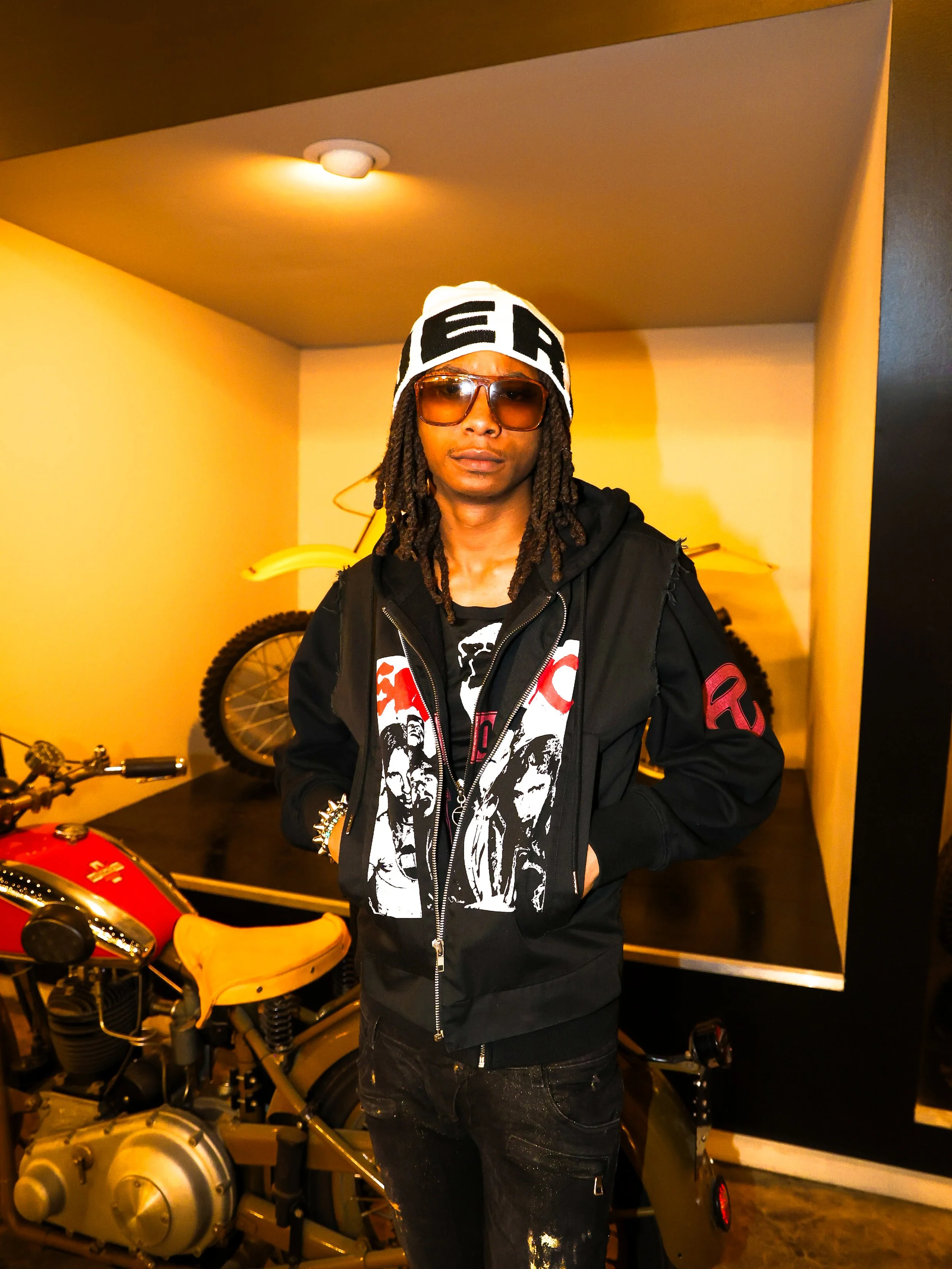
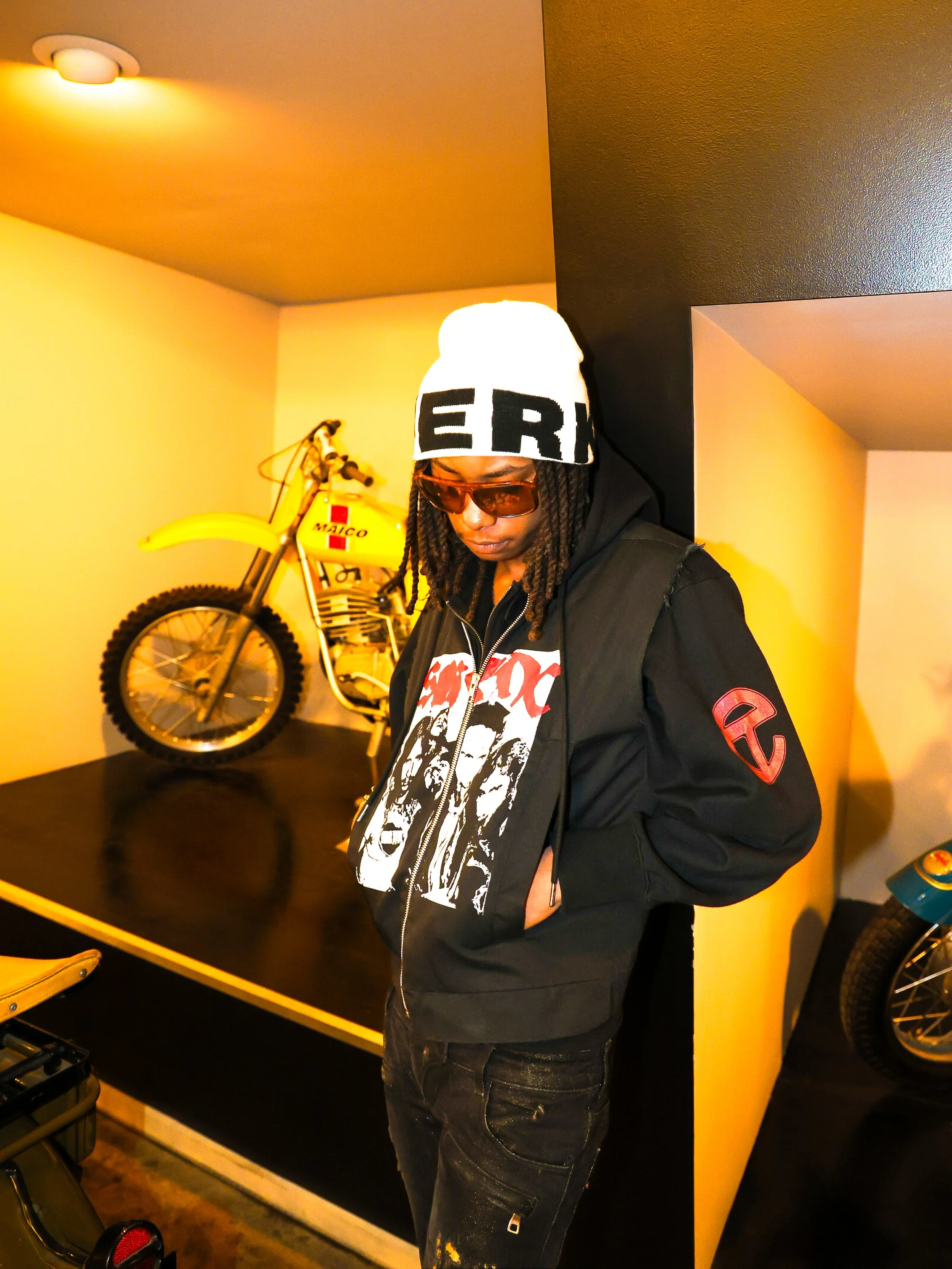

I just love music. I love fashion. I love history. I love art. I love art history. I love textures. I love textiles. I love letters. I love precious metals. There are things in life that just click to me.
From the time he was in middle-school, Maso! has been a renegade. This inclination manifests in his artistry. He is the student of his craft who was exceptional enough to become the teacher, to learn from the greats and then push their ideas even further.
“They always askin’ how he doin’ it / Put a word up on my back / You know I do dat shit,” Maso! raps in ‘DoDatShit,’ the first single from GET AWAY. It’s a valid question. How does he do it?
In his music, Maso! breaks genre boundaries to create a distinct sonic and visual language. A lifelong St. Louisian, he has built a career outside of the mainstream industry that challenges gatekeepers and ignores traditional expectations entirely. He refuses to change who he is, and in doing so, the system conforms around him.
In his fashion, Maso! breaks the rules of the conventional blueprint, creating looks that feel innovative while also being timeless. His styling builds strong visual narratives around conceptual silhouettes. He prioritizes originality and legacy over the trends of today, and in doing so, he creates the trends of tomorrow.
A renegade is fiercely independent. A renegade is savagely rebellious. A renegade builds influence rather than looking for it in others.
To be a renegade is to be a disrupter, to stare in the face of conventions and break from them in the name of making your own. When the playbook is pushed the hardest, a renegade chooses to burn it and write their own.
Every generation needs its renegades. It just so happened that St. Louis has raised one of the loudest. Maso! is not the first and surely won’t be the last. As Chuck Berry once declared, “Roll over Beethoven and tell Tchaikovsky the news.” •
Editorial
Photography: Philip Hiblovic
Creative Direction: Philip Hiblovic & Maso!
Styling: Philip Hiblovic & Maso!
Production
Editor-in-Chief: Philip Hiblovic
Executive Producer: Philip Hiblovic
Story: Philip Hiblovic
Interview: Philip Hiblovic
Layout: Philip Hiblovic
Publisher: Philip Hiblovic
Fashion
1 │ Chuck Berry House
Dolce & Gabbana jacket; Chrome Hearts tee; Balmain denim; Rick Owens boots; Dior Homme belt; Saint Laurent sunglasses
2 │ Scott Joplin House
Dior Homme blazers, sweaters, trousers, & bag; Rick Owens boots & sneakers; Saint Laurent sunglasses
3 │ Blueberry Hill
Levi’s jacket; Vintage tee; Gucci trousers; Converse x Isabel Marant sneakers; Rick Owens sunglasses; Dior Homme bag
4 │ The Record Space
Vintage tee; Dior Homme trousers & bag; Rick Owens boots; ALICE HOLLYWOOD briefs; Saint Laurent sunglasses
5 │ Off Broadway
Raf Simons tank; Rick Owens denim & sneakers; Saint Laurent sunglasses; Balenciaga, David Yurman, & Hermes bracelets
6 │ Utopia Studios
Ralph Lauren shirt & denim; Thom Browne belt
7 │ MOTO Museum
Telfar hoodie; Balmain jacket & denim; Sébastien Meunier vest; Rick Owens boots; Atomic Jerk beanie; Saint Laurent sunglasses